Small Beer Co: discovering London’s low-alcohol beer
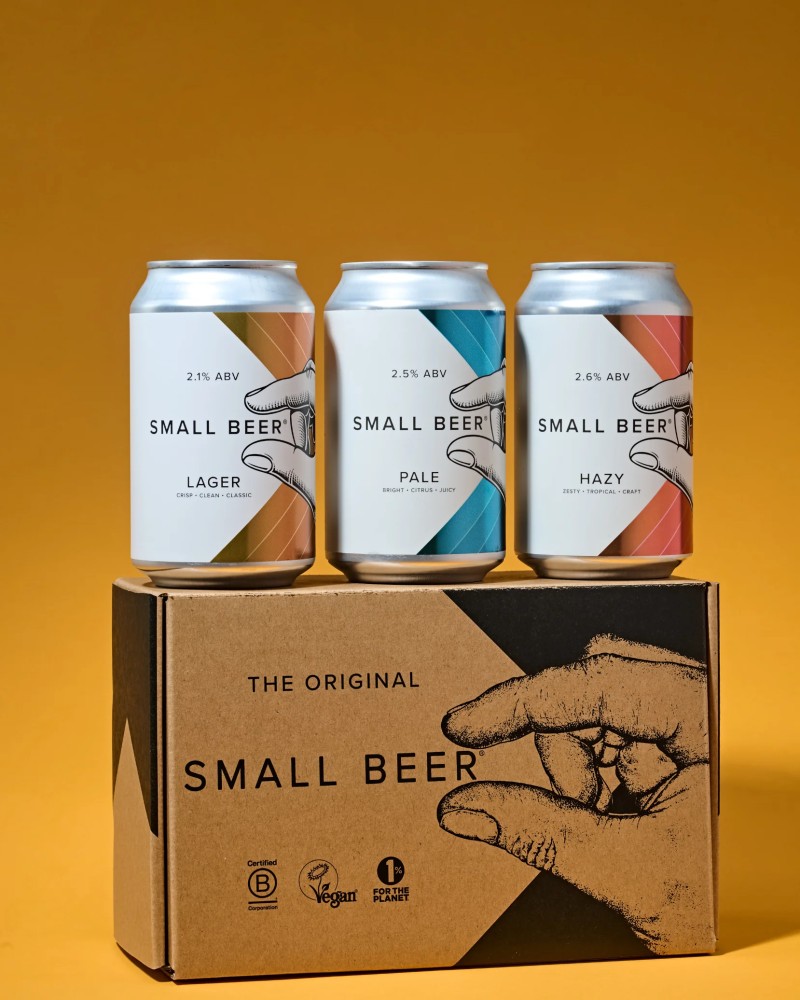
London has a long and fascinating relationship with beer. From historic pubs and traditional breweries to modern craft beer taprooms, the capital has developed a reputation for producing and enjoying a huge variety of styles.
Small Beer Co is a good brand of vegan low alcohol beer, made in London. These beers spend at least 6 weeks lagering for flavour profiles, and are also available in mini-kegs for parties or pubs.
Before recycling cans, rinse then pop ring-pulls back over holes. Then step on upper cans to pinch rims together (this stops wildlife getting accidentally trapped).
What is low-alcohol beer?
Low-alcohol beer generally refers to beer containing significantly less alcohol than standard-strength beer. The exact definition can vary depending on the market and the product, so it is always worth checking the alcohol percentage on the label.
The category sits between traditional beer and alcohol-free or no-alcohol products. This gives drinkers another option.
A person does not necessarily have to choose between a full-strength beer and a drink containing no alcohol at all. Low-alcohol beer can provide a middle ground for those who want to moderate their consumption.
The challenge for brewers is making sure that reducing alcohol does not result in a beer that feels thin or lacking in flavour. This is where Small Beer Co’s approach becomes particularly interesting.
Do you drink too much booze?
0.5% is the official percentage for no-alcohol beers, best still avoided for pregnancy/nursing. These beers are low-alcohol so again not suitable for no-alcohol lifestyles.
Alcohol advice is pretty confusing with units etc. Here’s a quick plain English guide for average adults:
- 1 pint of beer or 1 glass of wine each day (one day alcohol-free)
- 2 measures of spirits daily (again one day alcohol-free)
Note this is either/or (not all at once!)
So in plain English (you can mix and match these):
In a week have no more than:
- 6 pints of beer or
- 6 glasses of wine or
- 14 measures spirits
Of course if you are having low-alcohol or no-alcohol alternatives, you can drink more. And that’s where no or low alcohol drinks are helpful.
Why low-alcohol beer is becoming popular
For some people, it is about reducing the amount of alcohol they consume overall. Rather than giving up beer completely, they may choose lower-strength options more frequently.
Others may want to drink during occasions when they would prefer not to consume a large amount of alcohol.
Lunch is a good example. A full-strength beer might not suit someone who has work to return to, while a lower-alcohol option can provide the pleasure of beer without the same alcohol content.
The same can apply during an afternoon gathering, early evening meal, or casual social occasion. Low-alcohol beer provides flexibility.
Big beer flavour at a lower strength
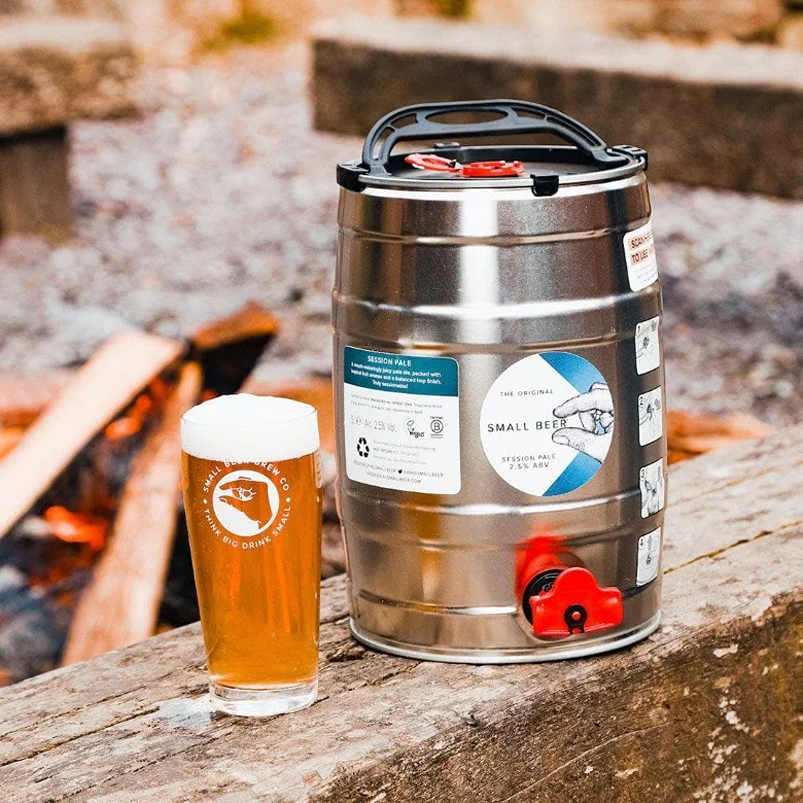
One of the biggest misconceptions about low-alcohol beer is that lower ABV automatically means less flavour. This is not necessarily true.
Flavour comes from a combination of ingredients and brewing techniques. Malt, hops, yeast, water, fermentation, and maturation can all contribute to the final beer.
A skilled brewer can create complexity without relying solely on alcohol. Small Beer Co’s philosophy is based around this idea: a beer can be lower in alcohol while still being interesting to drink.
Exploring different beer styles
Another benefit of the modern low-alcohol beer market is that drinkers are no longer limited to one generic style. Different beers can offer different experiences.
- A pale ale might provide citrus or floral hop notes, while a stout-type beer can bring malt, toast, caramel, or roasted flavours.
- A lager-style beer may be crisp and refreshing, making it suitable for warm days or meals.