Books on ‘economic growth’ alternatives (no GDP!)
MPs are obsessed with economic growth (an out-dated and terrible way to manage countries, also read our post on The Happiness Index, top rated is Costa Rica, we are not even near – nor is the USA).
The age of economic growth is totally dead in the water. We have one (finite) planet and buying rubbish to throw away (and building more prisons to house criminals, more hospitals to keep people sick) is not the answer. Abroad, there are far better ideas, with open minds!
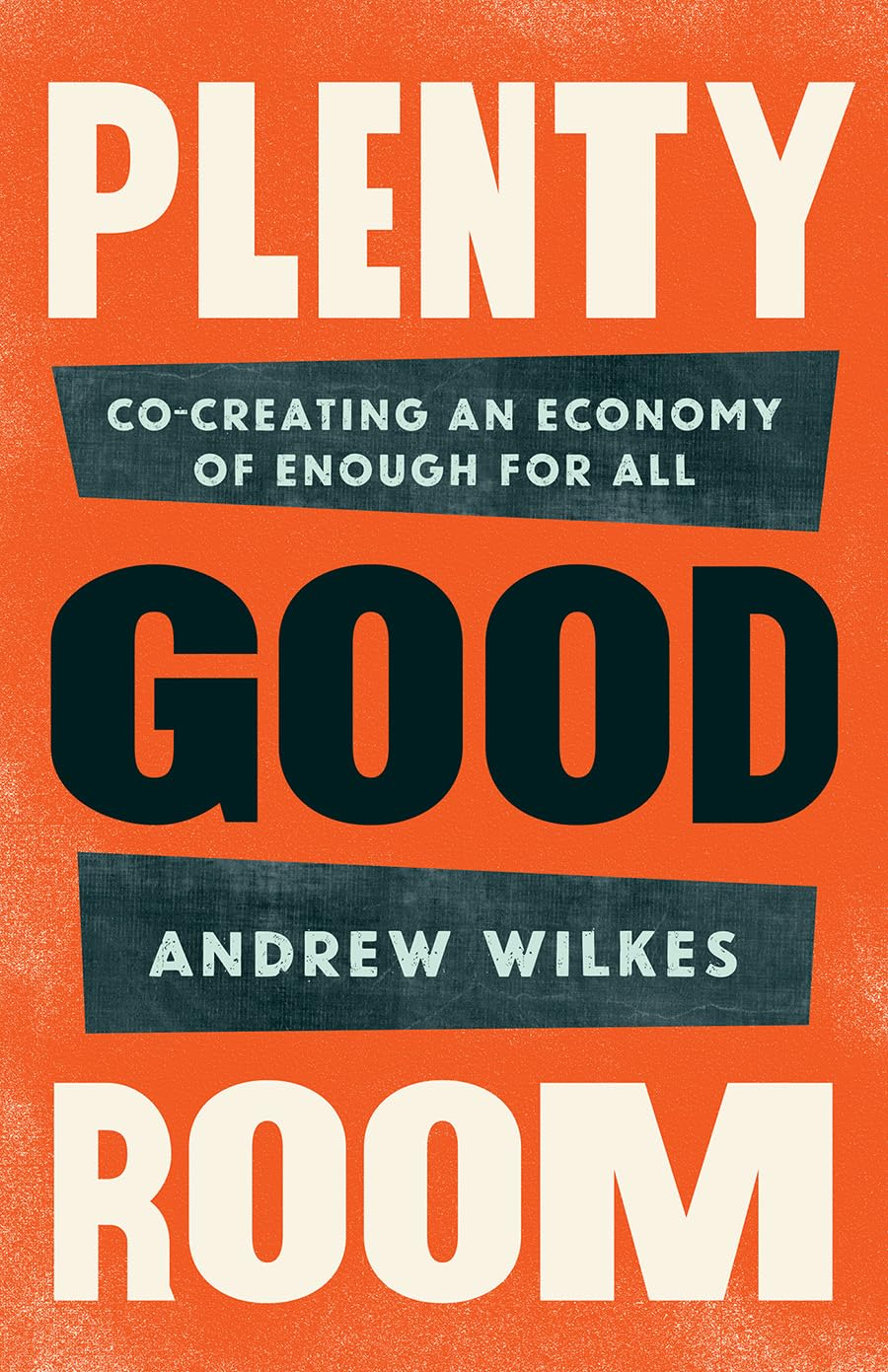
Plenty Good Room lays out a more hopeful approach to economics – one of ‘enough’ for everyone. In a world ravaged by capitalism, this approach offers plenty good room – not just for a few, but for all.
Sharing tools and cars is good for communities and the planet. Repairing goods and passing things on reduces rubbish. Libraries, swap events and repair cafés help.
In a world ravaged by intensifying social justice and capitalism, this is a form of economics that works for everyone, not just a few. Capitalism does not work: it creates an uneven balance of power, constrains life chances and limits imaginations. It’s unkind and boring. It only benefits owners and investors.
This American book suggest an alternative to way to organise our life – as ‘homegrown as sweet potato pie!’ What if we could become moral engineers of the world we create? And challenge conventional greed, inequality and capitalism?
Drawing on the threads of history and Scripture, this book is also inspired by black radicals like Dr Martin Luther King Jr, pointing to how often it’s people in the Black Christian movement, who began these kind of changes. Which can permeate out towards a wider society.
Wilkes offers the biblical and theological foundations for economic democracy. He demonstrates that there is no distance between Jesus and justice. In fact, it’s what God requires and what all people of conscience must make real. Rev Dr Liz Theoharis
Rev. Andrew Wilkes PhD is co-pastor of the wonderfully-named Double Love Experience Church in Brooklyn, New York. Married to a fellow pastor, they regular use their voices to write for black social justice. He is a graduate of Hampton University and Princeton Theological Seminary.
You Don’t Need a Calling (a life of purpose)
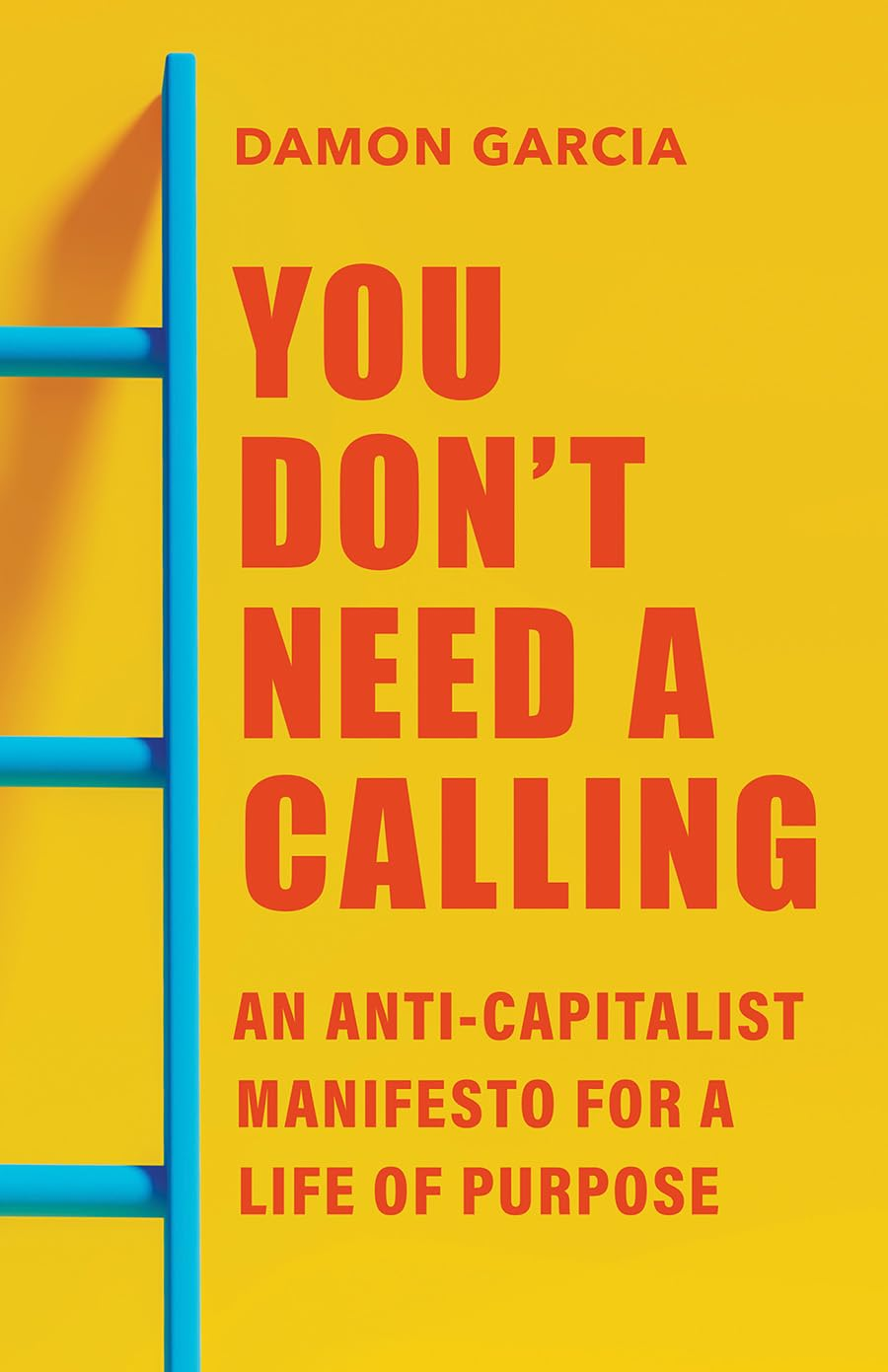
You Don’t Need a Calling is a book to ask you to stop ‘searching for purpose’ and instead start being present. Everyone you look, you are being asked to ‘become the best version of yourself’ or ‘make your life count’.
These messages inundate us, not just in daily life, but even in churches and even more in self-help books. But this is leading to a world of worn-out people who always feel we fall short.
In a capitalist society determined by profit, we are told to work and shop till we drop, to promote ‘economic growth’. Rather than be inspired by places like Costa Rica and Bhutan, where quality of life is more important than the bottom line.
Governments try to manipulate us into believing our entire lives should be about making money and being productive and successful. Society has narrowed our perspective of success to be living in a mortgage-free house with a new car and lots of money in the bank.
But we don’t have to accept that limiting view. In this book, the author suggests you reclaim your true purpose in life, by resisting systems that are trying to exploit you for their own gain. And instead slow down and tune into what’s really important in your own life.
The author (a former minister) says that purpose is nothing you find, it’s something that finds us, when we learn to be present in the world. This is a new course to chart away. Sometimes God’s plan can be that your life has purpose, even if you are not doing that much at all!
If you are exhausted by the idea of ‘God’s plan’ for your life or exhausted by the achievement treadmill, this book can reframe your worth in the world, without having to adhere to the plans of others. It’s not about becoming a person you wish to be. It’s about freeing yourself to be who you already are.
Damon Garcia is a theologian and writer who discovered his passion for ministering to ‘spiritual misfits and radicals’ through youth adult ministry. He likes to combine this with anti-capitalist politics, to help people ‘unsettle’ from oppressive ideaologies. He lives in California, USA.
I almost died after accidentally overdosing on antianxiety medication after a depressive episode. A friend took me to the hospital, and the doctor told me if I had gone to sleep, I may not have woken up.
A couple of years later, I burned out. So I slowed down. But then a few months later I went back to trying to life life to the fullest again. Then a while after that, I burned out again. And again. And again. Something wasn’t working, and I couldn’t figure out what it was.
Burnout forces you to slow down because your body has no choice but to catch up on the rest you’ve been putting off. A lot of us don’t learn the lessons that burnout has to teach us. We just get back up and wear ourselves down again, over and over, until we die. Damon
Sabbath Economics (a Biblical alternative vision)
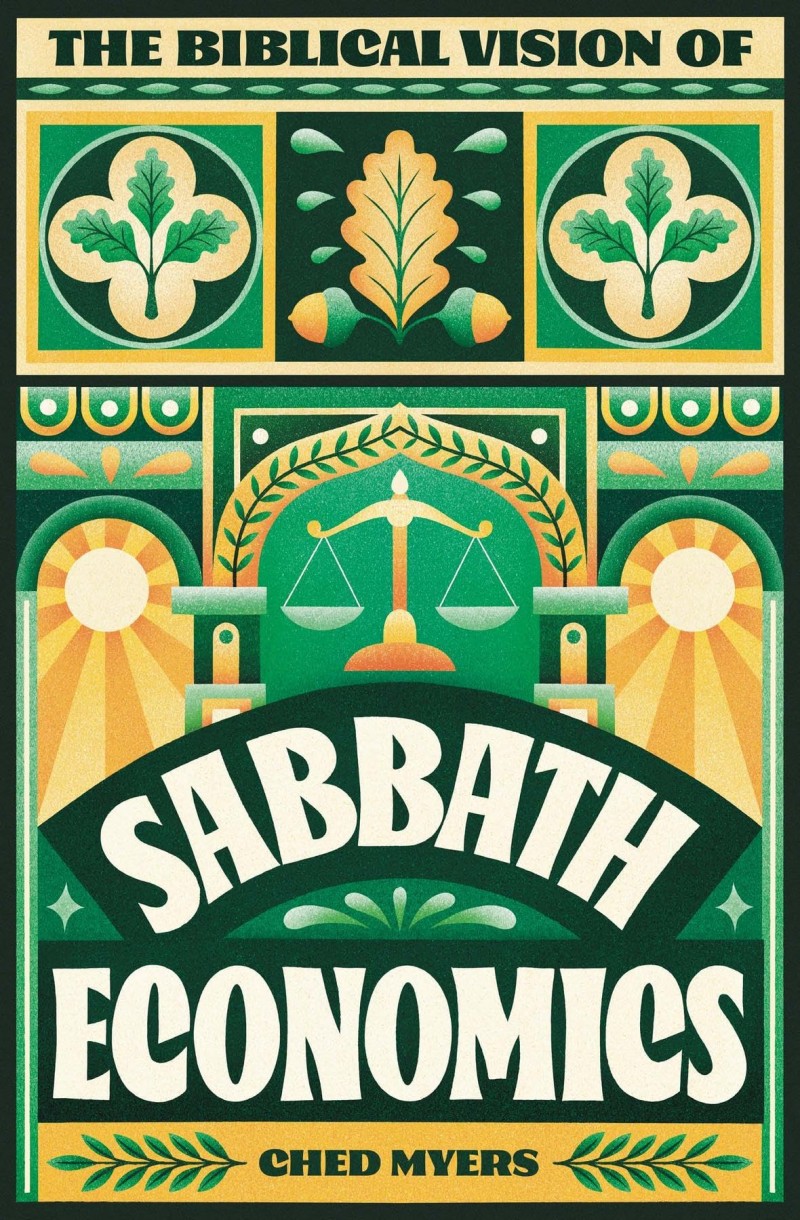
You don’t have to be religious, to understand the benefits of Sabbath Economics. This collection of essays uses Biblical parables to reveal an ancient standard of social justice, waiting to be revived. Where one day each week is set aside for rest.
There is enough for everyone. The world is an abundant gift, where we can all live with gratitude and accept our limits. And forgiveness is not just a spiritual matter, but a practical reality for systems of debt and ownership.
In this concise and powerful collection of essays, the author grasps the nettles of Biblical stories and parables we prefer not to take literally, and reveals an ancient standard of social justice, waiting to be revived.
In a world of obscene inequality, these words are a timeless challenge to us, to live out the letters of Jesus’ teaching, and call others to work for Jesus and justice. Dr Sally & Dave Mann
Beloved Economies (changing the way we work)
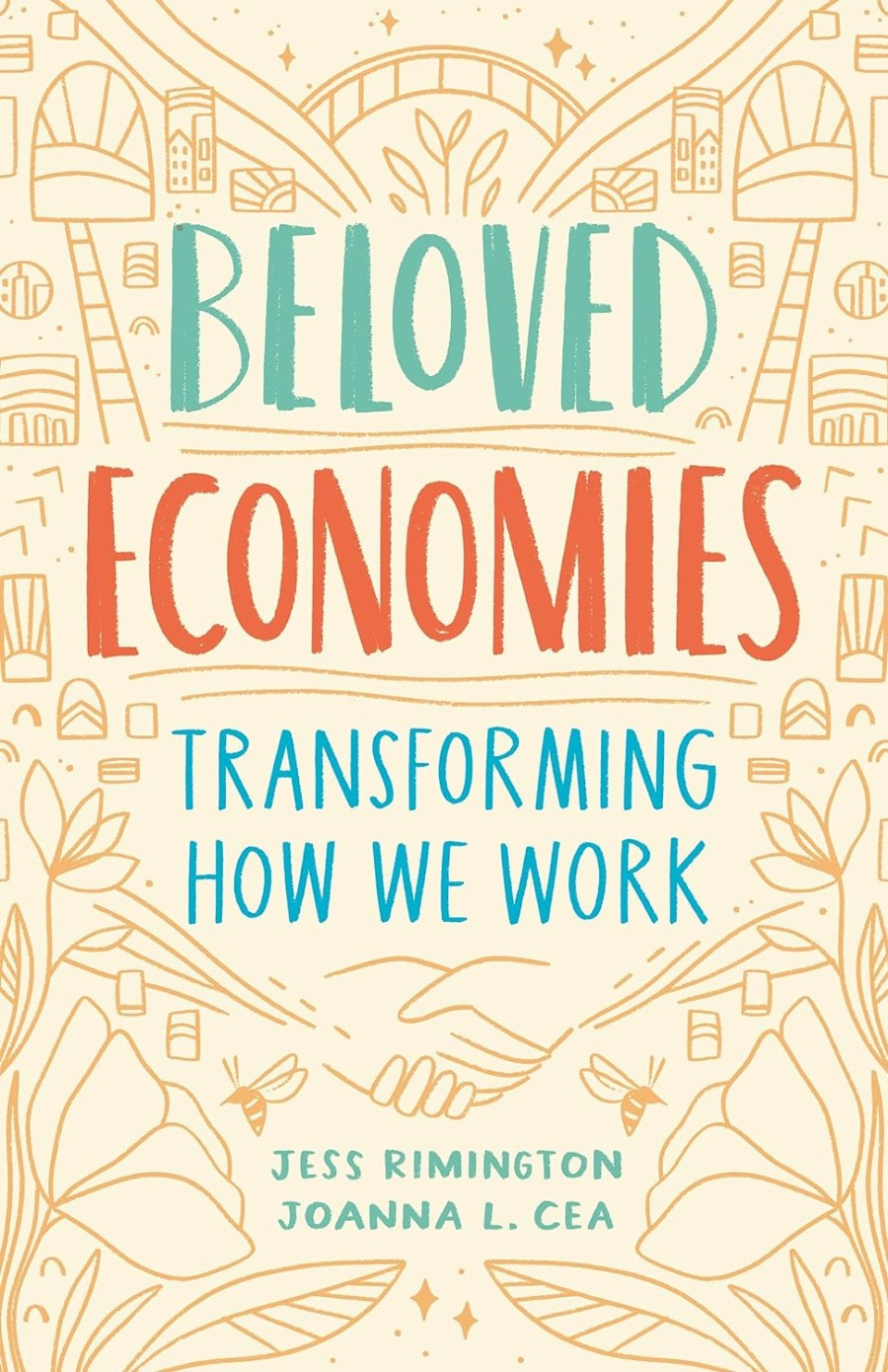
Beloved Economies is book of seven steps for for businesses, non-profits, farms and schools to build more purposeful economics that build trust and share power. ‘Work’ can work for us all, to build an economic future that is good for everyone.
Based on extensive research with organizations and companies that are boldly breaking out of business as usual, Beloved Economies offer readers an imagination-expanding vision of what work could be.
Looking at over 60 people from a wide range of professions, what these groups have in common is that they are generating forms of success that put well-being, meaning, connection and resilience at the hearts of their businesses, not just financial success and quality.
It’s not only what we do for a living, but how we do it – that moves us into economies that all of us can love.
The seven practices of beloved economies
- Share decision-making power
- Prioritise relationships
- Reckon with history
- Seek difference
- Source from multiple-knowing
- Trust there is time
- Share and test ideas
A compelling vision of a world in which the relationship between work, the environment and human flourishing, is one of harmony. All made vivid, through stories of people who are already changing the status quo. Eric Ries
Jess Riminton is an economy strategist who focuses on emerging post-capitalist ways of life. Focusing on the imagination of small business and organisation leaders, who are stepping out of current extractive systems.
Joanna Levitt Cea has worked in community efforts to stop destructive investments that threaten local livelihoods and ecosystems, and led the human rights organisation International Accountability Project, and was founding director of Buen Vivir Fund with Thousand Currents.
How ‘growth economies’ forget about nature
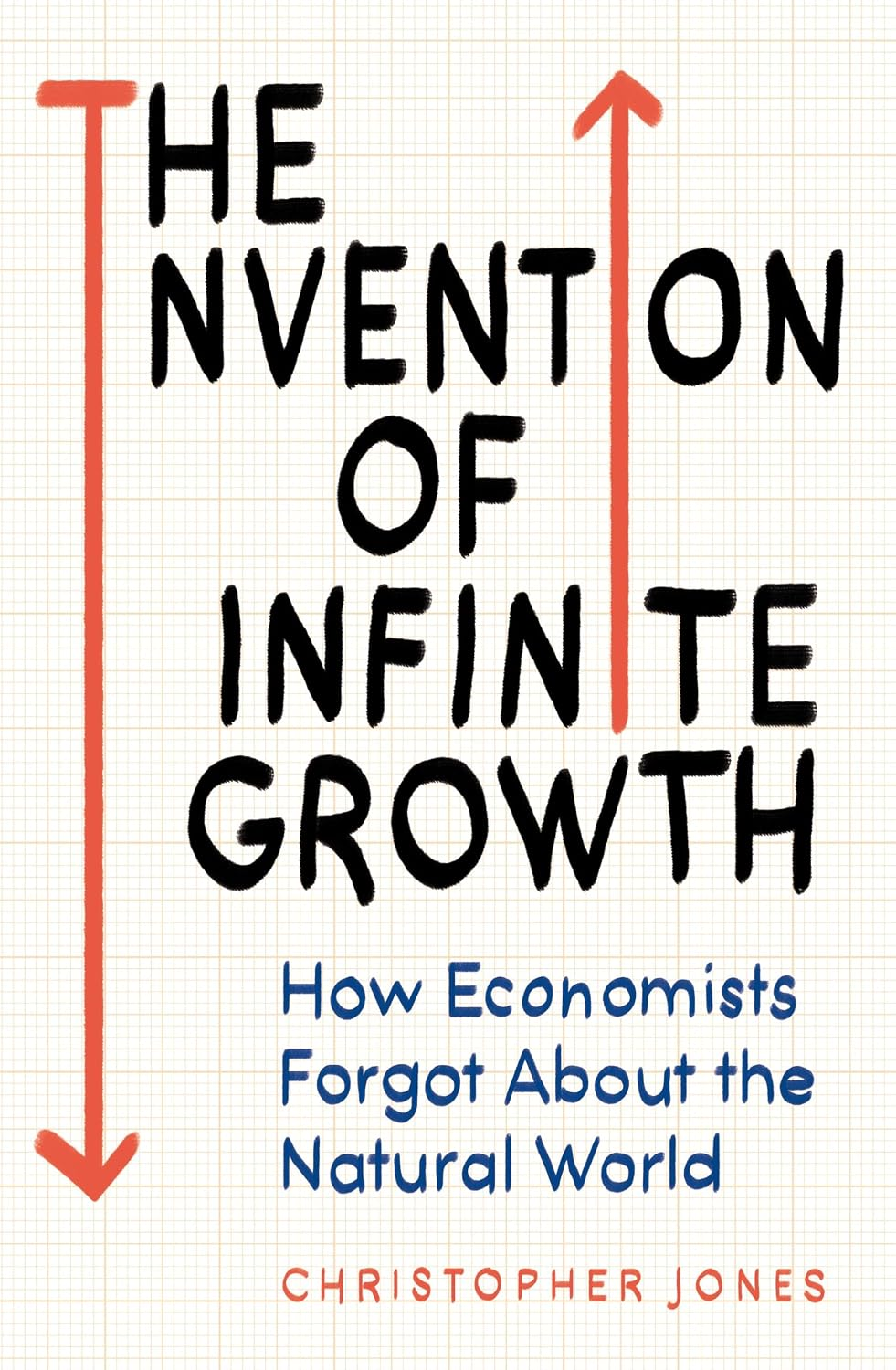
The Invention of Infinite Growth is a book for those of us who shout at the TV when MPs come on and bang on about ‘growth’, as we are yelling ‘but your obsession is destroying our planet, there are better alternatives’.
In this book, the author argues that economists and politicians have lost touch with reality. You can’t create a society of (what ecological writer Satish Kumar called ‘buy, buy and throw away’) just to produce the right numbers for the budget and Whitehall.
That means we destroy forests to make toilet paper, keep people sick to hire nurses, keep people unsafe to build prisons, and keep having oil spills, as the clean-up operations produce ‘economic growth’.
People in power tell us that growth is the surest path to a better life. This idea has shaped policy across the globe for over two hundred years, promising economic benefits to the many, without sacrifices.
We have clung to this promise while witnessing the collapse of natural ecosystems necessary to sustain human life, quietly resisting any correlation between the two.
Christopher Jones offers a hopeful alternative. He says that we can still have wellbeing, alongside the wellbeing of the planet.
Also read An Economy of Wellbeing. This is by the economist who helped developed Alberta’s ‘happiness index’ in Canada, similar to the Buddhist King of Bhutan, who has banned many things he believes don’t make people happy including adverts and Coca-Cola!
His ‘five rules of genuine wealth treat environmental degradation and social dysfunction as liabilities (not gains). ‘Rich’ societies are built on:
- Human capital (health, education, skills)
- Social capital (relationships, trust, community)
- Natural capital (environmental health and resources)
- Built/Manufactured Capital (infrastructure, technology)
- Financial Capital (money, assets, debt)