Ancient Stone, Silent Aisles: England’s Forgotten Churches
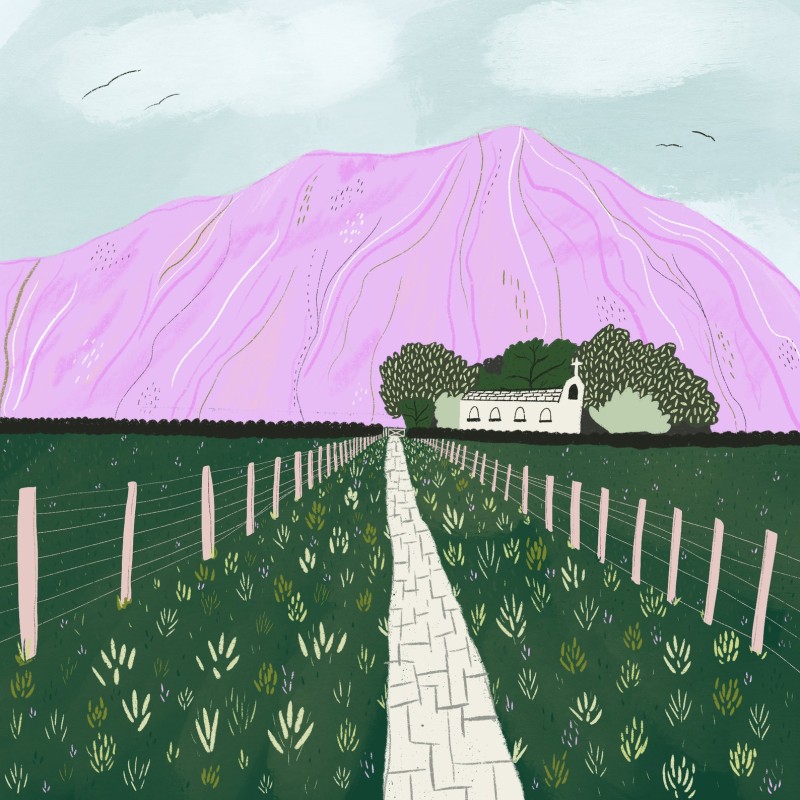
St Olaf’s church, Cumbria (Katie Grosvenor)
England’s forgotten churches are small and quiet, not like grand cathedrals for royal weddings. Some stand in fields with no remaining villages around them, others on the edge of market towns, half-hidden by trees, worn paths and old stone walls. A few are open each day, some need to borrow a key from a nearby cottage, for a rare hour when someone remembers to unbolt the door.
These churches deserve care, attention, and affection for many reasons. They tell local stories, but they also tell national ones. In a country crowded with grand houses, famous castles, and well-known city landmarks, they offer something more human and with more meaning.
They preserve vanished communities
Many forgotten churches outlast the villages, farms, or estates that once sustained them. Sometimes the settlement shrank. Sometimes enclosure, plague, flood, or changing roads altered local life so fully that the church remained as the clearest trace. They can be the last map of lost communities.
A church can show where people gathered, how land was organised, and what forms of labour or wealth shaped the area. A lonely church in open country may point to a medieval village that faded centuries ago.
They reveal local craft at its most personal
England’s lesser-known churches are full of work made by local hands. Not every carving comes from a famous workshop. Not every bench end or rood screen belongs in a glossy art book. Still, the quality can be startling, and the character is often stronger because it isn’t over-finished.
A mason may have left a face in a corbel that feels oddly alive. A carpenter may have shaped a roof that is practical first, beautiful second, and beautiful because of that practicality. The stained glass may be simple, or repaired in patches, yet still catch the light with a delicacy grander churches sometimes lose.
Local craft also roots a church in its region. Flint walls in East Anglia, warm limestone in the Cotswolds, sandstone in northern counties, cob in the South West, each material carries a local accent.
They protect a quieter sacred space
Not everyone comes to these churches for faith. There is a certain kind of stillness in an old church that differs from ordinary quiet. It comes from repeated use, from long habits of gathering, mourning, marking seasons, and speaking words that have outlasted those who said them.
Grand monuments to local gentry certainly appear in old churches, and some are fine things. Yet much of the emotional force comes from smaller traces. A brass to a tradesman. A row of plain headstones. A hand-cut inscription with spelling quirks. A list of churchwardens. A simple memorial to a child.
Churchyards give wildlife a home
Old forgotten churchyards give creatures like ows, swifts and bats habitats, from old trees to barns. Meanwhile, old gravestones and boundary walls provide surfaces for rare lichens and mosses. Long grass can support pollinators.
Did you know that yew trees are toxic to horses and livestock?
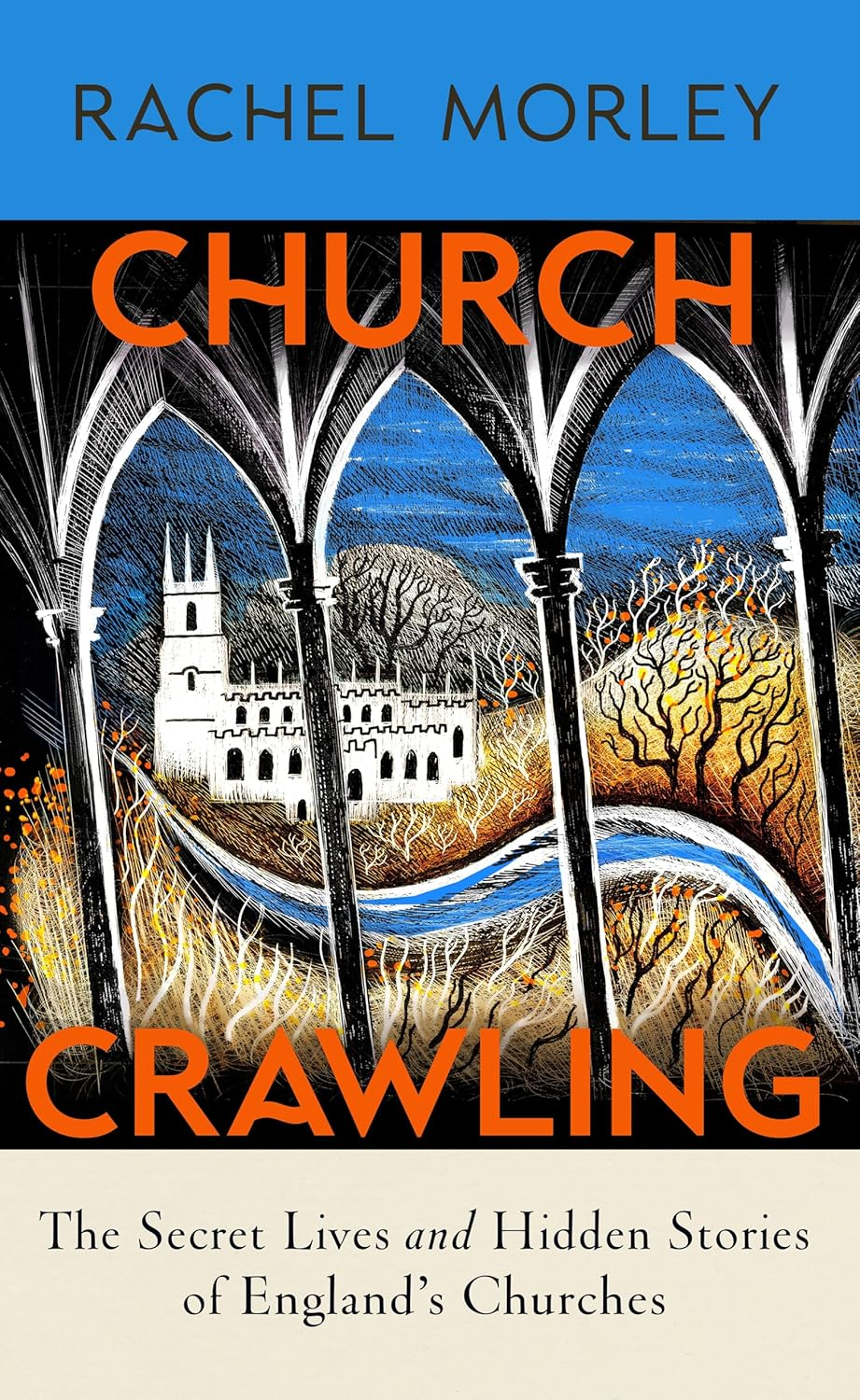
Church Crawling a gloriously entertaining journey through England’s rural parish churches, from a building conservationist and ‘church rescuer’. The term was coined by poet John Betjeman to describe his days of visiting churches.
And in this spirit, the author captures the experience of poking around a dusty village church, only to have it transform in her expert eyes, into a portal to the past, one that brings England’s people and history to life.
Through wall paintings and monuments to plaques and jumbles of furniture, these buildings are time capsules of connection to ancient and medieval ways of thinking.
You’ll meet the Lincolnshire hermit who squeezed a devil from a man with his belt, the lovers struck by lightning before they could get married and the rope-sliding steeplejack who flew from a spire – before falling to his death.
Too many of England’s 15,000 parish churches are neglected and crumbling. This book helps us to see them for what they are: places that thrum with the drama of life, and an incomparable treasure trove that offers as close an encounter with our past as it is possible to get.