Closer Communities: How Pocket Neighbourhoods Help
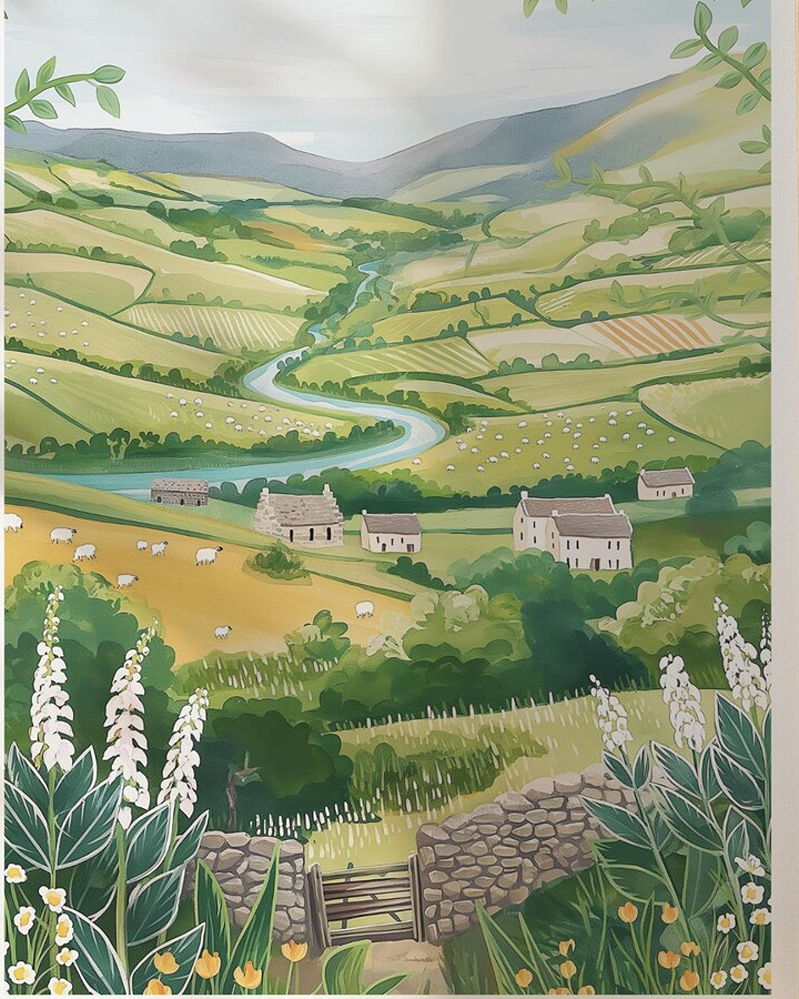
Pocket neighbourhoods are akin to how perhaps you grew up, with small communities (often sharing local green space) and ‘shirt-tail aunties and uncles’ who could keep an eye out for children and pets, to ensure they are safe within communities, and older people who don’t feel lonely.
If planting green spaces, use no-dig gardening and learn how to create pet-friendly gardens and wildlife-friendly gardens. Avoid facing indoor foliage to gardens, to stop birds flying into windows.
In the modern age, most town planners build say 100 houses on a sterile estate, add a ‘community centre’ and perhaps a park that people can drive to, with the food shops out-of-town (unless you get a NISA that sells pizza and chips – so-called ‘food deserts’).
A pocket neighbourhood is different. It’s a bit like ‘The Waltons’, where you can sit on your porch swing and watch children and dogs play on the lawn in front. There’s less chance of either going missing, and older people get to live independently, rather than in nursing homes.
Pocket neighbourhoods batch-cook meals to save money and feed their communities (sharing favourite recipes with each other to freeze) and put community solar panels on roofs, to lower heating bills for all residents. Others grow community gardens to supply free food for everyone.
One fan wrote of pocket neighbourhoods that ‘Granddad can rock on his porch reading the news, while neighbours walk past and stop to ask about his hip replacement’.
Designing Pocket Neighbourhoods
Most pocket neighbourhoods are small clusters of homes, say 10 to 12 households, grouped around a common courtyard or garden. The design is intentional, to bring people together, yet without being intrusive.
Most homes have front porches that face the common area, to promote casual encounters and foster friendships. The layout is also walking-friendly, to help reduce car traffic.
Regular interactions in shared spaces helps to build trust, with residents more likely to watch out for each other. New York States’ Ithaca EcoVillage is a prime example of a pocket neighbourhood, with a focus on green living. The village even has a car-sharing scheme, so people can drive without the expense and waste of everyone owning a vehicle.
The ‘Grandfather’ of Pocket Neighbourhoods
Ross Chapin is the architect credited with creating pocket neighbourhood designs in the USA.
An architect who lives on an island near Seattle (where he enjoys wild swimming in Puget Sound) he says ideal pocket neighbourhoods are no more than 1000 square feet each – about the size of two and a half garages) with ‘room-sized porches’ all facing a shared garden, and hidden parking. 60% of all households are now of one or two people.
The USA has many communities in the style of Pocket Neighbourhoods:
Carlton Landing is a charming lakeside town on the shores in Oklahoma. There are trails, parks and shops all within walking distance, and there’s a meeting house, a family-owned grocery, a pizzeria and a food truck. Plus pop-up shops for local market traders.
There’s also a community church for people of all faiths, followed by Bible Study classes for men and women after service. Along with a learning academy for students in the town and surrounding areas.
Small Town Communities in the USA
Many town planners and builders have now taken Ross’ idea to build ‘small communities’ over large family homes. Posh Pockets in Vancouver (Washington State) is just one example.
The Californian town of Healdsburg is another example of pocket neighbourhoods, where one and two bedroom homes are centred around a large green, with garages out-of-view.
People can park in nearby garages, then walk through tree-lined pathways to get home.
The Cottage Company is an urban development company that uses the same principles, with a focus on creating small carbon footprints. One community in Seattle is just a ‘three block stroll’ from houses on tree-lined streets to the local:
- Farmers’ market
- Post office
- Library
- Grocery
- Hardware store
- Pub
- Bakery
- Cafe
- Public transport
The site offers many testimonials of people who have moved to small communities. Examples of why and how they live here include:
- Privacy, yet with ‘picture windows’ overlooking organic lawns and communal rose gardens
- Not a car in sight, as all are parked in nearby garages.
- Good design, means the small houses feel roomier than previous big homes.
- Big front porches to have coffee with others, or sit alone yet not feel lonely. The community uses humane critter control to deter raccoons.
- The company also builds sustainable BackYard Cottages (ideal for relatives) that are no more than 800 square feet. These are like granny flats, on the same plot with self-contained space for a bedroom, kitchen and bathroom.
Riverwalk is a community of new homes built alongside restored historic homes, all having communal access to a large green, a pavilion and access to a nature reserve near a local river. Each house includes a porch that overlooks the communal green.
The Ember by the same developer again features charming homes, centred around a communal green area. People can stroll along trees lined avenues to visit the local farmers’ market or coffee house.
Why No Pocket Neighbourhoods in England?
It’s pretty depressing that most of our town planners and government officials have not studied pocket neighbourhoods, judging by the present policy of ‘build sterile homes on green belt land, that isolate people from communities’.
Nearly all new-builds are centred around isolation. Often you have to drive from homes eto reach out-of-town supermarkets and retail parks. Are you not inspired more by the homes above? Most of us would be.
Where do you stand on new houses? You know, the little red boxes you see massed along the sides of motorways, or clustered on what used to be flood plains? They’re hateful, aren’t they? Alec Marsh
Centre for Cities asks why all new homes are not being built within walking distance of local community hubs, considering we have an ageing population (many people can’t drive), poor public transport, climate emissions and reducing incomes?
The organisation Transport for New Homes examined recent house building projects. And found that many were centred more around providing ‘homes for cars’, rather than homes for people. Some homebuilders were even building 2 or 3 car parking spaces, for each home.
These new developments are making climate problems worse. As people who move to them have to spend time and money driving everywhere, unless they order everything online (which of course also is not as good as walkable shopping), and home-school their children.
Create Streets is kind of England’s answer to pocket neighbourhood campaigns.
The founder says that recent attempts to ‘build new communities’ in the UK (without communal green space or access to local shops and schools) has been ‘depressing, unsustainable and stupid’, due to reliance on cars and sprawl.
The idea that ugly homes near piles of rubbish and empty shops, says to people in the community ‘this place doesn’t matter and by implication, neither do you’.
This organisation worked on a project near Exeter (Devon) for 45 homes, centred around a village green with a preserved tree, and parking in small rear courtyards. Like US pocket neighbourhoods, people can use pedestrian paths to reach a cycle lane and nearby park. 50% of the homes are ‘affordable’, a mix of terraced and semi-detached houses.
How to Set up A Neighbourhood Watch Scheme
Although England is a pretty safe country in comparison to some, it does have higher crime than many other countries (Switzerland’s murder rate is around 45 people per year, compared to 600 in England and Wales).
Lack of funding for our police is one factor, but there are many ways to help our police forces, which don’t involve money.
Create Neighbourhood Watch schemes (this is where groups look out for each other in communities, reporting odd behaviour). The site has good crime prevention advice. Also read about designing out crime officers (who use good town planning to create safe places).
Burglary Prevention Tips
Most police work is for so-called ‘minor crimes’, although having your house ransacked does not feel like a minor crime. But there are simple steps that can deter burglars:
- Place ladders, bins and rubble, out of sight.
- Buy quality locks for doors, gates and bikes.
- Don’t leave items in view from windows.
- Live simply (so you don’t have expensive jewels to steal).
- Mark items of value with security marks.
- Use a reputable burglar alarm like Verisure
- Don’t tell people on social media, if you go away.
Other Tips for Safer Communities
- Report crimes (including anonymously) including rural/wildlife crime
- Install emergency call points to let people report areas they feel unsafe. Calls can be anonymous (people with hearing or speech impediments can pre-register, to call by text).
- Employ Special Constables: These are volunteers who patrol parks, schools and shops, and can step in, before situations escalate.
What Neighbourhood Watch Schemes Do
- First, share trusted information. That might include official alerts, patterns people have noticed (without guessing who did it), and reminders about reporting routes. Speed matters, because early reporting can stop repeat attempts.
- Second, reduce opportunities. Small fixes make a difference, because many crimes are opportunistic. Think good locks, lights that work, bikes secured properly, sheds locked, and car doors checked. These aren’t flashy actions, but they remove the easy wins.
- Third, look out for neighbours, especially those who might struggle. That could mean helping someone set up a door chain, offering to collect parcels when they’re away, or checking in after a worrying incident.
You won’t make crime vanish. However, you can make your area feel less “unguarded”, and more connected. That alone can deter low-effort trouble and help people feel confident at home.
- You don’t need a committee, a logo, or a long meeting. You need a clear patch, a few helpers, and one way to communicate (remember that many people don’t use smartphones or What’s App).
- Choose an area you can realistically cover. One street is ideal. A small block, a short row of terraces, or a couple of nearby closes also works. If you go too wide, messages become vague and people disengage.
- Next, find two or three neighbours to help. Try to balance personalities and skills. One person might be good at organising, another at calm communication, and another at spotting practical fixes.
Then agree one starter goal for the first month. Keep it concrete, for example:
- improve front door security
- reduce shed break-ins
- set a safe parcel routine so deliveries aren’t left on show