
Reasons to make time in your life for quiet prayer
No matter what your faith is, it’s always good to make a little time for prayer. Even you’re a fire-breathing atheist, take some time to just wonder at the universe, rather than always thinking of this world.
All ancient cultures use prayer, and when John Robbins journeyed to the four longest-lived cultures on earth (communities in Chile, Japan, Russia and Pakistan), he was surprised to find none of them even knew what an atheist was, even though they were fairly remote from established religious churches.
Prayer feels like an open line to God. Think of prayer as a reset button for the mind. Quiet reflection washes away worry and brings life into clearer focus. Many people find that just a short time spent in silence or peaceful prayer, helps them feel more centred and alert for the rest of the day.
Be inspired by nuns and monks
You don’t have to be a nun or monk to be inspired by how they live. Nearly all orders follow the same routines each day, and this can praying up to seven times a day. Some also pray the Catholic Rosary.
Instead of following long complicated lifestyle rituals from magazines, learn how nuns and monks live their daily lives, then adapt your life to some kind of similar routine to suit your lifestyle. Here’s an example:
- Pray the first time you wake up, even if it’s dark and quiet.
- Morning prayer is often used as the sun rises
- Pray before you begin your work
- Pause at midday for a quick prayer
- A prayer of thanks as evening starts
- A quick quiet prayer before sleep
If you live near a Catholic or Orthodox church, go and listen to Vespers. This is free and usually in the evening, when monks or priests or nuns sing in Latin, it’s quite beautiful and you’ll go home feeling much better!
Such a prayer routine can fit into a typical daily simple lifestyle. For example:
- Wake up and pray
- Take some time to read Scripture or holy words before breakfast
- Eat a healthy tasty breakfast (nuns do this in silence!)
- A short mid-morning prayer before work
- Work (manual labour, gardening, baking, office work)
- A midday prayer to pause
- Dinner (the largest meal of the day)
- Recreation or rest (reading, walking in nature, chatting)
- Mid-afternoon prayer
- Daily chores or business
- Evening prayer (listen to Gregorian chants?!)
- Supper (a light evening meal)
- Private time for personal reflection
- Final prayer of the day (silence until lights out)
This is not about some strict routine for the sake of it. You could of course adapt this, as you’re likely not a monk or nun. But it shows how some kind of routine where God is first, will permeate the rest of your day. Just like dogs, we benefit too from regular routines, to make us feel better!
Pray as You Go (an audio prayer sanctuary)
Pray As You Go is a nice ‘audio sanctuary’ run by Ignatian Catholics. Not only can you listen to a relaxing 10-minute reading each morning or evening, but each one is preceded by nice music, which you can also read about and download at the website.
This is really nice. A beautifully designed site where you can read the prayers and lessons if preferred. But it’s nice to just make yourself a brew, and take 10 to 15 minutes each day, to hear a passage from the Bible, then someone with a nice calm voice explains it. You then listen to the verse again with new understanding, asking what it means to you.
Each lesson is preceded by a lovely relaxing piece of music, and you can also use the site to learn more about the Catholic Rosary, find sign language lessons, explore passages to help your mental health, and much more.
There are even prayers for Advent and Lent, and special prayers for children. This is a good example of ‘prayer done well’. It’s very well put together, and very calming.
Who are Ignatian Catholics?
The Catholic faith has various different ‘families’. There are Franciscans, Benedictines, Passionists and Ignatians. In a nutshell:
- Ignatians are inspired by a Spanish saint, and known for using their gifts to help others, through work. Their work becomes their ‘holy vocation’.
- Franciscans are inspired by St Francis of Assisi, an Italian former party boy who became the patron saint of ecology and animal welfare.
- Benedictines live a life of prayer and work. Devon’s Buckfast Abbey is run by Benedictine Monks, who make the famous Buckfast Tonic Wine.
- Jesuits are quite scholarly (Pope Francis was a Jesuit priest).
- Passionists focus on modern-day suffering, often helping prisoners and refugees. Minsteracres (Northumberland retreat) is run by Passionists.
This blog has a post on the different types of Catholic orders. From Franciscans ‘busy loving everything that comes across their path – rabbits, kittens, spiders, trees, mushrooms; to Dominicans (his favourite because ‘everyone needs a favourite, it’s like baseball’).
More tips on how to say your prayers!

Irish nun Sr Briege McKenna was once asked how to pray. She said it’s a bit like sunbathing. You simply go somewhere you feel at peace with God, and kind of do the same – just sit and be, and absorb your faith and that’s prayer, rather than parroting off prayers you learned in childhood
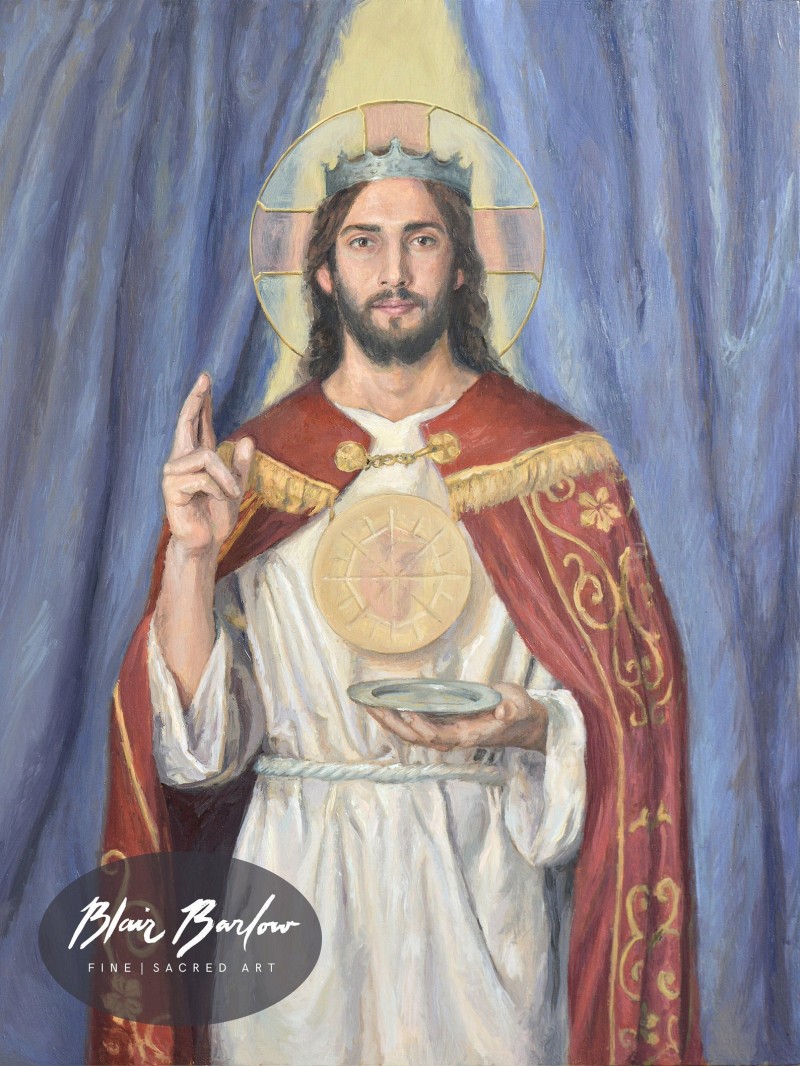
Blair Piras is an American Catholic artist, who offers lovely images of Jesus and favourite saints, with prayer cards on the back. These are nice to carry on your person (especially when travelling) or just to keep by your beside.
Poor Clares (Ireland) is a closed order of Catholic nuns, who wrote a very popular book Calm the Soul, based on their popular music. They have nice prayers on site, by nuns who between them have very interesting histories.
From former campaigners to accountants, you can read their biographies on-site from how they ended up here, after quite a few heavy partying days!
The worst moment for an atheist, is when he feels a profound sense of gratitude. And has no-one to thank. G K Chesterton
To only think ‘you’re alive, you have acne and then you die’, makes you wonder what it’s all for. (Victoria Wood, who became interested in the Quaker faith before her death).
Books to help you pray!
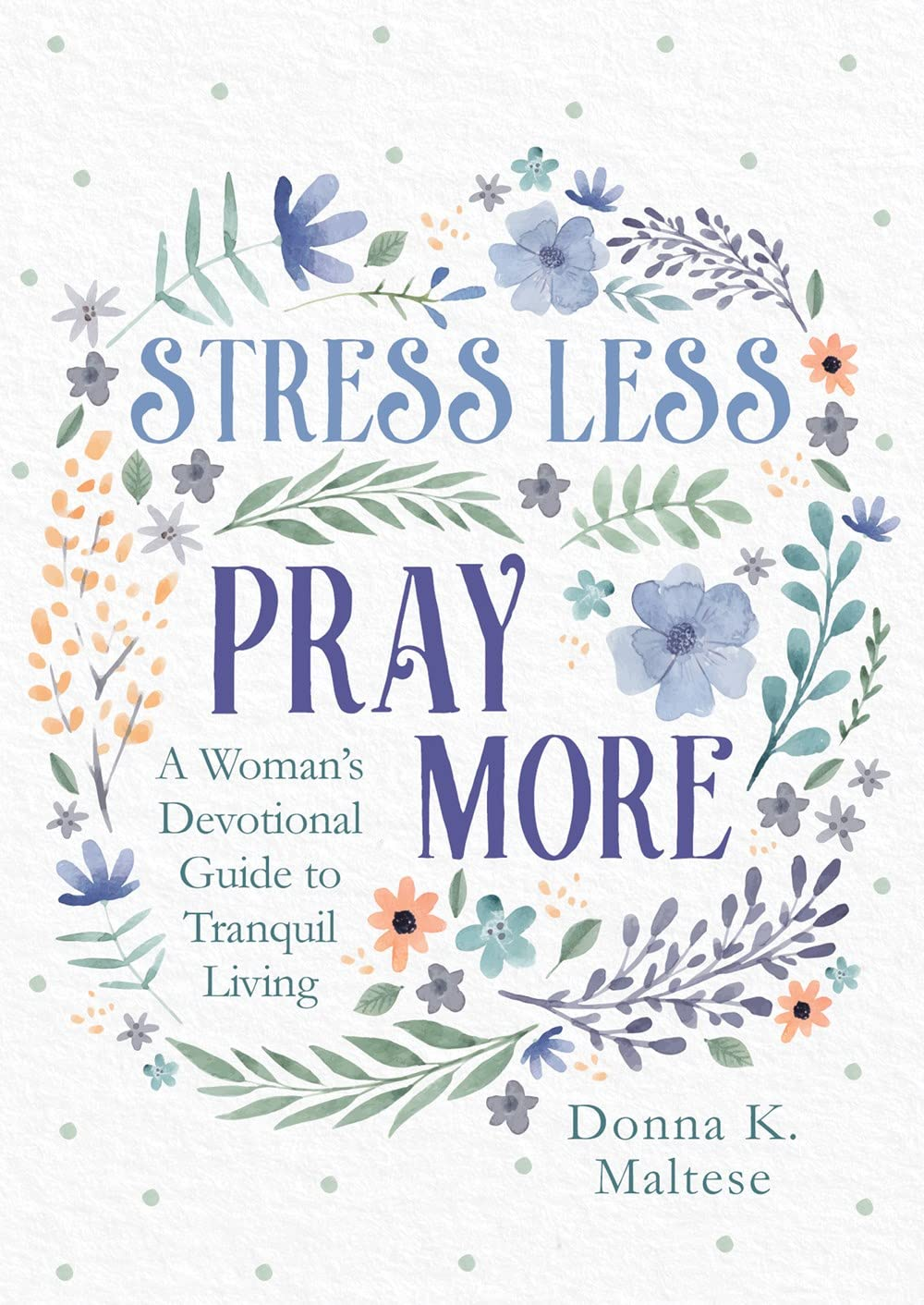
Stress Less, Pray More offers a book of tranquillity for your stressed-out soul. As you read these devotions each morning and evening, you’ll grow closer to God, who can transform your tense heart into one of serene faith.
Inspired by this promise from God’s Word, to ensure that you don’t get so absorbed and exhausted in taking care of your day-to-day obligations that you don’t doze off from what God is doing in your life.
Integrating a Biblical bedtime devotional into your nightly routine offers a intentional bridge between the busyness of daytime and the stillness required for deep, restorative sleep. Far from being just another task on a to-do list, an evening devotional serves as a sacred pause.
It creates an environment where you can shed the emotional burdens accumulated throughout the day and realign your spirit with timeless truths of faith, grace, and peace.
Unplugging from digital noise
One of the most immediate physical and mental benefits of an evening devotional practice is that it requires you to set aside digital devices. Switch the phone, laptop or TV (or even radio) and spend 30 minutes reading Scripture. Instead of reading headlines or scrolling social media.
Swapping screen time for a printed Bible or devotional book allows your nervous system to downshift naturally, signalling to your brain that the work of the day is finished.
At the end of a long day, human nature tends to fixate on what went wrong – the awkward conversation, the missed deadline, or the frustrating setback. This psychological phenomenon, known as the negativity bias, can easily dominate our bedtime thoughts, leaving us feeling defeated or restless.
A Biblical devotional acts as an intentional filter, encouraging you to reframe the preceding hours through the dual lenses of gratitude and grace:
Biblical bedtime devotionals interrupt this cycle by grounding your thoughts in concrete promises of safety, love, and divine control.
Nightime worry of ‘I Have too much to handle tomorrow’ becomes the Devotional Truth of ‘His mercies are new every morning (Lamentations 3:22-23)
Nightime worry of ‘I am completely on my own’ becomes the Devotional Truth of ‘I will never leave you nor forsake you’ (Hebrews 13:5).
Nighttime worry of ‘I cannot control what happens next’ to the Devotional Truth of ‘Peace I leave with you; my peace I give to you’ (John 14:27)
When you fill your mind with these assurances right before sleeping, you give your subconscious mind steady, uplifting truths to process during the night.

Simply Pray is a book on how to understand the power of prayer: ask, seek and knock! This simple concept from Matthew 7:7 is known the world over. Now the author masterfully weaves her own story (from desperation and divorce), to hope and healing with Biblical principles and Scripture.
With over 30 years of answered prayer in her own life, Deb demonstrates how every concern, is worth bringing to God.
Are you carrying a heavy burden or in the midst of troubles? Maybe you’ve also been hurt by another human’s words or actions. His comfort is real and Jesus will draw near to you, precious one.
Deb Hopper has been married for almost 30 years (and is a mother and grandmother). But before that she reached breaking point spending 10 years as a single parent, which saw her begin a powerful prayer journey. She even launched a non-profit to help single mothers.

Prayers for Peace of Mind offers 100 inspired prayers and powerful truths, for more peace during stressful times. Whether you are concerned over a loved one, having issues with life or get upset if you watch the news, anxiety does not have to control your life.
This heart-calming and faith-building of prayers are for times you feel burdened by worry. Whether you use them to start or end your day, or find a prayer to fit your current concerns, this collection of Scripture and encouragement can help.
Holley Gerth is a writer (who helps other introvert writers to success) who has written many beautiful, inspiring and comforting books on prayer (she is also a certified Christian counsellor). She writes that she grew up with grandparents who ran a little Christian bookshop, and spent a happy childhood, often reading in trees. Sounds idyllic!
Whatever your work is, God is not asking you to get it all done today. He is inviting you to simply get started – one moment, one prayer, one step with Him. He will meet you where you are; he will get you where you need to go. Holley