Strong Bones & Healthy Joints (tips & supplements)
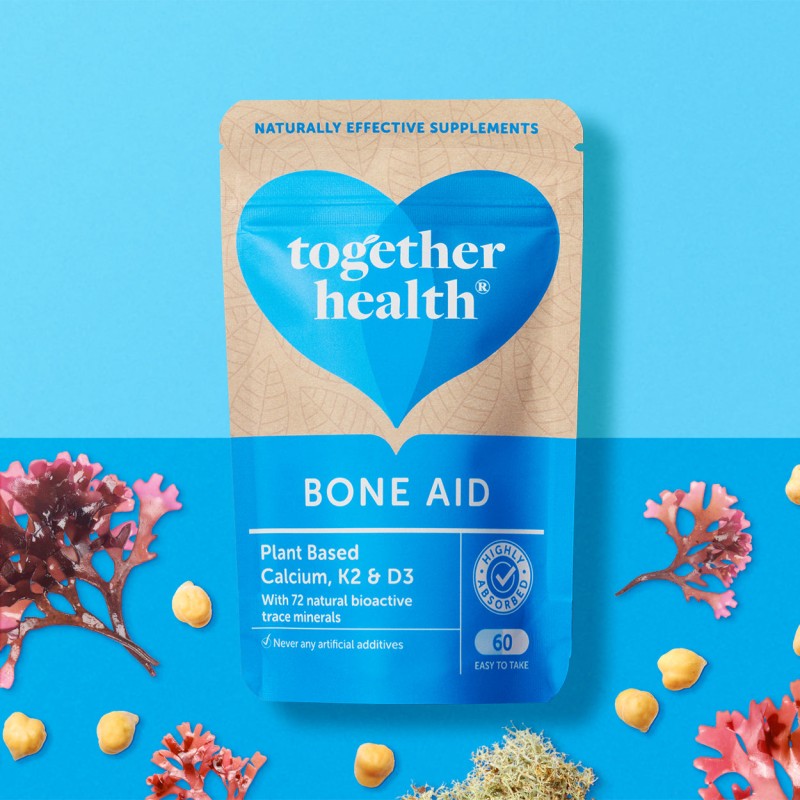
Bone Aid features plant-based calcium from sustainably-harvested seaweed, vegan vitamin D3 from lichen and an active MK7 form of vitamin K2 from chickpeas. Together these form powerful nutrients for strong healthy bones.
Calcium is absorbed into the bloodstream, so needs a little help from vitamins D and K2 to reach your bones. Vitamin D ramps the production of a special protein, while vitamin K2 activates this protein to stop calcium depositing on the walls of blood vessels. This can prevent calcification in arteries, and instead leads calcium to where you need it, in your bones.
Always check with GP if pregnant/nursing or taking any medication, before using supplements.
The capsules are made from plant cellulose from the Pinus Elliottii tree, and can be separated and the contents mixed with food or drink if preferred.
The supplements are sold in easy to recycle pouches that are plastic-free and contain a protective film made from wood pulp. All layers are home compostible.
Subscribe online for big savings, and get double rewards cash on orders, you can pause or cancel anytime.
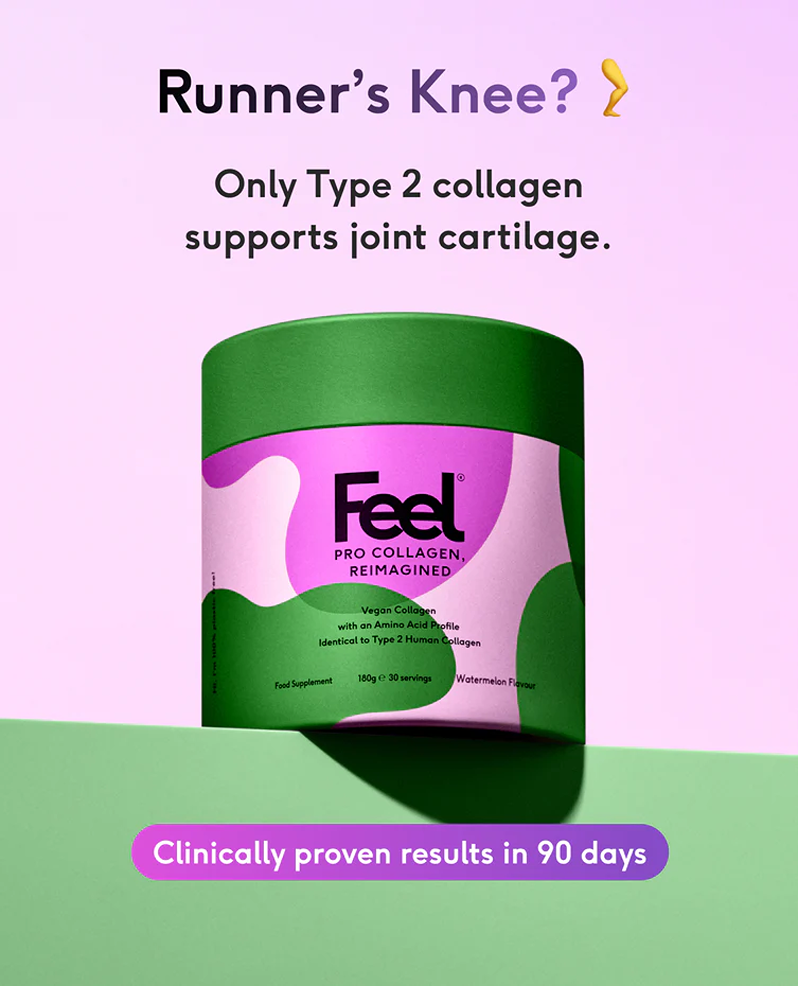
Feel Pro Collagen for Joints is a quality vegan supplement, sold in sustainable packaging. This is the world’s first vegan type-2 collagen for joints, the only one in the world that is identical to human type-2 collagen.
Use discount code WELCOME_20 for 20% off first subscription order (not for bundles nor combined with other discount codes).
Always check with GP if pregnant/nursing or taking medication, before using supplements.
Effecting to support joint and bone health and reduce discomfort for better mobility and flexibility, this is clinically proven to outperform traditional collagen and other ingredients, for cartilage collagen production and joint repair. It also activates osteoblasts to help with bone regeneration.
The supplement also helps to stimulate your own secretion of chondroitin and hyaluronic acid, for better joint lubrication and mobility. In 12 weeks, users noticed a 44% reduction in joint discomfort, a 67% reduction in joint stiffness and 61% difference in physical function.
How Feel Joint Repair helps
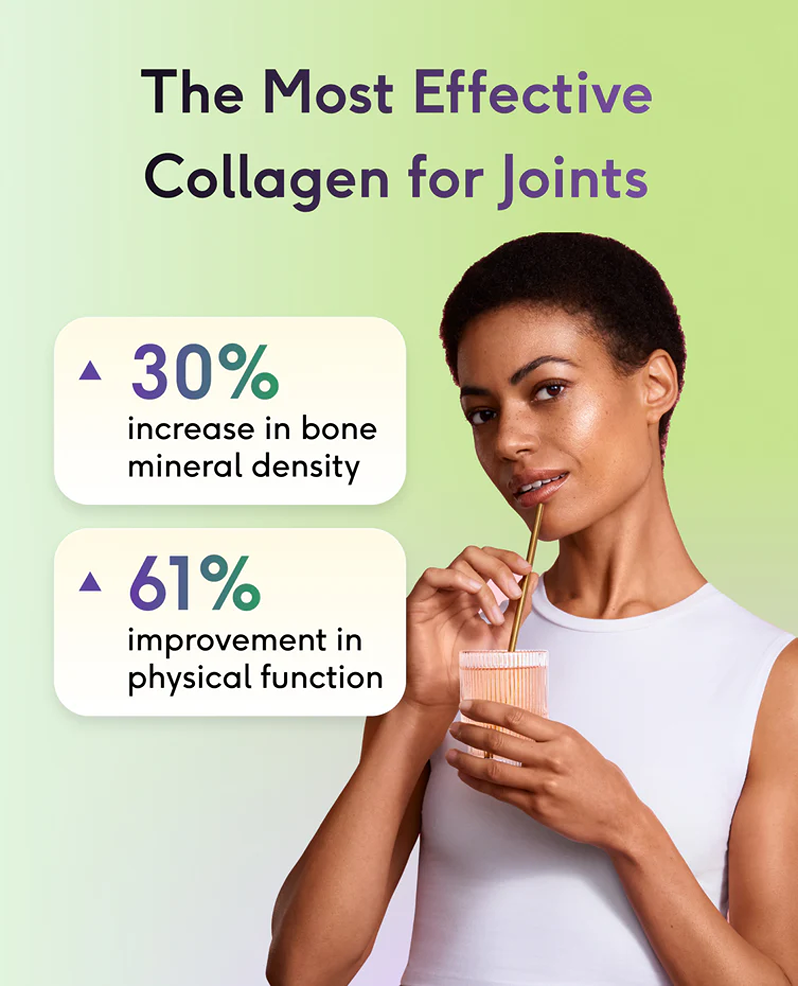
- Joint repair – Chondrocytes are cells within cartilage that regenerate and repair, and the ingredients in this supplement are proven to activate up to 50% of the type 2 collagen found within the cartilage matrix.
- Joint mobility – Chrondroitin and hyaluronic acids are also found within cartilage to reduce joint stifness. The ingredients in this supplement are proven in clinical trials for participants to see a 44% reduction in joint pain, 67% reduction in joint stiffness.
- Healthy bones – The supplement helps to activate osteoblasts that play a key role in bone health, by helping to build new bone tissue to reabsorbed damaged or aged bone tissue.
- Bone mineral density – these are less likely to fracture or become porous. In a trial, the T-score bone mineral density test saw the range increase by 30% over 12 weeks.
- Cellular damage prevention – Inflammation can cause joint degeneration. When compared to animal collagen, this vegan collage significantly reduced negative markets, and vitamin C helps to protect cells from oxidative damage.
Results to expect with Feel Joint Support
- Month 1 – increased levels of collagen that begin to regenerate and repair damaged cartilage, while antioxidants turmeric, vitamin C and elderberry start to reduce inflammation, for better joint mobility and reduced stiffness.
- Month 2 – More flexible tendons and ligaments due to stronger cartilage matrix, and enhanced secretion of chondroitin and hyaluronic caid for better joint lubrication and improved flexibility.
- Month 3 – Improved bone health and reduced joint inflammation, with increasing bone mineral density for stronger bones.
- 1 year and after – reduced joint pain, improved mobility and flexibilty and better physical condition
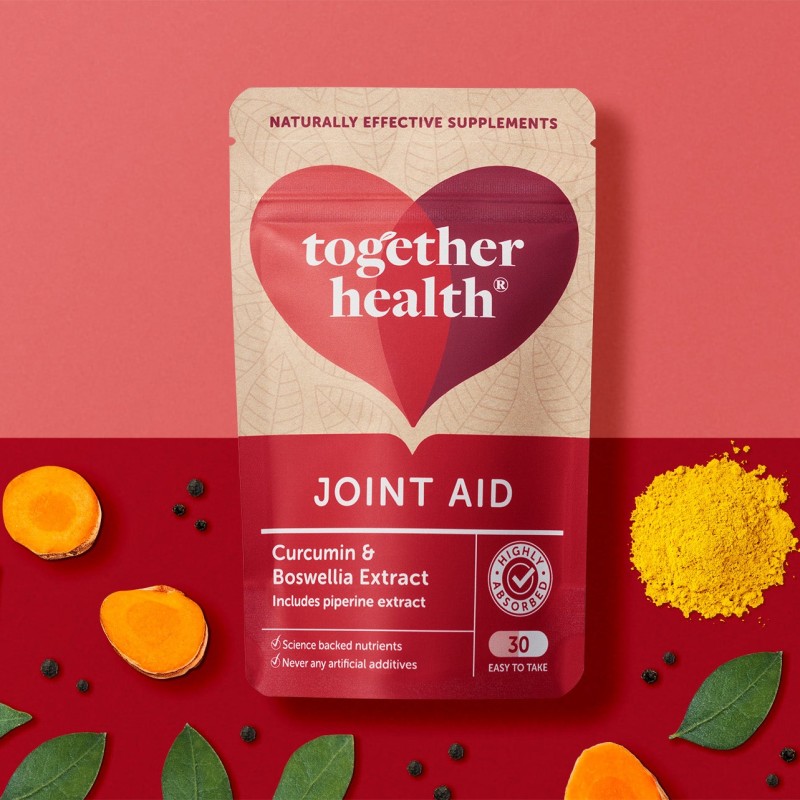
Together Health Joint Aid is a natural formula of potent extract of 95% curcumin (the more potent version of turmeric spice) and boswellic acid along with black pepper extract. Together these create a powerful formula for joint health.
The formula is rooted in Ayurvedic medicine, using two botanicals that have been studied for centuries (turmeric and boswellia) to help joint flexibility and support, to help you move comfortably and naturally.
Always check with GP if pregnant/nursing or taking any medication, before using supplements.
The capsules are made from plant cellulose from the Pinus Elliottii tree, and can be separated and the contents mixed with food or drink if preferred.
The supplements are sold in easy to recycle pouches that are plastic-free and contain a protective film made from wood pulp. All layers are home compostible.
Subscribe online for big savings, and get double rewards cash on orders, you can pause or cancel anytime.
Feel Pro Turmeric Supplement (for healthy joints)

Feel Pro Turmeric is a quality supplement designed to help you move through the day, containing the most bio-available form of turmeric on the market, that is 285% more effective and 7 times longer longer lasting than standard turmeric.
Designed to support joints, cartilage function and normal muscle function, expect results in 90 days.
Use discount code WELCOME_20 for 20% off first subscription order (not for bundles nor combined with other discount codes).
Check with GP if pregnant, nursing or taking other medication, before taking supplements. This has rosemary extract, so check if epileptic.
Results to expect with Turmeric Pro
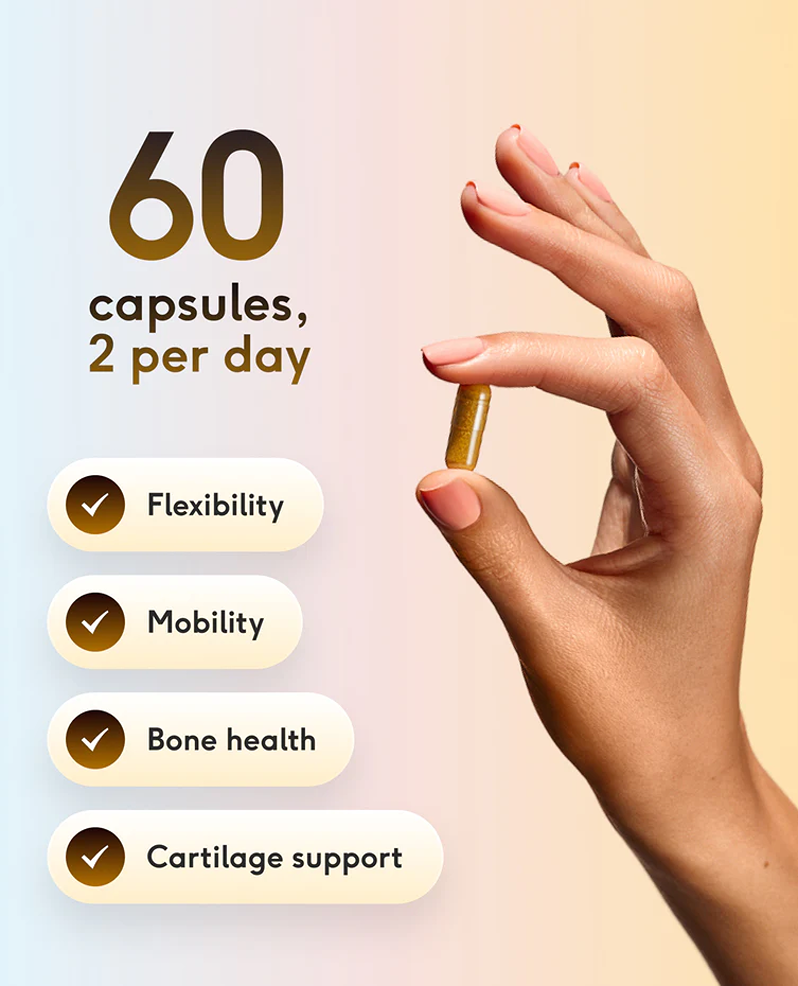
- Month 1 – curmurin is delivered to target tissues, so expect better joint mobility in the first few weeks, plus Vitamin C helps with production of collagen.
- Month 2 – Better skin health due to nutrients, and better cartilage.
- 3 months – body serum levels have stored enough vitamin D and curcumin for better immunity, and vitamin D also makes body better to absorb calcium and phosphorus, key for good bone health.
- 1 year and after – better flexibilty, mobility and overall wellness.
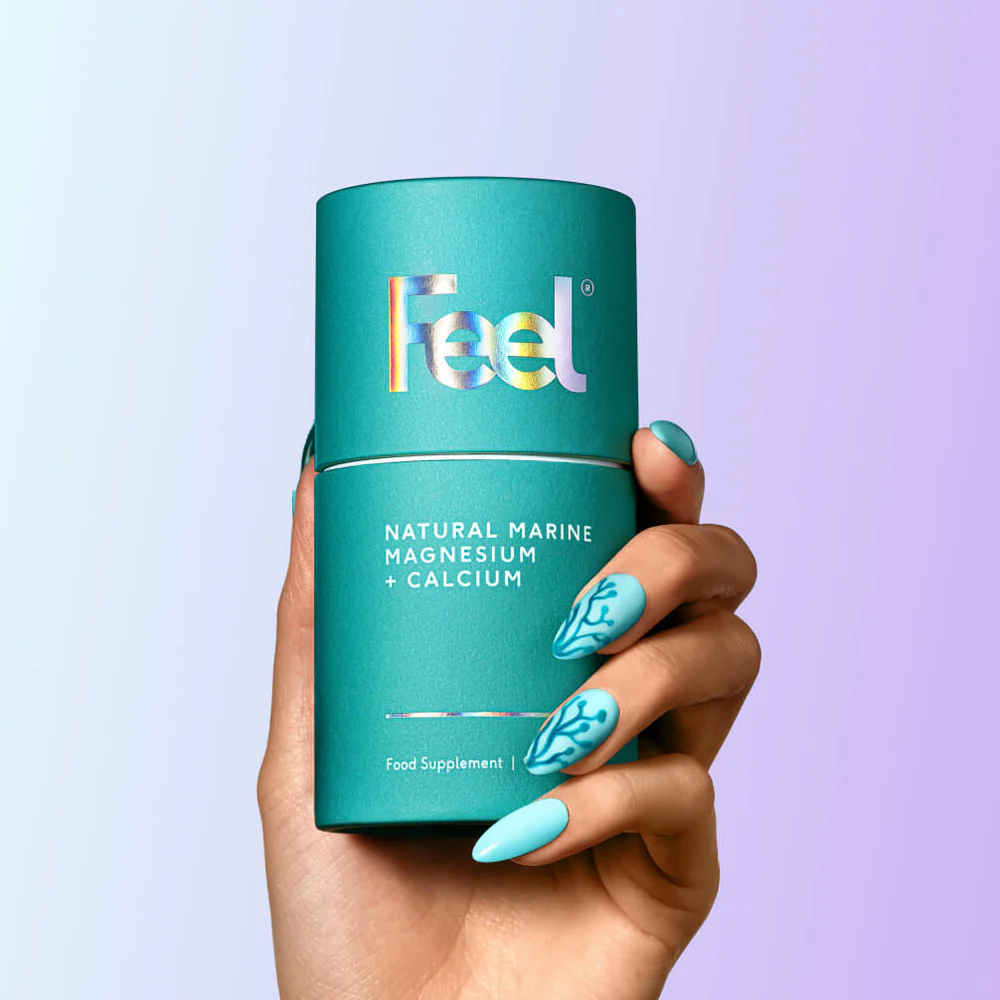
Feel Magnesium & Calcium is a quality nutritional supplement formulated by experts, and sold in zero waste sustainable packaging. All their products are vegan and not tested on animals.
Use discount code WELCOME_20 for 20% off first subscription order (not for bundles nor combined with other discount codes).
Check with GP before taking supplements if pregnant, nursing or on medication.
This supplement is mostly for healthy bones, but a good side effect is a good night’s sleep (magnesium is known as ‘the sleep vitamin’) with added benefits for relaxation and nerve function.
Using plant-based minerals from the seawaters of the Irish and Atlantic seabed around the Atlantic coast and 72 trace minerals, this is backed by over 40 peer-reviewed scientific publications. This mineral complex is 250% more effective than regular calcium, and many times better than regular magnesium.
When to expect improvements?
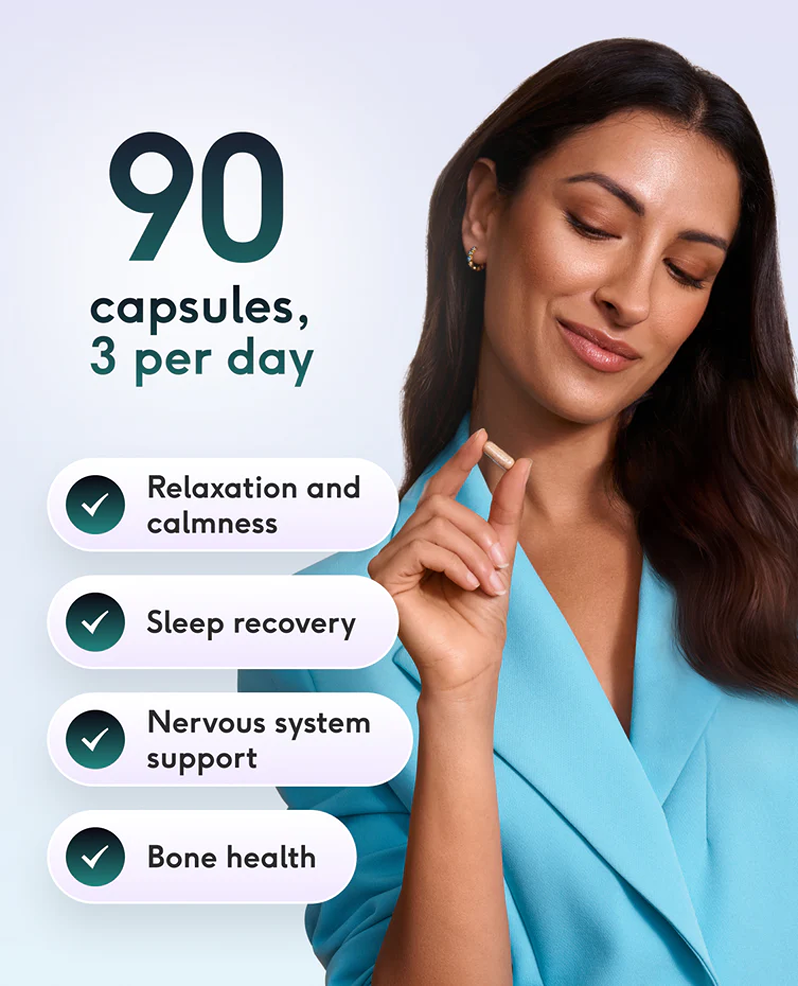
- 1 month (more vitamin D should mean efficient use of calcium and phosphorus for better bone health, and silica to improve bone mineral density, and improve hair, skin and nails.
- 3 months (good body serum levels of fat-soluble vitamin D, for better immunity, bone health and muscle function)
- 1 year (bone turnover supported by nutrients for better structure and stability, and enhanced bone strength)
Dr.Vegan Osteofriend (a supplement for healthy bones)
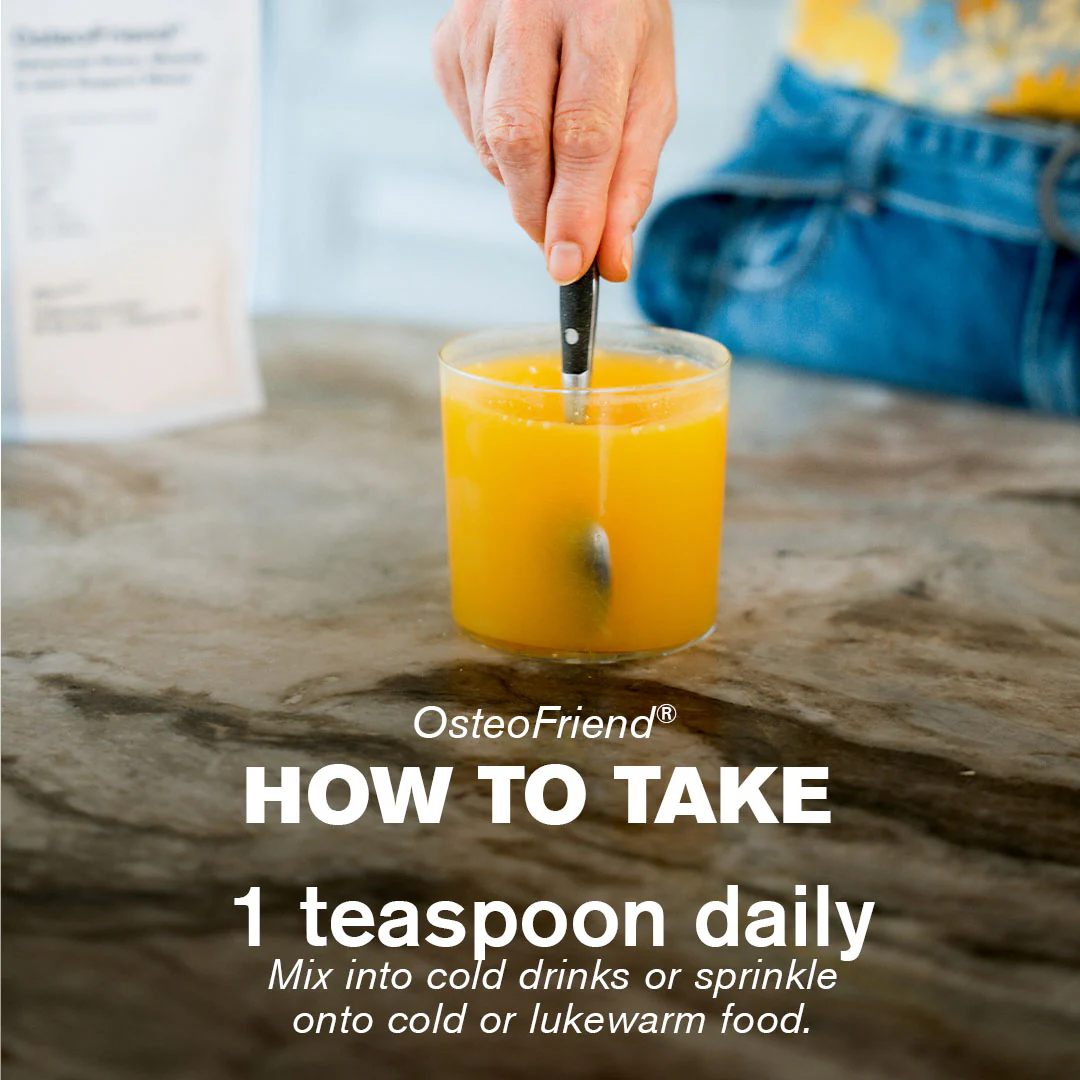
Dr.Vegan OsteoFriend is a quality supplement, the first order is sold in a refillable metal tin. You then just order refills in eco-friendly pouches after that, to save on waste and save money. Subscribe online for big savings, once you have the first order with the tin.
Designed to help bone density, muscles and connective tissues, it contains 19 active ingredients including high-strength calcium, magnesium, vitamins D3 and K2, curcumin, MSM and L-Lysine.
Check with GP before taking supplements if pregnant, nursing or on medication.
When to expect improvements
- 1 week (nutrient deficiencies start to improve)
- 2 weeks (increased absorption of bone-supporting nutrients)
- 3 weeks (osteoblasts start working for stronger bones)
- 1 month (better mobility, bone strength & joint health)
Rehab Science (overcome pain, heal from injury)
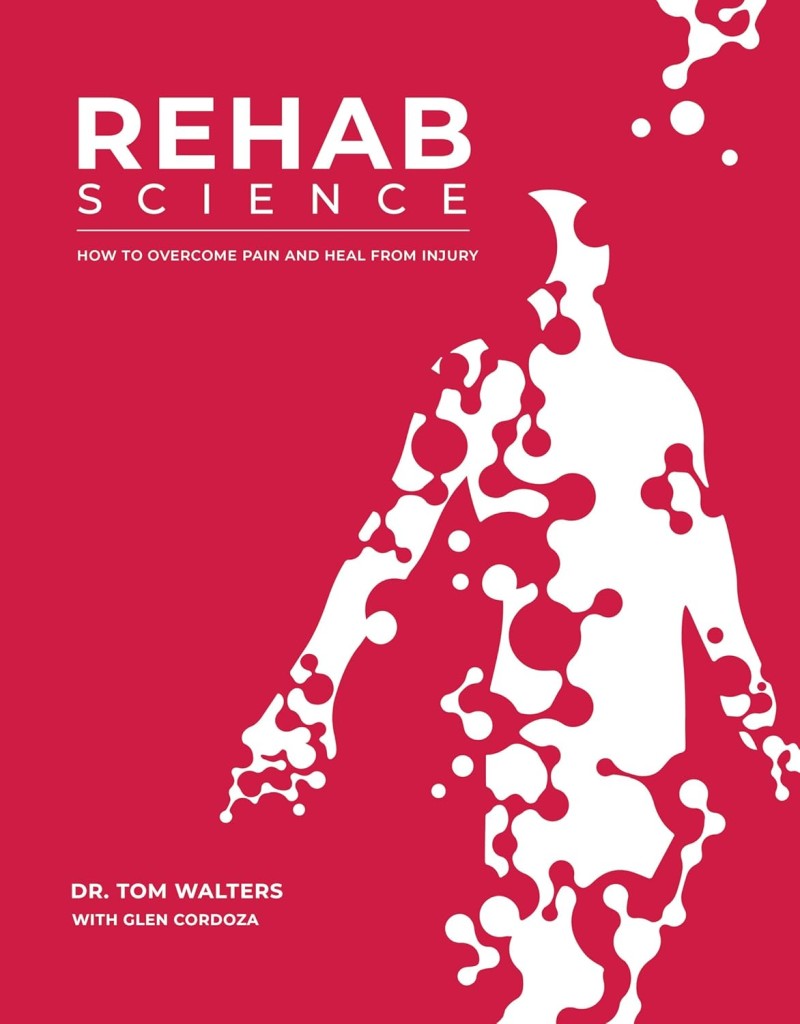
Rehab Science is a super book to help people heal from injury and recover mobility after injury or other medical conditions. This book is written by a highly-qualified professional. It’s expensive but that’s because it’s really for professionals (so a great investment not just for physiotherapists but also for GP surgeries, injury and sports clinics, or hospitals and even nursing homes).
Although sometimes medicine and surgery is needed, in many cases these exercises will cure faster than just popping a pill. The book was discovered after miraculous results from a 6-minute YouTube video by the author (more on that below).
This book offers a foundational explanation of how to treat both acute and chronic pain conditions, and how to identify injuries and use simple methods to increase strength and tissue, and improve movement and reduce pain.
There are 30 programs to cover the most common pain and injuries in every body region, including:
- Low back pain
- Sprains and strains (ankle, wrist, hamstring, whiplash)
- Nerve pain (sciatica, carpal tunnel, herniated discs, lumbar stenosis)
- Tendinopathies (tennis and golfer’s elbow, hip flexor, gluteal and patellar)
- Ligament and tendon tears (Achilles, rotator cuff, hamstring, groin)
- Shoulder and hip impingements
- Dislocations and labral tears
- Meniscus tears
- Plantar fasciitis
- Shin splits
- Arthritis (neck, knee, hip)
About the author
Dr Tom Walters is a board-certified orthopaedic physical therapist, who specialises in treating pain and movement disorders. He runs a free YouTube channel, where you can do simple exercises alongside him, to treat many painful conditions.
If you have chronic pain or a complicated condition, you can join Tom’s membership plan, where you can upload symptoms and get a personalised custom plan (which costs less than the private cost of visiting a physiotherapist in the UK – good but likely too expensive for some if you can’t get results on the NHS).
Alas as you don’t live in the USA, you won’t be able to use health insurance to pay for it (you might, ask!) But most users feel better after six weeks. So try the free exercises first, then consider this option if no joy.