Help People Who Are Grieving (what to say and good books)
Grief is likely the worst emotion you can feel – losing someone dear to you. People sympathise, and then after a few months, you are expected to just ‘get over it’ in this big fierce world. But most people can’t do that. And unless they can afford professional grief counselling, often there is not much help out there.
Also read our post on companion animal grief.
Although popular, avoid sending plantable sympathy cards to homes with pets, as wildflowers are often unsafe near animal friends.
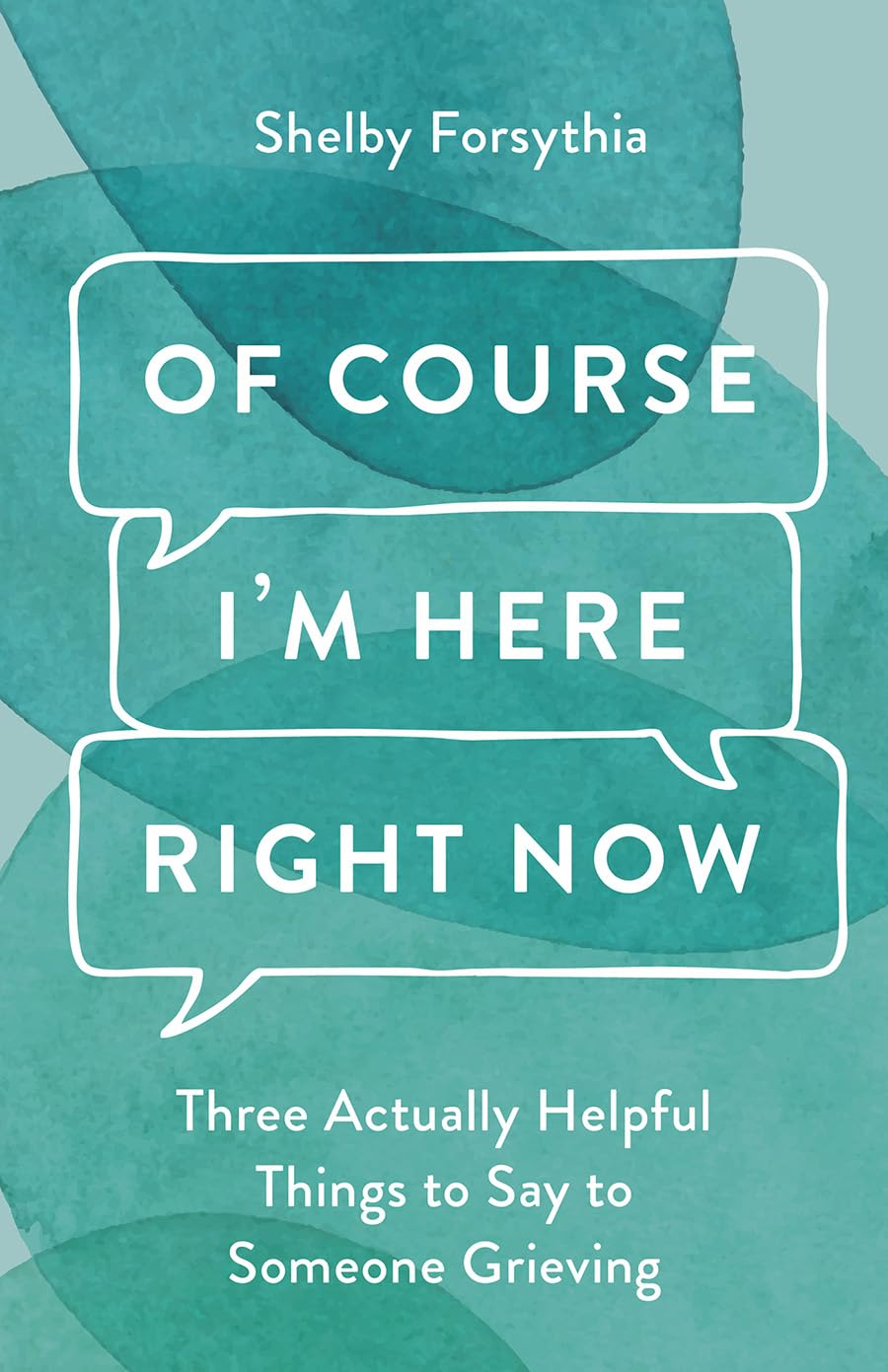
Of Course I’m Here Right Now is your guidebook to support a family member or friend who is grieving, with confidence and compassion. Penned by an experienced grief coach, the author introduces three essential phrases that when used well, can provide immediate relief and long-term reassurance.
Using real-life examples and practical scripts, this sensitive approach helps you say words that are truly meaningful when words feel inadequate. And to show up for a grieving person in a way that strengthens your relationship, and to stop second-guessing yourself as you offer comfort that resonates.
Whether you’re consoling someone after a death, divorce, diagnosis or another loss – with this book, you’ll never be at a loss for words again.
Cruse offers free grief counselling for people who are struggling to cope. There are over 80 local volunteer centres, or call their freephone number, with volunteers trained in all types of bereavement.
Blue Cross offers a similar service for people who have lost companion animals.
The five stages of grief
Most psychologists categories grief into five stages, which nearly always follow the same pattern:
- Denial – initial shock or disbelief. This can be from a sudden death, or even the shock of someone finally dying after a long illness. Shock can also set in say if someone suffers a violent death, or the death of a child.
- Anger – this can be directed at yourself, or perhaps doctors who misdiagnosed. Or even other people who don’t seem to get how bad you feel.
- Bargaining – this is the middle ‘desperate attempt’ to reverse the loss. The ‘if only this had happened instead’. It’s a form of denial, due to not wishing to accept reality.
- Depression – this can then lead to a deep sense of loss. People may withdraw or go numb, or even go and lick their wounds away from society for a while.
- Acceptance – this does not mean ‘being happy’ or even okay with loss. But it’s the beginning of the healing process, as someone realises the new permanent reality of someone having gone from their life.
What to say (and not to say) to a grieving person
First of all, you don’t really have to say anything. Other than let people know that you are there. Saying ‘I understand’ is not so helpful, as often you won’t. But saying you are there for someone is more powerful.
Actions are often more helpful – bringing round something to eat, ensuring someone is not alone if they don’t want to be. Offering to babysit or walk someone’s dog.
Things to NOT do include comparing their grief to someone else. For instance, if you were widowed and coped very well because you are mentally strong, don’t say that your friend has to cope in the same way.
Other dumb things to say include ‘Everything happens for a reason’, ‘I know how you feel’, or ‘Read your Bible!’
Books to help people heal from grief

Turning Toward Grief is a beautiful book by a poet and mindfulness teacher, who shows how poetry can help to process feelings of grief and bring comfort. Especially for those who don’t follow a particular religion.
This book of comforting poems have been shared by thousands of people across the world. The author includes brief prose reflections after each poem, to encourage and support you.
By paying attention to grief (instead of bottling it up), we can (however difficult) turn toward our grief, in gentle ways to help heal.
As a bereavement and end-of-life therapist, I have long waited for a book like this to be written. Claire Willis
Author James Crews is a poet and writer. He curates The Weekly Pause (a free poetry newsletter) from his home in Vermont (USA).
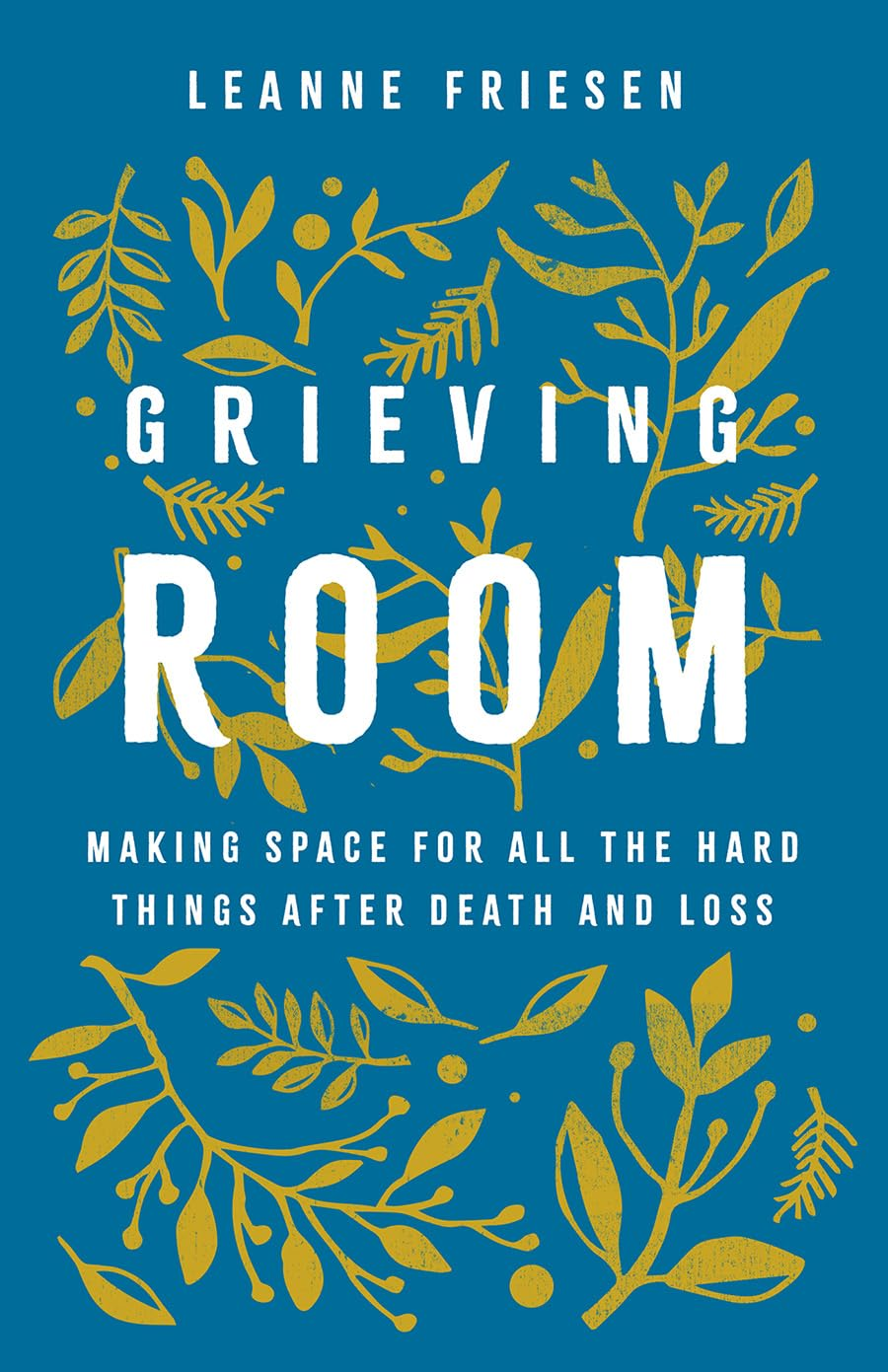
Grieving Room is by an ordained minister and grief educator. Only when her own sister died from cancer did she realised what grieving people don’t need, and what they do. Room for imperfect goodbyes and room for a changing faith, room for regret and to rage at the world.
Room for hard holidays and to never ‘get over it’. In a world that wants to rush towards ‘closure and healing’, this book gives permission to let loss linger.
When we lose someone we love, we are forever changed. When our person dies, our grief needs room. People long to reduce the enormity of our grief to ‘time heals all wounds’ or ‘at least she isn’t in pain anymore’.
Yet grief cannot be just willed away. In a world that wants to rush towards closure and healing, this author gives you permission to let loss linger. When the very worst happens, you need to give yourself (and others) grieving room.
Grieving the Death of a Father, Mother or Friend
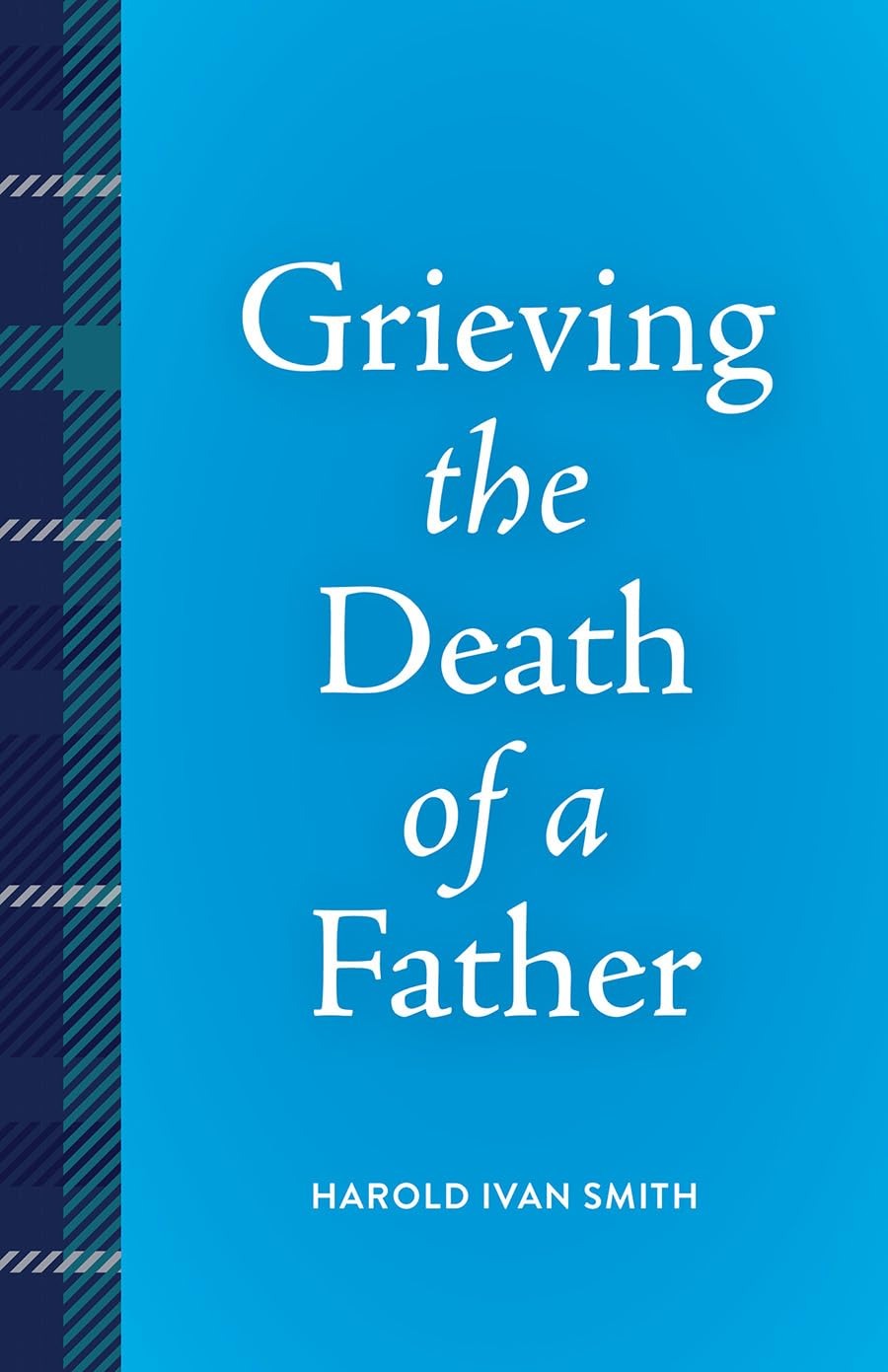
Grieving the Death of a Father is a book that looks at unique ways to cope, when losing someone close to us. After the physical loss of a father, there are slower processes to go through, as a natural response in a world where (most) people have their fathers live a long time.
But if you’ve lost a father at a younger age than most, you likely have to live through sadness, guilt, memories and the reality of growing up with the man who likely protected you from harm.
Make no mistake about it. The death of a father causes a very significant wound. Some of us tend the wound, some of us ignore it.
But the wound is not that our father died and by his death our world is forever changed. No, the world is that the world around us acknowledged the death for one very brief moment, then skipped merrily on its way.
The author (a former funeral director) and a member of the Association for Death Education and Counselling also wrote the accompanying book Grieving the Death of a Mother.
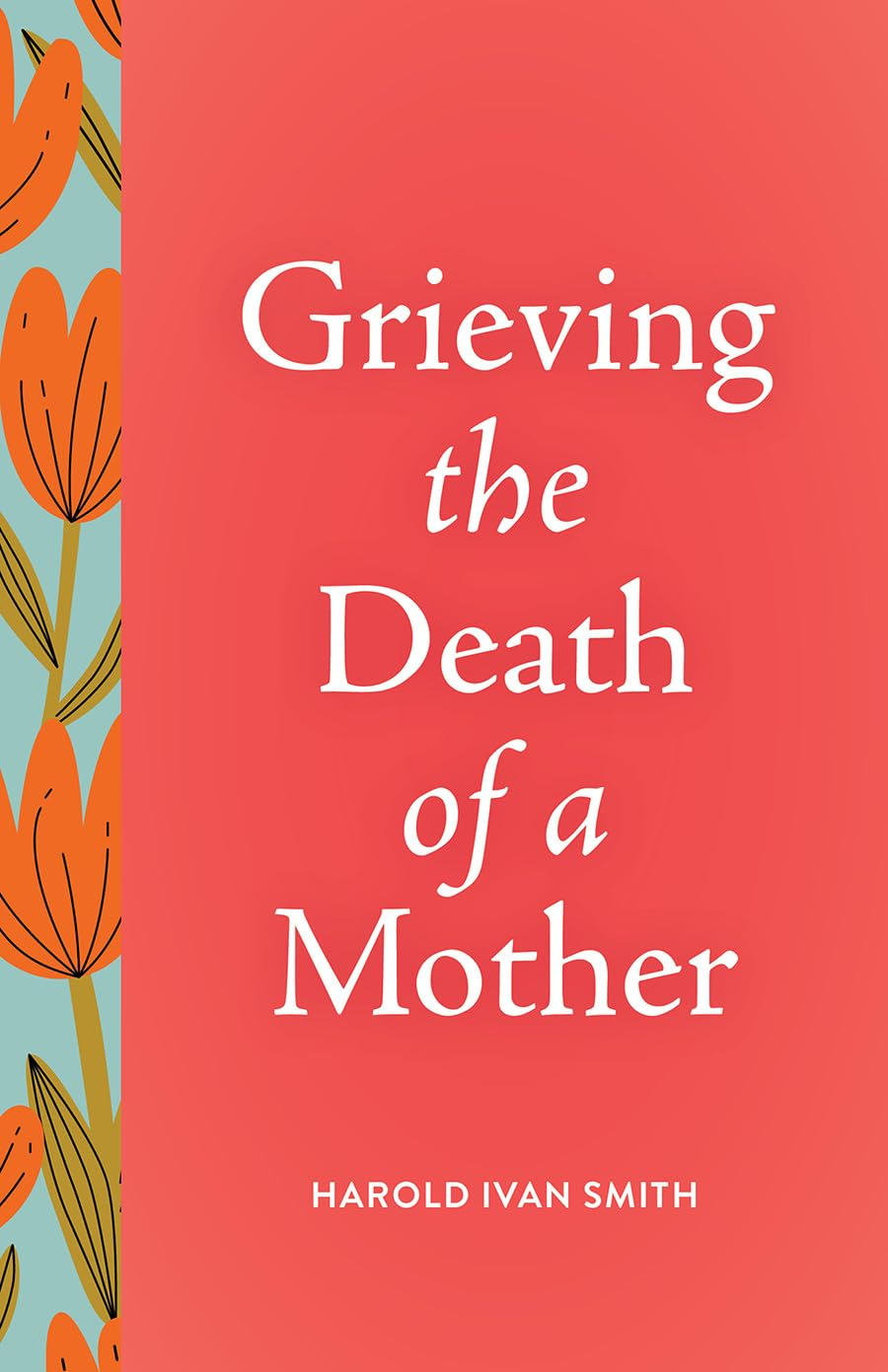
Losing a mother early in life is a difficult transition, as no matter what the status of the relationship (good or not), this is likely the first person you turn to, when going through difficult times.
And if she is no longer there, you may find it harder to cope than most, when needing a sympathetic ear to listen. Of course if you have lost both parents early in life, the hardship emotional pain is doubled.
Losing a mother deprives you of a chief cheerleader. A friend once told me ‘I lost the one person who would love me, no matter what happened in my life. I always knew my mother would be there for me’.
Many grievers are left burdened with unfinished business, apologies that were never verbalised, unexpressed appreciations and unspoken affections.
My friend Carl captured the feelings of many when he said ‘I still needed her. I wasn’t finished growing up yet’. Some mothers serves as the glue that held a fragile family together. Make no mistake. The death of a mother can be one of life’s toughest experiences.
Although I am 54 years old, I am not all ‘grown up’. Just once more I would like to hear ‘Oh, I am so glad you called. I was just thinking about you. Did you have something good to eat today?’
Grieving the Death of a Friend is a book for grief that often is as painful (if not more so, if you don’t have a close family).
Bird is Dead (a simple book on grief for children)

Bird is Dead includes gentle words and images to make death an approachable subject, with illustrations by a therapist-turned-artist.
In a simple but warm way, this picture book of collaged birds can help discussions with children about what happens when someone (or an animal dies), how to understand feelings of grief and how people experience loss differently, when something tragic happens.
Bird is dead. Yesterday he was alive. How do the other birds know? On your back + feet up = dead. Some of the birds cry a little. And that’s alright.
Crying together can be nice. When it’s time to give Bird a funeral, they reminisce about him, and then have tea with worms (or cake, if you don’t like worms).
Winston’s Wish is a charity that offers free accessible online grief support for children and young people up to age 25, who are bereaved or facing the death of someone close to them.