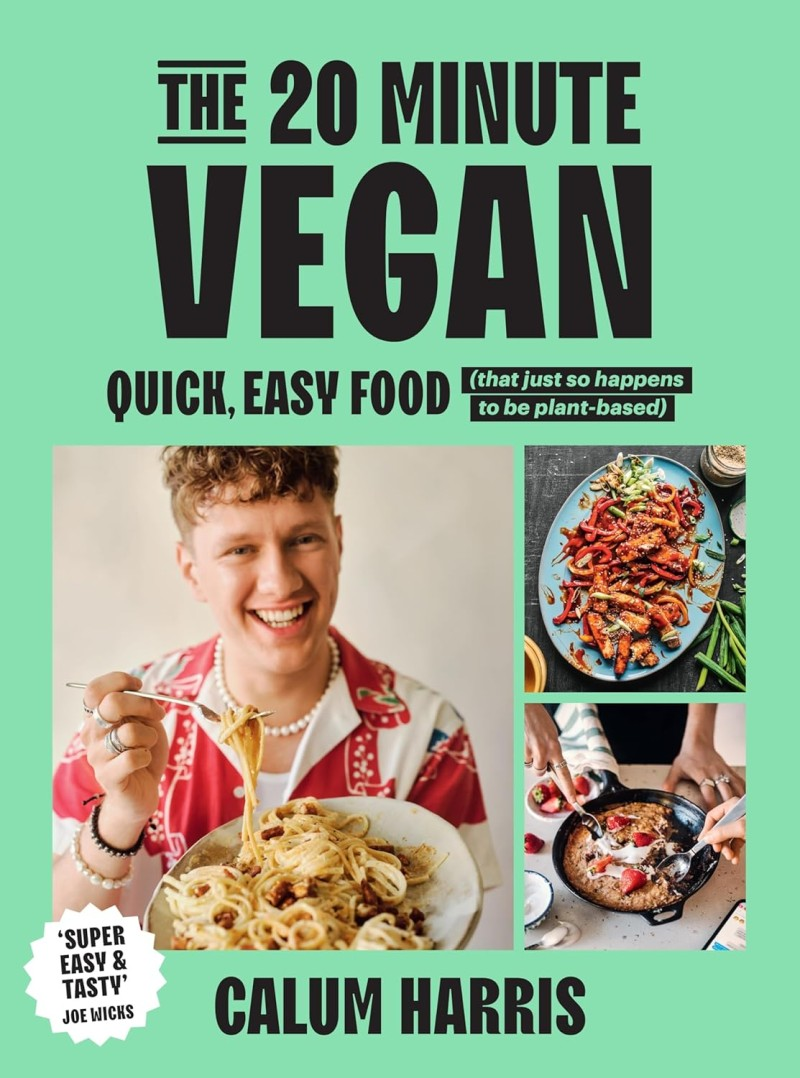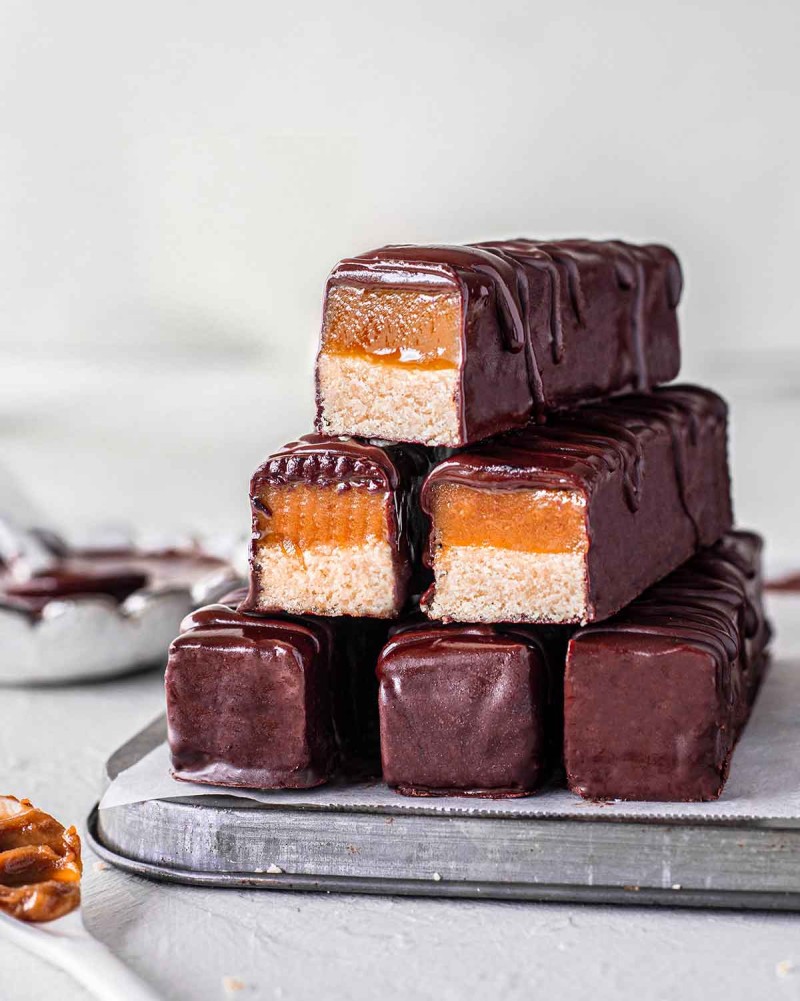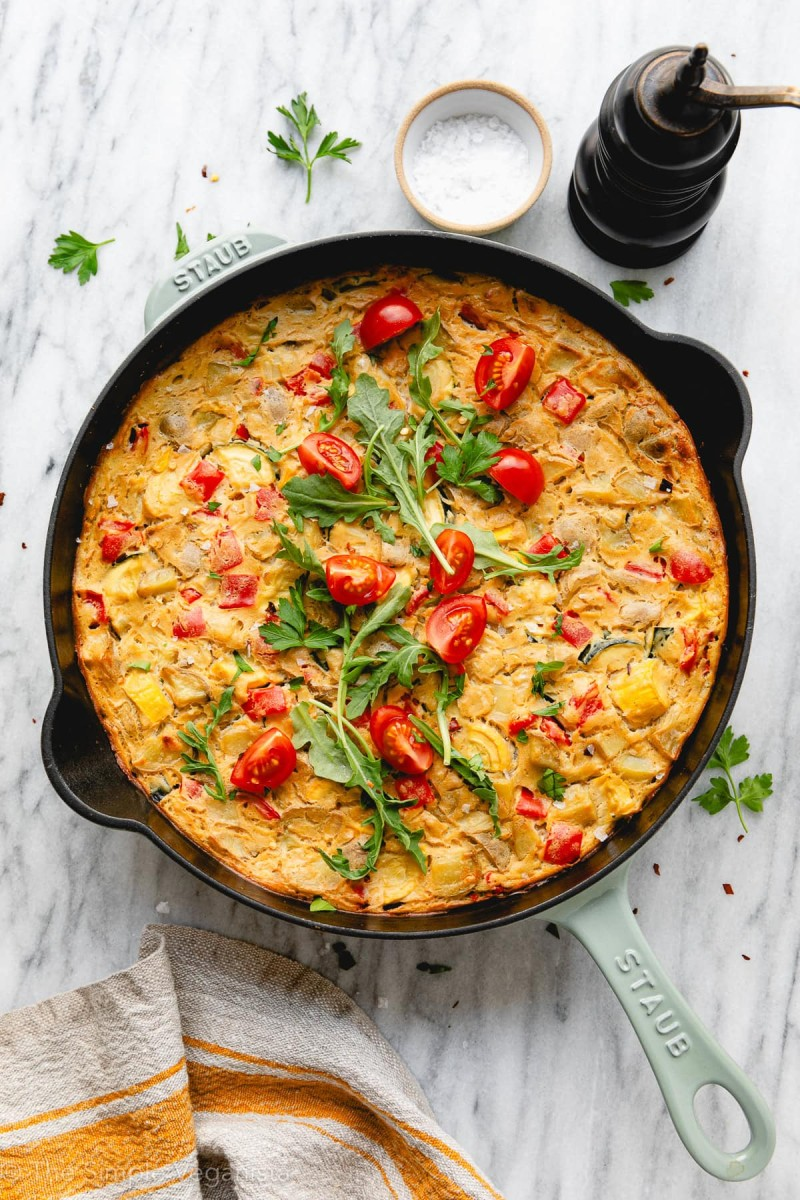
Eat well, live kindly: discover Chickpea magazine
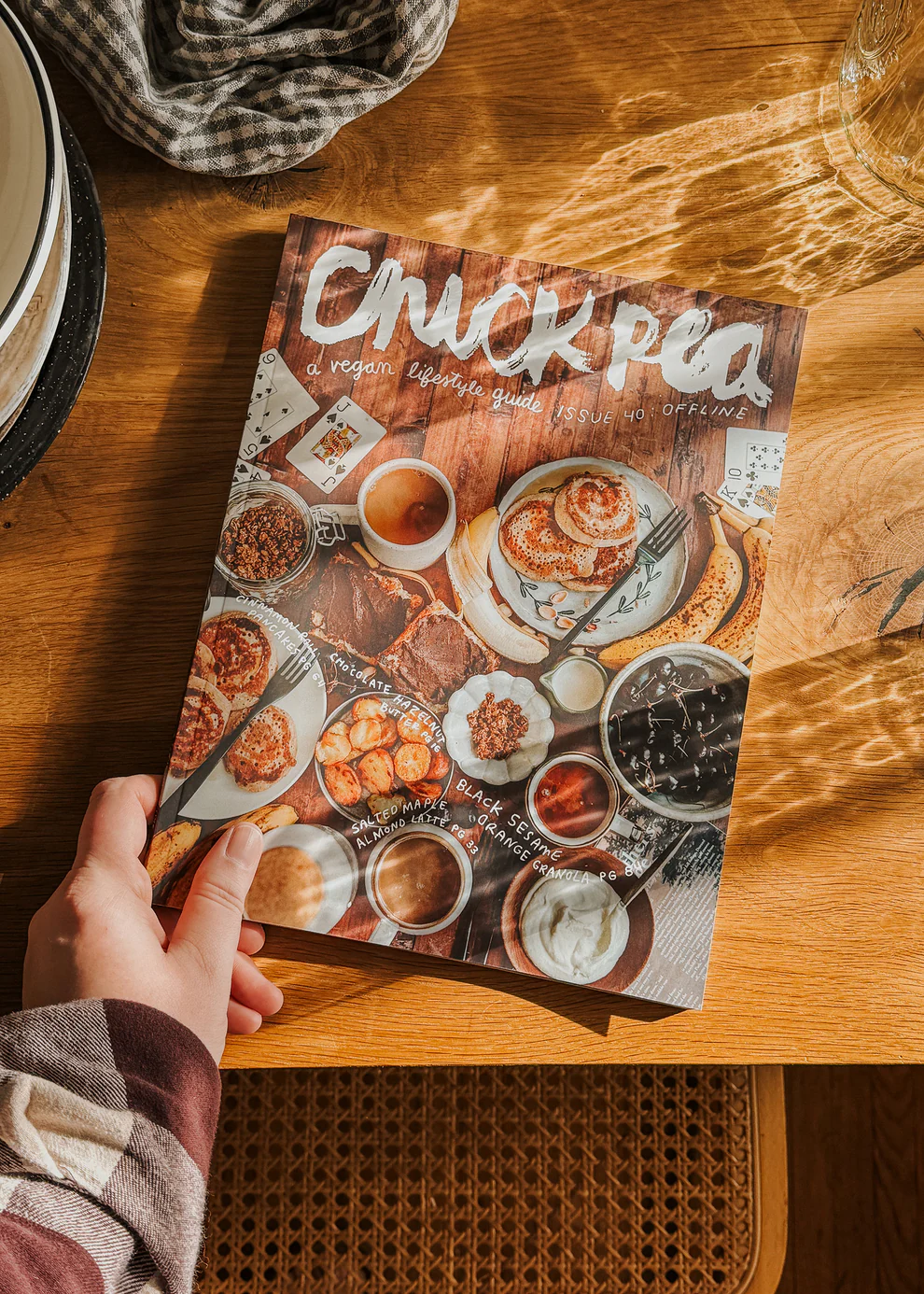
Chickpea magazine is from over the border, but does everything right! There are no ads (this is all about recipes and a sustainable lifestyle). Not recommending endless plastic-wrapped brands.
Managed by a small team of dedicated writers, each issue has a theme. All the pages are packed with quality articles, recipes and photography.
The focus is on wholefood recipes, and the staff are helped by a rotating crew of freelances (images are from independent artists – not stock photography).
You could pair up with others to order issues by post (to cover postage). Or of course digital issues won’t cost you any more than US readers.
- Before cooking, read up on food safety for people and pets.
- Before recycling cans, rinse then remove lids (pop ring-pulls over holes). Then step on upper cans to ‘pinch’ inner rims together, to avoid wildlife getting trapped.
- Unless you have a food waste bin, bin pepper and allium scraps (onion, leeks, garlic, shallots, chives) and citrus/tomato/rhubarb scraps, as acids could harm compost creatures.
What’s inside this magazine?
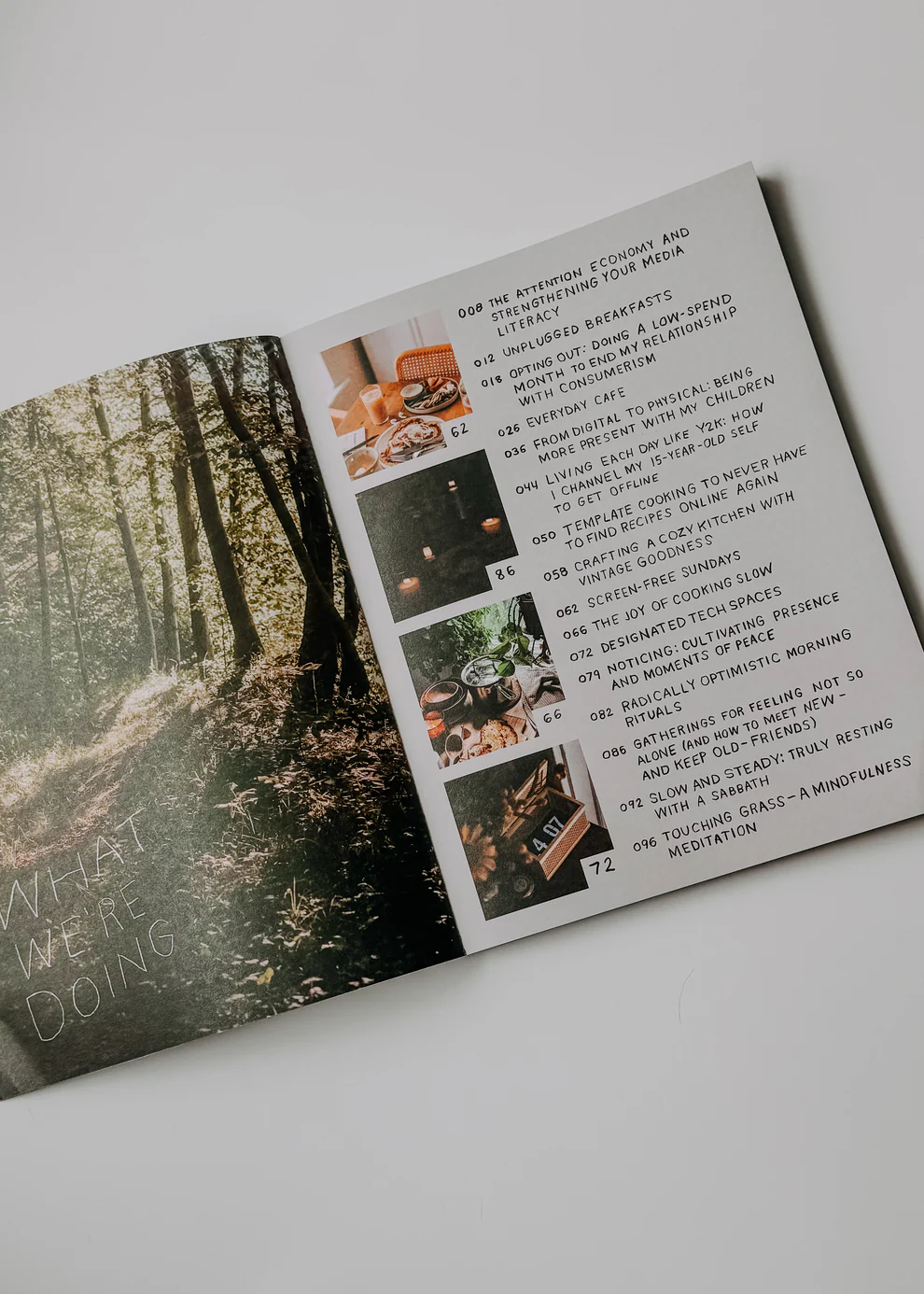
Example themes are low-waste living, ingredient spotlights (oats), how to sharpen a knife, protein from (not boring) beans, sourdough bread renaissance and movie night sleepover recipes. Example articles are:
- Unplugged breakfasts
- Low-spend months to end consumerism
- Screen-free Sundays
- Vegan pot roast recipe
- Cinnamon roll pancakes
You can download a free digital issue on the site. With almost 200 pages including over 20 articles and 80 recipes, with live links for easy navigation.
Join the Chickpea Club and get a monthly email with free bonus content, plus recipes, tips, wallpapers and mini-books and guides, for reach issue’s theme.
More than a food magazine
At first glance, Chickpea may appear to be a food publication. Recipes and cooking naturally play an important role, but the magazine reaches far beyond the kitchen. Food provides a doorway into larger conversations.
What we eat connects us to agriculture, culture, family, history, economics, and the environment. A simple homemade meal can tell a story about a particular place or tradition. An ingredient can introduce us to an unfamiliar cuisine.
A recipe can encourage us to use what we already have instead of buying something new. There is room for experimentation and imperfection.
Cooking as a creative experience
Cooking as a Creative Experience
One of the pleasures of cooking at home is the freedom to experiment.
Recipes are useful starting points, but they do not have to be rigid instructions. A different herb can change the character of a dish. A seasonal vegetable can replace another ingredient. Leftovers can inspire a completely new meal.
Perhaps a bag of lentils becomes the basis for a hearty soup. A few aging vegetables turn into a roasted traybake. Cooked grains become lunch the following day. Fresh herbs transform a simple dish with very little effort.
You begin to trust your senses. You taste as you go. You learn how to balance salt, acidity, sweetness, spice, and texture. Over time, cooking becomes an instinct rather than a chore.
Eating with the seasons
Modern supermarkets allow us to find many ingredients throughout the year, but there is something special about allowing the seasons to influence what we eat.
Spring brings tender greens and fresh herbs. Summer fills markets with tomatoes, berries, courgettes, peppers, and other colorful produce. Autumn brings apples, pumpkins, mushrooms, and root vegetables. Winter invites hearty grains, beans, soups, stews, and warming dishes.
Cooking seasonally can make meals feel connected to time and place. It also encourages variety. Instead of relying on the same ingredients every week, we learn to adapt to what is available.