Europe Preserves Ancient Buildings (better than Engand)
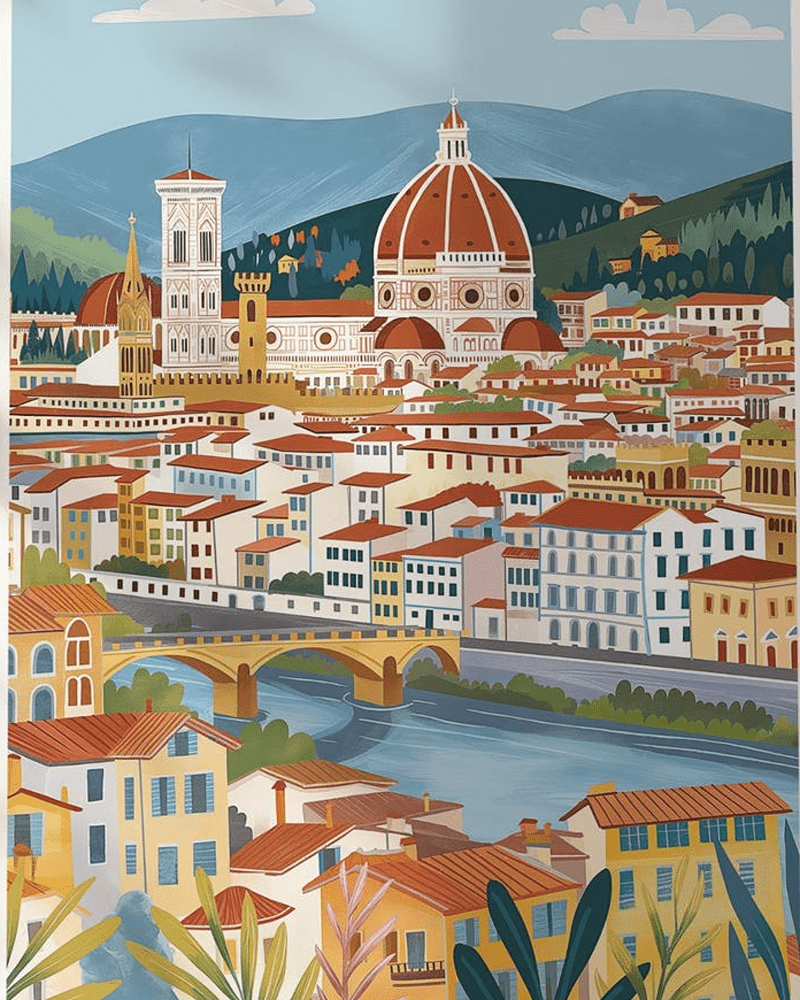
Florence, Ava Lily
Whereas in England, many of our councils often seen knocking down perfectly fine historical beautiful buildings, in most of mainland Europe, this would never happen. Of course if a building is unsafe or a blot on the landscape, this may be different. But whereas most of Europe’s most beautiful cities still preserve their historic architectural masterpieces, often in England the opposite happens.
And often replaces them with ugly monstrosites. Sometimes made from glass. Which (especially when lit up at night) causes more bird strike. Learn how lights-off campaigns and preserving ancient building facades, are just two effective ways to help stop birds flying into windows.
Beautiful Buildings (knocked down)
- The Euston Arch (London) was a beautiful building, built in 1837. It was flattened in 1962 to build a modern alternative, to public outrage. And in fact began the campaign to retain historic buildings in England. Yeas later, a lot of the original stone was found discarded in the River Lea in East London.
- Mappin & Webb Building (London) was a striking Neo-Gothic corner building with pointed arches and delicate stonework. It was torn down in 1994 to be replaced by the postmodern building to replace it. This was only built after a (failed) campaign that lasted years from opponents.
- Blackpool’s Art Deco swimming baths were lost in the late 20th century. These had a rich interesting history, even hosting Johnny Weissmuller (who played Tarzan in films) to swim the entire length of the Derby Baths underwater.
Johnny was such a strong swimmer that he once saved 11 people from drowning after a boat accident, while training for the Chicago marathon. He and his brother repeatedly dived in the water, to save as many people as possible. Then two days later, he still won the race!
How Does Europe Preserve Historic Buildings?

If you visit old cities like Florence, Paris or Budapest, you’ll see that most are home to beautiful ancient buildings that would never be knocked down. The city of Prague is often touted as one of the world’s most beautiful. And (apart from an ugly TV tower that some liken to an electric toothbrush), all the other buildings are ancient and kept beautifully restored.
Most countries in Europe (including Italy, France and Germany) use planning legisation designed around ‘integrated conservation’. This means that there are strict roles on how many high-rise buildings can be built.
This is very evident in the beautiful walkable city of Paris. Apart from the Eiffel Tower, you’ll find hardly any tall buildings. Most are no more than four storeys high, creating arrondissements where people walk to the bakery to buy their daily loaf of bread, then walk to the local park, with no need to drive.
In France and Italy, entire historic urban zones are ‘legally frozen’. There would never be year-long battles to preserve ancient buildings, as planners would never get as far as considering to knock them down.
During World War II, many cities (including Warsaw) were almost entirely bombed and lost their ancient buildings. So it was important when building again, to ensure that the national identity of cities was never lost again.
But in England, heavily-bombed cities like Coventry, Plymouth and even London did not salvage a lot of what was remaining, instead letting those buildings go, to build ugly 60s tower blocks.
Here there are VAT advantages to knocking down old buildings and building new ones. Unlike in the rest of Europe, where the state often covers the cost of restoring historic buildings.
Ancient European Cities Rejecting Overtourism
Whereas in England, many councils want more tourists – abroad not so fast. Florence (one of the world’s most beautiful cities) is now joining many others by trying to retain its beauty for residents, introducing tourism taxes (to pay for cleaning up litter) and banning airbnbs to to discourage short-term lets.
One official noted ‘No museum visit – just a photo then they take the bus to Venice – we don’t want tourists like that’.
How To Preserve Our Historic Buildings
Save Britain’s Heritage has had many campaign successes, including:
- Saving the old railway station used in the TV comedy Dad’s Army from being demolished to make way for a chargeable car park.
- Stopping an 11.5 acre shopping precinct and car park next to the conservationist area, adjacent to one of Norwich’s two beautiful cathedrals.
- Saved a major building on London’s Oxford Street, arguing that doing it up was better than demolishing it to build a new ‘green’ 10-storey building that would release 40,000 tonnes of CO2 into the atmospphere.
- Saved over 400 Victorian terraced homes in Liverpool from being demolished, arguing that they could be done up to provide homes for people on low incomes, rather than demolishing them to build new.
- A present campaign is to stop the £1.5 expansion of London’s Liverpool Street Station, which would demolish large parts of the listed building, and replace the Grade II listed hotel with a 19-storey tower block.
Heritage England can provide information (and sometimes grants from £1K to £500K) for preserving historic buildings. You can also report heritage crimes.