English Urban Wildlife Guide: How to Protect City Nature
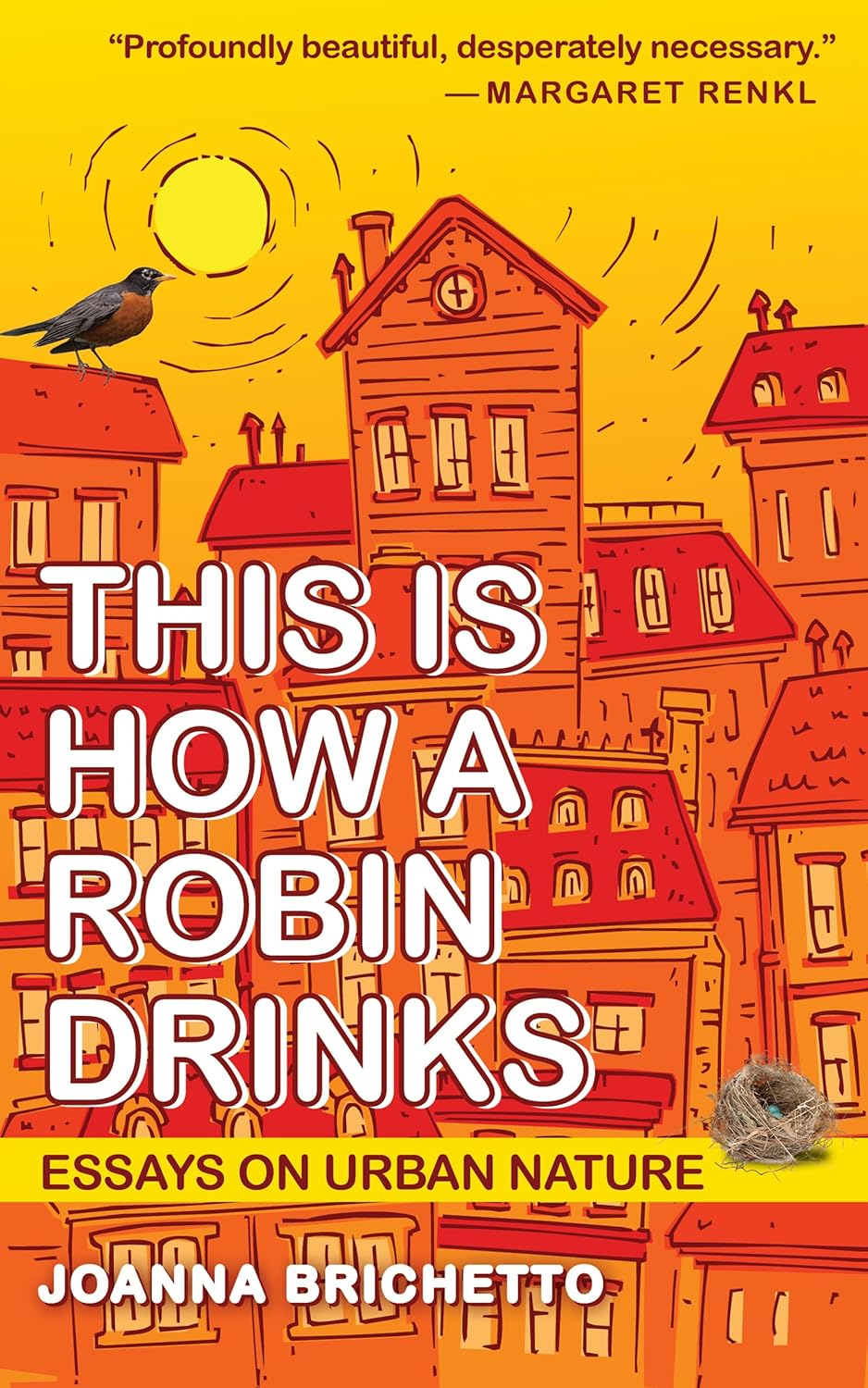
This is How a Robin Works is a unique book by an American naturalist, on how nature is not just in a park or in the wild, but often right outside our door.
Nature can be a jumping spider on the screen, the bug in the shower, or the cluster of ladybirds. It’s the moss on brick (where gutters spill), a sprout in a storm drain, and the trash can lid that that birds bathe in.
The book begins with the author’s recollection as a child of being the only one to notice a dragonfly that had landed on a hat in a goodwill store.
She secretly takes it out to release it, wondering what would have happened, if nobody else had noticed it. And would they have rescued it too?
This ‘late-blooming naturalist with chronic illness’ now spends much of her time exploring the natural world, and encourages us to also have a zealous love for the flora and fauna that surrounds you. This urban almanac is weaved into 52 short lyrical essays, with earthy humour.
Each essay offers a sketch of everyday wonders, focusing on habitat loss. Despite the sadness of a dead sparrow (perhaps due to preventable bird strike) or a dawn chorus that may not make your migraine better (but for sure won’t make it worse), this book celebrates nature by season, just as it is. On the pavement, in the backyard, in the park or in the parking lot.
Joanna is a suburban Thoreau. In essays that can be read as daily meditation, she takes us to pocket parks, dead mall parking lots and concrete canyons in pursuit of little ecological marvels. Georgann Eubanks
She is a gift to the trees, the bees, the bats, the birds and me – as well as anyone else who is looking for microhabitats of hope on a fractured planet. She is my new favourite nature writer. Nancy Lawson
Brichetto’s keen eye wonders about the purpose of dandelions – is a dandelion to blow, or is it (as Thoreau mused) ‘the sun itself in the grass?’ Almost anything alive or dead merits her curiosity, voiced in cocktail party-worthy chatter. Barbara Jacobs
Joanna Brichetto is a certified naturalist, whose essays appear widely in the media. She lives in Nashville, Tennessee (USA).
How to help urban city wildlife
- Make roads safer for wildlife.
- Pigeon Rescue (pick up and hair/string to avoid tangling feet)
- Give seagulls back their seaside homes.
- Help wild foxes. Learn how to protect chickens from predators (same advice for rabbits and guinea pigs – foxes can survive on other foods from fruit to earthworms).
- Read how to how to help your wildlife rescue
- Report wildlife crime to Crimestoppers (anonymous)
Wildlife-friendly urban gardens
- Only cut and prune vegetation from September to February, outside of breeding periods (to help nesting birds).
- Provide wildlife-friendly gardens and ponds (for amphibians)
- Safe havens for garden birds (what not to feed birds and how to buy, site and clean feeders/houses and bird baths – keep cats indoors at dusk/dawn when birds are feeding – avoid ‘climbable’ poles).
- Stop bird strike (switch off unused lights, avoid facing indoor foliage to gardens and place feeders less than 1.5 feet or more than 30 feet away).
If you share your home with animal friends, learn about pet-friendly gardens and use nontoxic humane slug and snail deterrents.
Living with Urban Wildlifeis a book by the late John Bryant, who was England’s best expert on humane wildlife deterrence. He gives practical advice on how to humanely deter squirrels, pigeons and moles, without causing distress.
Books to help urban wildlife
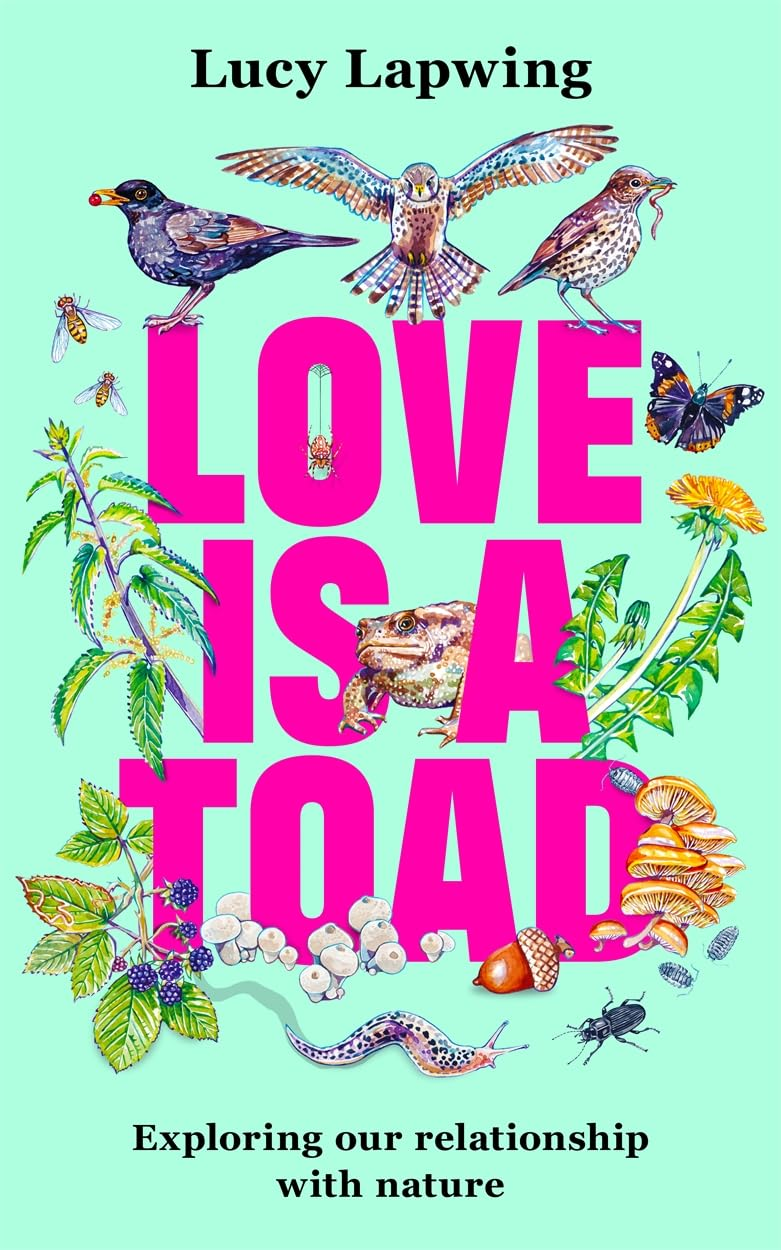
Love is a Toad is a book where the author (whose real name is Lucy Hodson but she’s known as ‘Lucy Lapwing!. In this book she traverses meadows, bogs and hedgerows with fellow nature enthusiasts, to dig down into our relationship with the natural world.
Over a year she meet blackbirds, slugs, dung beetles and toads. From a river swim to wanders through woodlands, she explores how nature makes us feel – from wild grief and anger, to soaring joy and hope. This is a prod at our connection to the natural world, exploring its complexity, in all its muddiness and messiness.
A sample of Lucy’s writing (not from the book)
How anyone can mow a cowslip I don’t understand. These butter-yellow wildflowers are the sunny faces of spring! They cause no harm, nor do they obstruct views on roads, or scratch or sting. Yet we mow them down – it’s heartbreaking. I bend down and pick up a slightly wilting, severed flower, twirling it between my fingers.
A horrible sensation sits in my tummy for the rest of the day. I find myself feeling sad as I drink my brew after lunch. This incident is just one small patch of cowslips, but it’s indicative of a bigger problem. The same can be said for my mood. The amount of time I spend in a state of worry seems to be on the up. Fret is always there, nagging like the incessant itch of a fresh horsefly bite.
Review
Lucy writes about nature the way we actually experience it – messy, moving, funny and deeply human. Love Is a Toad captures the feelings of being outdoors in a way I’ve rarely read before. It made me slow down, look closer, and feel more. Lucy has an extraordinary gift for turning small encounters into moments of wonder. Dr Amir Kahn
Lucy Lapwing grew up in West Lancashire, always fascinated by nature and wildlife. Now a wildlife campaigner, she works behind the scenes on BBC Springwatch. She lives on the Isle of Bute in Scotland.
Lucy has written an excellent post on what she thinks of Scottish environmental policies in her new adopted home. Despite the SNP saying they are ‘green’, she’s inclined to disagree. Saying the manifesto only mentions the word ‘nature’ once, its policy of salmon farms means ‘shoving fish in cages and drenching them in formaldehyde’ and their policy on oil and gas is ‘too wishy-washy’.
Wild City (available on audio for blind readers) is a book that takes us on a fascinating journey into why we should learn to appreciate our fellow urban species, from the badgers of central Brighton to tunnel-dwelling Black Country bats. And even insects on the London Underground that are found nowhere else on earth.
The author shares what we might see (if we only take time to look). And how nature is adapting to human-engineered environments in unexpected and clever ways.
This a lyrical book that invites us to celebrate the natural world that surrounds us. And offers a clear glimpse into the challenges that our fellow species face (both animals and plants) as cities turn to urban sprawl.
The author then offers a compelling manifesto for city wildlife, suggesting how we may take action to protect the often over-looked residents that live alongside us.
Florence Wilkinson is a journalist and filmmaker, who has written for Telegraph Magazine. She is also cofounder of Warblr, an app that recognises any bird by its song.
London in the Wild is a guide to a city with over 15,000 species of flora, fungi and fauna (marsh frogs, hedgehogs, short-eared owls, dragonflies, foxes, stag beetles and pigeons!) London’s 800km of surface railway lines also is home to wildlife. And learn about the daily life of a London tube mouse!
This book is by London Wildlife Trust which has over 1000 volunteers who manage 36 free-to-access nature reserves (you can get married there, with profits helping local creatures). It’s also helping to transform London’s 3 million gardens into mini-nature reserves. Record your sightings to help them monitor welfare of:
- Deer
- Dragonflies and damselflies
- Hedgehogs
- Owls and kestrels
- Glow worms
- Stag beetles
- Water voles
Ring-necked parakeets live wild in London, due to escaping from the pet industry. Native to Africa and Asia, they nest in tree holes in gardens and parks, and can roost in noisy flocks – eating nuts, seeds, berries and fruits.
Books on urban wildlife abroad
Wild Cities looks at how to protect nature, in a world where most people live in urban environments. This is a globe-spanning look at how to bring nature into the places we live – from tiny urban forests in Tokyo to the meandering waters of Munich.
My Wild City is a stunning illustrated tour around the world to meet creatures that share our city spaces, from bears to bats and from penguins to opossums, and learn how they have adapted and thrived.
From New York to Rio de Janeiro and from Berlin to Stockholm. From London to Alexandria and from Singapore to Mumbai. From hawks near shopping streets, snakes slithering through city sewers and also meet ordinary people doing extraordinary things to make wild neighbours feel welcome.
Wild Seattle looks at a city shaped by nature, perched between Puget Sound and the Cascade Mountains, a place where forests live near skyscrapers, salmon swim through urban waterways and bald eagles soar over morning commutes.
Despites its reputation for tech and coffee culture, Seattle is home to an astonishing array of wildlife – from great blue herons stalking the shallows of Lake Washington to harbour seals basking on Elliott Bay’s docks. And this book is your guide to it all, an inspiration of a city that looks after its urban wildlife.
Our Wild Familiars is a dazzling journey into the creatures who have found ingenious ways to survive and thrive in human communities. Environmental disruption, habitat destruction and human population expansion is ravaging formerly wild and untouched habitats, causing wild creatures to come closer.
Now we have the choice to promote a more harmonious existence with bats, crows and (abroad raccoons and even octopus).