
How Tiny Built Villages are Helping Homeless People
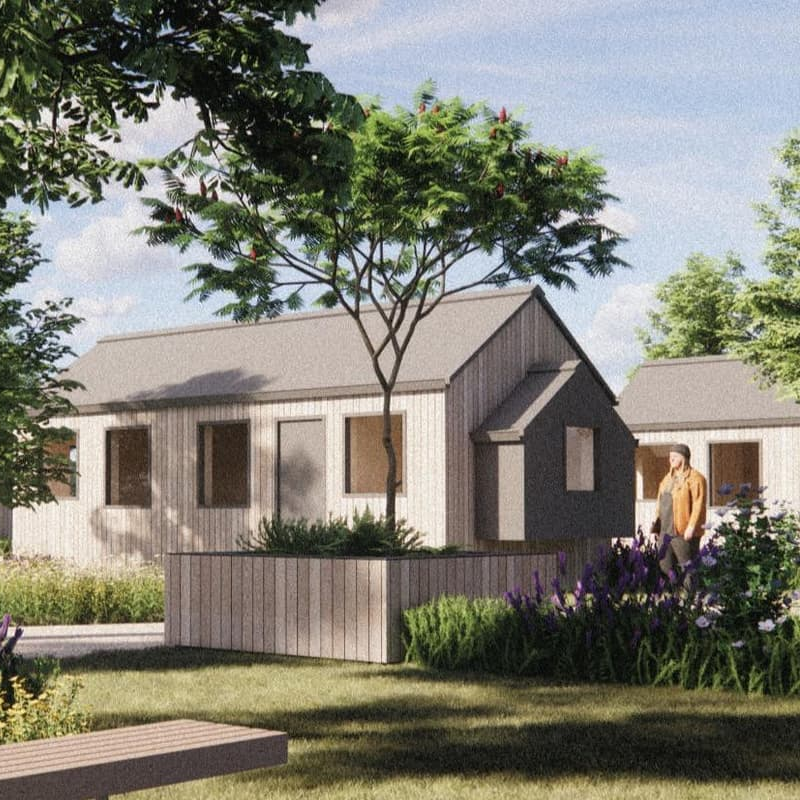
Social Bites village

Social Bite Villages

Homelessness is a complex, multifaceted crisis affecting millions of people worldwide. While traditional shelters and temporary housing provide immediate relief, they often struggle to offer the stability, safety, and community required for long-term recovery.

In recent years, an innovative solution has gained significant traction. Tiny home villages are compassionate micro-communities, which offer more than than just a roof over someone’s head. They are building safe spaces where unhoused individuals can rebuild their lives.

Restoring Dignity Through Personal Space

One of the most significant drawbacks of traditional group shelters is the lack of privacy. Congregate shelters often require individuals to sleep in large, shared rooms with dozens of strangers, which can trigger anxiety, exacerbate mental health conditions, and cause severe sleep deprivation.

Building tiny home villages solves this issue by offering a middle ground between emergency shelter and permanent housing.

  • Sense of Ownership: Having a private room with a lockable door restores a baseline sense of dignity, safety, and autonomy.
  • Pet-Friendly Options: Many standard shelters do not allow pets, forcing people to choose between a warm bed and their companion animals. Villages frequently accommodate pets.
  • Storage and Security: In a private unit, residents can safely store their belongings, personal documents, and clothing without fear of theft.

By giving individuals a safe, quiet space to recharge, tiny home villages provide the stability needed to focus on personal goals and long-term recovery.

Fostering a Strong Supportive Community

Isolation and social disconnection are major factors that contribute to chronic homelessness. Living on the streets often means existing on the margins of society without a reliable support system.

Villages are specifically designed to combat isolation through intentional layout and shared spaces:

  • Central Kitchens & Dining Areas encourage communal meals and organic social interaction.
  • Shared courtyards creates a secure outdoor area for relaxing.
  • Peer-led Governance allows residents to participate in community rules and upkeep, fostering accountability.

When people live in a structured village, they aren’t just receiving shelter—they become part of a neighborhood. This sense of belonging reduces stress and creates peer support networks where residents encourage one another to achieve their goals.

On-Site Access to Support Services

Housing alone is rarely enough to break the cycle of homelessness. Many individuals face underlying challenges, including job loss, mental health struggles, substance use disorders, or physical disabilities.

Tiny home villages stand out because they operate on a Housing First model paired with wrap-around services. Instead of requiring individuals to navigate public transportation and administrative hurdles to get help, services are brought directly to the village.

Key On-Site Resources Often Included:

  • Case Management: Dedicated social workers who assist with job applications, legal ID and housing benefits.
  • Healthcare & Mental Health Services: Visiting nurses, counselors, and addiction recovery specialists who offer regular check-ins.
  • Life Skills Coaching: Workshops on budgeting, cooking, job interviewing, and digital literacy.

Having these resources steps away from a resident’s front door dramatically increases engagement and success rates.

Cost-Effective and Rapid Deployment

Traditional affordable housing developments can take years to approve, fund, and build, often costing hundreds of thousands of dollars per unit. While permanent supportive housing remains the ultimate goal, cities need rapid, scalable solutions today.

Building micro-villages offers a fast, budget-friendly alternative for municipalities and advocacy groups:

  • Lower Construction Costs: Tiny homes can often be prefabricated or built using lower-cost materials, costing a fraction of traditional builds.
  • Speed to Market: A full village can be constructed and operational in a matter of months rather than years.
  • Flexible Land Use: Villages can uuse vacant urban lots, underused church parking lots, or temporarily leased land.

This affordability allows cities to stretch their budgets further, providing immediate shelter to significantly more people in need.

Improving Public Health and Safety

The benefits of shelter villages extend far beyond the residents themselves; they also positively impact the surrounding city and neighborhood.

When unhoused community members transition from unmanaged encampments to structured villages:

  • Public Sanitation Improves: Villages provide reliable access to clean running water, flushing toilets, trash disposal, and handwashing stations, reducing public health risks.
  • Emergency Room Visits Decrease: With regular access to basic care and preventive medicine, residents rely less on emergency rooms for routine health issues, saving public healthcare resources.
  • First Responder Strain is Reduced: Structured environments with site management lead to fewer emergency calls regarding mental health crises or local disturbances.

When designed thoughtfully with strong community outreach, these villages foster better relationships between unhoused populations and nearby residents, creating safer and cleaner neighborhoods for everyone.

Creating a Bridge to Permanent Housing

It is important to view tiny home villages not as a permanent landing spot, but as a crucial bridge toward long-term stability. Living in a village gives individuals the breathing room to stabilize their lives, save money, and address personal challenges without the daily trauma of survival on the streets.

Studies on village-style shelters consistently show high success rates for residents transitioning into permanent housing. By offering safety, community, targeted support, and cost-effective design, building villages transforms the way communities approach homelessness—turning a daunting crisis into a manageable, human-centered journey toward recovery.

Social Bite Villages (sustainable hubs)

Social Bites village

Social Bite Villages are a great idea from over the border in Scotland, to prevent homelessness. There is already one village up-and-running. Run on a franchise model, so communities worldwide can use the same idea.

The two most common forms of temporary accommodation for homeless people in the UK at present are hostels or bed-and-breakfasts. Many are not fit for purpose (cold, damp and often don’t accept pets). And do nothing much to inspire people to turn their lives around. Which requires stabliity, good sleep and food, and help to find training and jobs.

Social Bite Villages are different. Run with local charities and councils, residents can come and go as they please, and live in comfortable accommodation (pets allowed). And receive 24/7 support to deal with any issues, from physical and mental issues, to finding support to find work.

Each village is built on wasteland. And combines 10 to 15 modern sustainable homes with natural light . In a community hub where residents can take nature walks, enrol in workshops and even learn to bake!

The buildings are cheap as they are pre-made fabricated buildings (a bit like park holiday homes). So each ‘nest house’ is ready-made and arrives on site complete with a bedroom, shower room, kitchen and living space.

Residents live in these nest homes for 1 to 2 years, with wraparound support so they can find stability, get well, get proper food and exercise, and train up to a good job, so they can move on to self-financed accommodation. Then the home obviously is freed up for someone else.

And hopefully new friends are also made, to support each other long-term. There are also social walks and bike rides, and even trips to the cinema.

Recovery Village (funding ongoing)

Social Bites village

The planned Recovery Village is to support people with drug addiction, to be built in an area of deprivation (people living in poorer areas are 16 times more likely to die from drug abuse). This is designed to help people who can’t afford to pay for private rehab services.

The idea is for 10 modular sustainable homes to be built, again surrounded by beautiful landscaping. The idea is similar. But this time there will be personalised recovery support, to help people come off drugs and get clean, to turn their lives around in a positive way.

Residents live communally at first, for intensive support. Then when ready, move into independent homes and learn to budget/cook their own food, yet remain connected/supported by the community.

Inspired by a Dundee philanthropist

William ‘Bill’ Sword was a businessman and philanthropist from Dundee, who did a huge amount to help disavantaged people in his local area. And his Trust has now pledged £1.5 million towards building the Recovery Village.

Embassy (a mini-village in Manchester)

Embassy is a Christian charity in Manchester, that helps people break the cycle of homelessness, by providing a home, skills training and wraparound support.

The Village is a community of 41 quality homes with a village hall, workshop, sports pitch, gym and green space. Residents also receive free pastoral care, to work through past traumas.

12 Neighbours (a friendly Canadian community)

12 Neighbours Canada

12 Neighbours is a community in Canada, where homeless people can live dignified lives in small areas of homes built for them. Once moved in, help is given for them to find employment.

12 Neighbours Canada

The private lockable homes give stability. And uniquely, the project is funded by local people (other ‘neighbours’) who invest around $20 a month.

Pallet (emergency shelter villages)

Pallet shelters

Pallet are built also for emergency situations (like natural disasters). But also are being use to house homeless people. These private sleeping cabins can be built in a day, and have lockable doors and access to green space.

How to help homeless people on the street

If you see someone sleeping rough, send a report to StreetLink, whose outreach teams visit rough sleepers at night. To help homeless people find benefits and accommodation (if the person is under 18, call 999).

How homeless people can help themselves

Homeless people can claim benefits, giving the address of a family member/friend, hostel or job centre. This helps to pay for food (and pet food), interview clothes and rent deposits.

People without bank accounts can use the government’s Payment Exception Service to collect benefits from a local post office or PayPoint outlet.

How to help homeless people with dogs

One great way to help is to have local shops use BillyChip, a token that can be given to homeless people, to pay for hot drinks or pets food. This complies with council advice not to give money, and helps also to prevent robbery.

Sign the Big Issue’s Campaign to end the practice of local councils refusing pets in emergency or temporary accommodation, as homeless people then remain on the streets, as they won’t part with their animal companions.

Read more on how to help dogs with homeless people.
Similar Posts