Rethinking Homelessness: The Power of Direct Investment
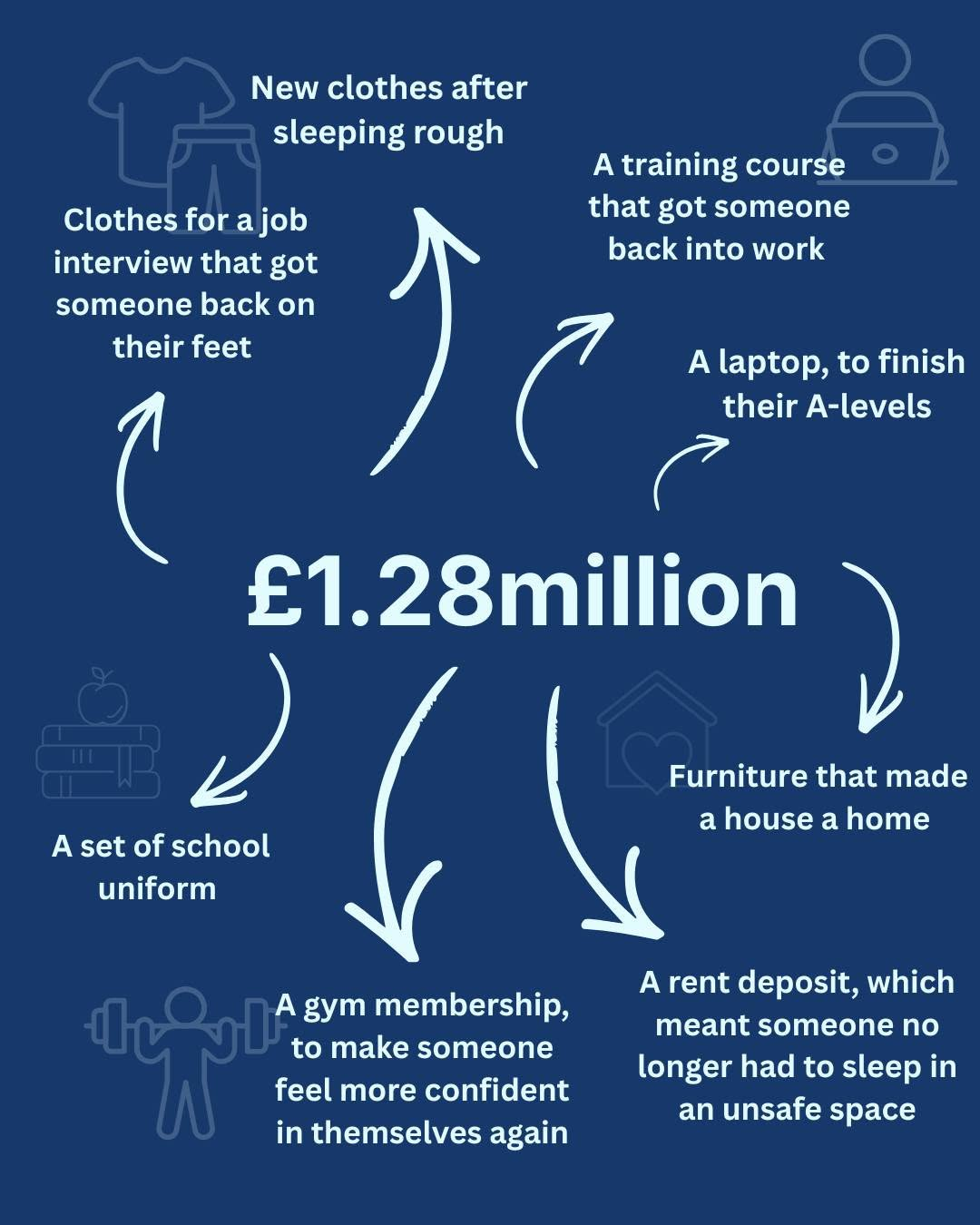
For decades, the standard approach to addressing homelessness has relied heavily on emergency shelters, strict transitional programs, and voucher systems laden with administrative hurdles.
While well-intentioned, these traditional mechanisms often operate on an implicit assumption: that individuals experiencing homelessness are incapable of managing their own financial or housing decisions.
A widespread scepticism surrounds the concept of giving cash directly to unhoused individuals. Critics often express concern that money will be misspent on temptation goods, such as alcohol or drugs. However, rigorous pilot studies across the globe consistently debunk this myth.
In a landmark study conducted by the Foundations for Social Change in partnership with the University of British Columbia, 50 individuals experiencing homelessness were given a one-time unconditional cash transfer of $7,500 (CAD). The outcomes were thoroughly tracked alongside a control group:
- Financial Management: Participants spent the majority of funds on essential needs—rent, food, clothing, transit, and bill payments.
- Reduced Temptation Spending: Researchers observed no increase in spending on alcohol, tobacco, or illicit substances.
- Net Savings: By spending fewer days in the shelter system, cash recipients saved the public social safety system more than the amount of the cash grant itself.
Greater Change (personal cash grants)
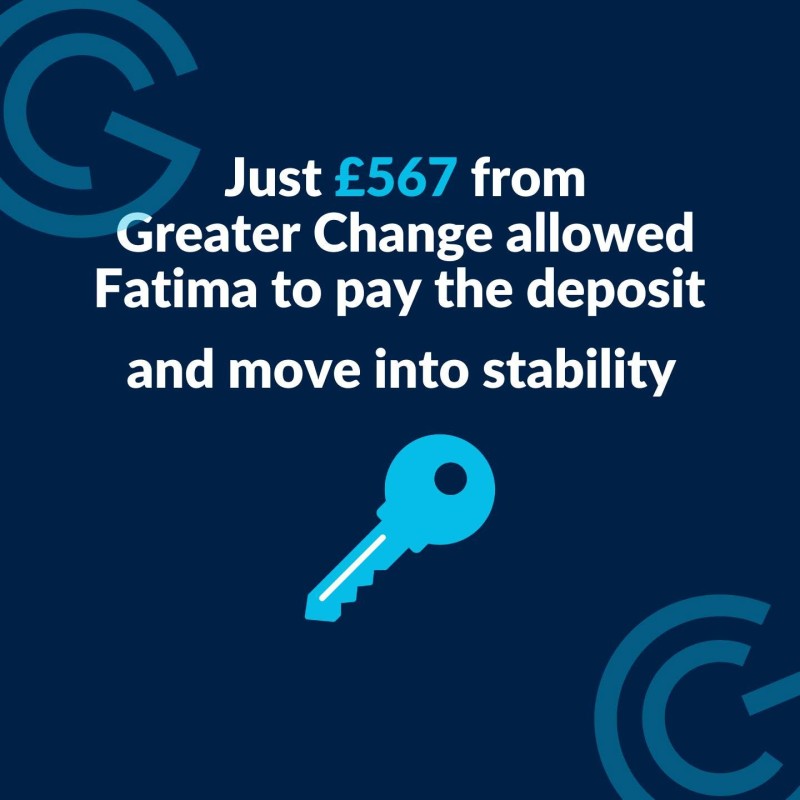
Greater Change is a super idea. Its a way to ‘give smarter’. Instead of just giving money to buy a Gregg’s pasty, your online donations are used to fund long-term investment in a homeless person.
People are referred by non-profits to help pay for:
- Deposits for accommodation
- Washing machines and sofas
- ID cards and training to get a job
The organisation tailors grants to help. For instance, recent ones include:
- Paying for forklift truckdriving lessons, so the homeless recipient could get the certification to work a good job.
- Paying for support stockings, so someone presently in pain could continue to work as a security guard.
How does Greater Change impact lives?
So far, the organisation has helped over 2500 move from homeless to stable homes. This can be from paying for deposits, to fitting out ’empty shell’ accommodation with furniture.
One formerly homeless man who lived in a tent, now has a property. So his son is able to visit him on a regular basis, which could not happened before.
Who founded Greater Change?
Two friends who met at Oxford University, who were taken aback at the amount of people they saw sleeping on the streets of the city. They volunteered at a local shelter, and discovered that despite being a wealthy country, most homeless people are stuck in temporary accommodation fo years.
Mostly due to lack of money for a deposit and funds for bedding and furniture. The average donation of around £850 can pay to give someone a permanent home and address, where they can cook their own food and find stability, in order to study or work to find a good job.
How Greater Change saves government funds
Investing in a homeless person can save councils up to £20K a year per homeless person, as they don’t have to fund temporary accommodation in hotels, bed-and-breakfasts or hostels.
That money is then freed up, to do good in local communities.
Green Pastures (investing in homeless people)

Green Pastures is a Christian organisation, set up in Southport 26 years ago. This is also a great idea. It’s basically an ethical investment firm.
But instead of investing on the stock market, you invest here. They use the money to buy properties, that are then used to house homeless people.
They get their lives together, and you get profits (hopefully!) as the price of the property goes up. And if not, you’ve still done something to help. And as a property, it’s unlikely (unlike betting on the stock market) that all your money will go up in smoke!
It has so far helped over 1500 people, and works with over 100 local Christian organistions who invest a collective £49 million. You can invest from £1000, and earn interest of up to 5% each year. On average, every £30K invested helps them house someone in need.
How To Help Homeless People on the Street
If you see someone sleeping rough, send a report to StreetLink, whose outreach teams visit rough sleepers at night. To help homeless people find benefits and accommodation (if the person is under 18, call 999).
How Homeless People Can Help Themselves
Homeless people can claim benefits, giving the address of a family member/friend, hostel or job centre. This helps to pay for food (and pet food), interview clothes and rent deposits.
People without bank accounts can use the government’s Payment Exception Service to collect benefits from a local post office or PayPoint outlet.
How to Help Homeless People with Dogs
One great way to help is to have local shops use BillyChip, a token that can be given to homeless people, to pay for hot drinks or pets food. This complies with council advice not to give money, and helps also to prevent robbery.
Read more on how to help dogs with homeless people.