Quit Mindless TV: Reclaim Your Free Time
Quitting mindless TV is not the same as enjoying a vintage film or comedy on a rainy afternoon. Some TV can actually be good! But for the most part, most TV today is bilge: nasty politics, shows that encourage bullying, things to traumatise you, or channels to try to sell you rubbish you don’t need.
Even the ads can be annoying or upsetting (fund small charities doing good, rather than just get upset by ads that are using charity funds to pay TV companies thousands of pounds or dollars).
Watching rolling news is not going to help anyone (it will just give you a breakdown). Even programmes that are not nasty tend to be boring (quiz shows fixated on money etc). Mastermind is now so dumb-downed that a recent question was ‘Which animal goes woof-woof?’
Nothing on TV? Alternative ideas!
If you can’t think of anything else to do (bar watching the box), you’re a TV addict! Here are a few alternative ideas to spend your life. Some suggest arranging lounge furniture in an L-shape around a coffee table. You can still see the TV, but this layout encourages good conversation or reading, rather than staring at a box.
Doesn’t everything die at last, and too soon? Tell me. What is it that you plan to do with your one wild and precious life? Mary Oliver
- Read a good book
- Take a course to learn something
- Relax in the garden
- Play with pets
- Go for a walk
- Go for a swim
- Visit the cinema
- Visit the pub
- Have a self-massage
- Go for a coffee
- Volunteer
- Go for a run
- Visit an art gallery
- Visit a museum
- Hike a mountain
- Write your CV
- Write a poem
- Go to a music concert
- Go to church
- Ride your bicycle
- Search for a nicer job
- Visit the local park
- Clear the clutter
- Decorate your house
- Fix things that need fixing!
- Organise your paper work
- Catch up on your sleep
- Go for a game of tennis
- Learn to paint watercolours
- Watch the sunrise (or sunset)
- Cook a nice meal
- Visit a nearby town
- Give blood
- Write a letter
- Visit relatives
- Call a friend
- Do a litter clean-up
- Go to church
Talking Pictures TV (and other good channels)
Talking Pictures is a great little channel, that’s free to air. And plays lots of old films from the 40s and 50s. When the world appears to be a much kinder place. The film Brighton Rock by Grahame Greene was made into a film starring the brother of Sir David Attenborough. And more recent series like Maigret.
Not every TV channel pushes drama or negativity. Channels like Together TV focus on stories that help you feel good and spotlight real community spirit. Together TV offers shows about gardening, healthy living, and people turning small ideas into something great. No fighting, no shaming, just honest and interesting stories.
For cooking programs, read about food safety for people & pets. For gardening, read about pet-friendly gardens (avoid facing indoor plants to gardens, to help stop birds flying into windows).
Animal welfare concerns on TV programs
In recent years, there has been great concern over the popularity of TV programs like I’m a Celebrity, Get Me Out of Here. Where contestants eat live insects (food for other creatures in nature) for ‘entertainment’.
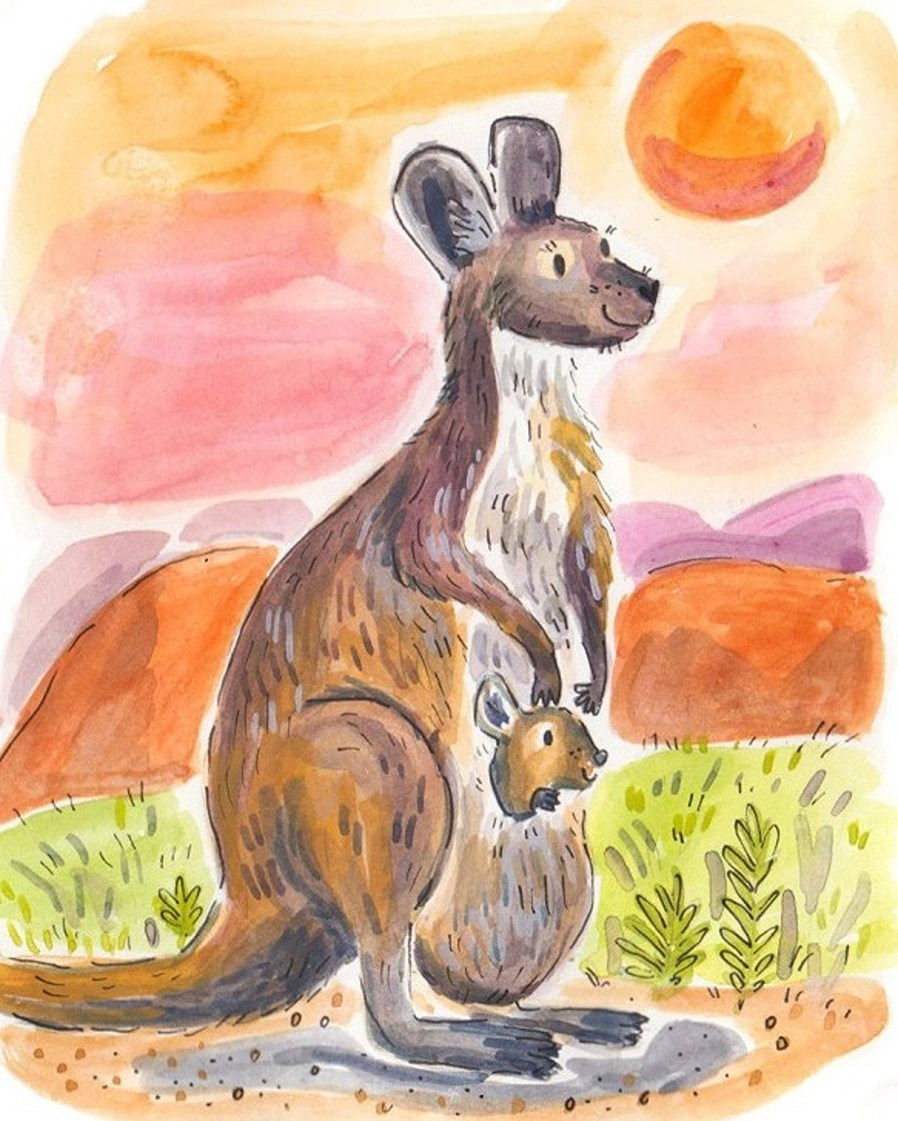
Do you remember that lovely tall rescuer of kangaroos from Alice Springs? He raises joeys who have lost their mothers, feeding them at night in make-shift pouches made from pillowcases. To release them back to the wild.
Their mothers have been not just been killed by road accidents, but often due to hunting. And the ‘kangaroo penis’ that everyone laughs about contestants eating, may well belong to the father of one of the little charges of Brolga and his wife.
Each year, Ofcom receives thousands of complaints about the show.
Circuses have gone, dancing bears have gone, cock-and-dog fighting are the sad preserve of psychopathic criminals. We have no performing dolphins and no chimpanzees dressed up for tea time. The cruel exploitation of wildlife for gratuitous entertainment, continues to damage the reputation of a ‘nation of animal lovers’. Chris Packham’s open letter to the producers
Although ITV states that it ‘complies with the laws of Australia’s RSPCA’, the UK RSPCA is concerned, and has frequently asked producers to stop harming creatures, in the name of raising the profile of has-been politicians.
RSPCA has also raised concerns about many of the creatures featured in the program, being frequently chased, dropped or living in overcrowded conditions. And gives the message that insects are of no value. In facts insects are vital to ecosystems, and one of the most important species on our planet.
Recently there were huge complaints about another TV program hosted by Ant and Dec, after they take their ‘squeamish’ friend Stephen Mulhern to South Korea. He is asked to touch a live traumatised octopus in a wet market. In the name of ‘fun’. And yet ITV has commissioned more series.
Money could be spent to help animals
ITV often pays huge amounts of money to ‘secure’ contestants for the show (disgraced MP Matt Hancock was paid £350,000). Nigel Farage was paid £1.4 million to appear on the show.
The charity World Animal Protection gives information on how this amount of money could instead be used:
- Put pressure on world leaders to end the global wildlife trade.
- Stop big cats being exploited for trophy hunting (remember Cecil the lion?)
- Power campaigns to end cruel treatment of elephants for tourism
- Maintain and refurbish sanctuaries for bears rescued from the bile industry
- Improve public awareness on why to avoid tourist aquariums.
- Fund work with governments and food producers to end factory farming.
In England, it’s now illegal to hunt foxes or produce fur or foie gras, yet still one of the most popular TV shows involves harming animals for ‘entertainment’.
When panicked contestants are crawling through mazes with insects, spiders and snakes all around them, and having uncontrollable reactions like shaking, flicking hands and moving carelessly, it’s impossible that none of the animals are harmed. Is festive television the forgotten bloodsport? Surge Activism
Other animal welfare TV show concerns
It’s lovely to watch a program on animals, but we have to be careful not to let the media overrun programs, when sometimes the information is not helpful.
For example, although the programs are presented by nice people, experienced dog trainers are concerned over ‘celebrity dog training TV series’ as some use outdated methods like choke chains, which have injury risks, and also would not work for the average person.
Having reality programs with ‘entertaining pets’ may be okay for some creatures. But many are terrified by all the bright lights and screening.
Cooking and baking programs are popular. But are the ingredients being used from free-range animals? Nobody knows, same with cooking shows.
Simon Cowell (not that one) who founded Wildlife Aid, was appalled at TV shows that disturbed wildlife, for entertainment. He only approached creatures to help them often being attacked in the process – he was bitten by hedgehogs, gored by deer and had an owl’s talons embedded in his scalp).
But that was because he was involved in wildlife rescue. He was firm that wild creatures should be left alone, unless they need help.
Good Options to Replace the BBC TV Licence

Many countries abroad have got rid of the TV licence altogether, and just incorporated it into general taxation (The Netherlands, France, Norway, Sweden, Denmark and Finland).
Winfried Baijens (above) is a Dutch news presenter. Because there is no TV licence in The Netherlands, he (like all presenters) gets paid a good salary, but capped to earn no more than government ministers. So he earns a good living, but not ‘silly money’ like UK presenters funded by licence fee payers.
The UK TV licence is pretty controversial these days, because not only it is very expensive, but also many people hardly watch terrestial TV. It seems unfair if someone watches other programs to be charged, especially when BBC programs have massively gone down in quality in recent years.
It’s less David Attenborough documentaries and more lazy repeated programs of quiz shows, home makeovers and shouting presenters.
How much is the BBC licence fee?
At time of writing, a standard licence for a colour TV costs £180 a year (and a black-and-white licence is £60.50). Even if you never watch the BBC, you still need one to watch programs live on any channel (ITV, Channel 4) plus streaming platforms like You Tube, Netflix and Amazon Prime Video.
And all content (live or not) on BBC iPlayer. This law applies to all devices including smart TVs, laptops, smartphones, tablets and games consoles.
You don’t however need a licence to watch on-demand programs on other channels, and people over 75 (or who receive Pension Credit) are entitled to free licences. Residents in care homes pay a reduced fee of £7.50.
Penalties are large, a court fine of £1000. It’s not true that you can be put in prison for not paying your licence. But you can if you don’t pay it, as it’s seen as ‘contempt of court’. Yet dangerous criminals are released early?
If you don’t watch any live/streaming channels or BBC iPlayer, you can legally cancel your TV licence and receive a partial refund.
The culture secretary has recently announced plans to extend the licence fee to some streaming on other channels. It seems that any which way, the BBC is determined to take your money.
Recently, the number of TV licences fell by 500,000 in just one year. The argument to keep it is always that it does not want to show ads. But BBC News and other channels are always ‘taking breaks’ to show trailers of other programs or to publicise themselves, so it’s not much different.
Listen to a good indie radio show instead!

Althouhg 94% of people in the UK watch TV, only 80% have a licence, as many are often angry at paying so much money for poor quality TV. Alternatives like LBC’s James O’Brien show are far more popular (only a few ads, and his 3-hour talk show that holds MPs and climate change deniers to account) is way better than any radio phone-in on BBC channels.
Recently a man who makes roller blinds phoned in during the heatwave, letting listeners know that Shade It has all the information you need to reduce heat in buildings. A fountain of knowledge, James was so impressed he said ‘We’re not the BBC, let us know your company!’ The BBC would not allow this, yet this man is saving people’s lives, by showing people how to make their homes cooler.
And instead of being ‘impartial’ and pandering to climate-denying MPs, he goes full throttle in exposing those who seek to deny climate change, and talks daily of its consequences. It’s a brilliant listen.
Recently when some other radio presenters were complaining about schools shutting down due to the heat, he said on radio: ‘Some who previously doubted climate science, now criticise children for being too hot’.
Why the BBC TV license law is bonkers
If you have low vision, the BBC won’t give you a free licence. But if you are registered blind, you only get a 50% discount on your TV licence. So it costs around £90. But get this – they offer a discount to bring it down to £30 if the TV is black-and-white!
If someone is blind, they don’t know if the TV is colour or black-and-white. So why on earth are blind people being charged £60 more if they have a colour TV? No wonder people are campaigning to replace this archaic scheme with a subscription service.