Reclaiming your life: finding help for alcohol addiction
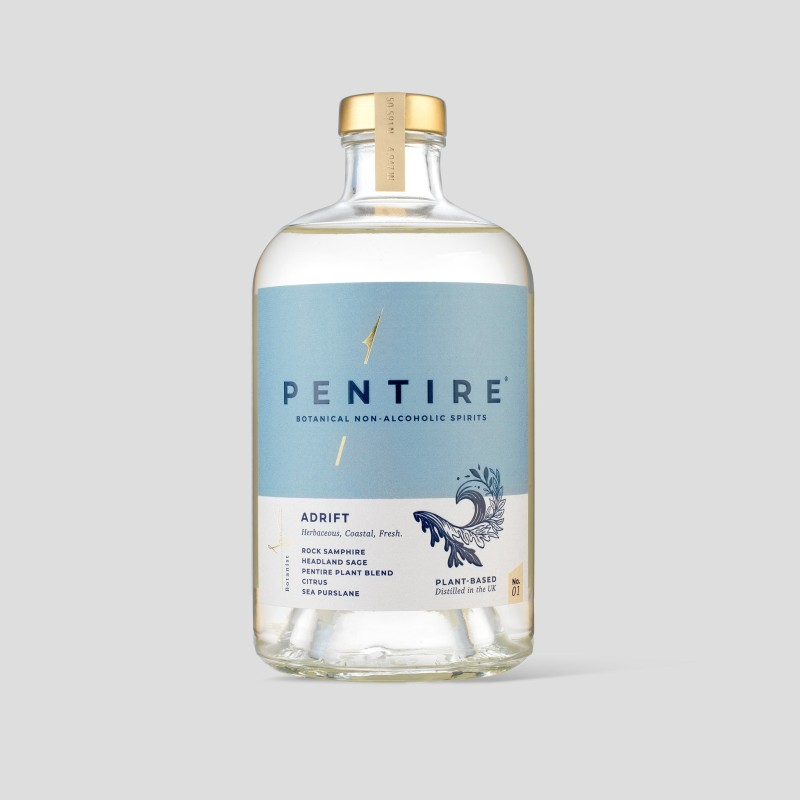
Many people enjoy a boozy tipple, but some would prefer to drink less (or no) alcohol. No drink can be called zero alcohol really, as even fruit and bread have a little booze. So usually it’s something along the lines of 0.5% that is classed as no-alcohol (your body processed the alcohol too fast, to become blootered!)
Then there are people who can’t drink, due to being the designated driver. Our laws in England are pretty lenient compared to some (in Hungary, Romania, Slovakia, the Czech Republic and Estonia, you can’t drink any alcohol at all before getting behind the wheel).
England is considering making laws stricter to mimic Scotland, whereas Reform UK are against this policy, saying it will ‘hammer rural pubs’. What would help rural pubs is for them to offer good low-alcohol and no-alcohol options and provide better public transport (instead of being obsessed by car transport).
Most no-alcohol spirits are mixed with tonic water, and quinine should be avoided for some medical conditions (and pregnancy/nursing). Also check medication before consuming grapefruit or rhubarb tonic waters. Keep citrus fruit garnishes away from pets.
For glass bottles, cork is too dense to compost, so recycle at off licenses or send off in bulk to Recorked (don’t leave them lying around, they are choking hazards).
Before recycling cans, rinse then pop ring-pulls over holes. Then use your fingers/thumb to ‘pinch’ inner rims together, to avoid wildlife getting trapped.
Together Health B Complex contains all 8 essential B vitamins, plus folic acid and B12 ,with vitamin C from amla.
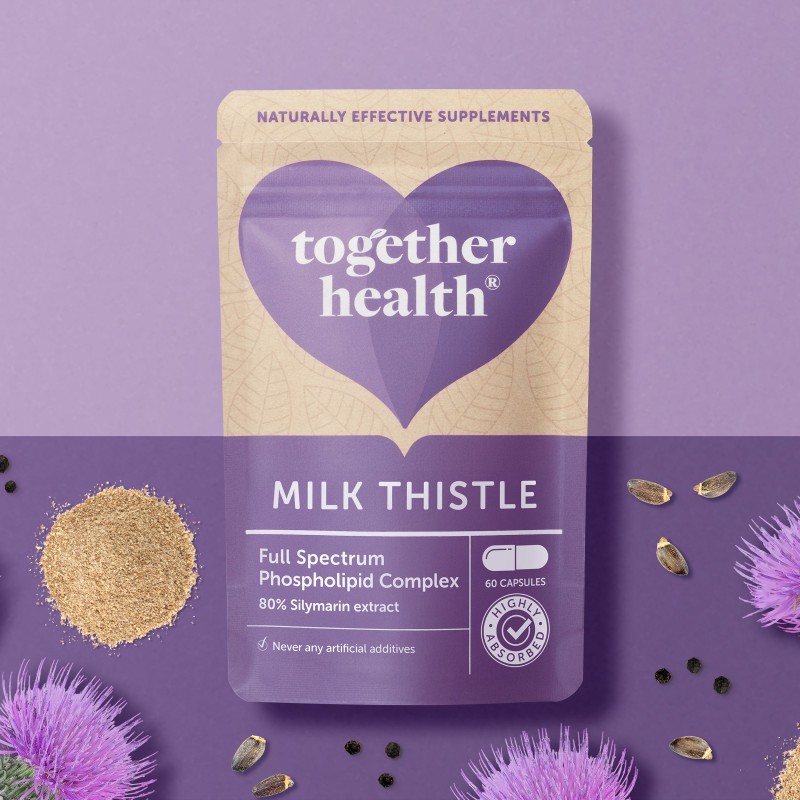
Together Health Milk Thistle is a quality supplement that is often used for people to help repair their livers after alcohol issues or for people with inflamed or non-alcoholic fatty liver disease. It’s also sometimes used to slow down damage for people with cirrhosis or hepatitis, and can help to lower blood glucose levels and improve insulin sensitivity in people with type-2 diabetes.
This features highly-concentrated full-spectrum extract and piperine (black pepper extract) to improve absorption by up to 365%. This version is better than cheap ones that don’t dissolve well in water or digestive fluids, so often are broken down by the liver before they can be used.
Always check with GP if pregnant/nursing or taking medication, before using supplements (milk thistle could interact with medicines, including for alcoholics). Read more on help for alcohol addiction.
The capsules are made from plant cellulose from the Pinus Elliottii tree, and can be separated and the contents mixed with food or drink if preferred.
The supplements are sold in easy to recycle pouches that are plastic-free and contain a protective film made from wood pulp. All layers are home compostible.
Subscribe online for big savings, and get double rewards cash on orders, you can pause or cancel anytime.
Do you drink too much booze?
The advice regarding how much alcohol to consume safely is confusing. So here is a super-simple guide to make it easy for you, without complicated ‘units’.
In a nutshell, the average healthy adult can consume safely:
- 1 pint of beer or 1 glass of wine each day (one day alcohol-free)
- 2 measures of spirits daily (again one day alcohol-free)
Note this is either/or (not all at once!)
So in plain English (you can mix and match these):
In a week have no more than:
- 6 pints of beer or
- 6 glasses of wine or
- 14 measures spirits
Of course if you are having low-alcohol or no-alcohol alternatives, you can drink more. And that’s where the following spirits are also helpful.
Are no-alcohol spirits safe with driving?
The police say ideally have zero alcohol before driving. To help stop 200 people killed each year on our roads, due to alcohol-related accidents. The legal limit in Sweden is far tougher and Hungary, Romania, Slovakia and Czech Republic have zero tolerance.
It’s difficult to gauge how much alcohol is ‘safe’ because you won’t be doing the maths of calculating units, and it also depends on a person’s sex, height, weight and if a person is dehydrated or taking medication.
If you do drink, the police suggest waiting at least an hour for each unit consumed (time is the only way to rid alcohol from your body – coffee, food or sleep don’t).
For example, if you drink 3 pints of lager or one bottle of wine at midnight, you’ll not be ‘sober’ until at least 9am the next morning.
- The NHS offers a network of clinics and experts who focus on recovery. Depending on where you live, this might include drop-in centres or specialist outreach teams.
- Home Detox for Alcohol program was developed by recovering addicts, and offers an alternative to residential care, if you prefer to get better privately. It uses medically-qualified staff who can recommend you see GPs if you need medication to come off alcohol.
- AA has been around since the 1930s and runs free, local meetings across the UK. Meetings are friendly, confidential, and open to anyone who wants to try giving up drinking. There’s no pressure to speak if you don’t want to, and you can attend as often as you like.
- Find free or subsidised talking therapies through the NHS. Counsellors, therapists, and psychologists work with you to understand why drinking has become a problem, and help develop new ways to cope with life’s stresses.
- Family and friends can also join support groups of their own, like Al-Anon.
- Online, get help from Drinkaware and Soberistas. You’ll find daily check-ins, progress trackers and tips for coping with triggers.