From Bamboo to Better: Cheeky Panda kitchen roll
Kitchen roll is one of those everyday essentials that quietly gets on with its job. A splash on the worktop, a coffee spill, muddy marks, sticky fingers or a cooking mishap, and suddenly you are reaching for another sheet.
But when we use something as frequently as kitchen roll, it is worth asking a bigger question: what is it made from?
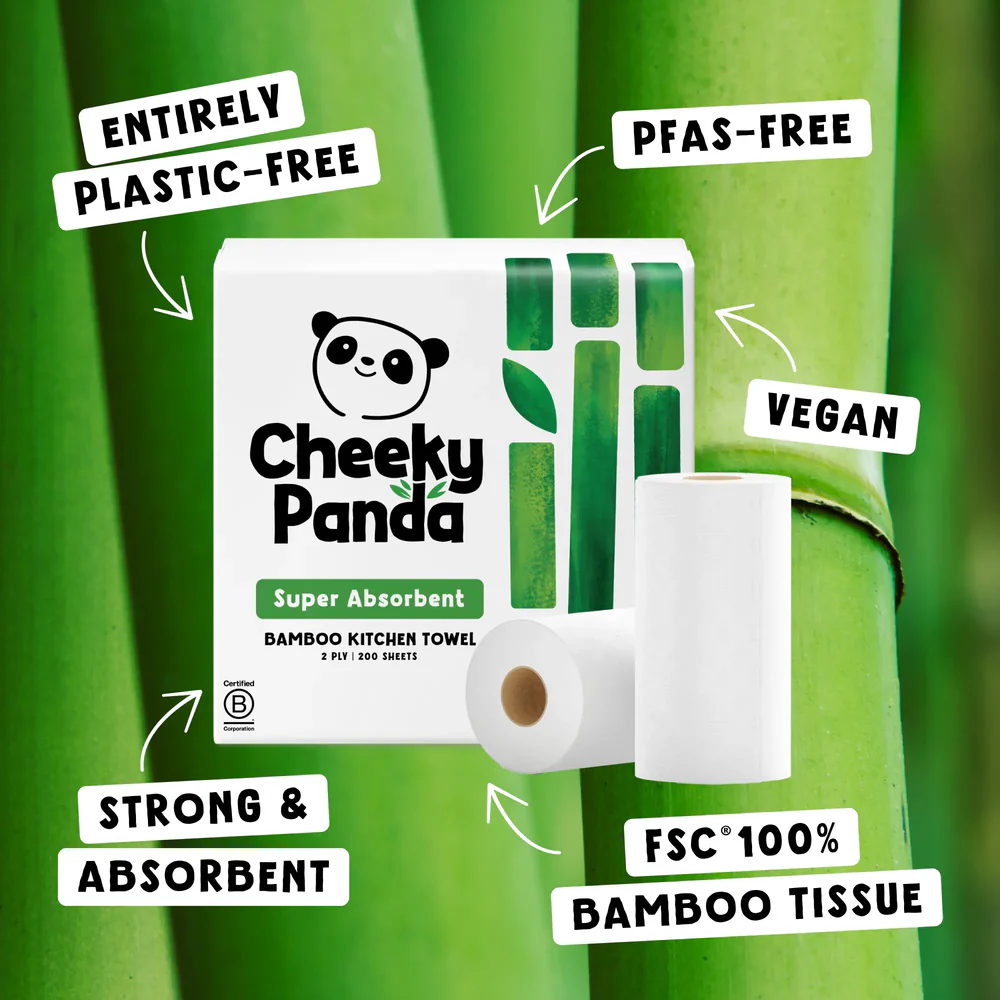
Cheeky Panda Bamboo Kitchen Roll is a zero waste alternative to brands that are made from trees, usually cut down in Boreal forests (home to moose and grizzly bears). This brand is guaranteed to only use 100% bamboo (not mixed with other woods, like some brands).
Bamboo is the world’s fastest-growing grass (up to 3 feet a day). So even when harvesting, it quickly grows back again. It’s not local but far better than making kitchen towels from trees. Sold in paper packaging, bamboo is also very soft and absorbent.
This brand is guaranteed 100% bamboo.
Biodegradable dry wipes (an everyday alternative)
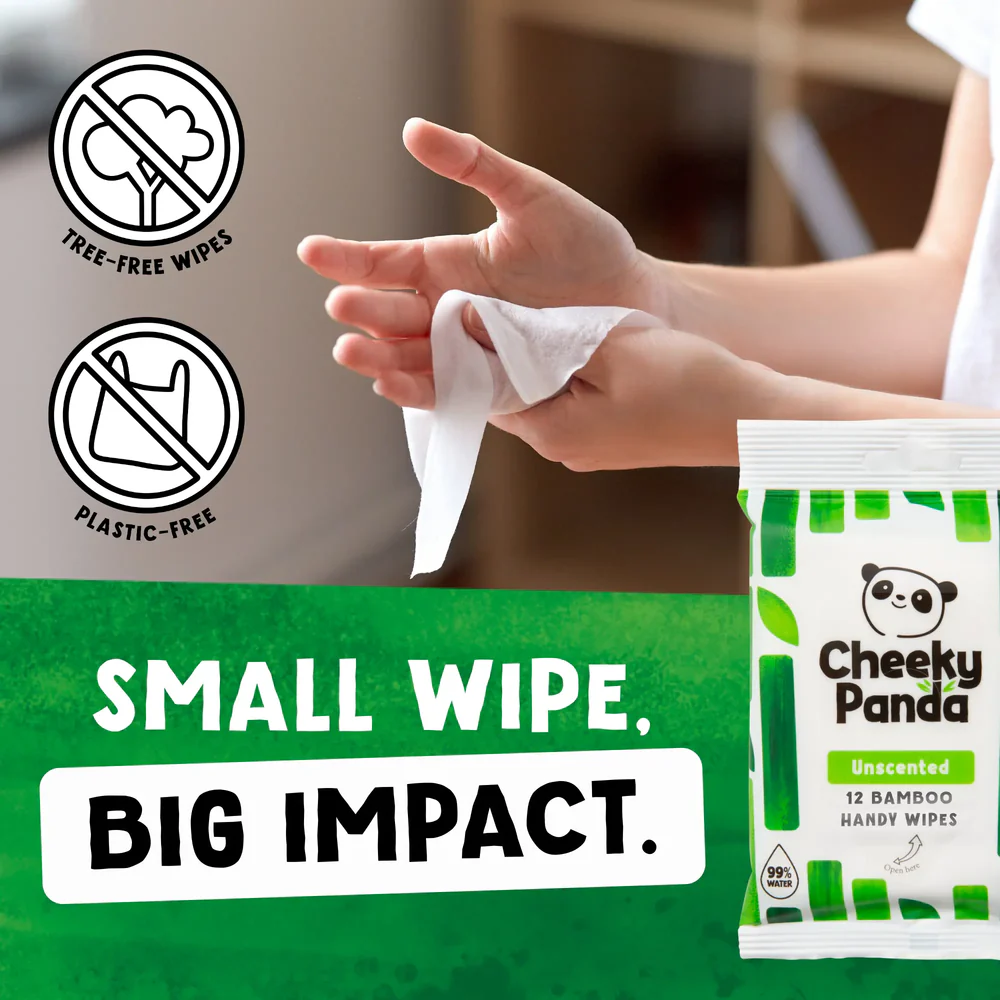
For jobs where you need something a little stronger than kitchen roll, biodegradable dry wipes can be a useful alternative.
Like bamboo kitchen roll, these wipes are designed to be thrown away after use, while the packaging can be recycled. They are a versatile option for many everyday tasks around the home.
You can use biodegradable dry wipes as an alternative to cotton pads for removing make-up or nail polish. They are also useful for cleaning up small spills, wiping your face when travelling, or keeping in your bag for days out.
Simply add a little water and they can also be used for cleaning surfaces such as mirrors, windows or shelves.
Anti-bacterial surface wipes
Many antibacterial wipes sold in supermarkets contain harsh chemicals and create unnecessary waste. These anti-bacterial surface wipes provide an alternative designed for effective cleaning while reducing reliance on stronger chemical ingredients.
These wipes contain less than 5% cationic surfactant, an antimicrobial ingredient that helps remove 99.99% of bacteria with each wipe. They are designed for situations where hygiene is especially important, such as cleaning areas that need a higher level of sanitation.
They can help tackle bacteria, viruses, fungi and algae, making them useful for cleaning high-touch surfaces around the home or workplace.
The majority of the packaging can be recycled at home. However, the inner wrapper contains partly recycled plastic, so it may need to be taken to supermarket plastic bag recycling points if your local kerbside collection does not accept this type of material.