How to Renovate an Old Home on a Budget
If you have an old wreck of a house that you are doing up, here are tips to help! The idea of buying an old cottage sounds nice, but often comes with problems. So getting savvy beforehand, helps to finish the job faster, and stops all your savings going down the drain!
Obviously for gas, electric and other safety issues, get the professonals in. Old homes are less likely to be covered in big glass windows, so there’s less chance of bird strike. But still help by turning off unused lights and using task lights, blinds and screens, and never face indoor plants to outside gardens. Read more on how to stop bird strike.
Inspiring Old Home Renovations
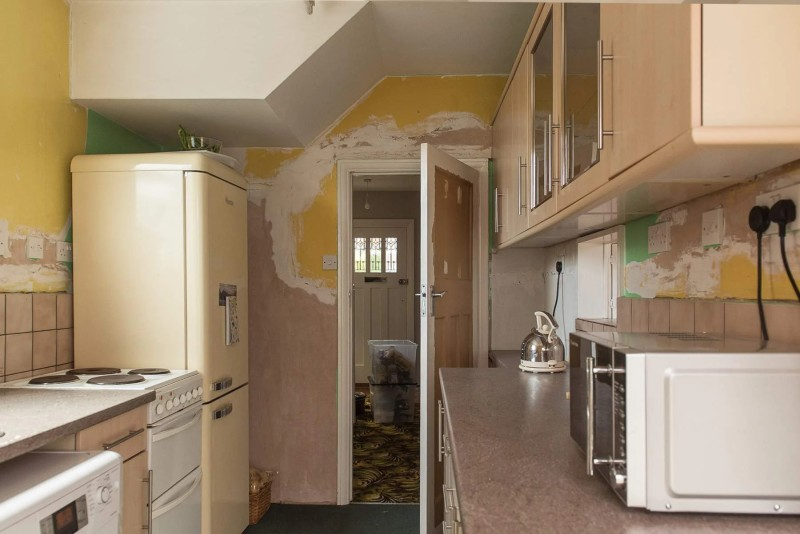
Fifi McGee and her partner specialise in falling in love with old bashed-up homes, and renovating them. They have completed a 1930s house renovation under budget, and have tons of tips and before/after photos on their website to inspire. You can even take a first-time renovation course to learn what they did by trial and error.
Fun finds during renovations they’ve encountered include finding pre-war newspapers under carpets (and non-fun things like permanent tinnitus!) One house had had no central heating, dated wallpaper in each room and crumbling carpet.
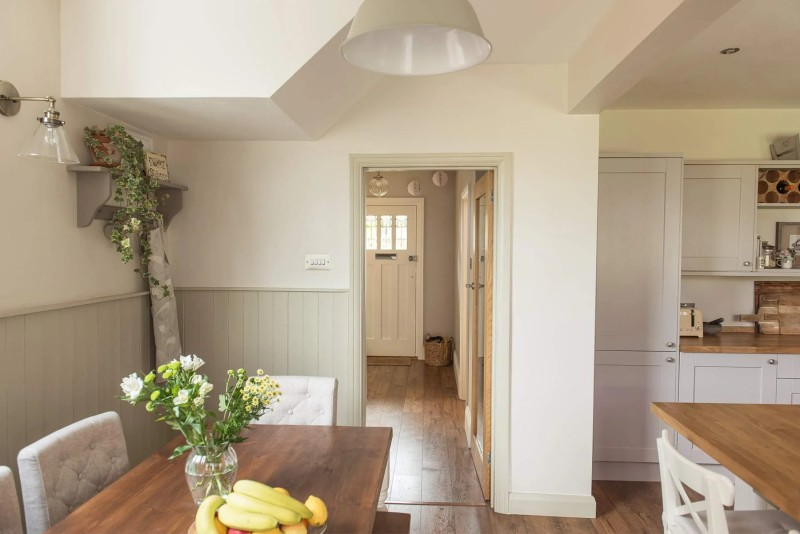
They say if you’re buying an old home, ‘slip £50 to a building contractor’ to view the home with you, before even ordering the full survey (they managed to reduce their offer by over £20K by doing this).
Reducing Energy Bills in Old Homes
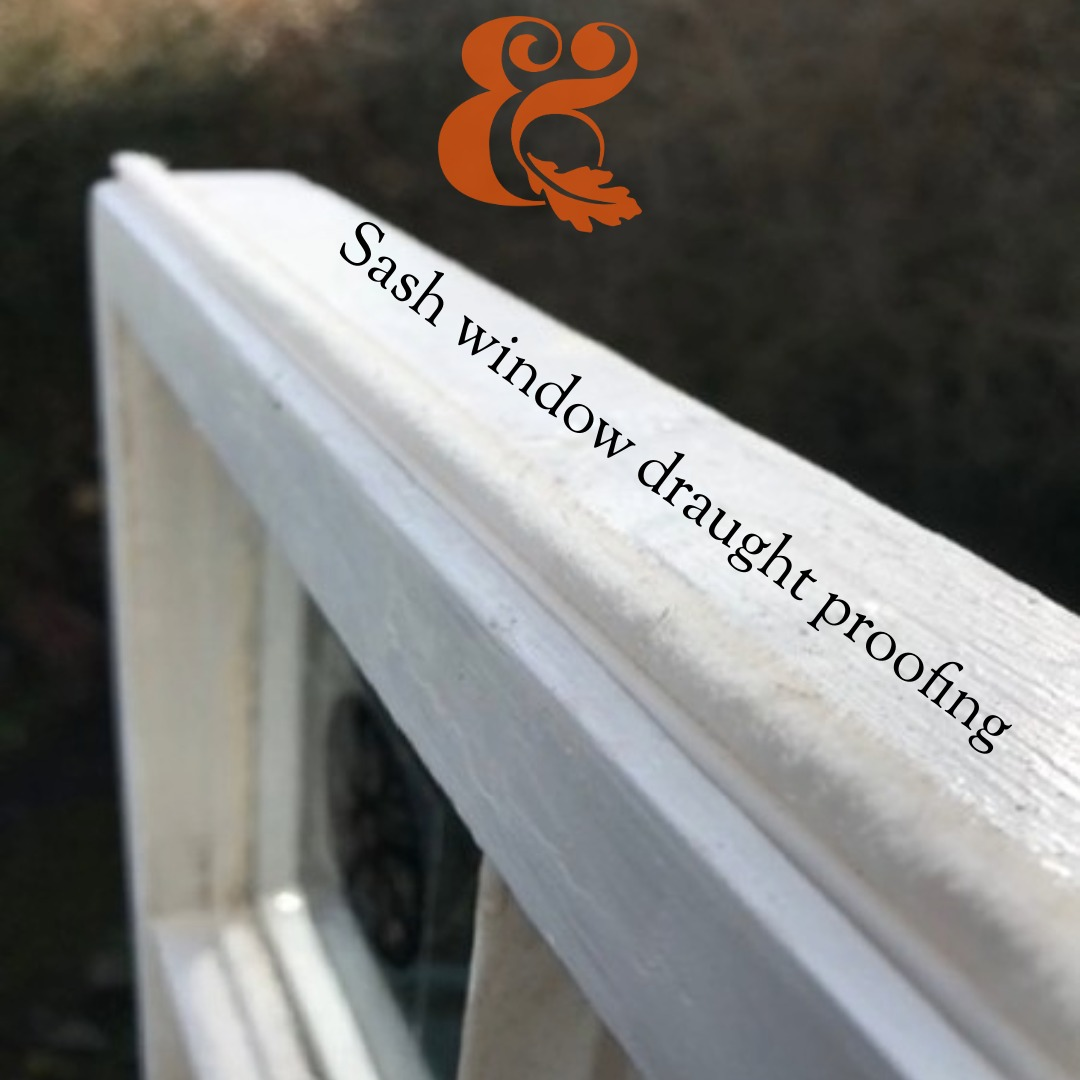
CosyGlazing is a unique affordable lightweight alternative to glass, which can be used on sash windows, to reduce heat loss by around 70%. It also has a method to suck up air in Victorian fireplaces, reducing condensation and bills.
The co-founder’s website Carbon Savvy has a free carbon calculator you can work through, which can massively reduce your energy bills. Mukti (son of ecological writer Satish Kumar) says a third of UK emissions are caused by heating draughty buildings. His solutions can save you around £1000 a year in bills.
Radflek is around £25 to stop ‘hot air flowing out the wall and into the street. No DIY skills are needed to reduce heat loss by almost half. Designed to last years, for brackets that sit higher, read the FAQ page).
Far safer than turning down thermostats (which can cause hypothermia) or using convector heaters, which are fire risks and can cause heatstroke in people and pets.
More Tips on Repairing Old Houses
- The Society for the Protection of Ancient Buildings (which runs a free advice line) says the main issue for old buildings is damp, which can reduce heat by a third. So check during or after heavy rainfall (signs include discoloured/streaking walls, or green stains).
- Thatched roofs are safe if you follow fire prevention advice – regular chimney sweeps/checks, mending cracked bricks and log-burner tips. Never light bonfires or release fire lanterns nearby (read tips to prevent thatched roof fires).
- Old House Eco Handbook is by a writer on historic homes and a chartered surveyor, with tip for roofs, ceilings, windows, doors, walls, floors, energy, air, water and natural paints.
Choosing Natural Paints for Old Buildings
The Organic Natural Paint Co has tips for heritage buildings, which often are limited by law to colours like white, cream, sage, muted blue, warm reds and browns, plus deep grey and black for ironwork).
For doors and window frames, linseed paints seep into wood to ‘feed it’ and only need painting every few years. But don’t use near heat and soak everything in water, as it’s highly flammable. A nontoxic alternative to wood stain is Lifetime Wood Treatment (also sold in UK). Sold as a powder, just mix with water, then store the rest.
Don’t Disturb Nesting Birds & Wildlife
- Many creatures may hibernate or nest in old buildings and outbuildings. It’s illegal to disturb nests. Read tips on how to protect gulls, owls and bats.
- You can deter mice with Mouse Mesh (a metal grille in a stronger version to deter rats). Don’t cover gas vents and keep clear of leaves.
- If planning to knock down a shed or outbuilding, check first for nesting hedgehogs. Lift the floor carefully and do not disturb nests. Check hoglets have left home (at least 8 weeks after birth, from spring to July). Postpone work for at least a month, until you are sure hogs have left.
Got Birds Nesting in Your Chimney?
Signs of nesting crows in chimneys are twigs, grass, leaves and hair falling into fire grates (use gloves to remove bird droppings). If birds are already nesting, you must legally leave them until they’ve flown the nest, so don’t light fires.
For stuck birds, RSPB says to shine a bright torch up the chimney at night, then birds will fly towards ‘daylight’ (catch them in a sheet, to safely release outside).
To prevent birds nesting in chimneys, be sure they have flown the nest (likely winter, though pigeons can nest year-round). Then have a sweep clean your chimney, and fit a chimney cowl or chimney pot (install correctly, so oxygen can circulate). For gas fires, you’ll need a qualified fitter to move your fireplace away from the chimney opening, to conduct any work.
If you find a chick, observe for up to an hour (likely parents are watching and feeding). If they don’t return, place in a high tree and observe.
If the bird is injured, the parents don’t return or the bird has few/no feathers (or is too young to stay in the tree), call your local wildlife rescue.
Read more on how to prevent birds nesting in chimneys.