Pay A Little Extra for Fairly-Made Clothes
PLAINANDSIMPLE (buy less, buy better!)
Building a capsule wardrobe of a few quality fairly-made organic clothes, is far better than constantly buying ‘bargain clothing’ that is often made abroad, in conditions akin to slavery.
The Ethical Trading Initiative was brought into force, after the tragic building collapse a few years back, which killed many clothing workers in Bangladesh.
But it’s nowhere near as stringent as labels like Fair Wear, which is like the clothing alternative to Fair Trade food and drinks.
It traces how clothes were made, from farmers growing the fabrics to sewing the clothing. If you buy a £1 t-shirt, someone along the line, is not being treated well.
Fair Wear’s 8 Code of Labour Practices are:
- Employment is freely chosen
- The right to collective bargaining
- No employment discrimination
- No exploitation or child labour
- Payment of a living wage
- Reasonable hours of work
- Safe and healthy working conditions
- Legally binding employment relationship
Good on You lets you type in the name of clothing brands, to find ratings for human rights (how and where it was made) along with animal welfare and environmental scores.
M & S comes out top for the high street. And despite bargain brands like Primark not scoring well, more expensive brands (like Next) don’t score much better.
If laundering synthetic materials, use a microfiber filter. To stop plastics leaching out of washing machines, and into the sea.
Demand quality. Not just in the products you buy, but in the life of the person who made it. Orsola de Castro
Fast fashion – is asking you to forget about other humans, in favour of low prices. Amanda Lee McCarty
Often the ‘big brands’ boast that no child labour is used. Well it can’t be, because it’s illegal. But many are still paying a pittance to the garment workers, and making huge profits on selling you often inferior clothing.
In developing countries, workers are at risk from air pollution, fire hazards and chemical exposures. Fair Wear brands push for clean air, safety rules, good income and fire escapes.
Fair Wear brands not only pay their workers a living wage, but ensure this means workers can not just feed their families, but send their children to school, pay rent and see a doctor if they need to.
These brands also tend to use sustainable fabrics like organic cotton, hemp and linen. Which means less water used (in countries that often have water shortages) and this also helps to protect rivers (and wildlife) from pollution run-off.
Finally, Fair Wear brands tend to be made better, so last longer. Fashion is one of the most polluting and wasteful industries on earth. So buy less, but buy better! Better for the planet, workers and your wallet!
Celebrate Bright Friday (not endless sales)
PLAINANDSIMPLE (buy less, buy better!)
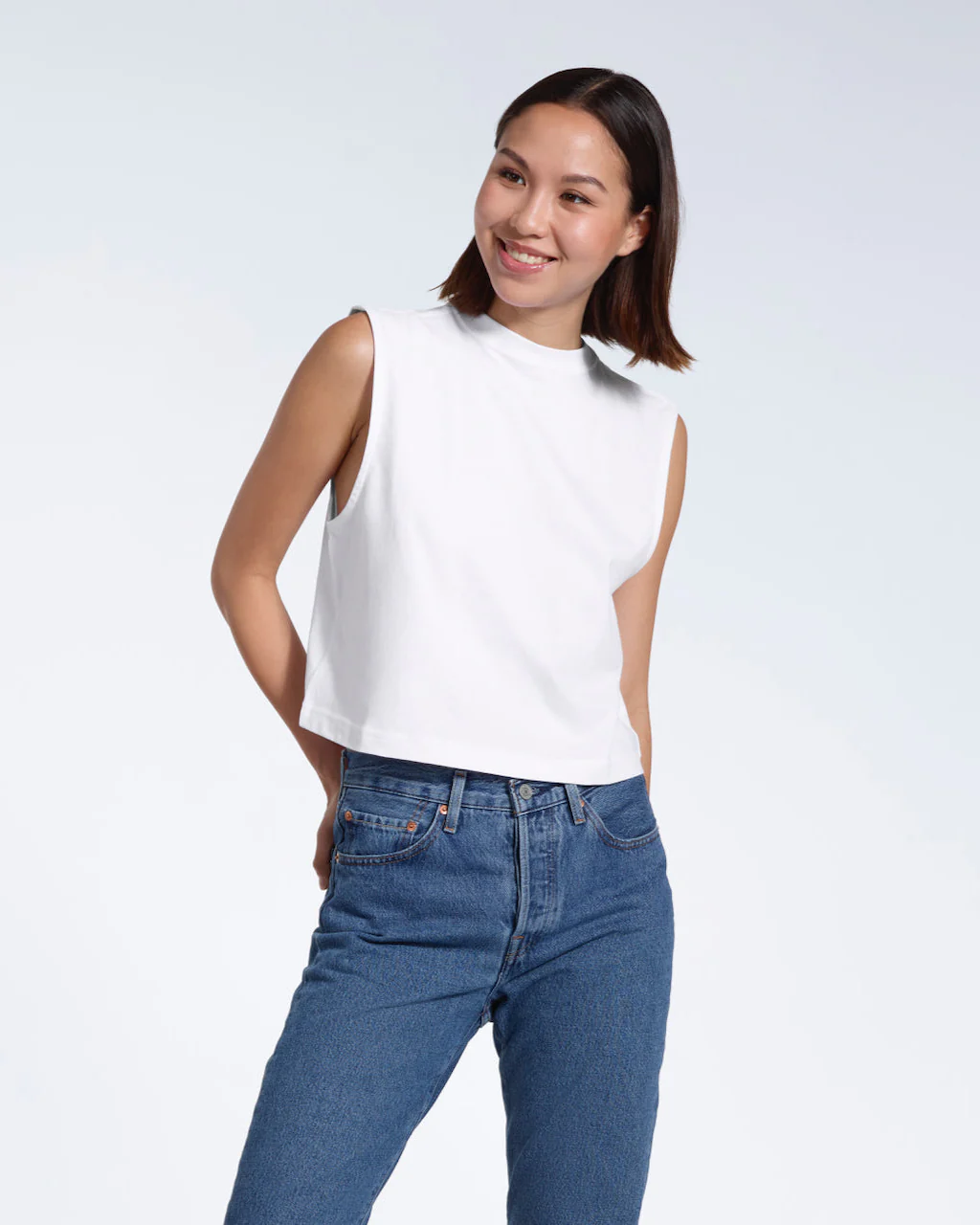
Around 80% of goods bought on Black Friday end up in landfills or incinerators within a short space of time, as most items are not made well, or are ‘impulse purchases’ that are then thrown away. Not only does this leach methane gas, but the clothes are likely made from oil-based synthetic fibres. Which contributes to pollution and climate change, and leaches microplastics from washing machines, into the sea.
As as most items are ordered online, that’s more oil from vans driving to the goods to you (and often being returned when you decide you don’t want them.
To be fair, not every deal is bad. If you’ve planned for months to buy a new laptop for work, a genuine discount can help. The trouble is the surrounding pressure, because it nudges us towards overbuying, and it makes restraint feel like failure.
Watch for these common traps:
- Fake urgency: “Ends tonight” becomes “extended” the next day.
- ‘Was’ prices: A high “before” price that no one paid last week.
- Bundles you don’t need: Extra bits that will gather dust.
- Bargain logic: Buying because it’s cheap, not because it’s useful.
The Real Cost Behind the Bargains
A cheap jumper can carry expensive baggage. Lower prices often mean lower-grade fibres, heavy dye use, and rushed production. That can show up as bobbling after a few washes, loose seams, and a shape that never quite fits again. The result is predictable: you buy twice, then throw away twice.
A phone upgrade gives another clear example. The cost isn’t only money. It’s mined materials, factory energy, shipping, and the hard question of what happens to the old handset. Even when you recycle, parts get lost, and perfectly fixable devices get replaced because repair feels awkward.
A kitchen gadget is the quiet culprit. It arrives boxed within a box, wrapped in plastic, with a promise to “save time”. Six months later it lives at the back of a cupboard, because the old wooden spoon worked fine.
Spot the Pressure Tactics
These are the tricks that push people into “yes”:
- Countdown timers and flashing banners
- “Only 2 left” stock warnings
- Email and text spam that follows you for days
- Price bouncing, where the discount changes hourly
- Buy now, pay later prompts at checkout
- “Free” next-day delivery that encourages split parcels
- Suggested add-ons that feel like savings
Bright Friday is a simple shift, saying ‘spend for a purpose, not because you are told to. That doesn’t mean you never buy new things. It means you buy yourself or someone else a quality item, when it’s needed.
On Bright Friday you might mend a coat, replace a worn-out pan with a sturdy one, book a local class as a gift, or spend your money with a high street shop that pays fairly. You might also spend nothing at all, and still take part.
But you don’t rush to Next at 6am and go through the rails, to grab bargains for things you don’t need or even like.
There are also non-shopping ways to join in. Donate unwanted items you’ve been meaning to shift. Volunteer at a food bank or community pantry. Share a skill, such as sewing on a button, fixing a bike chain, or helping a neighbour list items on a local resale site. Value isn’t only what you purchase, it’s what you keep in use.
Some Brands Refuse ‘Black Fridays’
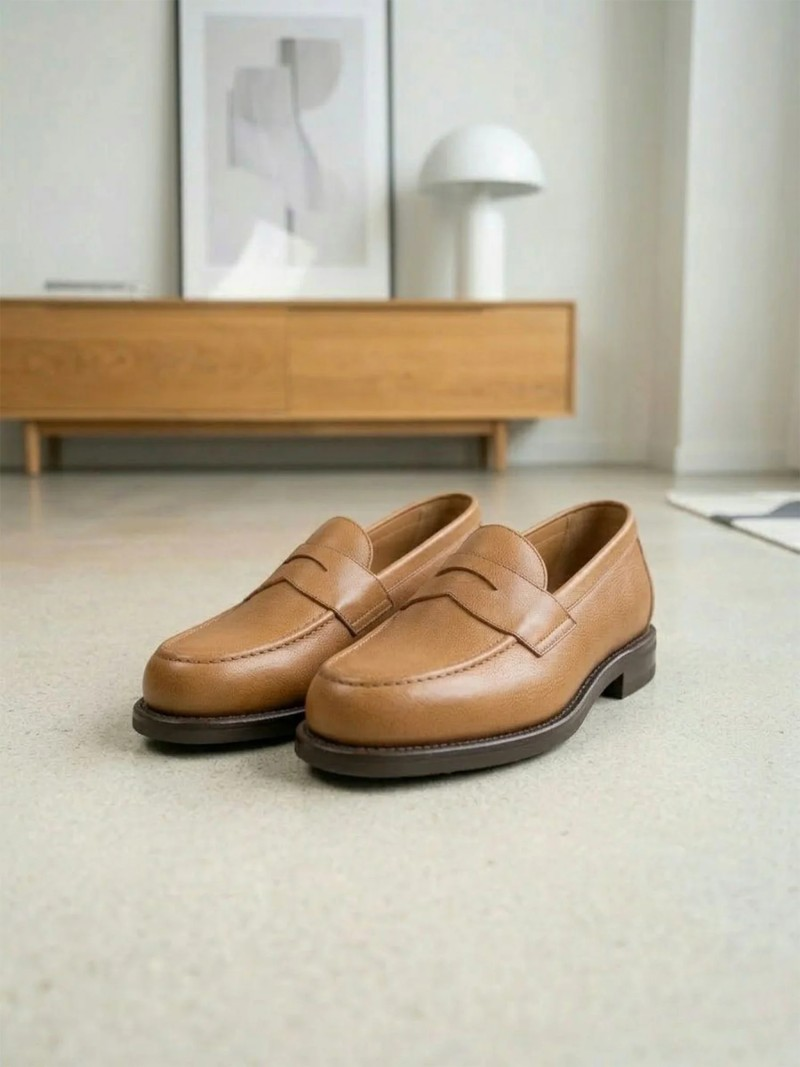
Will’s Vegan Shoes (London) is a footwear brand, that never has sales, let alone a Black Friday. Instead it focuses on producing quality footwear in zero waste packaging, each item sold with a whopping 365-money-back. Although it charges a bit more, it works out cheaper as these are shoes to last!
Donate unwanted clothes and shoes to small small charity shops that don’t test on animals). You can place damaged/ripped/stained cloths (including socks and undies) in textile banks. They are then shredded to upcycle into insulation, carpet underlay and other industrial goods.
Where to Buy Affordable Preloved Clothing
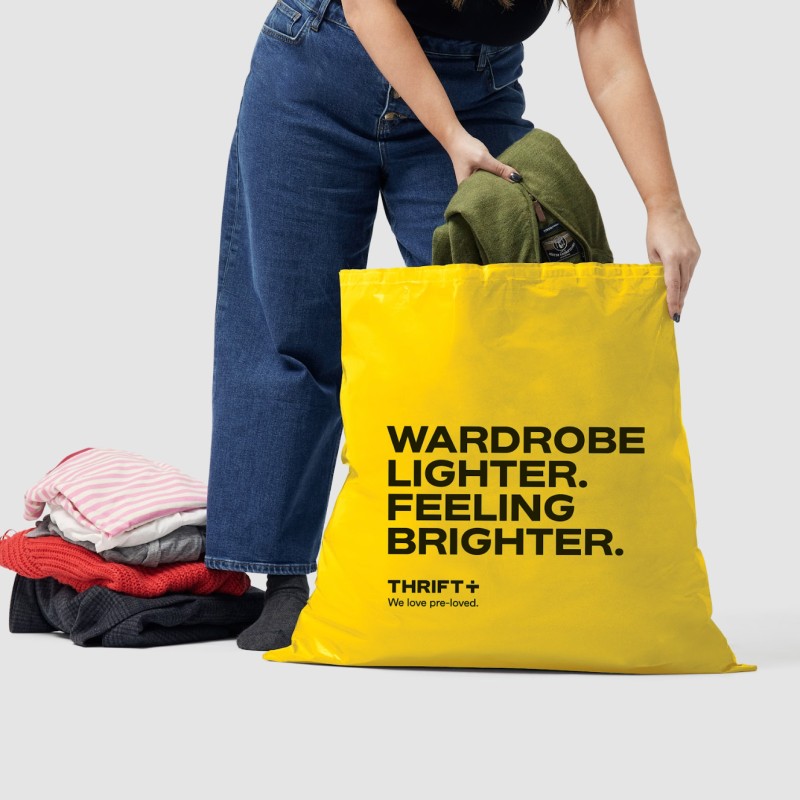
Thrift+ is a great idea! You clear out your wardrobe and send all the clothes you don’t want off to this company, and then it sells them at discounted prices to people who like good clothes, but at affordable prices.
Can’t afford a Whistles cotton dress? Then pop over to this website, and find one at a fraction of the price! Every item is check for quality, so there are no surprise stains or fake brands. Everything is sold with 30-day returns, and you also are helping to reduce colossal waste in the fashion industry.
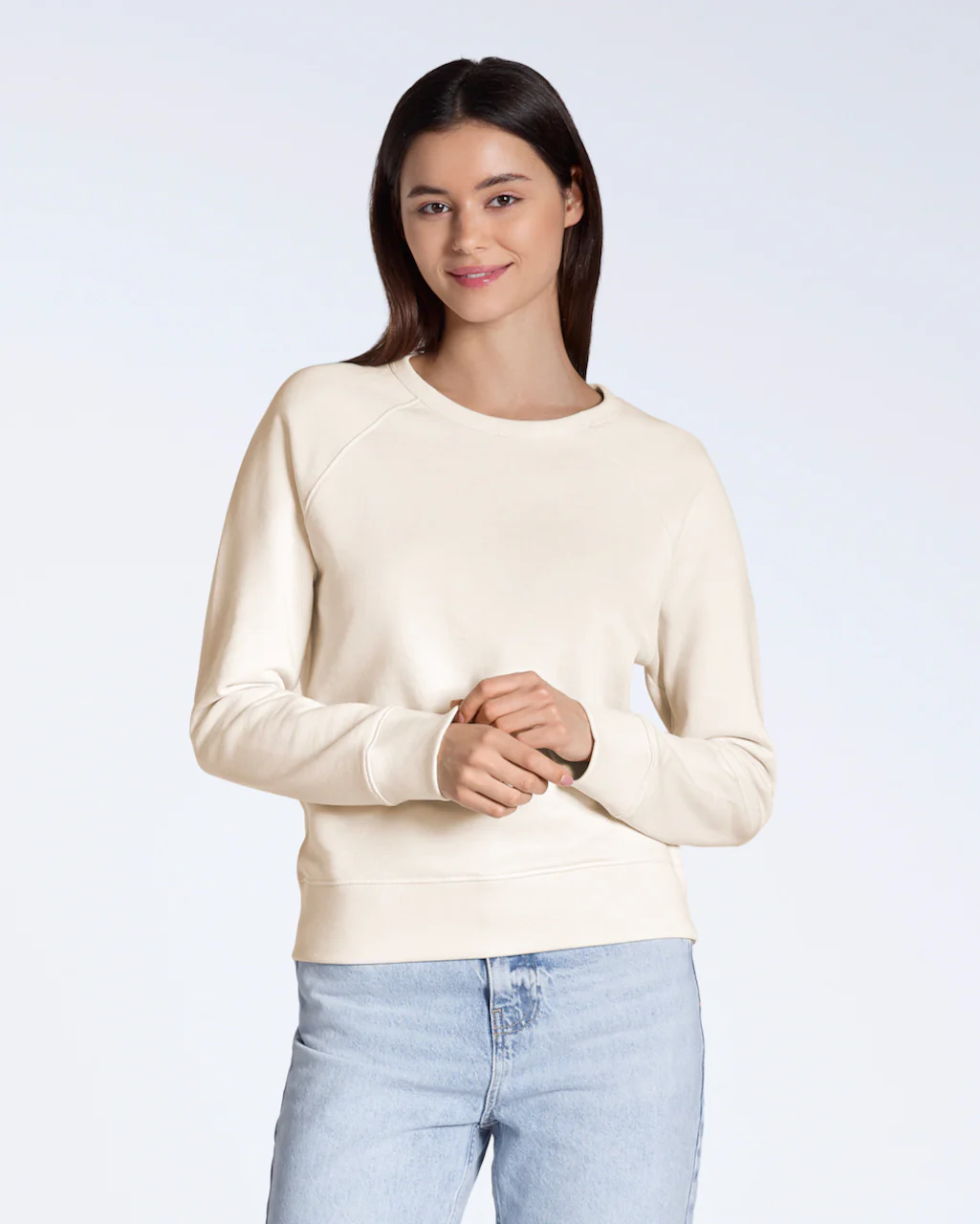
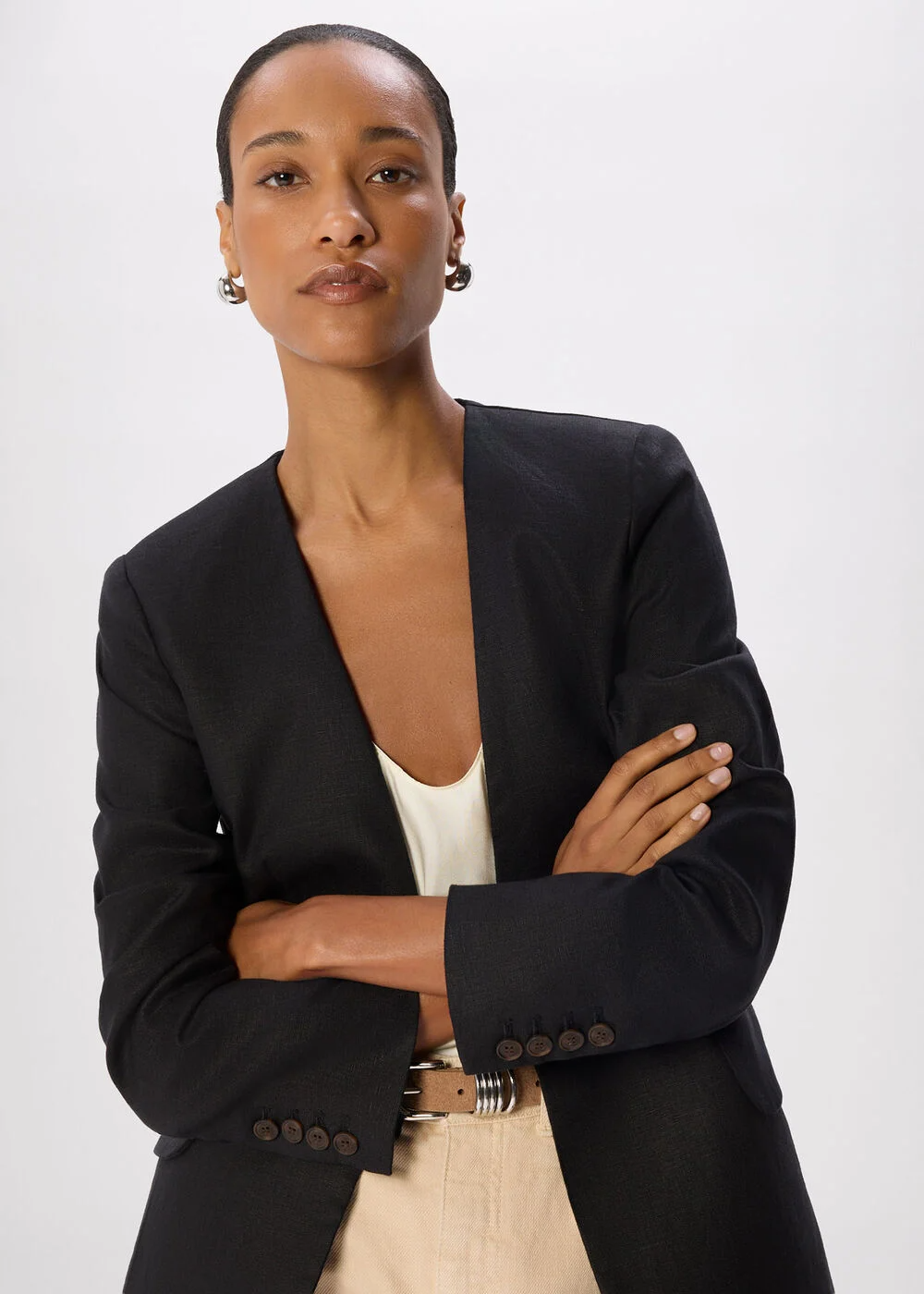
All the images on this page are from Whistlefish or FatFace (all 100% cotton or linen – but likely too expensive for the average buyer, unless purchasing secondhand!)
Thrift+ does not accept underwear, sleepwear, children’s clothing, swimwear or jewellery.
If buying secondhand clothes on the high street, avoid big charity shops that test on animals. If buying clothes for children, find safety info at The Lullaby Trust (they recommend removing hats, socks and cardigans in warmer temperatures, including car seats.
How does Thrift+ work?
It’s really simple. You just order a bag and then fill it with clothes and shoes and accessories you no longer want. Then pick a free return method (a label or drop-off or a locker). Thrift+ does all the rest.
And if your item resells, you can cash (or credit) or can choose to donate funds to charity. So far Thrift+ has helped over 300,000 wardrobe clear-outs, resold over 3 million items and raised over £2 million for small charities.
Obviously the site is a business, so funds are used to keep it running. But the more of your items sell, the more you earn (around 10% up to 40% for items that sell over £50). So if you have a lot of expensive brands in the wardrobe doing nothing in good condition, this can give you easy money!
This site works with specific brands, so use the brand checker to see if your clothes qualify. From an animal welfare point, this site is good as well. As buying secondhand clothing and shoes made from wool or leather, stops animals being harmed to make new goods.
One eco brand it accepts is Organic Basics, if you want to purchase this brand (most of their items are underwear, but it does offer organic cotton t-shirts). Otherwise at least choose natural cotton, so they are easier on the planet to launder.
Preworn (a similar site for other brands)
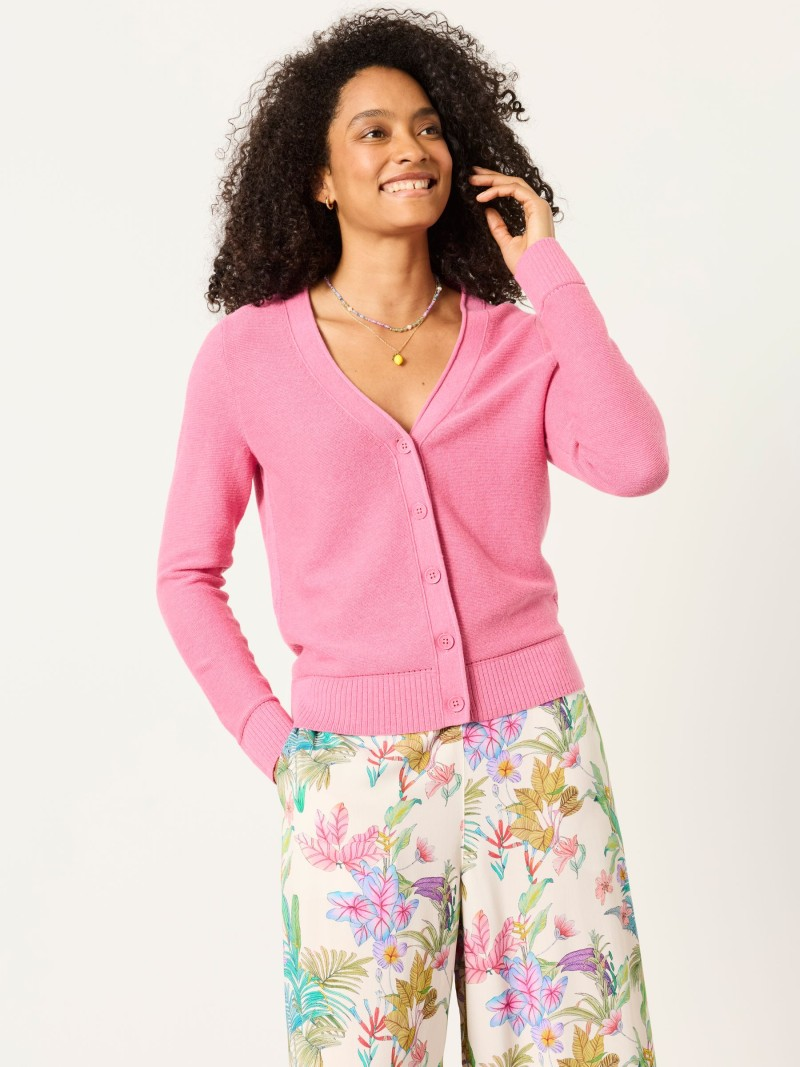
Preworn is similar, but deals with more brands. Like FatFace, Marks & Spencer, Next and even Primark. Again, none are perfect. But if you like the styles, then at least here you are buying second-hand, so can pick up real bargains, whilst not supporting ‘new fast fashion’. And again, all these brands offer 100% cotton clothing, you just have search through the items listed.
Creating a capsule wardrobe allows you to mix-and-match a few quality items of clothing to last years, rather than contribute to ‘fast fashion waste’.
For affordability and maximum styles, go for neutral colours. This doesn’t have to be black or white, but also could be grey, taupe or navy (olive and brown are nice colours for redheads).
The book includes detailed descriptions and illustrations of each item, plus a list of all 1000 outfits in a handy table.
Mix and match items for your wardrobe, to create unique everyday looks to flatter your body type. Stretch your budget and reduce fashion mistakes and impulse buys. Also transition from the office to after-dark in a flash!
How to Take Care Of Your Clothes, Naturally
The Art of Clothing Care is a book of tips to make clothes last. Check a garment’s quality, avoid over-washing, make simple clothing repairs, remove stains, prevent mothballs and shop for pre-loved clothing.
Wash Less Often
Washing too often wears out fibres fast. Most clothes, unless stained or sweaty, can go a few wears before washing. Airing them out on a hanger does wonders for freshness.
Jeans, jumpers, and jackets love a bit of breathing space rather than a spin in the machine after every use.
Choose Mild Detergents
Strong detergents and synthetic fragrances can break down fabrics and irritate skin. Instead, pick natural laundry powders (unscented for pregnancy/nursing, baby and pet bedding).
These options are kinder to clothes, your skin, and water systems alike.
Wash in Cold Water (not for weak immunity)
Hot water puts stress on fibres and uses more energy. Cold water is gentler and prevents colours from fading. Modern detergents clean just as well in cold cycles, and you’ll save power with every load. Whites and delicates especially benefit from a cooler wash.
Laundry should still be at 60 degrees for babies, pets and people with weak immune systems (including for pregnancy/nursing).
Treat Stains Naturally
Skip the harsh bleach. For most stains, apply a paste of baking soda and water. For stubborn marks, oxygen bleach works a treat. Always test on a seam before treating more visible spots. Read more on removing stains naturally.
Ditch Fabric Softener for Vinegar
Fabric softener can coat clothes with residue, weakening fibres over time. White vinegar softens fabric, removes smells, and doesn’t leave build-up. Add half a cup to the rinse cycle. Your clothes will feel soft and smell fresh, with no hint of vinegar once dry.
Air Dry When You Can
Tumble dryers use a lot of energy and make fibres brittle over time. Hanging clothes outside lets sunlight naturally kill germs and freshen fabrics. Retractable washing lines are safer than rotary lines (store well away when not in use, to avoid tangling for children, pets or wildlife).
Indoors, a drying rack works well and saves space. Even flat-laying knits on a towel will help keep them in shape and avoid stretching.
Store Clothes Properly
How you store your clothes can mean the difference between crisp and crumpled. Use wooden or padded hangers for shirts and jackets. Fold heavy jumpers and keep them on shelves to avoid stretching.
Make sure drawers and wardrobes are dry, and add cotton bags of lavender or cedar to keep out moths without chemicals. Keep lavender and cedar moth prevention balls away from pets.
Mend and Repair Small Issues Early
Loose threads, missing buttons, or tiny holes can be fixed easily with a little effort. A basic sewing kit lets you patch up damage before it becomes worse.
Hand-mending with natural threads keeps your clothes wearable and cuts waste. If you’re interested, there are simple tutorials online that make repairs almost fun.
For big stains and tears, you can ask a tailor to do small repairs. Or book online and send to online tailors like Make Nu.
Refresh Clothes Between Wears
Instead of rewashing, freshen clothes by hanging them in a steamy bathroom. It’s a quick way to get rid of musty smells and help fabrics feel new.
Be Gentle When Ironing
Too much heat or pressure can scorch and flatten fibres. Use a lower heat setting and a clean cotton pressing cloth to protect delicate fabrics.
Let clothes hang up straight after ironing to cool, which helps keep lines and creases crisp without re-pressing.
How to Prevent Mothballs, Naturally
Only two moth species eat animal fibres (wool, feather and fur). So the easy way to prevent them are to wear cotton, hemp and linen. To reduce risk for other fabrics, deep-clean clothes, then store in vacuum bags.
A bit of simple living wouldn’t go amiss (rather than buy too many clothes to ‘store away for winter’). If using red cedar balls to prevent moth balls, keep away from pets and children.
ReBorn (recycled plastic clothes hangers)
ReBorn recycled coat hangers (Wiltshire) have side notches for thin straps, middle notches for ties/belts, and reinforced bars for heavy trousers. Recycled plastic is not really good for clothing (as it still releases microplastics when laundered, so using them up in items like this is better.
You can recycle metal clothes hangers, and donate other ones to charity shops. Refuse hangers in shops if not needed, as 15 billion are produced in the world each year, with most thrown out after 3 months (8 billion go to landfill).
Environmental Issues with Clothes Hangers
As most are made with cheap plastic or flimsy metal, you can just imagine the landfill issues. Clothes hangers are everywhere – in our wardrobes, in hotel wardrobes, and most shops sell them along with clothes (eco brands tend to use cardboard hangers, especially with children’s clothing).
Around 85% of all clothes hangers end up in landfill. And they are one of the biggest waste problems for shops. Despite plastic bags being given all the attention, it’s likely there is the same scale issue with what one fashion designer calls ‘the fashion industry’s plastic straw’.
In the US, Re hangers are now replacing disposable plastic ones, again these are made from recycled materials. The company also sells slightly damaged hangers at reduced price, to avoid waste.
Fold Your Clothes?
A few years back, Marie Kondo’s book about minimalist homes was all the rage. You can visit her site to learn how to fold your clothes. Then in most cases, you won’t have need for clothes hangers!
A Stylish Reusable Garment Bag
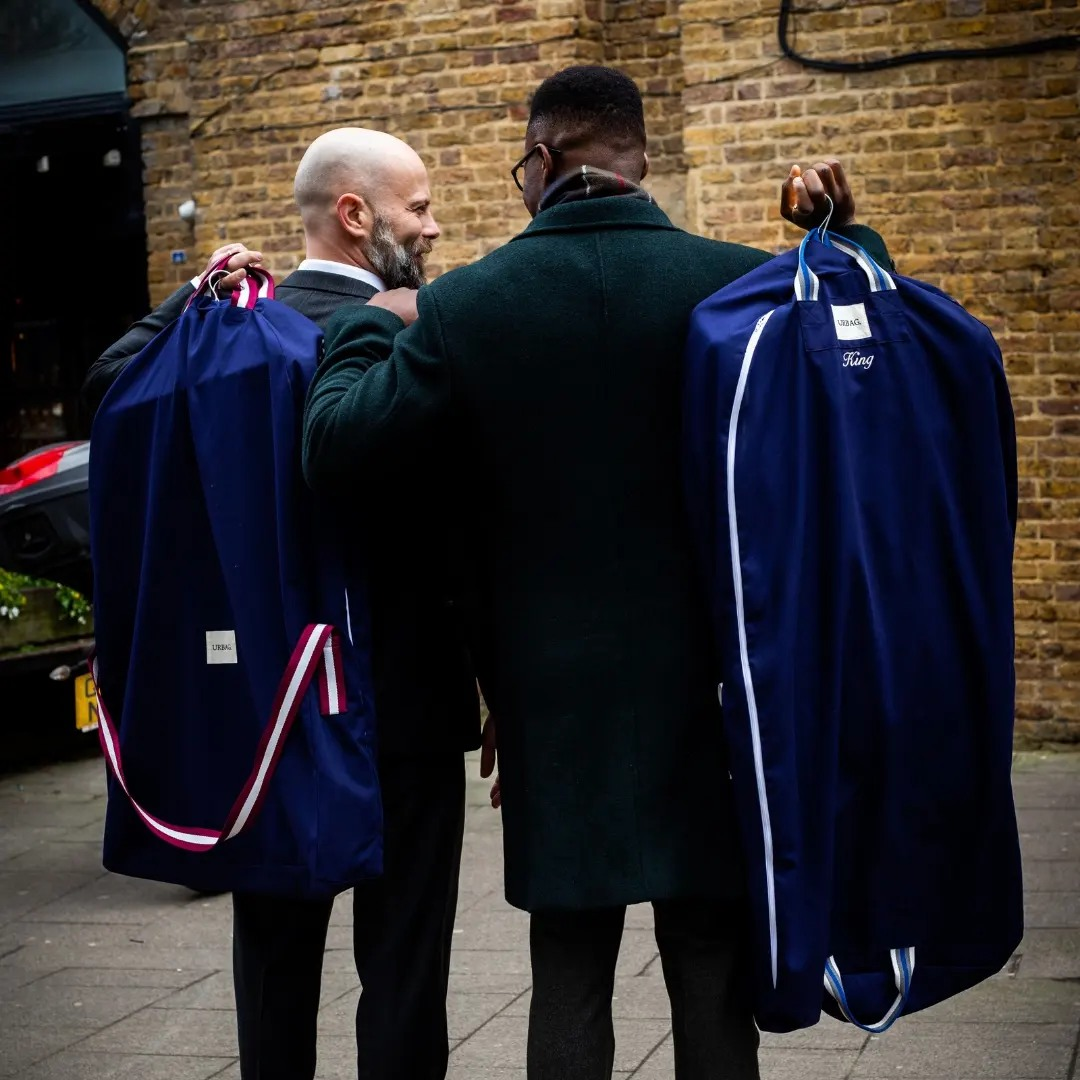
This stylish reusable garment bag is made from a blend of organic cotton and recycled plastic bottles. It’s a zero waste alternative to disposable plastic bags given out in dry cleaning stores.
You can also use it to store out-of-season clothes. One purchase should last years. Despite being lightweight, the cover is dust-proof, weather-proof and resistant to wrinkles and insects, but also lets your clothes breathe.
Although the cover says it’s washable, it contains synthetic fibres. So if you do, launder in a microfiber filter. Sent in zero waste packaging.
Use Eco-Friendly ‘Dry Cleaners
If you buy or wear clothes with dry-cleaning labels, look for local ‘steam cleaners’ instead, as perc chemicals for dry-cleaning are toxic to you, the planet and the people who use them at work.
Companies like London’s Blanc use ‘wet cleaning’ a blend of steam and nontoxic cleaners to give the same results. It’s better also for allergies and (unlike dry-cleaning) can remove organic stains (like the smell of sweat!) It also does not leave a ‘shine’ on suits.
How to Build a Sustainable Capsule Wardrobe
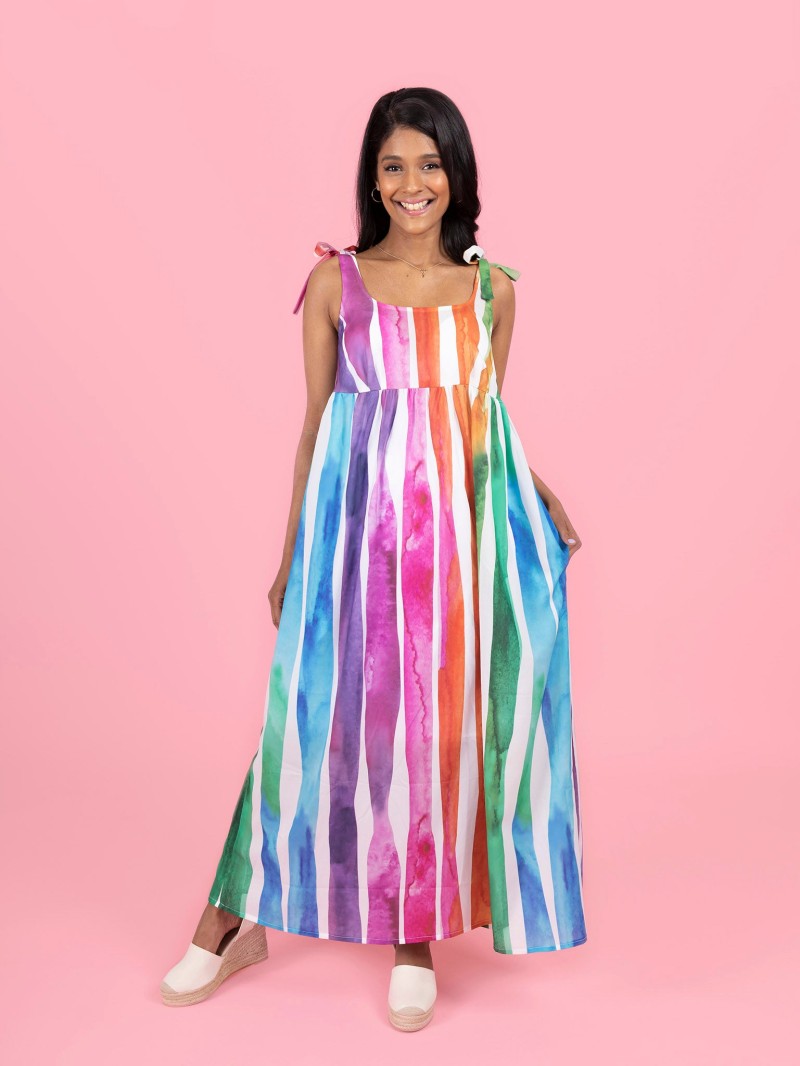
Creating a capsule wardrobe allows you to mix-and-match a few quality items of clothing to last years, rather than contribute to ‘fast fashion waste’.
For affordability and maximum styles, go for neutral colours. This doesn’t have to be black or white, but also could be grey, taupe or navy (olive and brown are nice colours for redheads).
The book includes detailed descriptions and illustrations of each item, plus a list of all 1000 outfits in a handy table.
Mix and match items for your wardrobe, to create unique everyday looks to flatter your body type. Stretch your budget and reduce fashion mistakes and impulse buys. Also transition from the office to after-dark in a flash!
Choose Your Unique Own Style!
If you prefer the Michael Portillo look (bright orange trousers and a green jacket), go for it. Your style is your own. But overall, you may wish to wear subtle colours, for more choices with less clothes, and maximum outfit affordability.
A typical example of a good capsule wardrobe for men is as follows:
- 2 jackets (1 posh, 1 not)
- 2 trousers (1 posh, 1 not)
- 8 or so tops (shirts, tees, polo shirts, sweaters)
- 2 pairs of quality vegan shoes
- 8 pairs of greener socks
- 8 pairs of organic undies
So you can see, investing in a sustainable capsule wardrobe suddenly is not so expensive. With this capsule wardrobe, you have many different outfits:
- A smart jacket, smart shirt and smart trousers
- A smart jacket, t-shirt and casual trousers
- A tee-shirt and casual trousers (with jumper
- A jumper with smart trousers
- A casual jacket with casual trousers (and tee)
All the above could be worn with smart or casual vegan shoes (loafers to sneakers, your choice), and you should easily get 7 different outfits, especially if you choose the basics (like shirts) in different colours, to mix-and-match for a variety of looks.
Once you’ve made your capsule wardrobe (possibly from items you already own), then consider donating unwanted items to charity shops (choose ones that support local animal shelters or hospices, not ones that test on animals).
Books on sustainable fashion
Sustainable Wardrobe is a book packed with tips to create a more sustainable wardrobe, without breaking the bank. The world’s consumption and discarding of clothing is harming the planet, and the issue can’t be fixed overnight.
But what can we do to make a difference? The answer is that if we all take small steps, it will collectively result in big change.
The author guides you through, breaking down the issues – from the clothes we buy, to how we care and dispose of them:
- The Lifecycle of a T-shirt
- Who Makes Your Clothes?
- Focus on Fabrics & Dyes
- Take Stock of What You Have
- Build a Capsule Wardrobe
- How to Know What to Buy
- How to Read Clothing Labels
- How to Launder Your Clothes
- How to Store Your Clothes
- A Quick Guide to Mending Skills
Sophie Benson is a journalist who writes on sustainable fashion. An expert on greenwashing and upcycling, the author began her career as a stylist. She now chooses second-hand clothes or makes her own from scratch.
What to Wear and Why is a wonderful book on how to rethink the clothes we buy, wear and toss out, in one of the world’s most polluting, cruel and wasteful industries.
You can still look good and dress well, while making a positive environmental impact. The clothing industry produces around 80 billion garments a year (most not made ethically).
It employs 15% of the world’s population (often exploiting both humans and animals). And even street dogs in India have turned blue, from drinking water polluted from blue dyes used to make denim jeans for western consumers.
Synthetic fibres (nylon, polyester and recycled plastic bottles) all release microplastics into our oceans and at end of use, the unwanted clothes go to landfill, where they leach methane gas for decades.
Fashion is responsible for 10% of the world’s carbon emissions, more than all international flights and maritime shipping combined. We have enough clothing on the planet right now, to clothe the next six generations of the humane race.
In this book, the author sheds light on the fashion industry’s unsustainable practices, and looks at why and how change is urgently needed.
There is no scolding to put readers on the defensive. Instead, the approachable tone gives a ‘we’re in this together’ feeling. Library Journal
Tiffanie Darke has spent her career in fashion (most recently as a shopkeeper). She studied sustainability at Cambridge University and works with over 70 fashion brands. She is based in London.