Zero Waste Bin Liners (and good recycling bins)

Although it’s good to recycle, many items have to be binned (used nappies, dog poo etc). But traditional black plastic bin bags leak microplastics onto landfills (even unused ones are impossible to recycle, as machines don’t recognise the colour).
Unless you have a food waste bin (this is fine as scraps are made into biogas), just bin tea/coffee grounds (use a sink shield to avoid clogged sinks). And acidic food scraps (onion, leek, garlic, shallot, chives, tomato, citrus and rhubarb), as acids could harm compost creatures.
How are eco-friendly bin liners different?
Biodegradable bin bags break down by bacteria but this can take months or years.
Compostable bin bags obviously are not composted at home due to what’s inside (cloth nappies, dog poo, non-recyclable items). But they can be industrially composted by councils (if your council does not offer this service, it’s a good reason to vote for different councillors!)
The only caveat with these bags is that you should store them in a cool place, away from sunlight (and use them within 12 to 18 months). Otherwise they may start to biodegrade away! Change your liners more often if adding liquids. And don’t use for hot liquids, grease/oil, dust or wool/animal products.
How to recycle unused plastic bin bags
Black bin bags can not be recycled locally, as machines don’t recognise the colour. To get them out of your town forever, communities can pool to buy a Terracycle Plastic Bag Recycling Box (from £100 to £160, the largest taking 1300 plastic bin bags).
This is placed in a local shop or community centre, then sent off when full using the prepaid label, to be made into industrial piping etc.
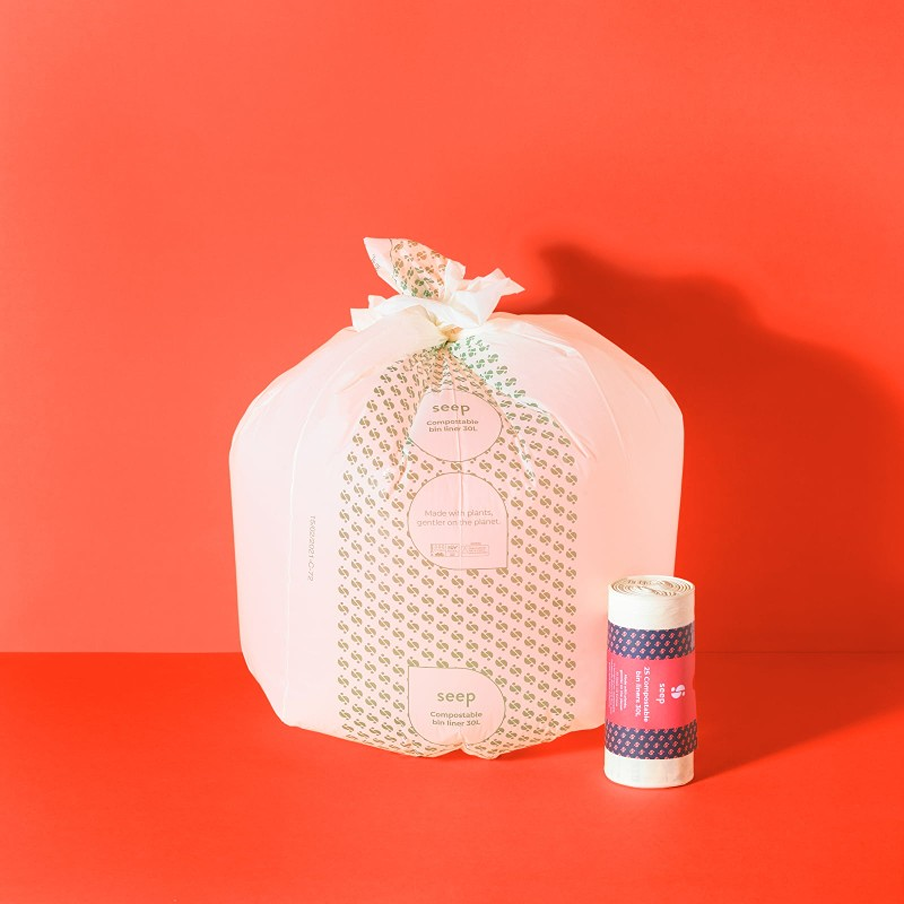
Seep eco-friendly bin liners
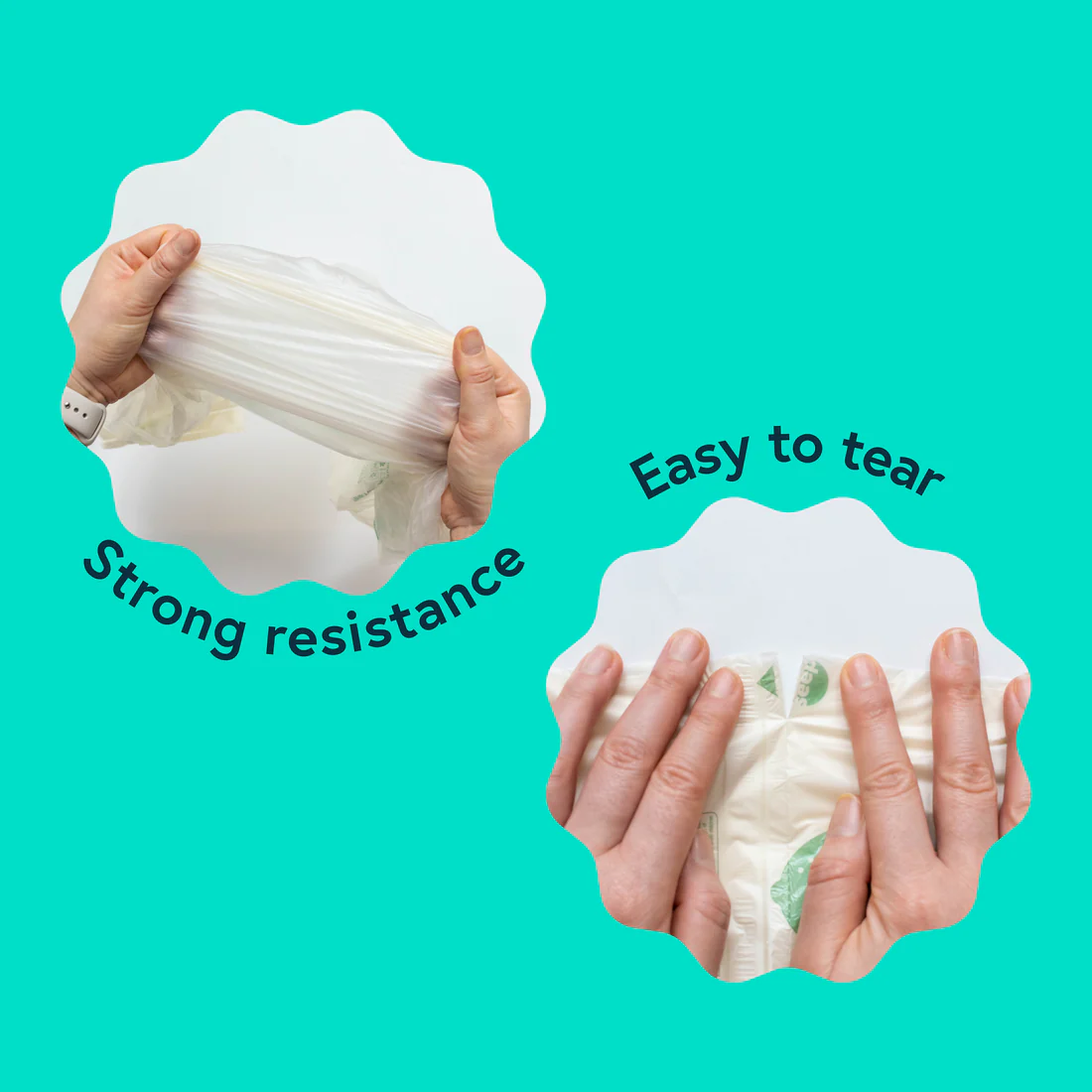
Seep eco-friendly bin liners are made from truly eco-friendly materials (you’re too busy to likely deal with the science, but safe to say there’s no greenwash here!) Approved for local authority collection.
Reinforced to prevent leaking, each pack contains 25 rolls. Choose from four sizes:
- 10 litres (for small bins)
- 30 and 50 litres (for normal size bins)
- 70 litre (for large bins)
The 90 litre garden waste bags are plastic-free, and ideal to collect grass cuttings, weeds and chippings, for up to 4 weeks. Read about pet-friendly gardens to avoid toxic plants and mulch (keep fresh compost away from pets, as it contains mould).
Hide the Eyesore: Alternatives to Clunky Wheelie Bins
Overflowing bins on street corners, foxes dragging chip wrappers across pavements, and plastic bags caught in branches – urban rubbish collection faces fresh challenges every year. Bin strikes leave garbage festering, while growing city populations put more pressure on tired collection systems.
Add in the problem of waste escaping, whether thanks to scavenging animals or the bags splitting, and the flaws become clear. Rethinking how we collect and contain rubbish isn’t just about tidier streets, it’s about health, safety, and protecting the planet.
Wheelie Bins Don’t Deter Wildlife
Suburban and city wildlife have adapted to feast on our rubbish. Gulls puncture thin bags in seconds, flinging food scraps across walkways. Foxes sniff out unsecured bins, tipping them over or tearing through low-quality liners. Rats thrive in areas with frequent rubbish spills, posing serious health risks.
Traditional black bin bags (which can’t even be recycled as machines don’t recognise the colour) and basic wheelie bins offer little defence against persistent animals.
Shared Street Bins
Street bins shared between homes cut clutter and keep rubbish out of each others’ gardens. This is happening in Newcastle, where large metal wheeled bins are shared by residents in back lanes. This means people deposit rubbish (and recycling) locally, with no need for everyone to lug wheelie bins outside their doors each week or fortnight. And if the bin is full, you just walk a short distance to the next one.
Studies have shown that most people are responsible with this, with no increase in theft (though shred documents) or fire risk (better contained anyway in a metal bin, rather than plastic).
Solar Belly Bins (compact waste)
Solar belly bins use the sun’s energy to compact rubbish inside, holding up to five times more waste than a normal bin. This means fewer collections, less mess, and lower costs. The brand describes how these bins deter rodents, due to being fully enclosed, using a hopper or chute disposal device.
Solar bins may have less fire resistance, so ask before purchase for safety advice. The best solution is to use integrated automatic fire extinguishing systems.
Underground Sensor Bins
Underground bins go even further – waste stays below street level, locked away from animals and weather. Fullness sensors tell collection teams when a bin needs emptying, ending the guesswork and cutting down on missed pickups. Residents get tidier streets and fewer overflows.
Community Compost Schemes
Community Compost Schemes encourage people to separate food waste and help reduce what goes to landfill. These efforts create fertiliser for shared gardens, cut emissions, and boost community spirit.
Read more on making garden compost (there are many things you can’t compost – also keep fresh compost away from pets, due to it containing mould – read more on pet-friendly gardens).
It’s best to just bin allium scraps (onion, garlic, shallots, leeks, chives) and citrus/rhubarb scraps, as acids may harm compost creatures.
Also don’t bin more than a little caffeine (coffee grounds or tea leaves) as excessive caffeine can harm worms – add dry shredded cardboard to balance acids, and bin the rest).
Vulnerabilities During Bin Strikes
When bin workers strike, the weaknesses in waste systems get exposed fast. Bins overflow, pavements clog with black bags, and residents feel the effects. Rubbish left out for longer attracts more scavenging, increases odour, and blights neighbourhoods.
Overflowing bins aren’t just messy – they upset public health and community morale. No backup plan means things quickly spiral out of control.
What’s the Birmingham Bin Strike About?
Since 2025, Birmingham refuse workers have been on strike, in a despite between Unite union and Birmingham City Council, with over 350 workers protesting against the removal of Waste Recycling and Collection Officer rules, which caused waste build-up, health concerns and public disruption.
Removing these officers would result in 150 workers having pay cuts of up to £8000 a year, with some pay protections in place, but not for
everyone.
The result has been severe accumulation of rubbish, leading to fly-tipping, rats and even schools closing. Collections are now being done by (limited) agency staff which obviously cost more. The city council is apparently almost bankrupt, which has seen a deadlock in negotiations.
What would have been good in this case, is to hire consultants at The Clean Kilo (England’s largest zero waste shop) which is actually based in Birmingham. Some good ideas could have massively reduced the amount of rubbish going to landfill in the first place.
Yet a quick look on the Birmingham City Council website sees an ad for a front desk office worker, paying around twice that of a bin worker (that keeps the streets clean for 1.2 million people, paid for by council tax that residents are still paying). Despite collecting and transporting rubbish themselves.
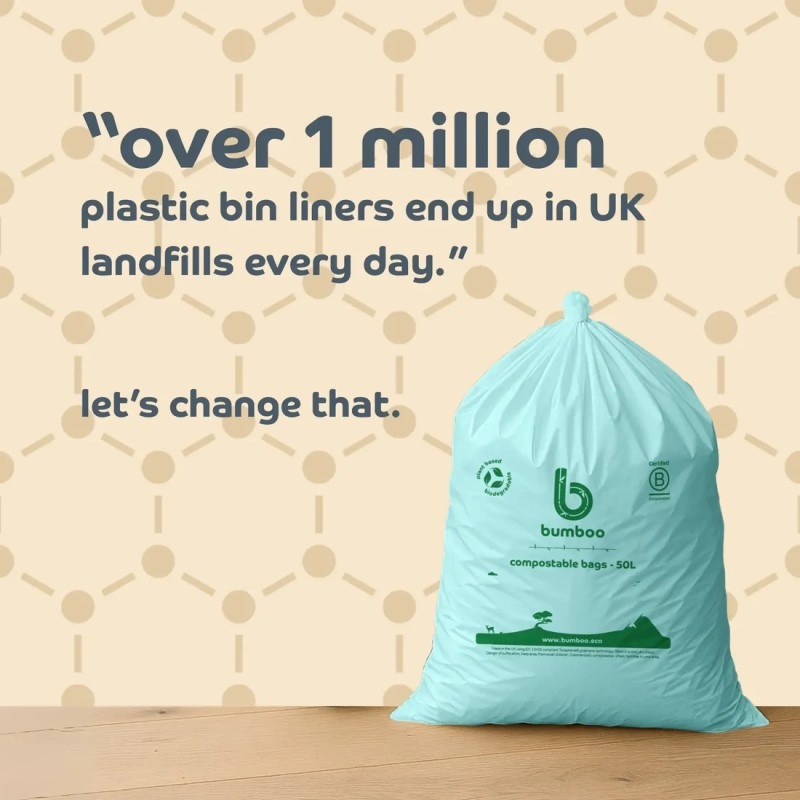
Bumboo Leakproof Compostable Bin Bags

This pack of leakproof compostable bin bags are made with Nobel Prize technology, to safely hold up to 10kg of waste, without splitting. Made from 100% plant-based polymers, they are reinforeced graphene for added durability. The liners also lock in liquid and odours due to the graphene layer, to keep your kitchen smelling fresh.
You obviously are not going to compost household rubbish, but these will safely break down in landfills, leaving no microplastics or toxins behind. The carbon in the graphene even aids the microbiome.
If you compost food (and don’t have a good waste bin). it’s best to bin scraps from peppers, alliums (onion, garlic, shallots, leeks, chives), tomatoes, citrus, rhubarb and tea/coffee grounds, to avoid acids harming compost creatures.
These bags are sold in circular, rectangular or square shapes, and bug enough to handle busy kitchens. The smooth surface slides in and out easy, even if the bin liner is full.
Subscribe online for savings on regular orders.
EKO Recycling and Food Waste Bins

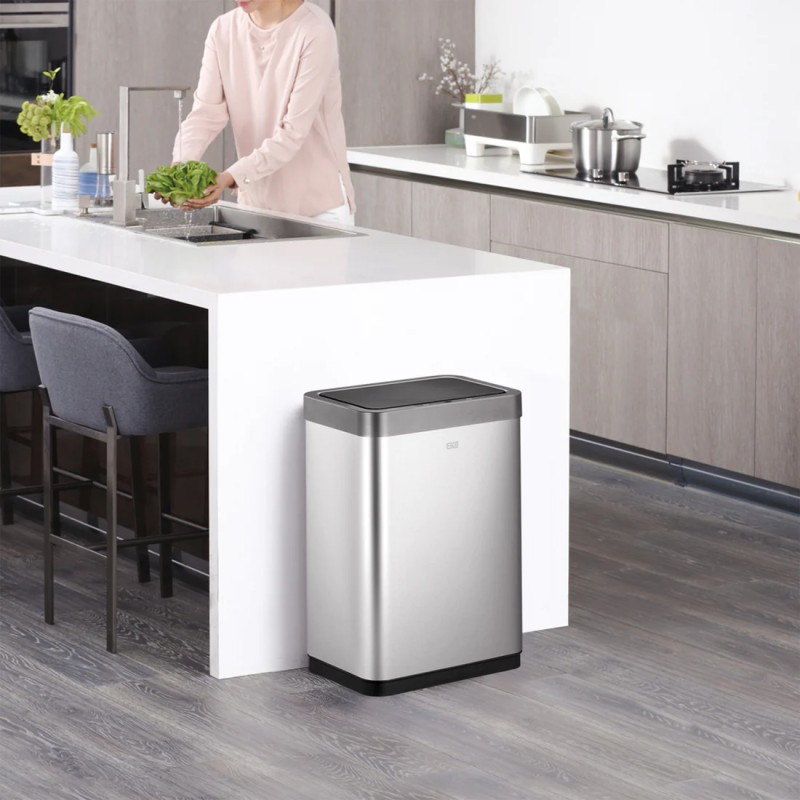
EKO Home is a brand of quality kitchen and recycling bins, designed to last yeas. Made from stainless steel, these work seamlessly to keep and transport rubbish, or keep recycled goods safe until you transprot them to outdoor bins. Use with compostable bin bags.
Sold in extra small to extra large sizes, these bins are sold in various shapes and also some have different compartments to easily separate waste. There are also food waste bins. All in a variety of neutral colours.
Use these discount codes on orders:
- SAVING5 (£5 off for orders of £20 to £80)
- SAVING10 (£10 off for orders of £80 to £150)
- SAVING10 (£15 off for orders of £150+)
EKO Recycling Bins
These have colour-coded removable compartments for easy waste separation, and a sleek design to fit flat against a wall. Made from fingerprint-resistant brushed stainless steel, inside the buckets are bag holder functions, to keep bags secure and to avoid messy overhang.
To avoid wildlife getting trapped in cans, before recycling just pop the ring-pulls back over the holes, then step on the top part to ‘pinch rims’ together’, so the holes are inaccessible.
EKO Food Waste Bins

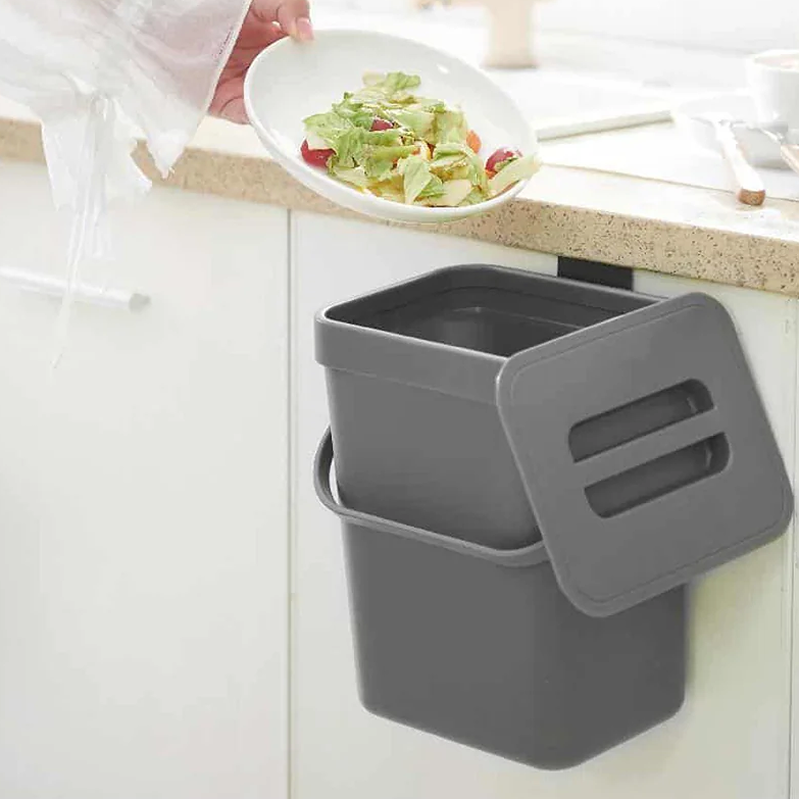
These food waste caddies (also in table top versions) are ideal to hold food waste before composting or recycling into council food waste bins. The stay open lids make it easy to deposit waste while preparing food, and the inner frame keeps bin bags in place.
Some include compostable liners, and sticky pads for mounting on walls.
If you compost food (and don’t have a good waste bin). it’s best to bin scraps from peppers, alliums (onion, garlic, shallots, leeks, chives), tomatoes, citrus, rhubarb and tea/coffee grounds, to avoid acids harming compost creatures.