8000 Kicks Hemp Baseball Cap (naturally organic)
Many people know 8000 Kicks for its waterproof hemp sneakers. Lightweight, comfortable, and designed for everyday wear, they have helped introduce many consumers to the benefits of hemp as a performance material.
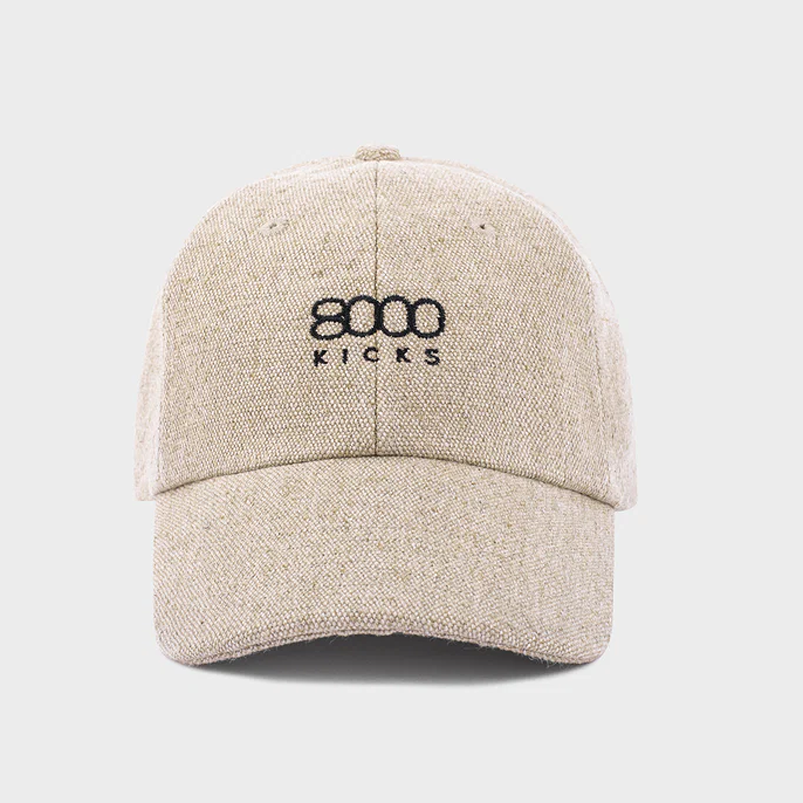
However, footwear isn’t the only thing the brand does well. Its hemp caps are another excellent example of how sustainable materials can be combined with timeless design.
The caps feature a classic six-panel construction that offers durability, comfort, and a structured fit. Rather than following fast-changing fashion trends, they embrace a clean, minimalist style that works with almost any outfit.
Whether you’re heading into town, travelling, or simply spending time outdoors, a simple cap is one of those versatile accessories that quickly becomes part of your everyday wardrobe.
A Minimalist and Stylish Design
There are no oversized logos or distracting design elements—just a clean, well-made cap that focuses on quality rather than unnecessary decoration.
The six-panel design balances comfort with durability. The stitched panels help the cap maintain its shape while allowing it to fit comfortably on a wide range of head sizes. Combined with hemp fabric, the result is an accessory that’s designed to last through years of regular use.
Minimalist accessories also tend to age better than trend-driven fashion. A neutral cap can be worn season after season without looking outdated, making it a smarter long-term purchase.
Why Hemp Is Such an Impressive Material
Although hemp has been used for thousands of years, it remains one of the most underrated natural fibres available today. Modern fashion has relied heavily on cotton and synthetic materials, but hemp offers many advantages.
Hemp fibres are naturally strong, making products more resistant to everyday wear and tear. Clothing and accessories made from hemp often have a longer lifespan than those made from many conventional fabrics.
The fabric is also naturally breathable. It allows air to circulate more effectively than many synthetic materials, helping to keep you comfortable during warmer weather. At the same time, hemp gradually softens with use while retaining its strength, meaning your cap becomes even more comfortable over time.
Clearing Up the Hemp Misconception
One of the reasons hemp has taken so long to become mainstream is a widespread misunderstanding about what it actually is.
Many people hear the word “hemp” and immediately think of cannabis. While hemp and marijuana both belong to the Cannabis family, they are grown for entirely different purposes. Industrial hemp contains only tiny amounts of THC, the compound responsible for the psychoactive effects associated with marijuana. Those levels are far too low to produce any intoxicating effect.
Hemp grown for textiles is cultivated specifically for its long, durable fibres rather than for recreational or medicinal use. A hemp hat, bag, or pair of trainers has absolutely no ability to make anyone high.
Understanding this distinction has helped remove much of the stigma that surrounded hemp for decades.
Hemp Can Be Grown in England
Another major advantage of hemp is that it grows successfully in many parts of Europe, including England.
Unlike cotton, which generally requires warmer climates and significant amounts of water, hemp is well suited to European conditions. This creates opportunities for local agriculture and reduces the need to import raw materials from across the world.
Local production can shorten supply chains, reduce transportation emissions, and support regional farming communities.
Hemp Is Naturally Environmentally Friendly
The crop grows rapidly, develops deep roots, and naturally competes against many weeds. In suitable climates, hemp often requires considerably less irrigation, relying on natural rainfall.
As it grows, hemp also absorbs significant amounts of carbon dioxide from the atmosphere, making it one of the more environmentally beneficial crops available for textile production.
Perhaps even more fascinating is hemp’s role in phytoremediation. Researchers have found that hemp can absorb certain heavy metals from contaminated soils, helping improve land quality in specific environmental restoration projects. While this isn’t the purpose of every commercial hemp crop, it highlights just how versatile and valuable the plant can be.
A Material That Reduces Waste
One of the simplest ways to reduce the environmental impact of clothing is to buy products that last longer.
Hemp’s exceptional durability means fewer replacements over time, reducing waste and making better use of natural resources. Because hemp fibres are biodegradable, they also avoid many of the long-term waste problems associated with petroleum-based synthetic textiles.
As concerns about textile pollution and microplastics continue to grow, natural fibres like hemp offer an appealing alternative.
Hemp Is Becoming More Popular in Fashion
For many years, hemp clothing was associated with rough fabrics and niche eco-friendly brands. That perception has changed dramatically.
Modern processing techniques now produce hemp fabrics that are soft, comfortable, and suitable for a wide variety of clothing. Today, hemp is used in trainers, hats, jackets, backpacks, wallets, trousers.
Fashion brands increasingly recognise that hemp delivers both sustainability and performance without compromising comfort or appearance.
Keeping Safe in the Sun
A hat is only one part of staying safe outdoors.
When the sun is strong, try to:
- Wear sunglasses that provide good UV protection.
- Apply sunscreen to exposed skin.
- Wash off skin before letting pets kiss you due to zinc oxide (also deodorants/cosmetics/cocoa butter cream).
- Drink plenty of water to stay hydrated.
- Spend time in the shade during the hottest part of the day.
- Wear lightweight, breathable clothing made from natural fibres.
- Read about about pet safety in warmer weather.
A Note About Babies and Hats
This hats are designed for adults. However, if you have a baby, it’s useful to know when hats should—and shouldn’t—be worn.
According to The Lullaby Trust, babies should wear hats outdoors in cold weather. But hats, socks, cardigans, and other extra layers should be removed as soon as you move indoors or into a warm car.
Babies mainly regulate their body temperature through their heads. Leaving a hat on indoors can make them overheat, which increases the risk of illness and is one of the factors linked with sudden infant death syndrome (SIDS).
It recommends indoor temperatures between 16°C and 20°C for sleeping.
If you think a baby may be too warm, check the temperature of their chest or back, rather than their hands or feet, which often feel naturally cooler.
Signs that a baby may be overheating include:
- Sweating
- Damp hair
- Flushed skin
- Rapid breathing
- Being unusually restless or crying intensely
If these signs appear, remove a layer of clothing and move the baby to a cooler environment if necessary.
Parents and carers can also read more about safe clothing, bedding, and sleeping arrangements to help reduce the risk of overheating.