Naked Paper Recycled Kitchen Roll: a greener way to clean
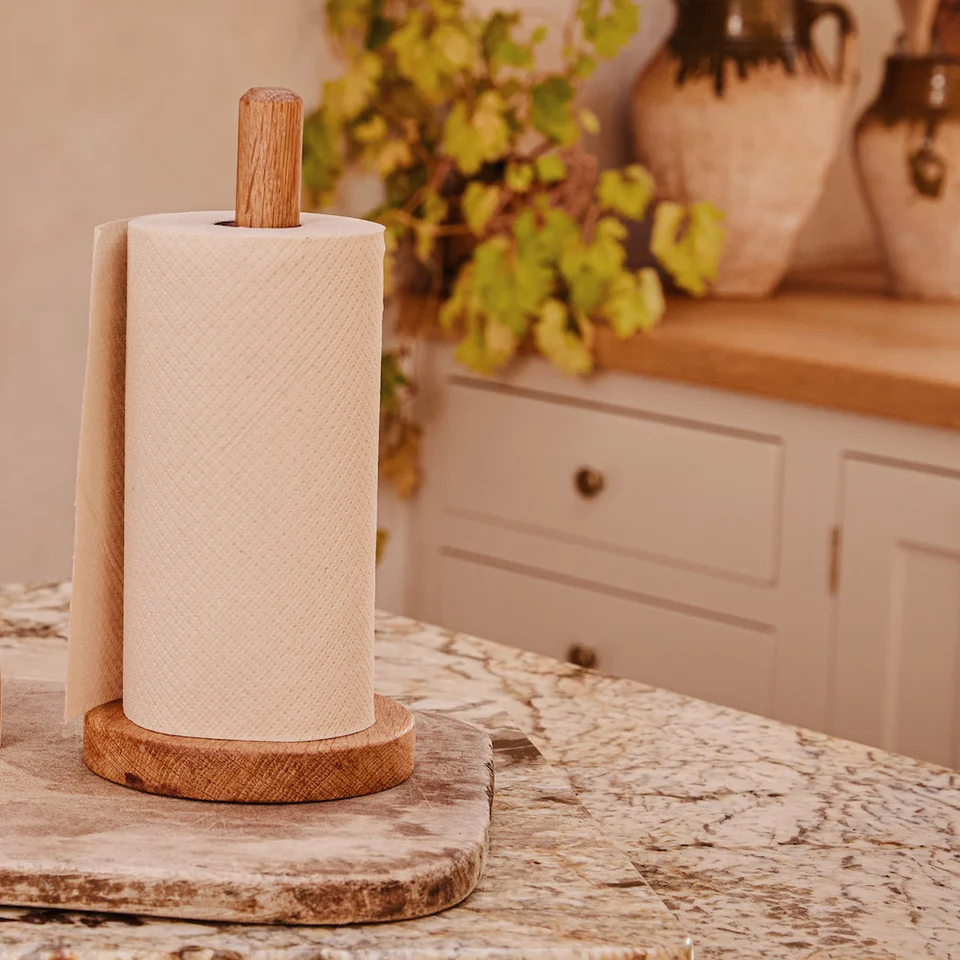
Kitchen roll has become one of those everyday household essentials that we often reach for without thinking. From wiping up spilled drinks and cleaning kitchen surfaces to tackling everyday messes, paper towels are convenient, quick and easy to use.
If you are looking for a simple way to make your cleaning routine more environmentally conscious, switching to recycled kitchen roll is an easy swap.
Naked Paper is a super eco-brand, offering recycled paper kitchen roll, facial tissues, kitchen roll and bathroom tissue, all sold in zero waste packaging.
Each year, around trees are chopped down daily (mostly in Boreal forests that are home to moose, elk, wolves and grizzly bears), just to make kitchen roll and toilet paper that are then wrapped in plastic. Just imagine the effect if everyone switched to recycled paper, sugar cane or bamboo rolls instead?
Just bin used kitchen roll (it’s too thick to flush down loos, and too greasy to compost). If used, choose zero waste cleaning brands (unscented for pregnancy/breastfeeding/babies and near pets (citrus oils are toxic even if rinse/dried on floors or counters).
Each year, around trees are chopped down daily (mostly in Boreal forests that are home to moose, elk, wolves and grizzly bears), just to make kitchen roll and toilet paper that are then wrapped in plastic. Just imagine the effect if everyone switched to recycled paper, sugar cane or bamboo rolls instead?
Just bin used kitchen roll (it’s too thick to flush down loos, and too greasy to compost). If used, choose zero waste cleaning brands (unscented for pregnancy/breastfeeding/babies and near pets (citrus oils are toxic even if rinse/dried on floors or counters).
Why choose zero waste kitchen roll?
Kitchen roll is one of those everyday household essentials that can be surprisingly wasteful. We use it to wipe up spills, clean surfaces, dry our hands and tackle countless little messes, then throw it away after a single use.
The first reason to consider zero-waste kitchen roll is less packaging. Many conventional household paper products come wrapped in plastic, creating additional waste before the product has even been used.
Zero-waste kitchen roll can also encourage us to think about how much paper we actually use. Because disposable paper towels are so convenient, it is easy to pull off more than necessary. A small spill might only require a single sheet, while a reusable cloth could sometimes handle the same job.
There is also the question of what happens after use. Used kitchen roll generally cannot be recycled if it has been contaminated with food, grease or cleaning chemicals. Depending on local waste rules and the materials involved, some clean or lightly used paper products may have different disposal options.
Perfect for everyday kitchen spills
Spills are part of everyday kitchen life. Water gets knocked over, food splashes onto the worktop and sauces somehow find their way onto surfaces.
Kitchen roll is particularly useful for those moments because it is readily available and easy to use.
Naked Paper recycled kitchen roll can be kept close to hand for those quick clean-ups. Tear off what you need, wipe away the mess and dispose of the used sheet appropriately.
Whether you are cleaning up after breakfast, preparing dinner or dealing with an unexpected spill, having reliable kitchen roll nearby makes everyday cleaning easier.