The Foot Book (remedies for common foot and nail problems)
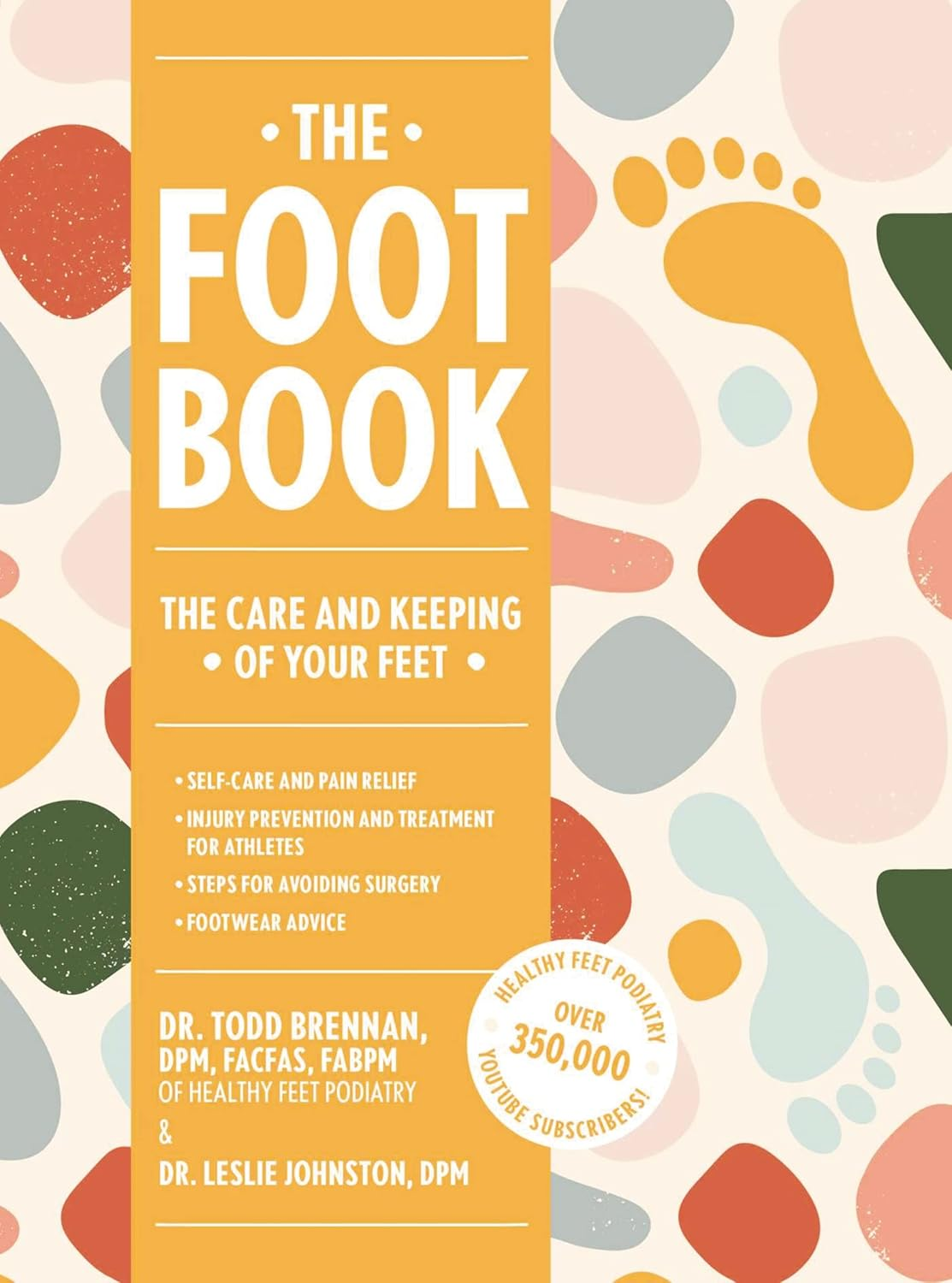
The Foot Book is the ultimate guide to taking care of your feet, penned by two highly-trained (podiatrists). It explains how our feet (and walking) works. Learn how to prevent and heal common foot problems in adults and children. Many issues can be solved by buying good shoes.
This book will also save you money, by avoiding buying remedies that don’t work. For instance, the authors explain that bunions are a ‘bony problem’, so spending money on soft tissue splints won’t work.
It also has tips and help for:
- Hammertoe
- Corns and calluses
- Nail & foot Fungus
- Ingrown toenails
- Ball of foot pain
- Gout
- Warts
- Lumps, bumps & masses
- Heel pain
- Flat feet & high arches
- Arch pain
- Achilles tendinitis
- Arthritis
- Child foot pain
- Sports injuries
- Skin cancers
- Diabetes & feet
Remedies for common foot problems
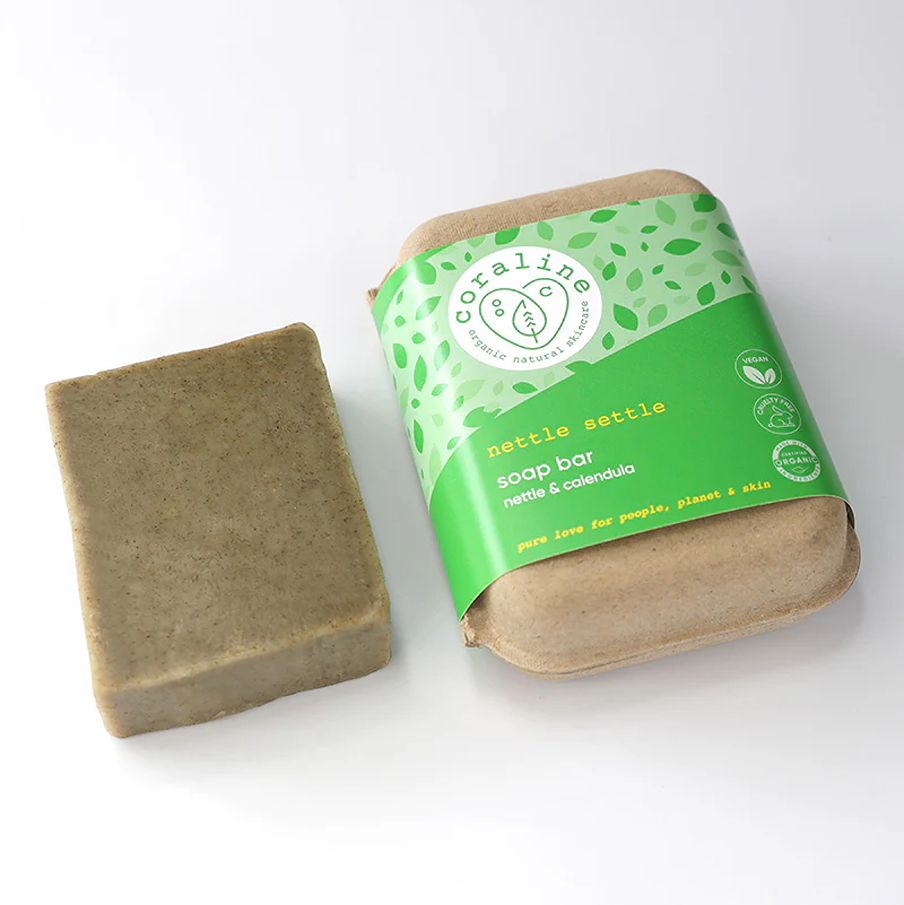
We only get one pair of feet, so it pays to take care of them. Rather than using chemicals and stuffing them into pointed uncomfortable shoes, use natural products and give them some love and care!
Some issues need just a few tweaks, others call for medical help. Here’s a cheat sheet for natural foot fixes:
- Bunions (wear wide shoes and toe spacers and do foot exercises. Seek help for severe pain or rapid growth.
- Corns & Calluses (use a pumice stone and foot oil, and wear roomy shoes). Seek help for bleeding, infection or if you have diabetes.
- Blisters (clean with saline, cover loosely and avoid popping). Seek help for signs of infection.
- Ingrown toenails (use warm salt water soaks, and lift edge with clean cotton). Seek help for spreading redness or pus.
- Cracked heels (daily oil, soft socks and gentle exfoliation). Seek help for deep cracks and ongoing pain.
- Nail infections (diluted cider vinegar, keep nails short). Seek help if they spread or there is no improvement.
- Tendinitis (rest, ice, gentle stretching). Seek help for persistent swelling/pain.
- Gout (stay hydrated, avoid rich foods, try cherry juice). Get a copy of The Vegan 8 cookbook (these recipes helped to heal the author’s husband’s gout). No oil or gluten, but she is really talented, so the meals taste great! Seek help for high fever or severe attacks.
Diabetes and special foot considerations
Diabetes reduces feeling and blood flow in the feet, so even tiny injuries can turn serious (and even lead to amputation). Inspect your feet daily for cuts, redness, or swelling.
Safe habits for diabetic foot care:
- Wash and dry feet gently every day
- Moisturise, but skip between the toes
- Don’t walk barefoot – even indoors
- Wear seamless socks and well-fitted shoes
- See a foot specialist at least once a year
Stopping smoking is important, as is checking water temperatures when bathing (people with diabetes sometimes can’t feel hot or cold).

How to treat nail infections, naturally
Reduce alcohol, refined grains and sugar (including fruit juice). Use a natural cotton bud to ‘paint’ nails with coconut oil then cover with a plaster, until nails grow out.
Podiatrists do not recommend neat tea tree oil, as it could cause contact dermatitis.