Reasons to Switch to Zero Waste Cotton Buds

Plastic cotton buds are now illegal to sell in England, but there are still lots around (including abroad where there are not bans), plus many brands are still sold in plastic packaging.
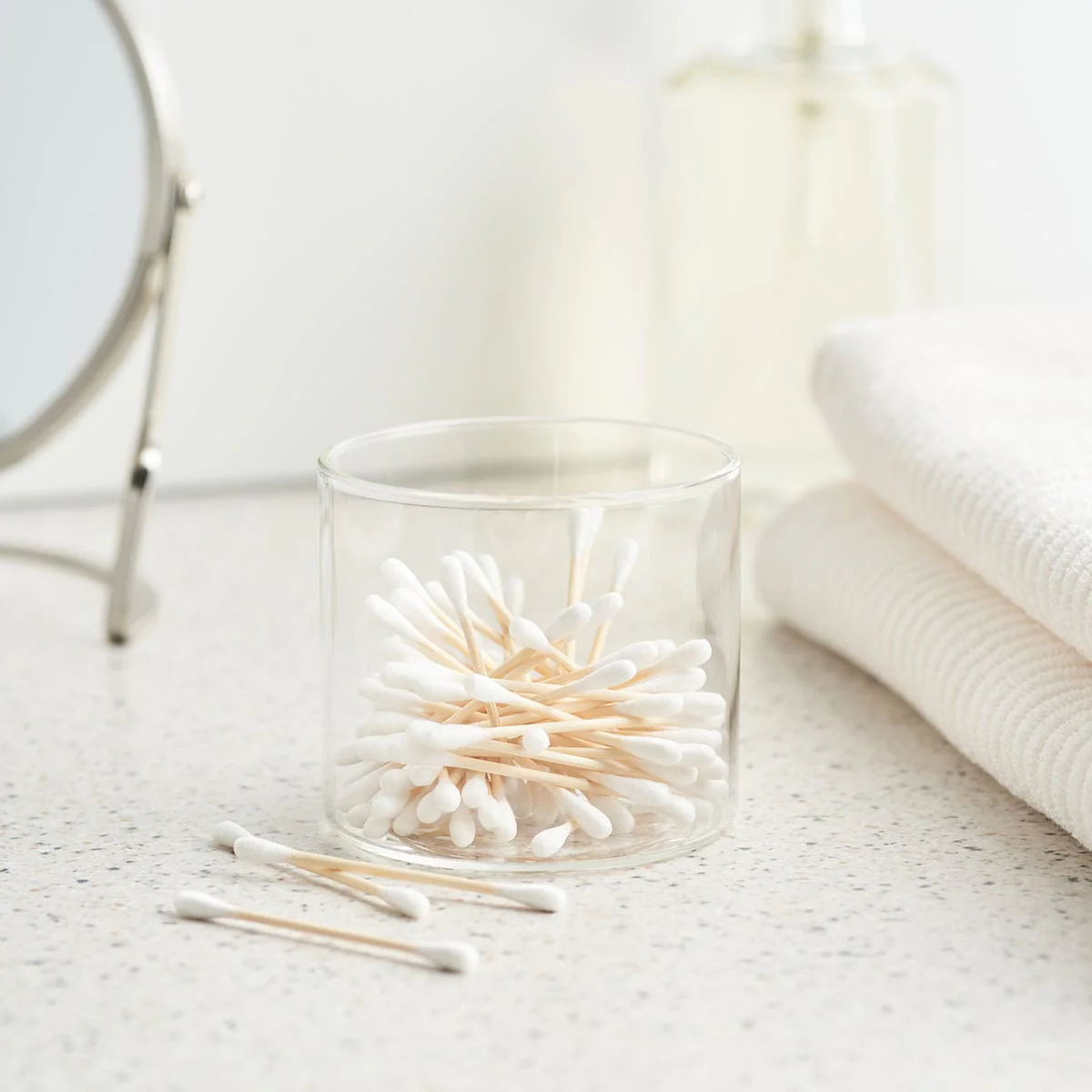
Jungle Culture is a good brand of biodegradable cotton buds, made from organic cotton and bamboo. This brand uses a strong and thick durable species of bamboo, meaning these buds are difficult to break.
How to Dispose of Cotton Buds
Don’t use cotton buds to clean your ears (you could damage your eardrum, especially for babies). For wax inside the ears – clean up your diet, use a wet flannel, or visit the GP to get your ears syringed (you’ll hear better too!)
Better uses for cotton buds include:
- Cleaning small electronics or keyboard crevices
- Touching up natural nail polish
- Applying ointment to minor cuts
- Cleaning jewellery
Disposal tips:
- If using fully compostable buds, place them in your home or food waste compost bin.
- If not, toss in your regular waste, not the recycle bin.
- Never flush buds down the toilet.
Plastic waste in oceans
Plastic cotton buds often slip through drains, glide past filters, and head straight for waterways. Their lightweight build and tiny size make them hard to catch. When these plastic pieces enter the sea, they become food for seahorses, fish, and even seabirds. Marine creatures mistake them for food, swallow them, and sometimes end up with bellies full of plastic.
- Animals can’t digest plastic. This leads to injury, blocked digestive tracts, or even death.
- Plastic waste never really disappears. It just breaks into smaller bits called microplastics, which spread even further up the food chain.
- Beaches and reefs suffer too. You’ll find these buds washed up on coastlines or tangled in corals, damaging delicate habitats.
The danger is quiet but real. Marine life struggles to survive, and plastic fills the waters that should nourish them.
Too small for sewer filters
Wastewater treatment plants do a decent job at filtering big trash, but cotton buds? They’re too small. Most filtration systems can’t trap these skinny sticks, so they sneak through.
- Unfiltered buds get flushed. People often toss them down the toilet, not the bin, sending them straight into drains.
- From toilet to river. Sewage systems carry the buds into streams and rivers, where birds and fish can swallow them.
- Buds build up over time. One here or there seems like nothing, but multiply that by millions and it’s a lasting mess.
So, while it might feel like a single cotton bud won’t hurt, the collective impact is huge once they end up outside our homes.
Packaging adds to the problem
Have you ever noticed that most cotton buds arrive wrapped in more plastic or glossy cardboard? It’s not just the buds themselves causing harm—the packaging piles up, too.
- Plastic wrappers take ages to decay. Even small wrappers stick around in landfill or break into microplastics.
- Cardboard, if coated or waxed, can’t be recycled easily. Mixed materials make for even more waste.
- Excessive packaging for a simple product. Using lots of material for a one-time item turns a minor swap into a major waste source.
Minimal or recyclable packaging
The switch to zero waste includes smarter packaging. Most eco buds skip pointless plastic wraps and instead come in recyclable paper boxes or tins.
- Paper boxes break down or recycle easily in nearly every kerbside bin.
- Some brands use reusable tins or glass jars that you can refill or repurpose.
- Labelling is often printed with plant-based inks and kept to a minimum.
This new approach keeps extra rubbish out of the bin. The packaging won’t linger for years or release toxins over time. Compared to the old style, this is a huge step forward for both home bins and recycling systems.
Reusable Silicone Buds

They have mixed reviews, but there are now reusable silicone buds. They look like regular cotton buds but are built to last.
- Made from medical-grade silicone that’s gentle yet tough.
- Wash and reuse hundreds of times with a quick rinse under the tap.
- Often come in their own little case, making them handy for travel or work.
Just think—one reusable bud can take the place of many single-use versions. You’re not only saving money but also keeping a steady stream of waste out of the bin week after week.