Zero Waste Coffee Making Tools (plastic-free)
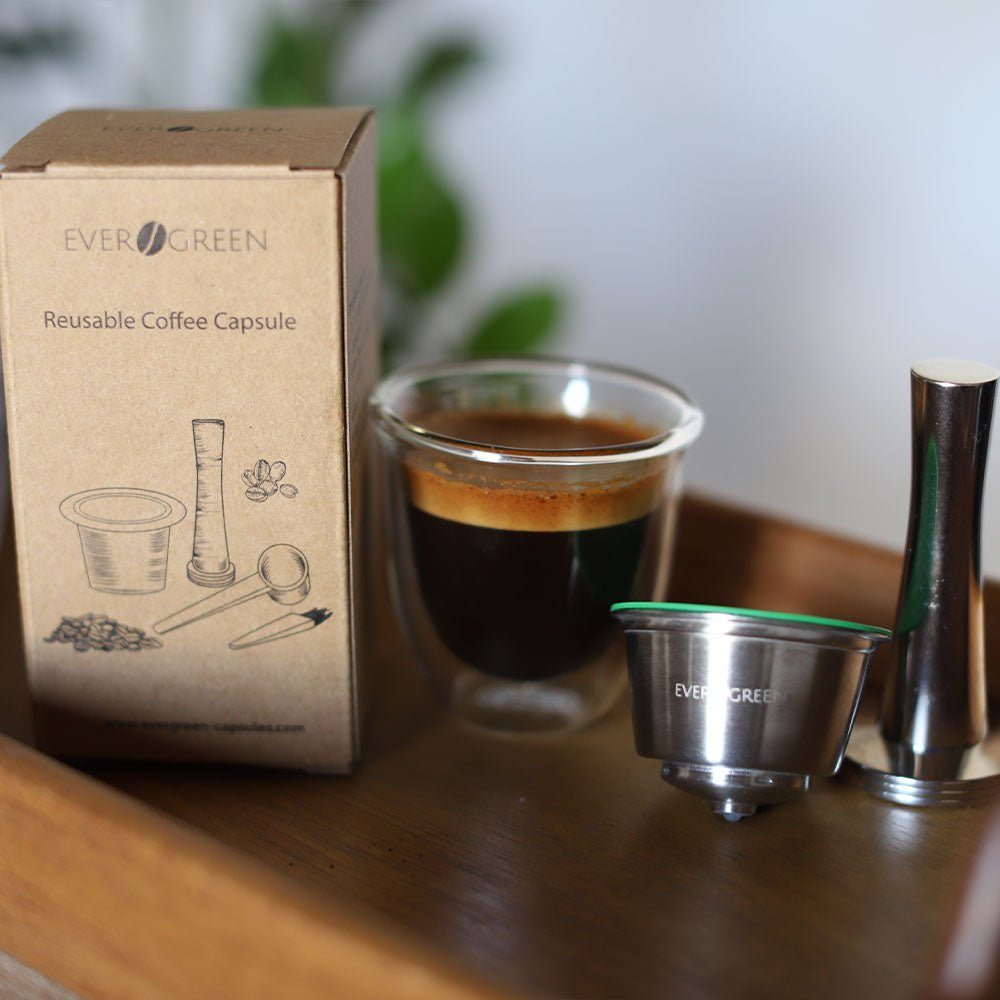
Evergreen Capsules, based in Spain and shipping worldwide, offers reusable stainless steel coffee pods designed to last for years. Instead of continually buying disposable pods, these durable capsules provide a simple, low-waste alternative that can save money over time. Wholesale orders are also available.
Use code englandnaturallysite for 15% discount. Free shipping to the UK
Avoid caffeine for pregnancy/nursing. We like Sanctuary Coffee (profits help animals!) Unless you have a food waste bin, just bin coffee grounds to avoid harm to compost creatures.
Swishing coffee grounds into sinks could clog drains, so use a SinkShield. Unless you have a food waste bin, just bin coffee grounds to avoid harm to compost creatures.
How do reusable coffee pods work?
The capsules are designed to work with compatible coffee machine brands without affecting your machine’s warranty. Making a coffee takes around 20 seconds: simply fill the capsule with your favourite ground coffee, tamp it down (a tamper is available with your order), close the capsule, and brew as normal.
Available in a range of styles to fit different coffee machines, Evergreen says its reusable capsules have helped almost 100,000 customers reduce waste while cutting their coffee costs by up to 85%.
As a one-time purchase, they could save regular coffee drinkers thousands of pounds compared with continually buying disposable pods.
Why choose stainless steel coffee pods?
Unlike disposable coffee pods, which combine plastic and aluminium and are difficult to recycle, stainless steel capsules are durable, reusable and produce virtually no packaging waste after purchase.
Disposable coffee pods have become a major environmental issue, with an estimated more than 50 billion discarded worldwide each year. Most are not accepted in standard household recycling collections, meaning they are typically sent to landfill or incineration.
CoffeeSock: Organic Cotton Reusable Coffee Filter
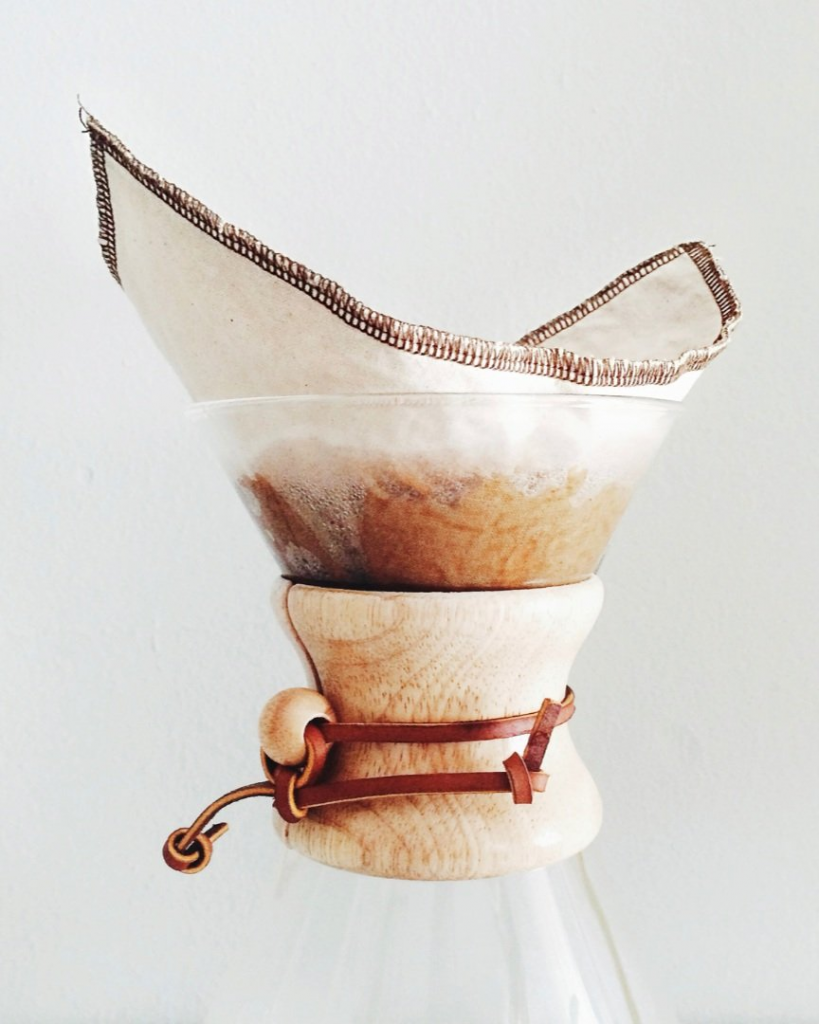
CoffeeSock is a one-time purchase. Made in Texas from organic cotton. Sold in the UK on Etsy.
One CoffeeSock can replace around 500 disposable paper coffee filters, making it a simple way to reduce waste and save money. More than 1 million CoffeeSocks have been sold!
How to Use
Before using your new CoffeeSock for the first time:
- Boil it in fresh water for 10 minutes.
- Add your ground coffee and brew as normal.
After making coffee:
- Leave the coffee grounds to dry inside the filter.
- Empty the grounds into your food waste or bin.
- Rinse the filter with clean water.
- Leave it to air dry before using it again.
Cleaning Your CoffeeSock
Every few weeks, give your CoffeeSock a deeper clean.
- Boil it in fresh water for 10 minutes.
- Add 1 teaspoon of baking soda to the water to help remove coffee oils and stains.
With normal use, a CoffeeSock should last for about one year. When it reaches the end of its life, cut it into small pieces before putting it in the bin or your home compost, if suitable.
Disposal of Coffee Grounds
Avoid washing used coffee grounds down the sink, as they can contribute to blocked drains. A sink strainer, such as a SinkShield, can help catch any stray grounds before they enter the plumbing.
Although coffee grounds are often promoted as compostable, they should be binned or placed in food waste bins. Due to caffeine that could harm compost creatures (same with tea leaves).
The same for acidic food scraps (peppers, citrus, rhubarb, tomato and allium scraps – onions, garlic, leeks, shallots and chives).
Why Choose a Reusable Coffee Filter?
Buying one reusable filter instead of hundreds of paper filters helps reduce waste. Because it lasts so long, it can also save money over time.
Many coffee lovers also prefer reusable cotton filters because they do not add the slight papery or woody taste that some disposable paper filters can give. This allows more of the coffee’s natural flavour to come through.
The Problem with Paper Coffee Filters
Disposable paper coffee filters use natural resources every time they are made. Producing them requires trees and large amounts of water, and many brands bleach the paper to make it white.
Once used, coffee filters cannot usually be recycled because they contain food waste. They are normally thrown away, where they may end up in landfill. As food waste breaks down in landfill, it can produce methane, a greenhouse gas that contributes to climate change.
Many paper filters are also sold wrapped in plastic film.
If you prefer to use disposable filters, choose If You Care unbleached paper filters. They come in cardboard packaging and avoid chlorine bleaching.