Nifty little inventions to keep your drains clear
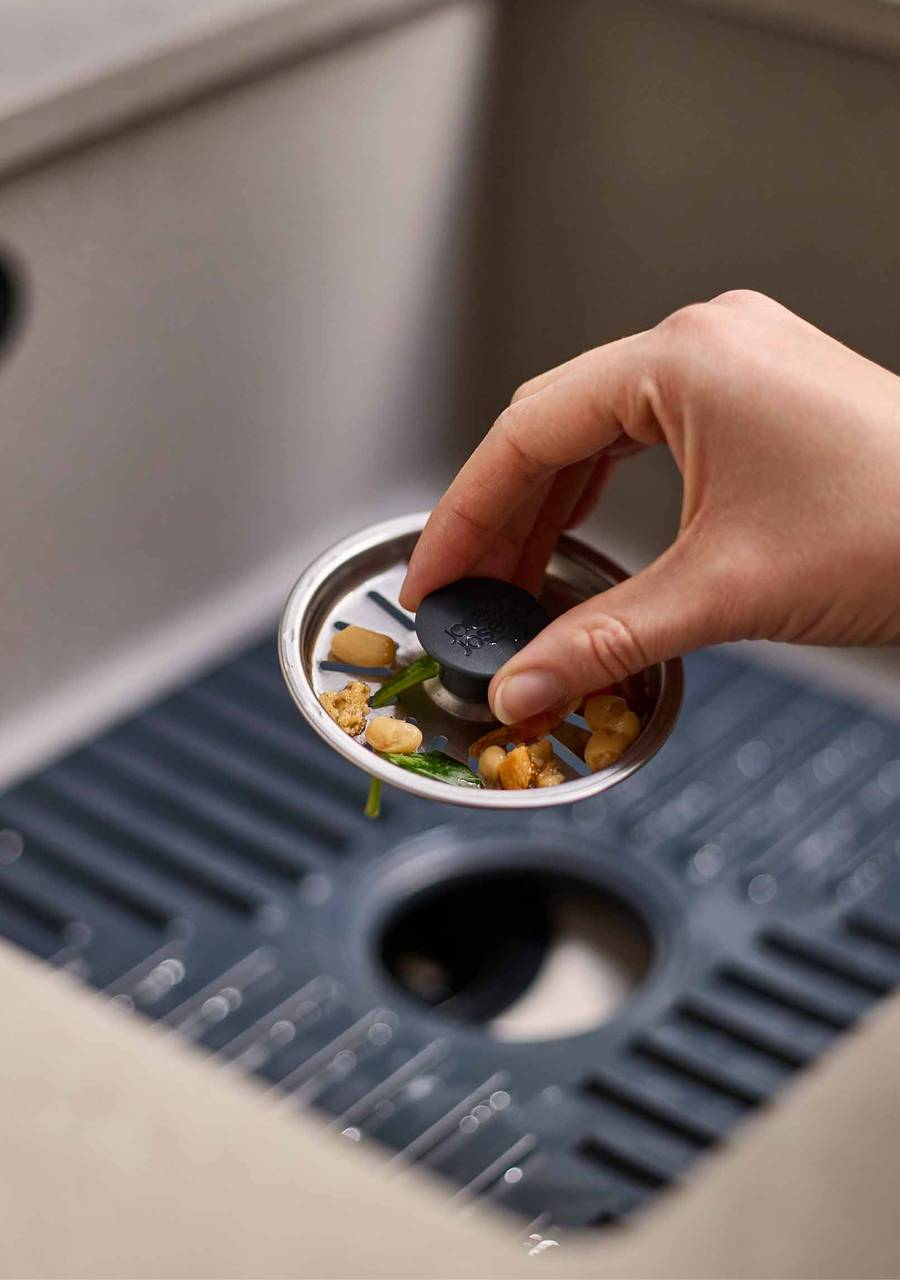
Sinkshield is a small but very useful investment for your kitchen. Simply place it in your sink to catch food scraps, tea leaves, and coffee grounds before they wash down the drain. This helps prevent blockages, saving you from expensive plumber bills and the inconvenience of a clogged sink.
As well as protecting your drains, Sinkshield helps look after your kitchenware. The soft, protective surface reduces the risk of scratching delicate crockery, glasses, and your sink itself. The non-slip feet lift the grooved surface slightly, allowing water to drain away more easily while keeping items safely supported.
Avoid caffeine for pregnancy/nursing. Latest research suggests excessive tea leaves (and coffee grounds) could impact compost creatures due to caffeine. So either pop in food waste bins or just bin.
For the best results, allow hot cookware to cool to room temperature before placing it on top of the sink protector. Sinkshield is designed to protect your sink surface, but it should not be used while fully submerged in water.
Other food scraps to keep out of compost
Also put these in food waste bins or bins, due to acidity that could affect compost creatures:
- Pepper scraps
- Onion, leek, garlic, shallot, and chive scraps
- Citrus peel and fruit scraps
- Tomato scraps
- Rhubarb scraps
Noah’s Soda Crystals (natural drain cleaner)
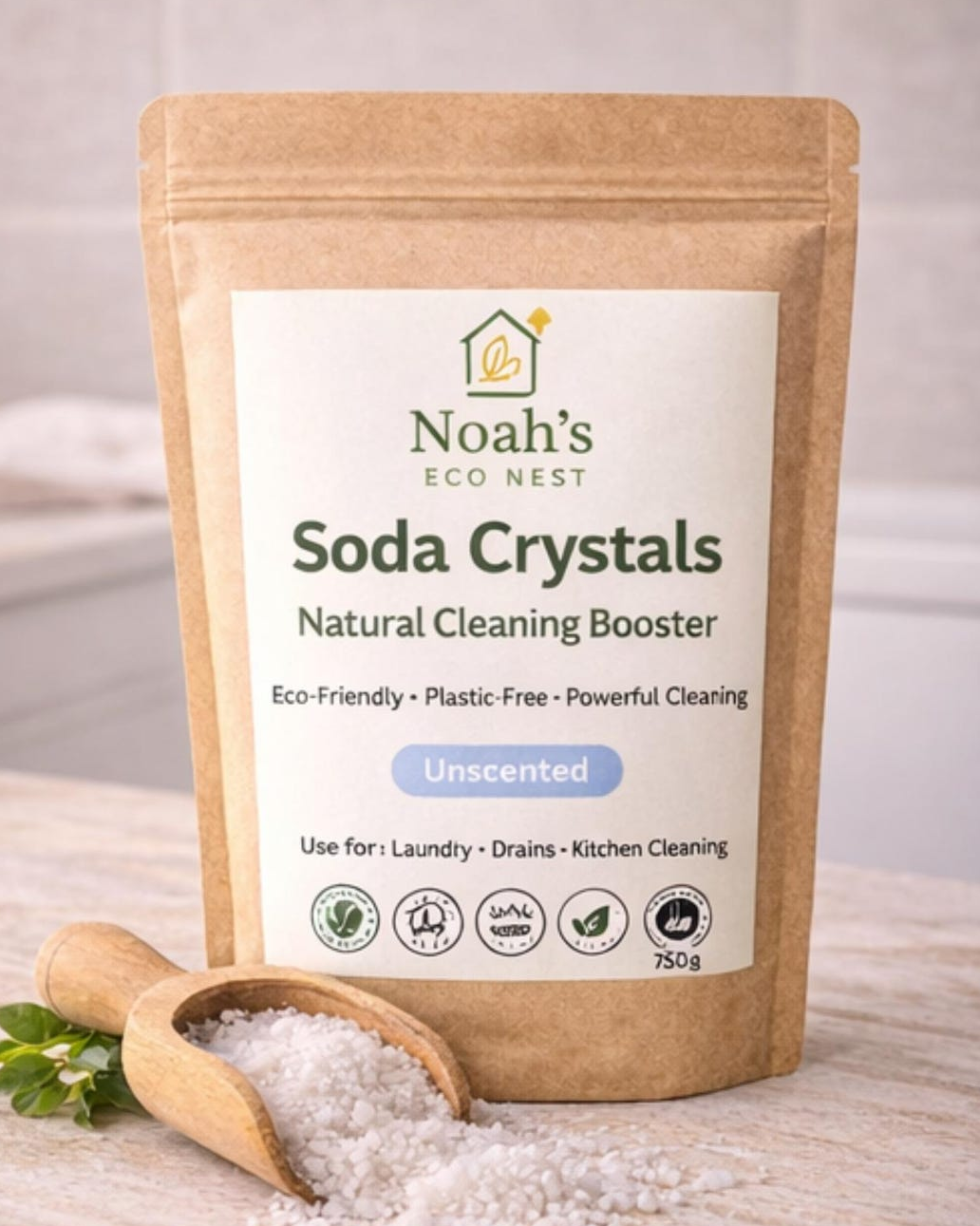
Noah’s soda crystals are sold in an easy-to-recycle Kraft paper pouch. Ideal to remove grease and dirt, you can also add 1 to 2 tablespoons to your washing machine as a laundry booster.
To clean drains, just add 2 tablespoons followed by hot water.
Wear natural rubber gloves and old clothing, wash hands after use. Keep away from eyes, children and pets (citrus is toxic to animals).
Where to recycle toxic cleaning liquids
You can recycle empty bottles at kerbside. For bottles with product inside, don’t pour down drains. Instead take to your council’s hazardous waste.
A silicone hair catcher (for shower cubicles)
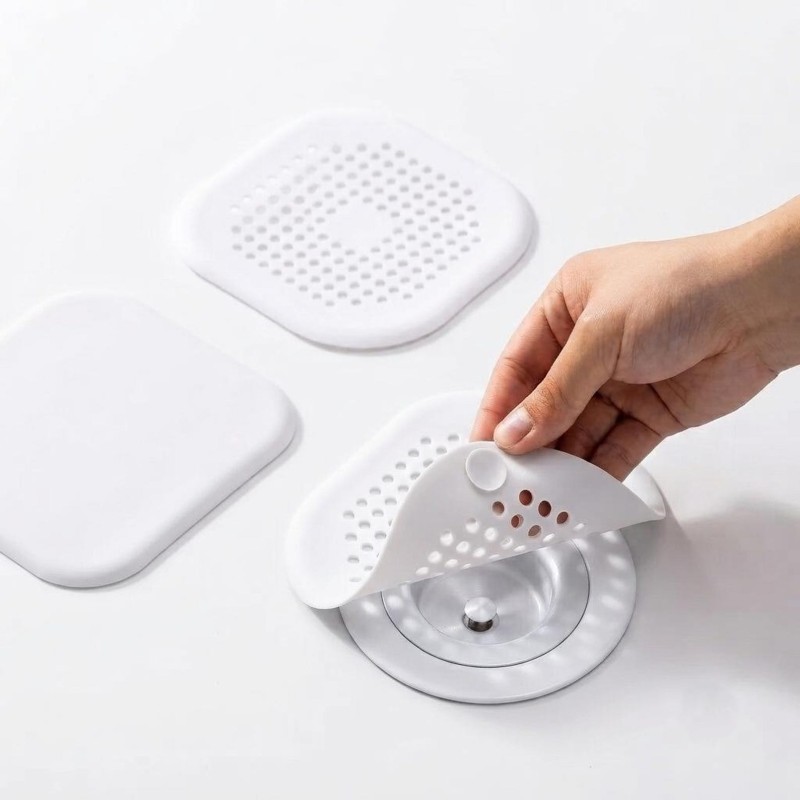
The best preventive measure for clogged hair in showers is a silicone hair catcher. This simply fits over the drain to stop hairs clogging, so you can just remove and bin them.
Never put loose hair (from showers or haircuts) in gardens (nor pet fur). Birds don’t need this, it can choke or go mouldy, and even get caught around legs, cutting off circulation. Birds have been making nests for thousands of years, they don’t need our help with ‘extra materials.
Tips to prevent clogged hair in shower cubicles
- Brush your hair before showering to remove loose strands, especially if you have long hair. This can reduce the amount of hair that ends up in the drain.
- Clean the drain periodically. Once a month, you can pour ½ cup of bicarbonate of soda (baking soda) down the drain, followed by 1 cup of cleaning vinegar. Leave it for 10–15 minutes, then flush with hot water. This may help with minor odours and light residue, although it’s less effective on substantial blockages than mechanical cleaning.
- Flush the drain regularly with hot water. Running hot (not necessarily boiling) water down the drain once a week can help reduce soap scum buildup that traps hair.
- If your plumbing uses PVC pipes, repeatedly pouring boiling water directly into the drain is generally not recommended, as very hot water can stress some plastic plumbing components over time. Hot tap water is usually sufficient for routine maintenance.
Tubshroom (a nifty device to stop clogged sinks)
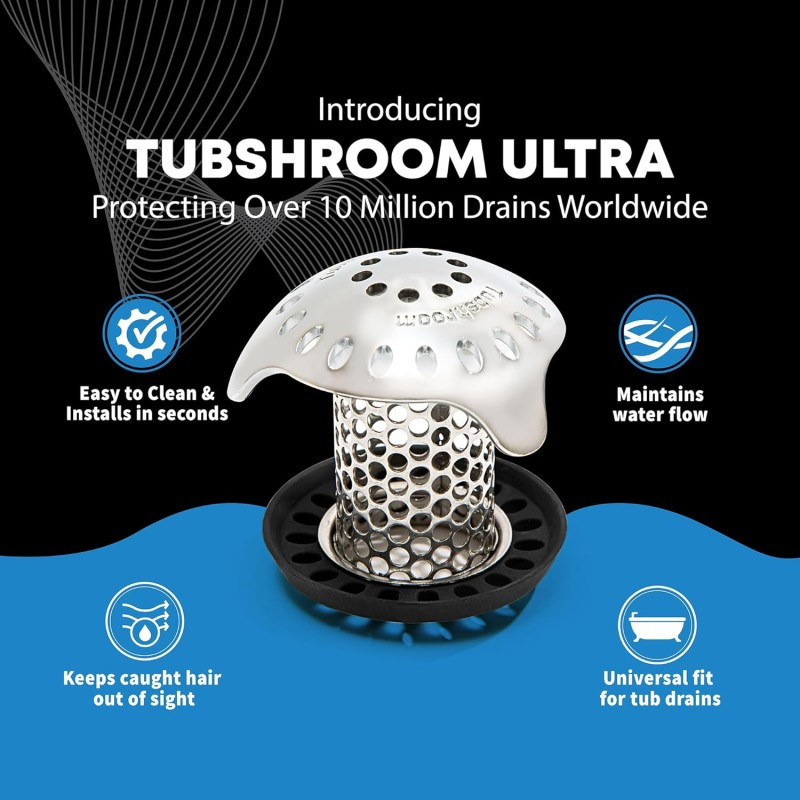
One of the easiest ways to stop blocked shower drains is by using a Tubshroom. This is a simple drain protector that sits inside your shower drain and catches hair before it goes into the pipes.
Instead of letting hair collect inside the drain, the TubShroom wraps the hair around the outside of the device. Water continues to flow through while the hair stays trapped, making it easy to remove.
Unlike disposable drain covers, the TubShroom is a one-time purchase. Once you have it, you can use it for years without needing replacements.
Using a drain catcher can save you from paying for expensive plumbing repairs. A blocked drain can easily cost around £80 or more to clear, depending on how serious the blockage is. Preventing the problem in the first place is much cheaper and much less stressful.
Cleaning the TubShroom only takes a minute.
Simply remove it from the drain and pull away the hair and other debris collected around the outside. Rinse it under running water and place it back into the drain.
If you want a deeper clean, the TubShroom is also dishwasher-safe, making maintenance even easier.
Clearing existing blockages
If your drain is already clogged, the same company also makes another useful tool called the DrainShroom Snake.
This flexible cleaning tool attaches to a power drill. As the drill spins, the snake travels through the pipe to help break up stubborn clogs caused by hair and other debris.
Using a drain snake can often remove blockages without needing harsh chemicals or calling a plumber. It is especially useful for shower, bath, and bathroom sink drains where hair is the main cause of the blockage.
Try a natural drain cleaner
For slow-draining sinks or minor blockages, you can also use a simple homemade cleaning solution made from baking soda and cleaning vinegar
This method is popular because it helps break down soap scum, grease, and other residue without damaging your pipes.
- Pour ½ to 1 cup of baking soda into the drain.
- Slowly add 1 cup of cleaning vinegar.
- Cover the drain with a plug or cloth.
- Leave the mixture to work for 15 to 30 minutes.
- Carefully flush the drain with boiling water.
The baking soda and vinegar react together, creating bubbles that help loosen dirt and residue stuck inside the pipes. After flushing with hot water, the loosened material is washed away.
Simple ways to prevent blocked drains
- Remove trapped hair after every few showers.
- Never pour cooking grease or oil down the kitchen sink.
- Run hot water down sinks regularly to help wash away soap residue.
- Avoid flushing wipes, cotton buds, or sanitary products down the toilet.
Even Greener cooking oil recycling bin
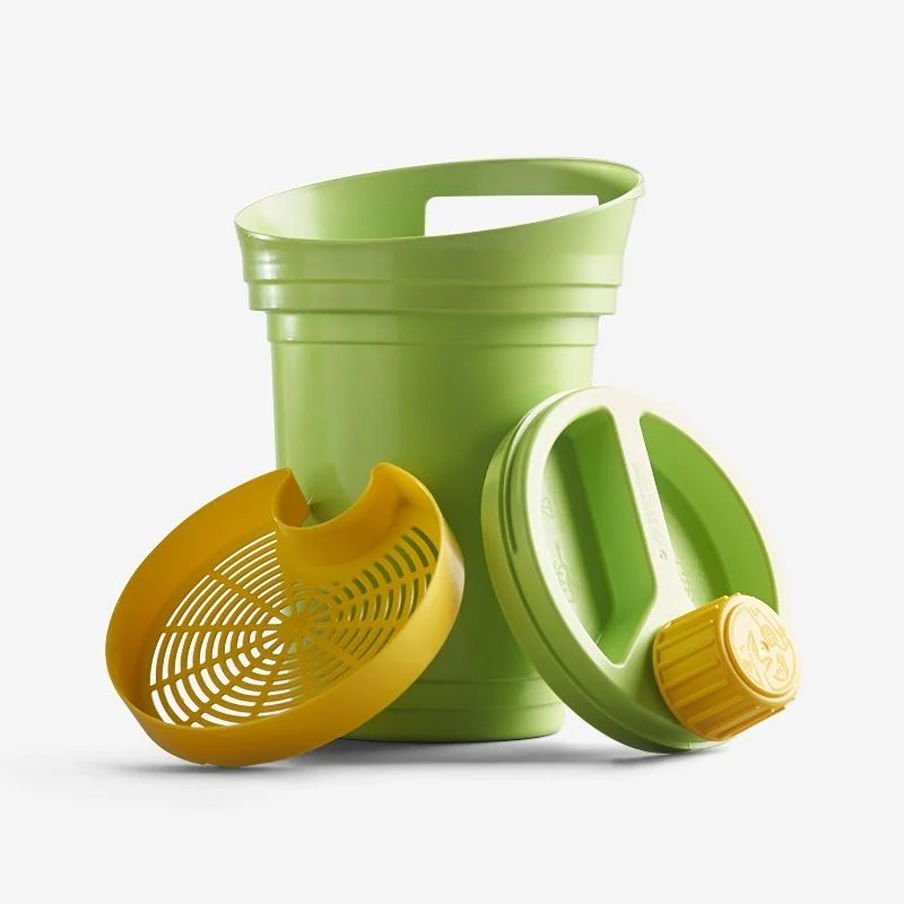
If you only have a small amount of used vegetable oil, soak it up with kitchen roll and place it in your household bin. This is the simplest and safest way to dispose of small quantities.
Never pour cooking oil down the sink. Even if it looks like it washes away, oil cools and hardens inside pipes. Over time it mixes with grease and other waste to form huge blockages known as fatbergs. These can block drains, damage sewers and cost millions of pounds to remove.
The same advice applies to cream liqueurs and other fatty liquids. Instead of pouring them away, try to use them up where possible.
If you regularly use larger amounts of cooking oil, consider buying a cooking oil recycling bin. Collect the used oil and take it to a local recycling point or oil recycling bank. Recycled cooking oil can be turned into useful products such as biodiesel.
Using less oil
One easy way to reduce the amount of oil you use is by cooking with an air fryer. Many foods become crispy using little or no added oil, making it a convenient option for everyday meals.
You can also use non-stick cookware, bake or steam food more often, or brush on a thin layer of oil instead of pouring it straight into the pan.
Don’t give fatty leftovers to birds
It may seem kind to feed leftover fatty food to birds, ducks or swans, but it can actually do more harm than good.
Greasy foods can coat birds’ feathers, damaging their natural waterproofing and insulation. This makes it harder for them to stay warm and dry, especially during colder weather.
Which are the healthiest cooking oils?
There is no perfect cooking oil. All oils are highly refined and are best used in moderation as part of a balanced diet.
Chef Brandi Doming prefers to avoid cooking oils altogether. Rather than using extracted oils, she recommends eating whole food sources of healthy fats, such as olives instead of olive oil or nuts instead of nut oils. Whole foods provide fibre and other nutrients that refined oils do not.
For those who do cook with oil, choosing the right one depends on how it will be used.
Rapeseed oil is one of the best all-round choices, especially in the UK. It is produced locally from the bright yellow flowering fields seen across the countryside each spring, making it a lower-food-mile option than imported olive oil.
It has a relatively high smoke point, making it suitable for roasting, frying and everyday cooking. It is especially good for making crispy roast potatoes, without needing goose fat.
Olive oil is famous for its role in the Mediterranean diet and is excellent for salad dressings, dips and drizzling over cooked vegetables.
While many people also cook with olive oil, some prefer to reserve extra virgin olive oil for lower-temperature cooking because heating can reduce some of its flavour and beneficial plant compounds.
Sunflower oil is affordable and widely available. It can be part of a balanced diet when used in moderation.
However, nutritionist Michaella Mazzoni advises against repeatedly deep-frying with sunflower oil. High cooking temperatures can damage the oil’s structure. She compares it to a broken vase that has been glued back together—it may still look similar, but it is no longer quite the same.
Coconut oil has become popular in many recipes, particularly Asian cooking. However, it contains more saturated fat than butter, so eating large amounts regularly may increase cholesterol levels in some people.
It is also flammable when overheated, so care should always be taken during cooking.
An occasional coconut curry is perfectly fine for most people, but coconut oil is best enjoyed as an occasional ingredient rather than an everyday cooking fat.