Switch to zero waste plant pots and sleeves (plastic-free)
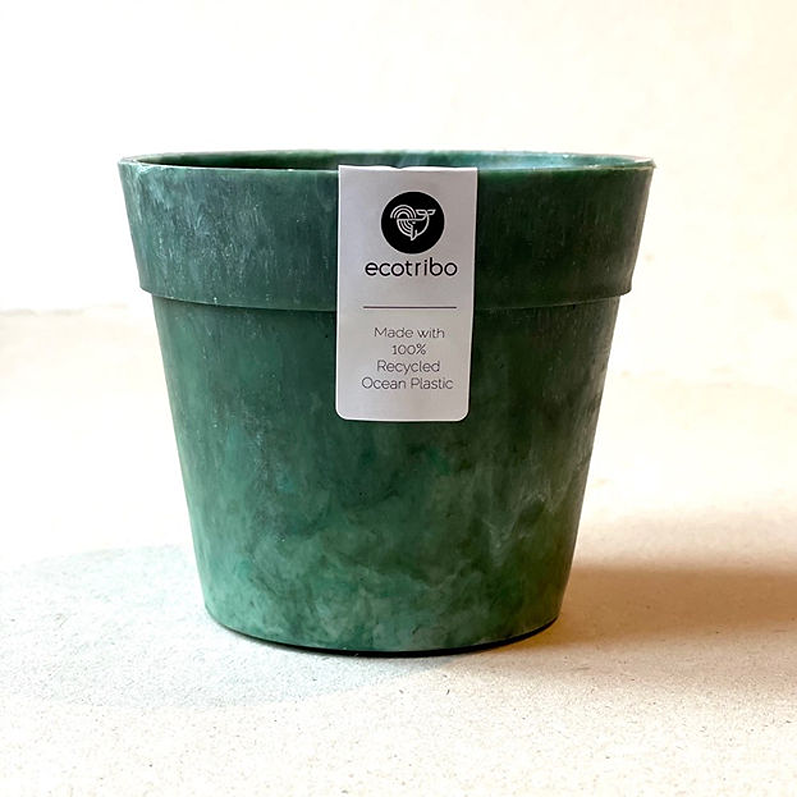
Whether you use plant pots outdoors or grow indoor plants, switching to zero waste plant pots helps to reduce the plastic mountain (plastic is made from oil, so also supports the fossil fuel industry). Here are a few ideas – from plant pots made from fishing waste to alternatives to plastic plug pots for seedlings.
Ecotribo makes plant pots from fishing waste!
Don’t leave full watering cans around, as small creatures could drown.
Keep unsafe flowers away from pets
Blue Cross has tips on pet-friendly gardens. Campaigners want warnings on seed packs (and in gardening books) to alert of dangers. Learn more about:
Many flowers are unsafe near pets (including indoor plants like sago palm and lilies). So be aware of this before buying/growing flowers, or gifting to others. PDSA has tips for pet-safe gardens. Find lists of plants/flowers that are toxic to:
- Dogs
- Cats
- Rabbits
- Guinea pigs
- Horses
- Toxic houseplants
- Toxic Christmas plants (holly, mistletoe, ivy, poinsettias)
Also never face indoor plants to face outdoor gardens, to help stop birds flying into glass windows.
Myth: indoor plants don’t ‘clean the air’
This is a 30-year old myth based on old NASA technology (the only way this could happen would be if you literally covered in a room in so many plants, that you would not be able to see or move!)
Ecotribo (plant pots made from fishing waste)
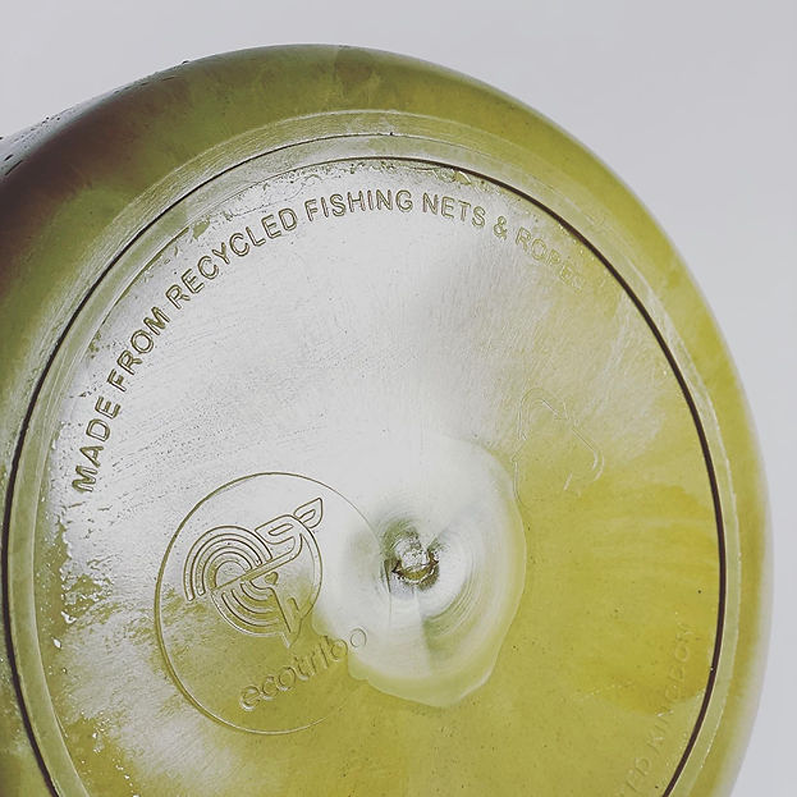
Ecotribo makes plant pots from fishing waste!
PosiPot (plastic-free transportation sleeves)
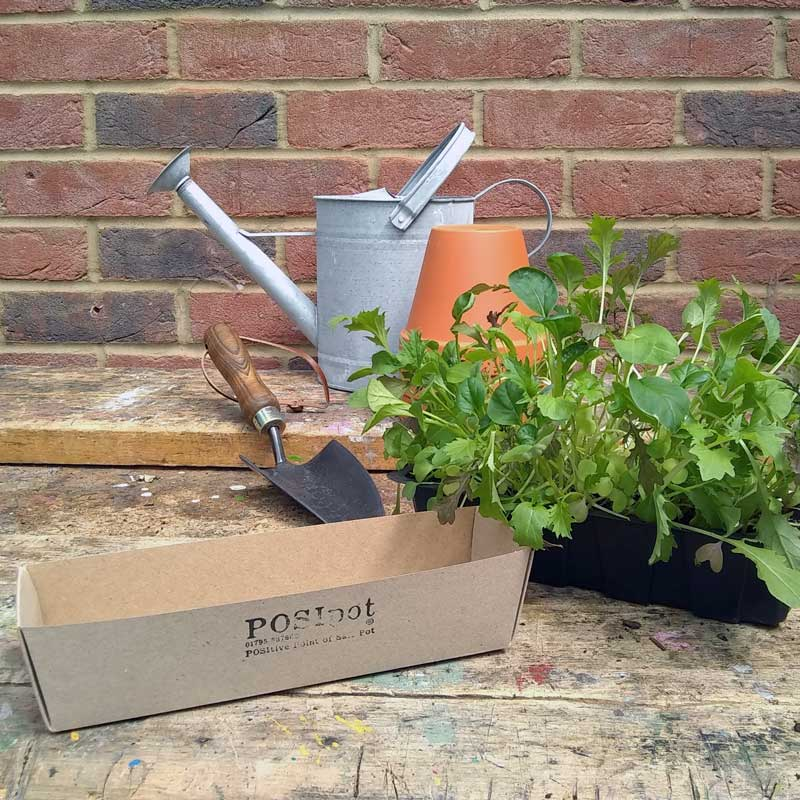
POSIpot is not a pot to grow plants in, but more a transportation sleeve, to replace plastic pots that are sold in garden centres (90% of plastic pots sold in garden centres are used only to transport pots home, then binned within hours). This leads to waste of 500 million plastic pots in circulation each year.
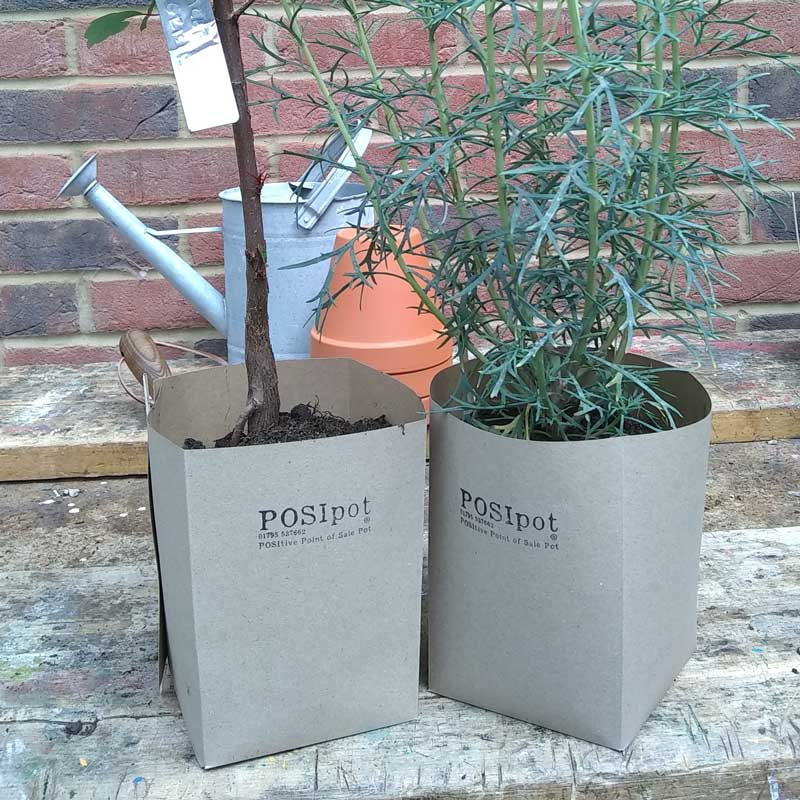
These eco pots instead are made from recycled cardboard. They are flat-packed and assembled to use to make round or square pots, and are designed to slow water absorption, so plants can sit outside for around a week. The fine roots then rapidly break down, when planted.
POTR (some made from ghost fishing waste)
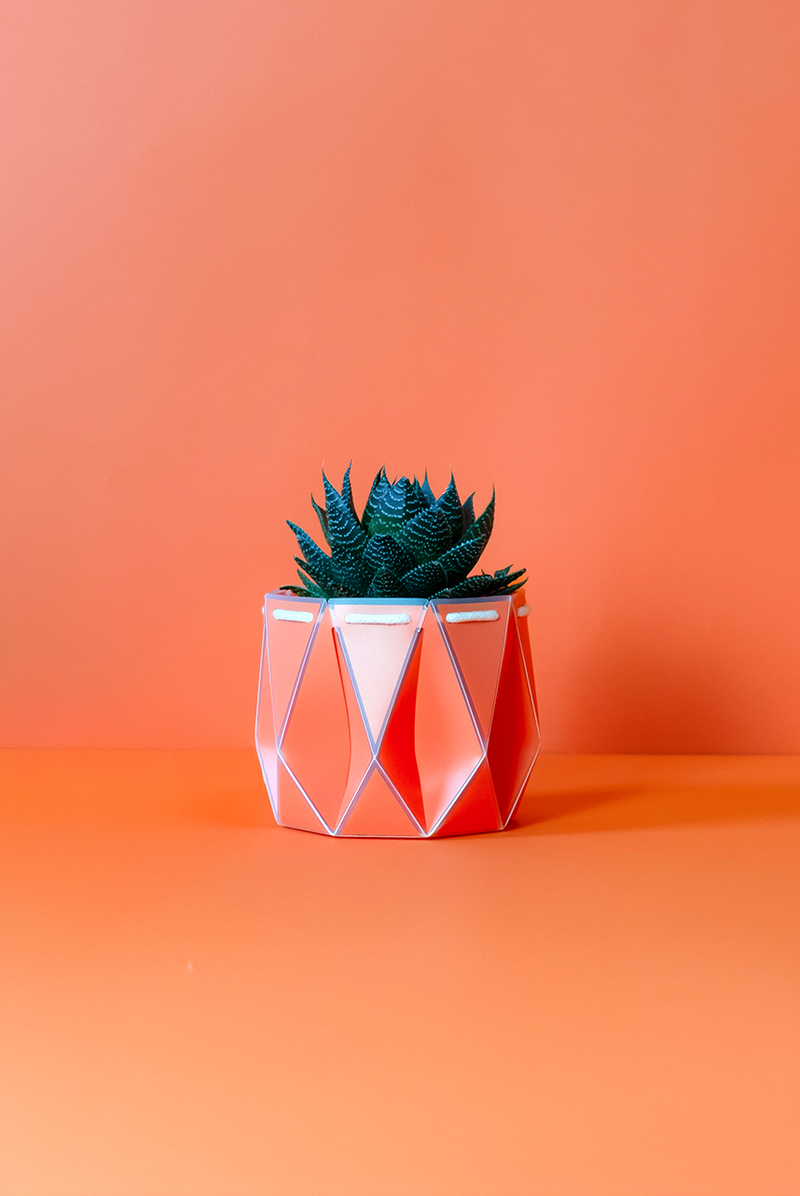
POTR is a range of pots inspired by origami, often made from recycled materials like ghost fishing waste. Sent through the letterbox, they spring into life on opening, just insert the wicking straw into the soil to watch plants thrive.
They are tall and stable enough to hold a litre of water for a bouquet of flowers, the soft silicone rim is kind to stems. Some are self-watering for up to 2 weeks, the wick self-regulates its own water intake, just top the reservoir back up when water level gets low.

The vases are made from recycled plastic and silicone. Sent flat-pack again.
Where to recycle plastic plant pots
Each year, over 500 million plastic plant pots (and trays) are thrown away in the UK, generating waste at landfills or incineration depots. Yet most councils don’t accept them, due to being ‘contaminated with soil’.
Enter your postcode at Recycle Now (some garden centres accept them). Black plant pots (like black bin bags) can’t be recycled, as sorting machines don’t recognise the colour, so they have to go in your bin.
The Eco Planter Company (made from bio-plastic)
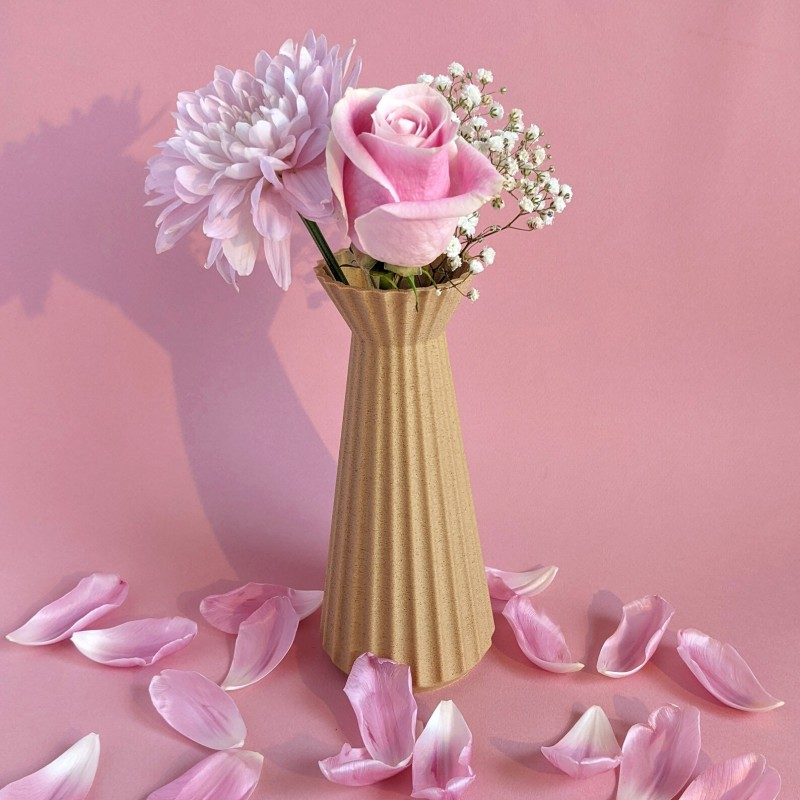
The Eco Planter Company creates delightful plant pots, all made with clean energy in a variety of styles and sizes. Made from organic and recycled materials, using a low-waste process.
The planters are made from a wood and corn-based bioplastic composite, which makes them as durable and water-resistant as plastic, but far better for the planet. They look, feel and smell like wood (they can be industrially composted, look for take-back schemes at garden centres and councils).