Natural fizzy sodas (free from refined sugar and sweeteners)
Most fizzy sodas sold in stores are made with refined sugar or artificial sweeteners (or increasingly both, due to trying to make more profits with the upcoming sugar tax).
Although water is best, sometimes we all like a fizzy soda. These are far better brands. Find them in good stores or order online in bulk, so you have something better to sip in hot weather!
Before recycling cans, rinse then pop ring-pulls over holes. Then step on upper cans to ‘pinch’ inner rims together, to avoid wildlife getting trapped. Raise money with a cans recycling scheme.
Check medication before consuming rhubarb or grapefruit (avoid hibiscus and caffeine including cola for pregnancy/nursing).
Keep canned drinks away from pets (some contain nutmeg).
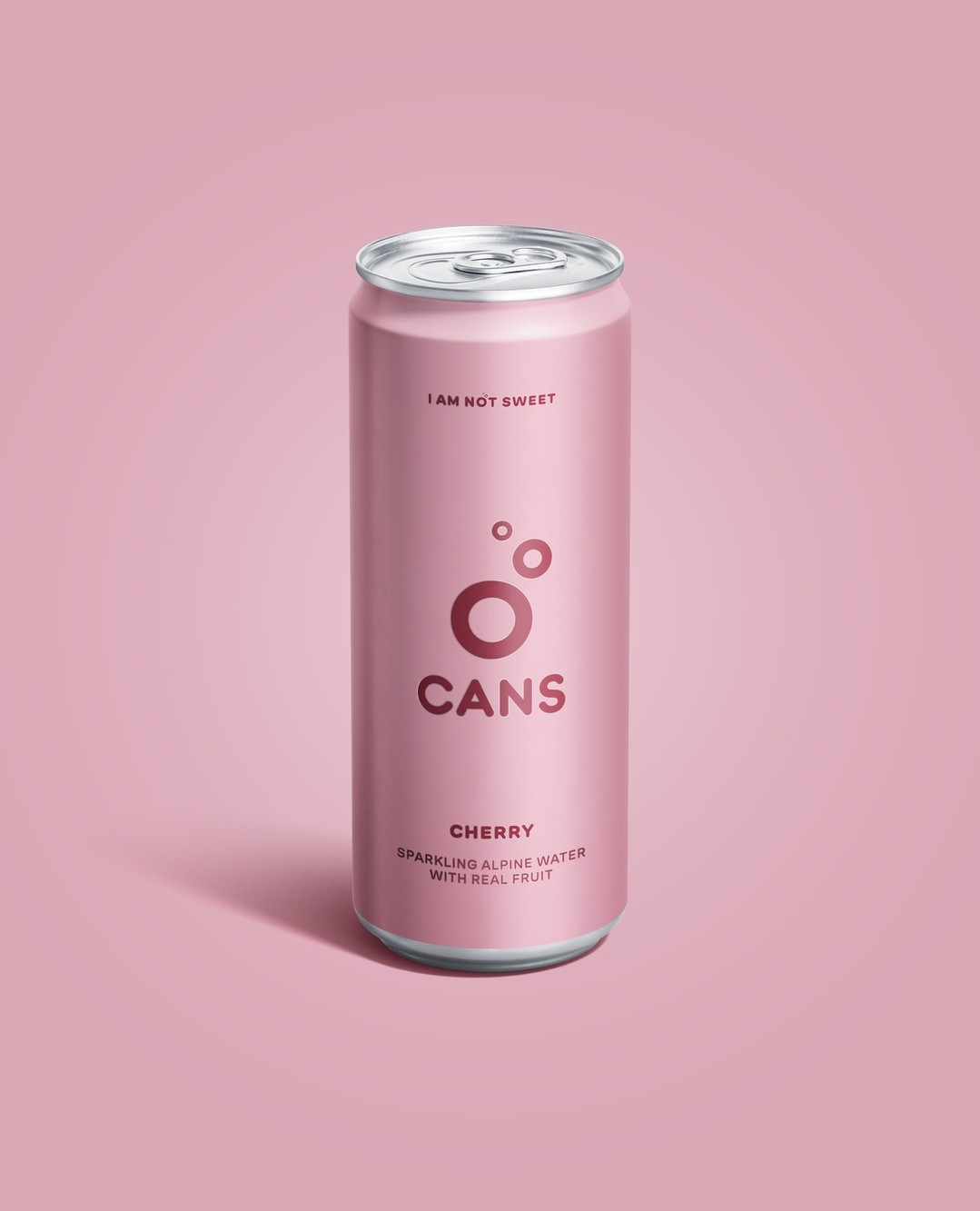
CANS (natural sodas that are not too sweet)
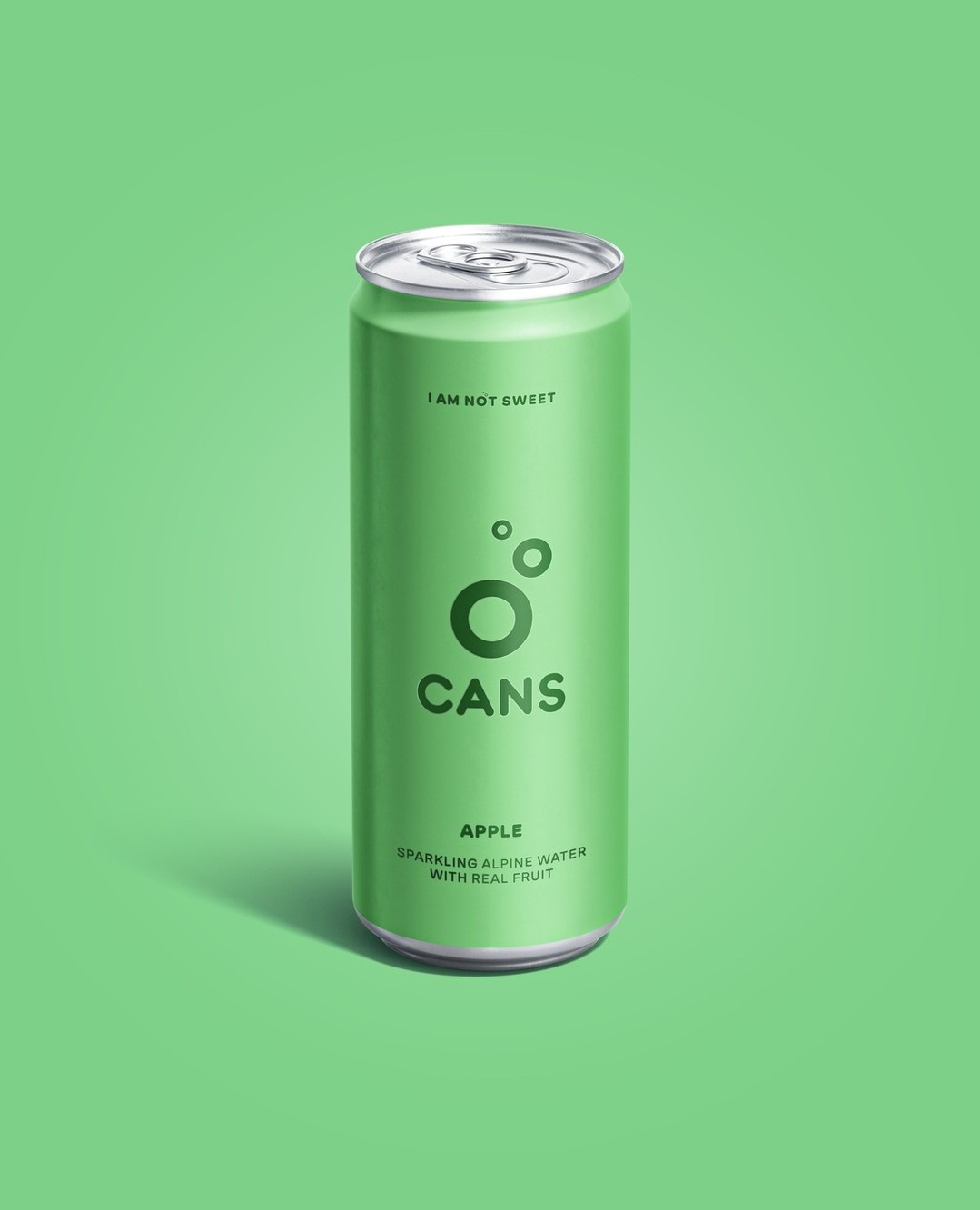
CANS is a southwest London brand of drinks, which makes not-overly-sweet sodas wiht alpine water and real fruits (just 6 calories per can). Free from sugar and artificial sweeteners, the cans are made from 75% recycled materials.
The range includes:
- Cherry
- Apple
- Mango
- Lemon
Iced sparkling peach tea
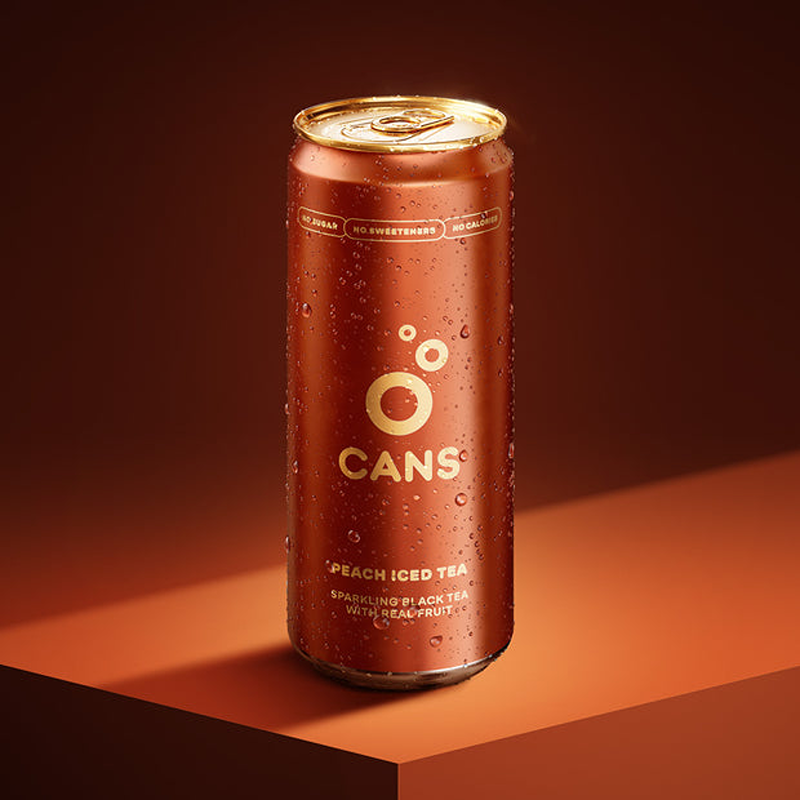
Cans has recently released a sparkling iced tea, made with black tea and a splash of real peach along with spring water. Best enjoyed iced cold.
Not for pregnancy/nursing
Steep natural sodas (made in Manchester)
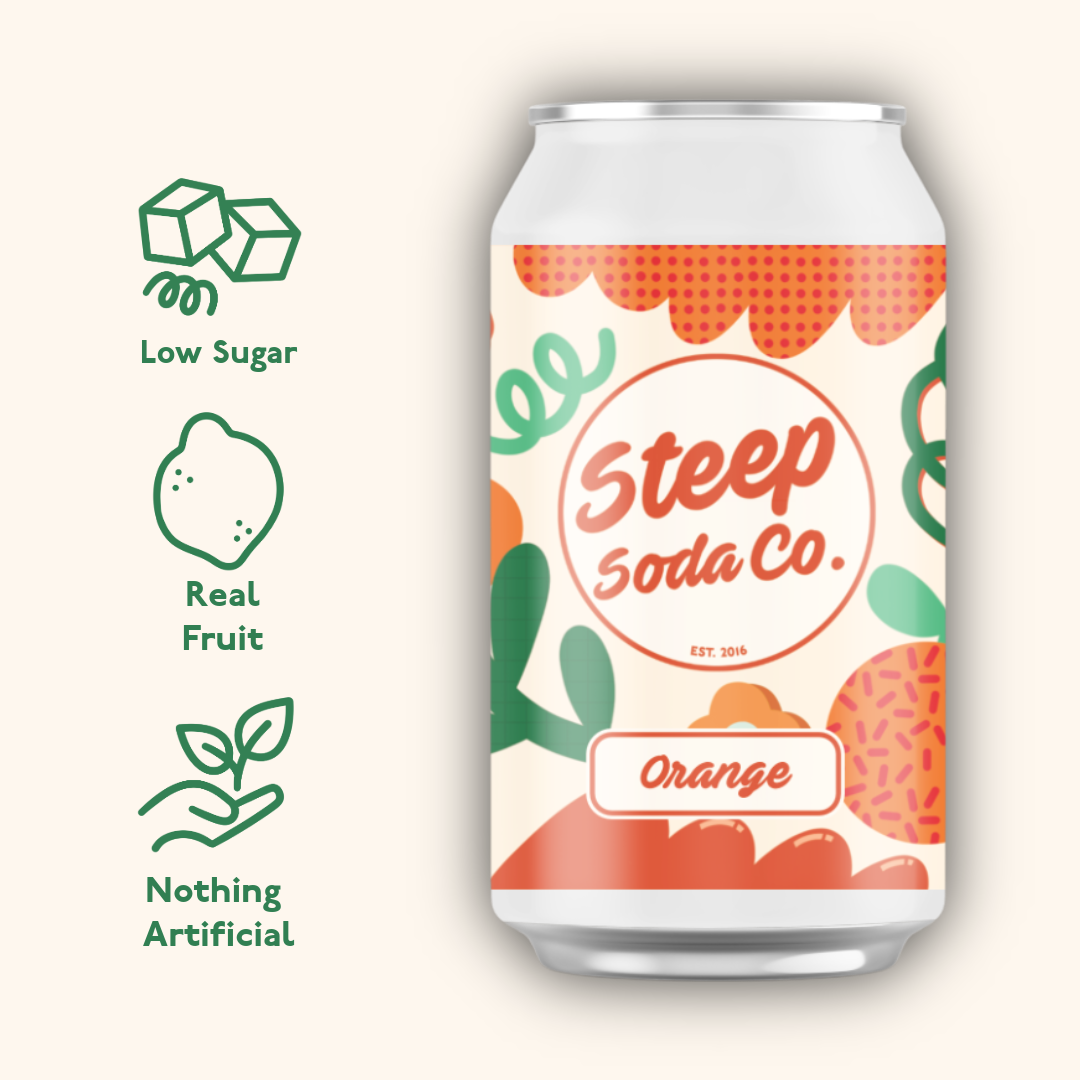
Steep Soda Co is a natural brand of fizzy pop. These drinks are made with fruits from small family farms, both in the UK and on the Mediterranean coast, to support fellow artisans and keep ‘soda miles low’. Made in Manchester!
The range includes:
- Lime & cucumber (tastes like a no-alcohol mojito)
- Ginger Beer (made with root ginger and lemon)
- Lemonade (also in a pink hibiscus lemonade)
- Seasonal sodas (rhubarb, spiced apple, blood orange)
Dalston’s natural sodas (made with real fruits)
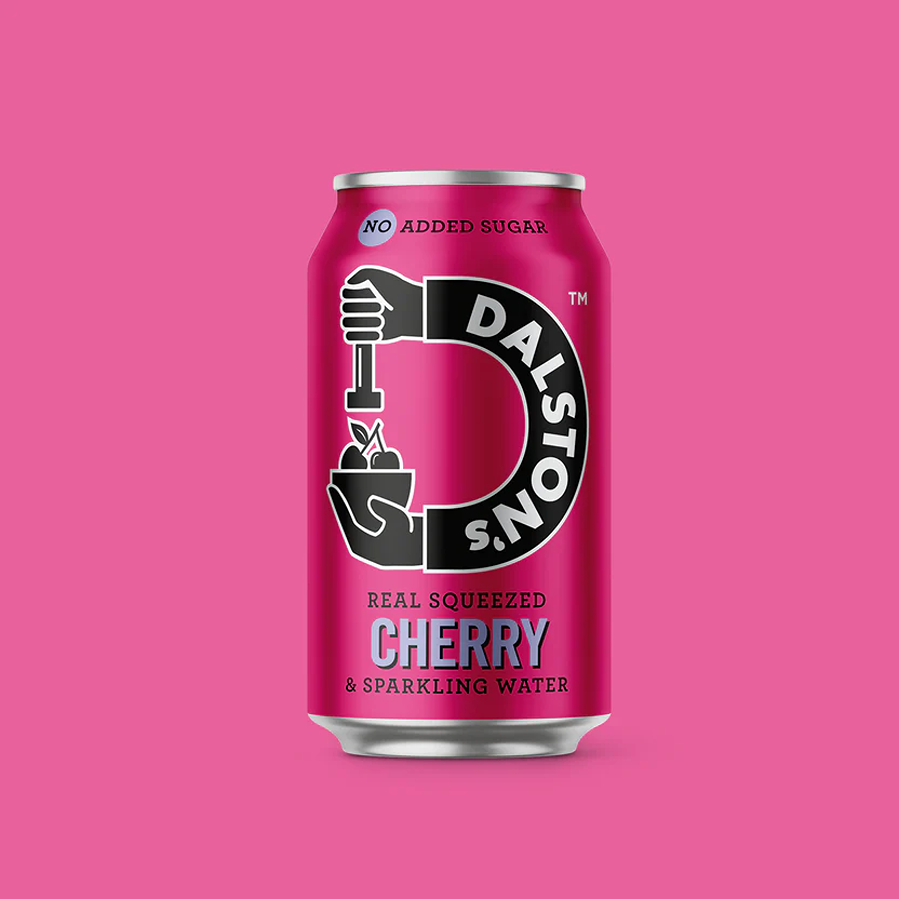
Dalston’s Soda Co was founded by a chef who did not like sugary soft drinks, so started experimenting in a kitchen in an East London nightclub. Each can is just 50 calories.
Everything is sustainably-sourced (elderflowers hand-picked from a farm in Ross-on-Wye). Pineapples are sourced from sustainable farms in Costa Rica.
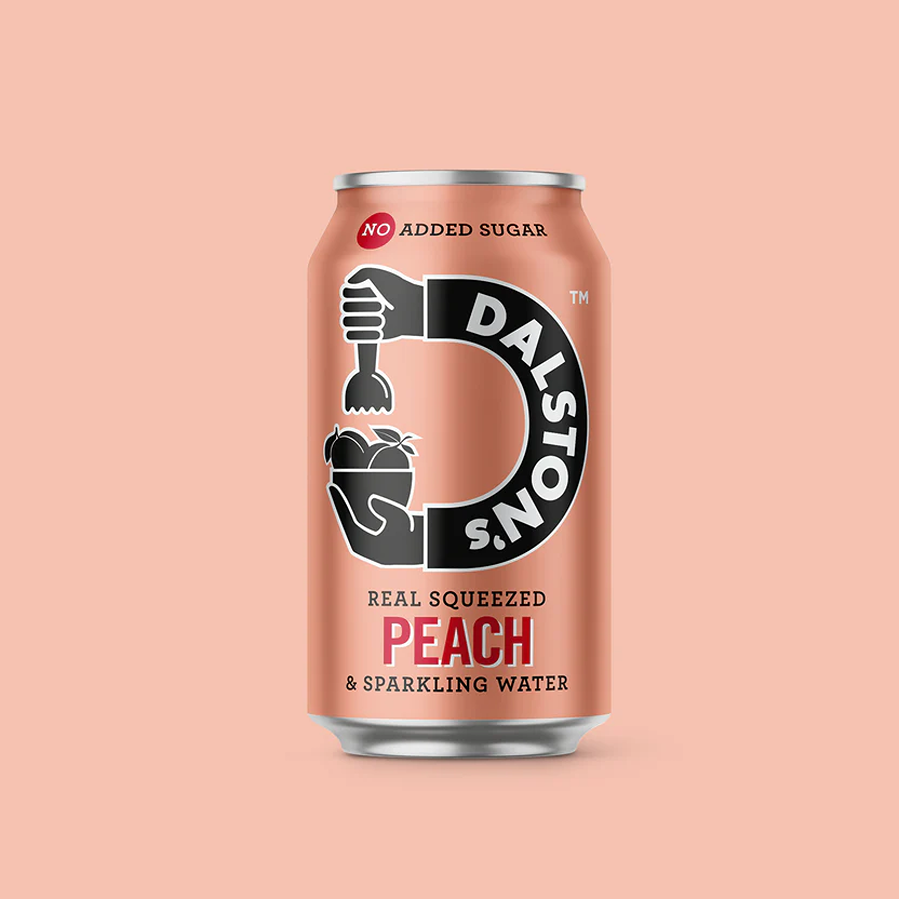
Flavours include:
- Peach
- Elderflower
- Rhubarb
- Lemon
- Ginger Beer
- Pineapple
- Cherry
No added sugar or sweeteners, nothing you can’t pronounce. Unless you can’t pronounce Rhubarb, but that’s really on your parents.
Fair Trade Colas (a more ethical fizz)
The cola industry is dominated by two brands (Coca-Cola in Georgia) and PepsiCo (both own many other brands).
Cola drinks were invented in the 19th century, originally sold in pharmacies with cocaine! Invented by a pharmacist who had an addiction to morphine due to a sword slash in battle, today the cocaine has gone but the refined sugar remains, along with sweeteners. Some use preservatives linked to kidney stones and lower bone density, if over 2 cans daily are had.
And despite cola being one of the most profitable drinks on earth, most kola nut farmers are paid a pittance (nearly all the price of a can of cola goes on marketing or oil to deliver to shops abroad).
Cola brands are now coming up with ‘healthier’ versions like stevia-sweetened, due to neither drink now being as popular as water.
Good brands of natural Fair Trade cola
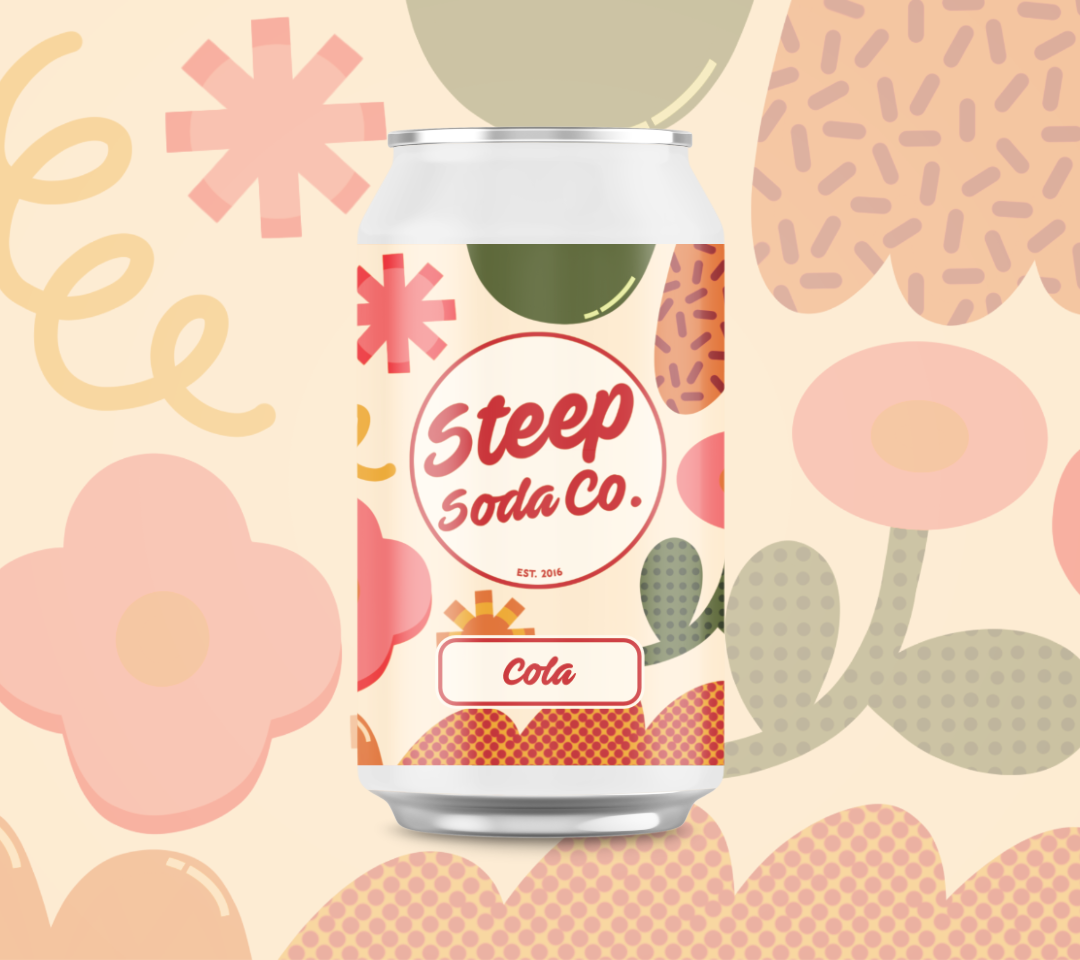
Steep Cola is made with organic essential oils and cane sugar, it features coriander, nutmeg and lavender, for a ‘classic cola cube’ taste. The sugar-free version is sweetened with stevia.
Karma Cola (also in glass bottles) sells organic cola drinks made with real coal nuts, and they pay the farmers fairly (and plant 25 trees in the Amazon rainforest for each case sold online). The sugar-free verson is sweetened with stevia. Made in Somerset.