Reasons to Choose Reusable Coffee Cups

You know the routine. You grab a takeaway coffee on the way to work, the school run, or the station. It feels small, almost forgettable. Yet although they look like paper, most disposable coffee cups contain a thin plastic lining, plus a plastic lid. As a result, they’re harder to recycle and easy to drop, blow away, or leave behind.
Choosing reusable coffee cups is one of those rare habits that cuts waste, reduces plastic pollution, protects wildlife and marine life, and saves money at the till.
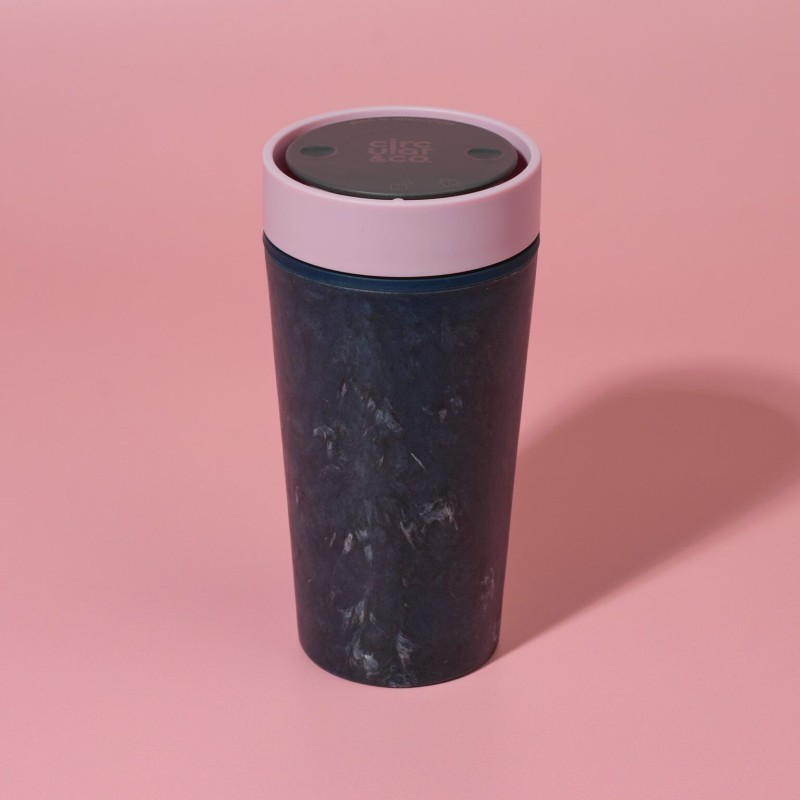
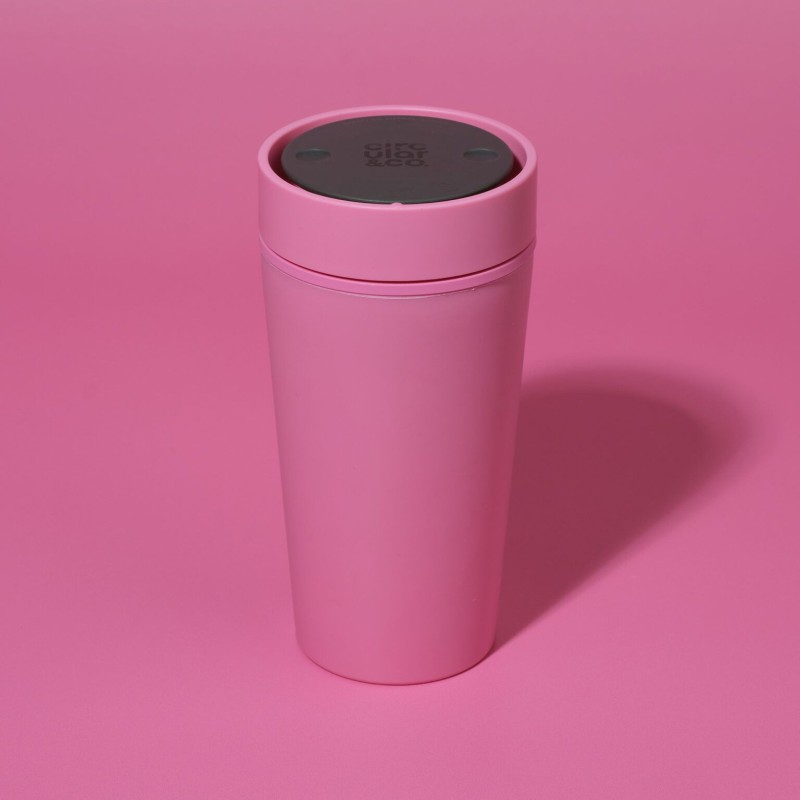
Circular & Co Coffee Cups (use code EnglandNaturally for 10% discount) are sold in two sizes, and all made from waste materials.
NHS says that it’s best to avoid caffeine for pregnancy/nursing (or no more than 2 cups of weak tea daily – or 1 cup of mild coffee or cola). We like Sanctuary Coffee (profits help animals!)
Use a sink protector to catch coffee grounds, then bin (caffeine may affect compost creatures). Same with tea leaves.
Prevent waste and litter caused by disposable cups
At first glance, a takeaway cup seems harmless. It’s light, it’s “paper”, and it disappears into a bin. In real life, it’s not that tidy. Many disposable cups use a plastic lining to stop leaks. That thin layer can make recycling harder because it needs separating from the paper.
Even when cups do go into bins, not all of them reach the right place. Street bins overflow. People miss the bin. Wind catches an empty cup like a sail. After a busy lunch hour, parks and car parks can look like someone shook out a picnic blanket of rubbish.
There’s also the sheer volume. A single person buying a few takeaways a week can get through a surprising number of cups and lids in a month. Multiply that by a workplace, a high street, or a commuter station, and the pile grows fast.
A reusable cup won’t fix every waste problem, but it does one important thing: it removes a regular item from your personal bin. That’s a direct, reliable cut. You don’t have to remember to sort recycling perfectly, or hope the system catches your cup. You simply use the same one again.
The simplest waste to manage is the waste you never create.
Less litter means safer streets, parks, and wildlife
Litter isn’t just messy. It changes how shared spaces feel, and it can harm animals that live alongside us.
Cups and lids can end up as shelter or playthings for wildlife. Urban birds may peck at leftover foam. Foxes and hedgehogs can get their heads stuck in containers. Even if an animal doesn’t swallow anything, getting tangled or trapped can cause injury and stress.
Many coffee cups also contain remnants of tempting sweet liquids and toxic sweetener xylitol, which can poison and cause creatures to get their heads stuck inside cups.
This is especially relevant in everyday places, not just nature reserves. Think of canal paths, playground edges, car parks near fast food sites, and the grassy bits by bus stops. When those areas stay cleaner, animals are less likely to interact with rubbish in the first place.
Personal choices don’t clean a whole city, but they do reduce the amount of “easy litter” available. If fewer cups get used, fewer cups can get dropped.
Fewer plastics and microplastics in the long run
Disposable cups often include plastic somewhere in the design. The lining is one part, and the lid is another. Over time, plastic items can break into smaller pieces as they’re exposed to sunlight, friction, and weather. Those tiny fragments can spread through soil and water.
You don’t need to memorise the science to see the point. The more plastic-lined items we throw away, the more chances there are for plastic to escape into the environment in some form.
A reusable cup reduces how many single-use linings and lids you go through. It’s not a perfect solution, but it’s a clear reduction in the number of plastic items you rely on each week.
How dropped cups travel from pavement to oceans
Most people don’t litter on purpose. Yet rubbish still travels, especially lightweight items like cups, lids, and sleeves. Rain and wind do the moving, and our drains do the collecting.
Once litter reaches a drain, it can enter streams and rivers, then travel out towards the coast. England has no shortage of waterways, from city canals to rural rivers, so the pathway from street to sea is shorter than it feels.
This is where reusable cups have a bigger impact than you might expect. They reduce the number of items that can escape in the first place. That matters because cleaning up waterways is slow, expensive work, and it can’t catch everything.
In the sea, rubbish doesn’t stay in neat, recognisable shapes. It breaks, tears, and spreads. Marine animals can mistake small bits for food, or become tangled in floating waste. Even when animals survive, plastic can still disrupt habitats.
Keeping a reusable cup in your bag, car, or coat pocket doesn’t just cut waste. It also lowers the odds that your coffee habit adds to this street to water route.
Reusable cups save money at coffee shops
Reusable coffee cups aren’t only about the environment. They’re also a small money habit that can work in your favour. Many cafés offer a discount when you bring your own cup. The amount varies, and it’s sometimes modest, but it adds up faster than you’d think.
There’s another saving too: bringing your own cup makes you more intentional. When you already have a cup with you, you’re less likely to buy a second drink on a whim, or accept an extra disposable cup “just this once”. That’s not about willpower, it’s about having the right thing to hand.
A good reusable cup also makes takeaway coffee easier. It can be more comfortable to hold, less prone to leaks, and better at keeping drinks warm.
How discounts and fewer disposables add up
- If you buy 3 coffees a week and save 25p by taking a reusable cup, that’s a monthly saving of £3.
- If you buy 5 coffees a week and save 25p, that’s a monthly saving of £5.
- If a coffee shop gives a 50p discount, that’s a monthly saving of £10.
On top of the discounts, you’ve cut a steady stream of disposable cups and lids.
The best reusable cup is the one you’ll carry without thinking. Before you buy, picture your normal day. Does it fit your bag? Will it sit in your car cup holder? Can you clean it quickly?
Circular & Co (made from waste materials)

Circular & Co Coffee Cups (use code EnglandNaturally for 10% discount) are sold in two sizes (8oz and 12oz), and all made from waste materials (recycled paper cups, fabric waste, marine waste, some are even made from old trainers and bubble gum!) .
These cups are leakproof and designed to keep drinks hot or cold for 60 to 90 minutes, they are sold with a 2-year guarantee (but designed to last 10) and have easy one-hand opening.
Hunu (a collapsible silicone coffee cup)

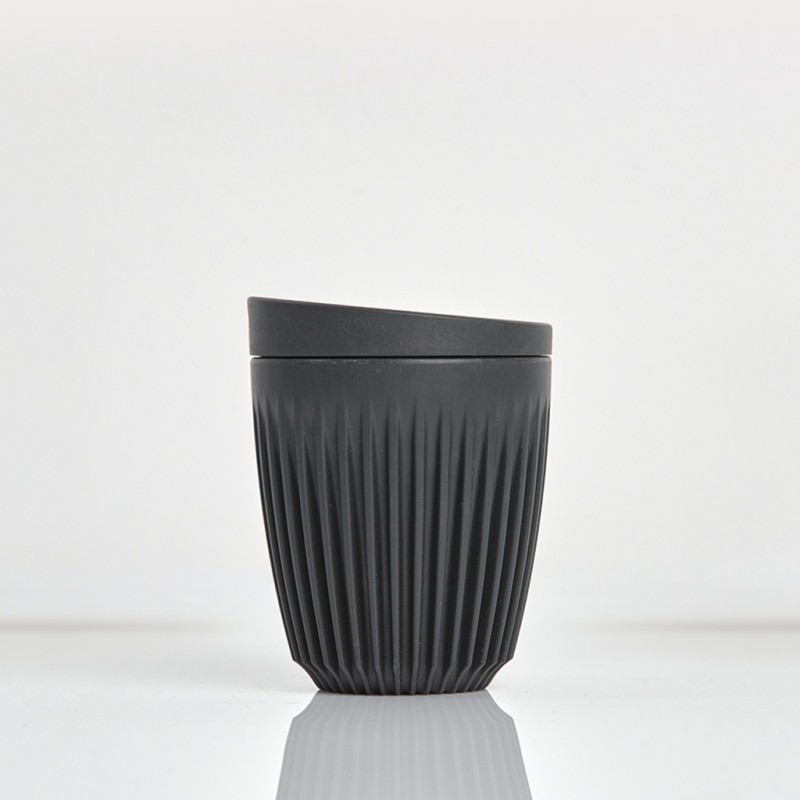
Hunu is a collapsible coffee cup. Silicone is made from sand and fossil fuels, but it lasts for years, doesn’t leach into drinks, and is easy to recycle.
Silicone is flexible, so don’t squeeze the cup when filled with hot liquids, to avoid scalds. When placing the lid on the cup, hold the rim with one hand, and press lid on with the other. Do not put the lid on without holding the rim, as the cup could collapse.
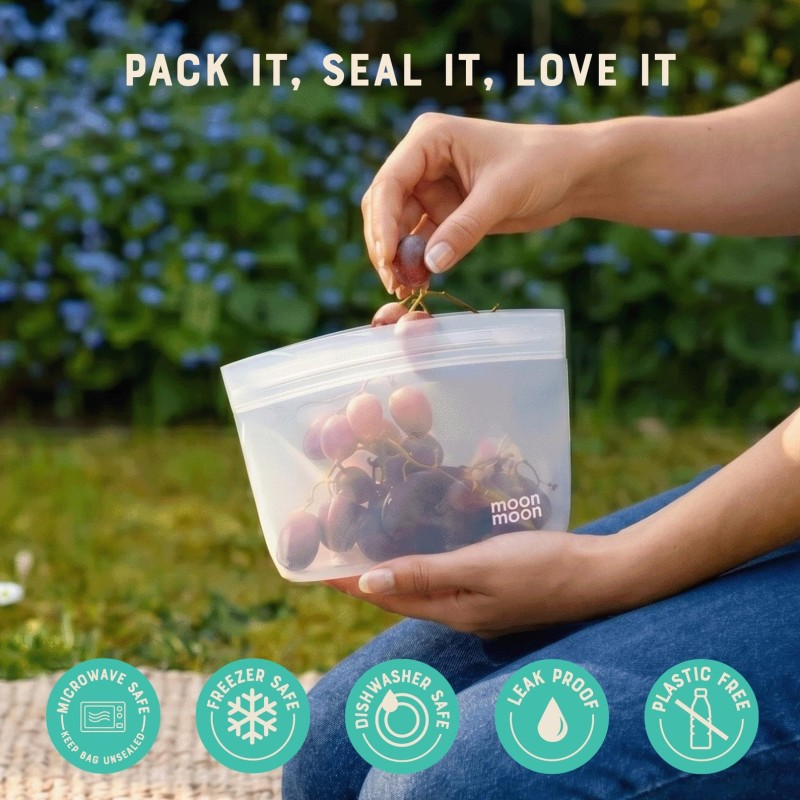
These coffee cups fold down concertina-style to a small disc, so they are perfect to pop in your bag, pocket or glovebox. The snug leak-resistant lid has a covered drinking hole. This cup is safe for the dishwasher, freezer and microwave, and can also be used for cold drinks.
The lid and plug are made from recycled plastic, and this company are working on a solution to make it easy to recycle, though it still saves on disposable plastic cups. You can also buy a version with an integrated straw.
Keepcup (espresso cups to long-coffee cups!)

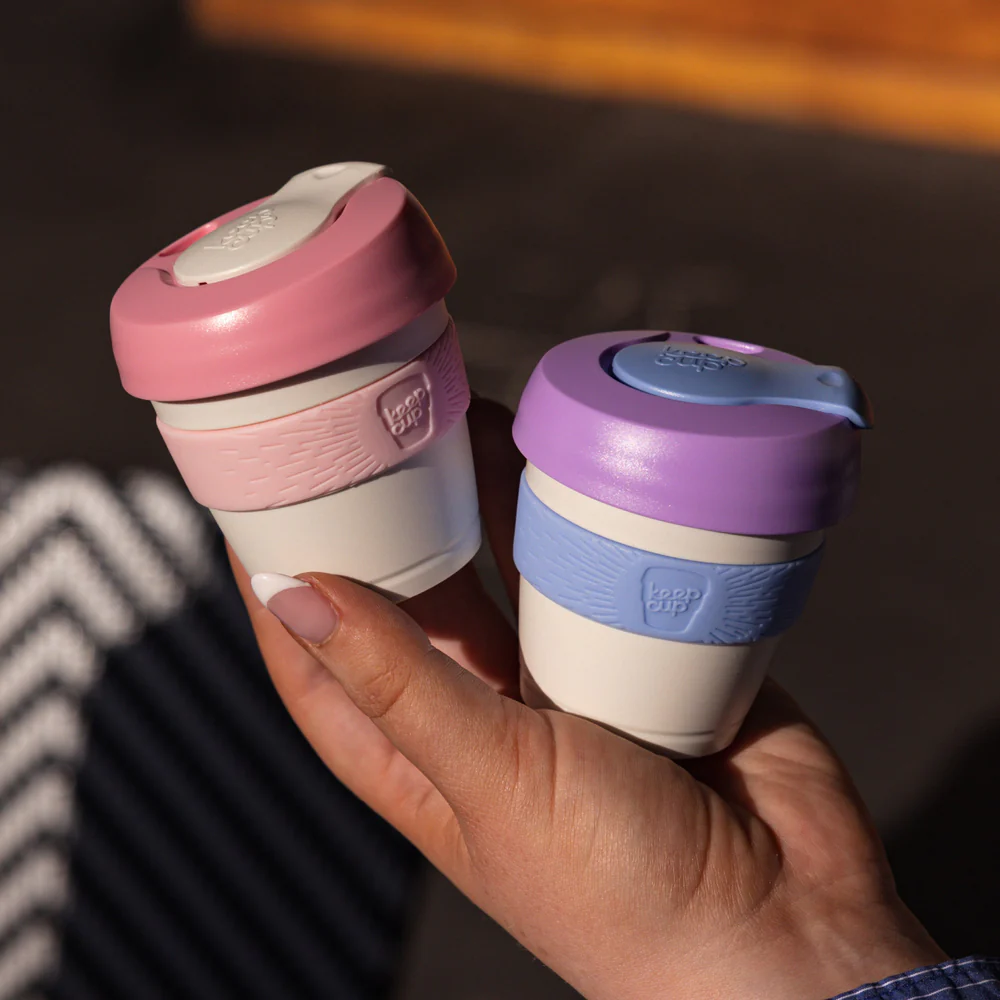
Keepcup is a top worldwide brand of reusable coffee cups, with everything from light commuter models, to thermal quick-sips and ones with natural cork bands to keep your hands cool.

You can even mix-and-match to design your own. There are even mini-cups for espresso!
Huskee: A Coffee Cup (made from coffee husks!)

Huskee is a brand of coffee cups, made from repurposed coffee husk and polymer. In beautiful sand and dark brown shade with natural flecks, these cups have the same thermal insulation as paper cups, but use up waste.
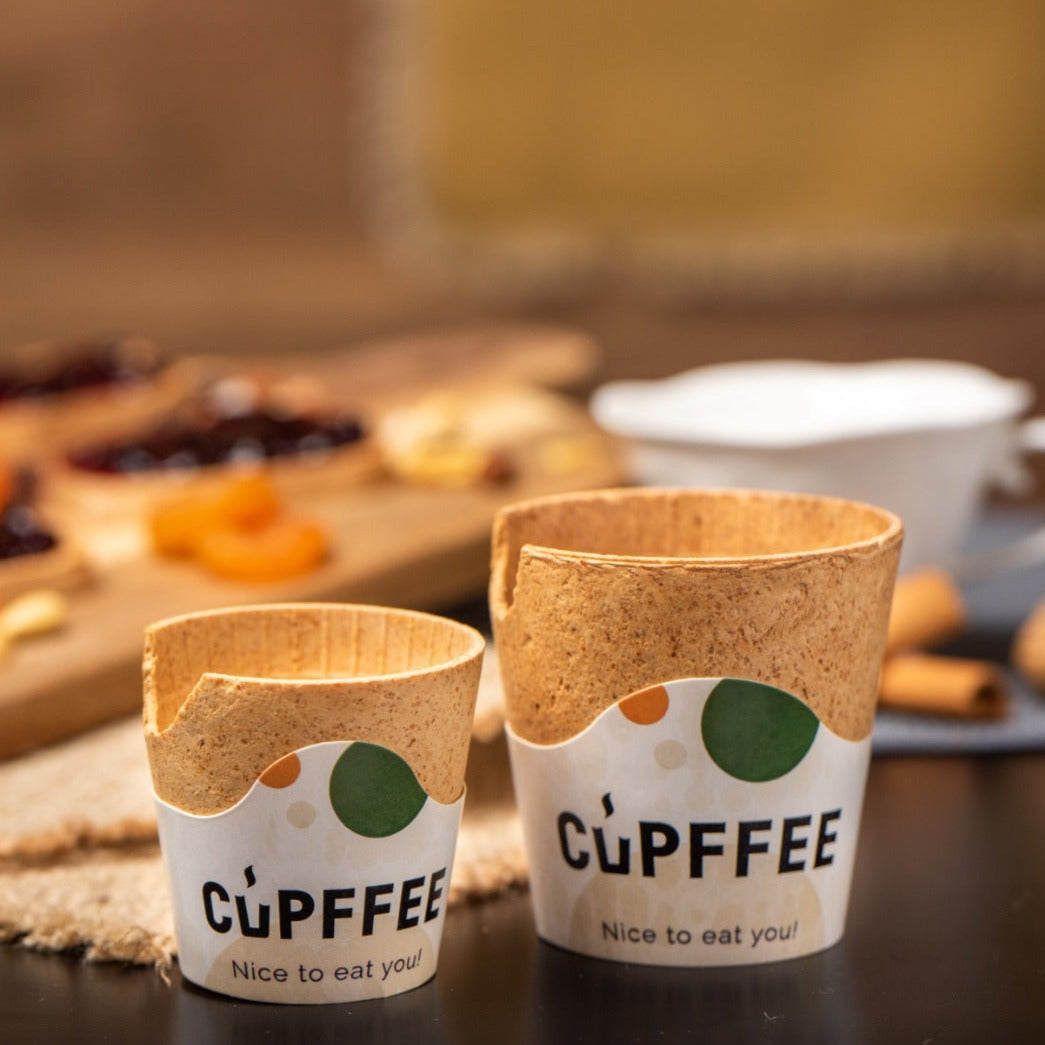
Cupffee: The World’s First Edible Coffee Cup!

Cupffee is as tasty as a cookie! It’s still resistant to hot temperatures and doesn’t leak, and won’t change the taste of your takeaway cup of tea or coffee.
Made from seven (vegan) ingredients (including oat bran, wheat flour and coconut oil), the small size is good for espresso, the large one for other coffee drinks. The paper label can also be branded for coffee shops.