The joy of nature journals: how to document wild places
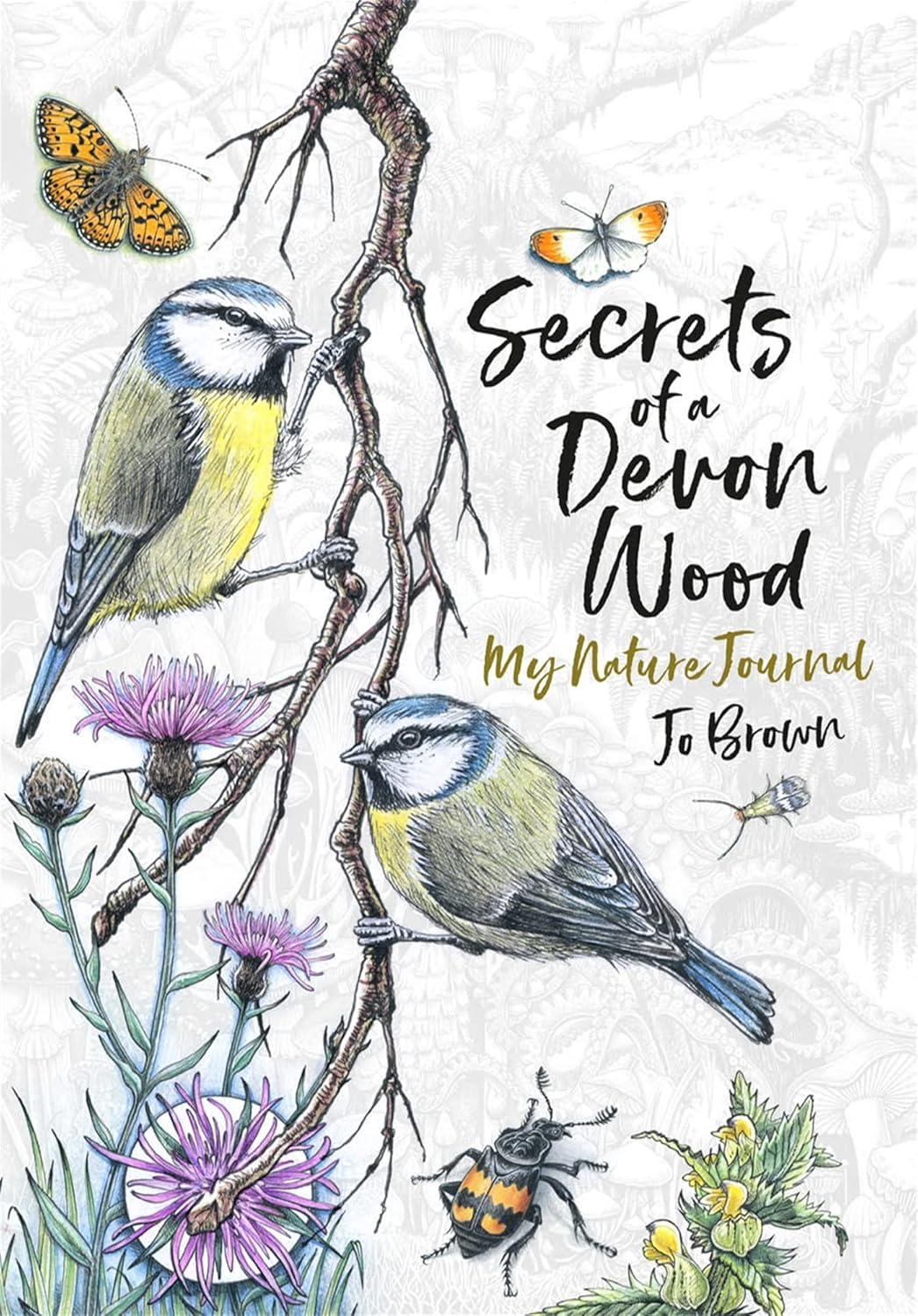
Nature journals are nice to take to a quiet spot outdoors. Just spend some time observing and listening to nature, then settle down with your notebook to scribble and sketch.
Perhaps a robin is hopping through the grass, clouds are moving across the hills, or a fox has left tracks along a muddy path. You notice things you might otherwise have walked straight past.
A nature journal helps you to slow down and build a personal connection with the natural world. You can record the changing seasons, sketch favourite landscapes and notice small details that others miss.
You do not need to be an artist or expert naturalist. A simple notebook, drawing pencil or watercolour paints are enough.
Don’t remove leaves, shells, pebbles, driftwood etc – all provide food/homes for wildlife. Also don’t disturb creatures, nor use flash photography (use a zoom lens from afar).
If observing alongside animal friends, read up on pet-friendly gardens to know flowers, trees and fungi to keep out of harm’s way.
Why keep a nature journal?
Ecological writer Satish Kumar once wrote that ‘we cannot love Nature, until we know her’. Can you imagine if some of our planet-destroying politicians took up a nature journal as a hobby?
Within a few months, they could not make policies that would destroy wildlife, they would have to look for other solutions. And they would see firsthand what is so precious to protect.
A woodland you have walked through a dozen times becomes more interesting when you look for signs of seasonal change. The first flowers of spring, the arrival of migrant birds, autumn leaves and winter buds become events worth noticing.
Nature journals encourage you to ‘observe’ rather than just look. There is a big difference:
Looking might mean noticing a bird perched in a tree. Observing means asking what kind of bird it is, what it is doing, which tree it has chosen and what sounds it is reponding to.
A nature journal acts as a wonderful record of change. Over a year, you could keep returning to the same place, and notice the seasonal changes say of tree leaves. Or wildlife – when the did the swallows arrive and when did they leave? When did the leaves turn brown or orange?
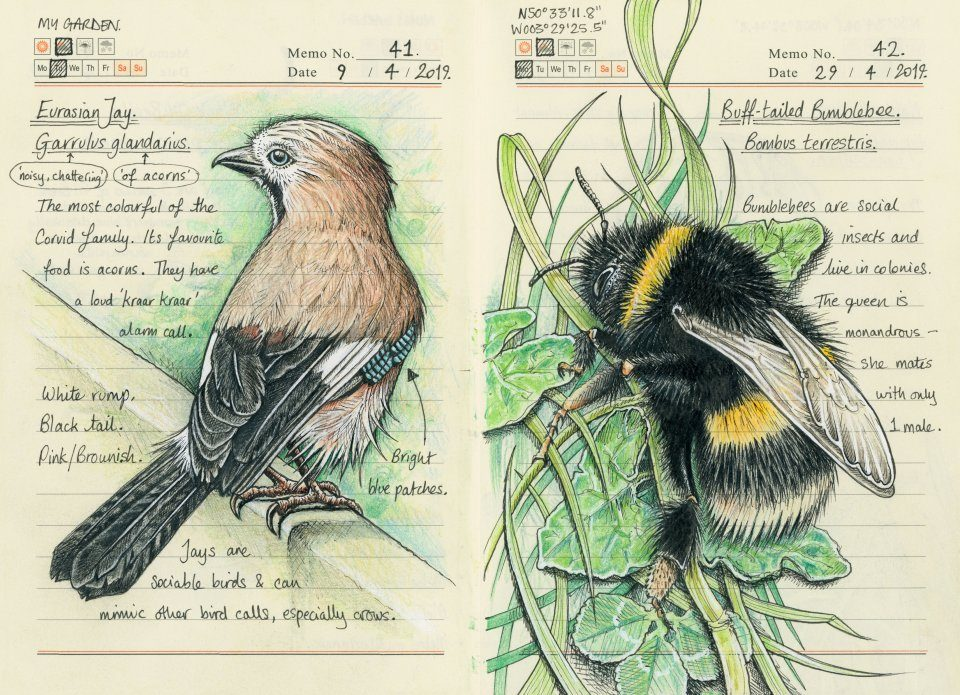
If you don’t draw, go into detail in words. Don’t just write ‘beautiful bird’. Write of its size, colour, movement, call and behaviour. Then later you can go home, and look up the species!
Next time you see the same bird, you’ll know more about its habitat and behaviour, which will encourage you to look and notice more.
Give yourself time to notice what is happening around you. Listen before you start to write or draw. Notice what is moving, and what is still. You might discover:
- Ants carrying food
- Spiders rebuilding webs
- Birds collecting nesting material
- Tiny flowers growing between paving stones
Also record the date, place and weather:
14 May in a woodland (8.30am). Cool and cloudy after overnight rain. Light breeze
And write down sounds you hear:
- Birds calling from different directions
- Leaves moving in the wind
- Water flowing over stones
- Insects buzzing
Try visiting the same location once a week or month, and record what has changed. For example:
You could even dedicate a page to the same tree throughout the year! Sketch its bare branches in winter, then return when the first buds appear. Record the arrival of leaves, flowers or fruit. Notice when the leaves begin to change colour and eventually fall. After one year, you will have created a wonderful visual legacy of your tree friend’s life!