Improve England’s Buses (simple affordable ideas)
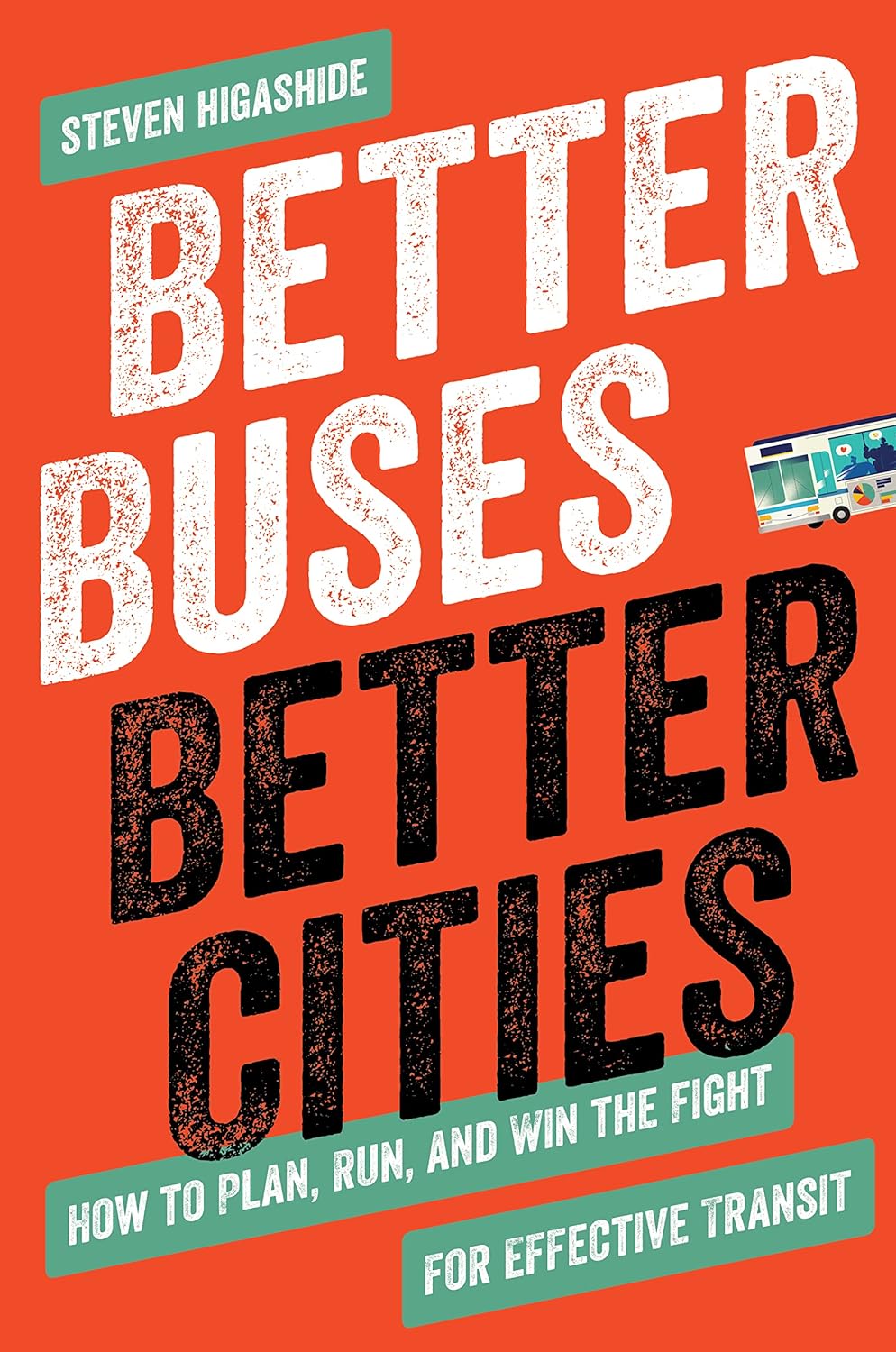
It’s important to invest in good bus services that are clean, affordable and regular. Vote in councils who believe public transport is more important than cars. Read Better Buses, Better Cities for more ideas.
England’s buses are a lifeline for many, linking rural villages, bustling towns, and vibrant city centres. They support communities, help the environment by easing car use, and make life easier for everyone. Even so, there’s plenty of room to make our buses work better for people of all ages and backgrounds.
Build and Protect Dedicated Bus Lanes
Bus lanes are one of the best ways to keep buses on time, and cut down on delays. Without car traffic in the way, buses can run more smoothly along even the busiest roads.
Bus lanes in England are clearly marked by dashed white lines, or a solid white line. And often have the words ‘bus lane’ marked on the road.
Install Solar-Powered Bus Stations and Stops
Solar bus stops use the sun to power lights and digital signs, to cut pollution and costs. They also tend to go off when not in use, which helps reduce light pollution.
But they also activate with movement. So this means that lone women standing by a bus stop or shelter at night, will be ‘lit up’ to be seen by drivers. And timetables can also light up for easy reading, when it’s dark.
Make Bus Timetables Easy to Understand

As well as improving timetables (so that buses actually turn up when they should), it pays to create better timetables. This Canva schedule could easily be adapted.
Timetables should also be clear to read. Many are very complicated to understand to those of us who can read them. So imagine what it must be likely for older people (especially those with dementia) to try to decipher the average timetable.
Many non-visionary councils have double-deckers with just a few people on long meandering routes. When it would be better to have shorter better routes on more frequent mini-buses.
Replace Diesel with Electric Buses
Switching from smelly noisy diesel buses to electric buses helps to create quieter and cleaner bus stations, and also saves money for councils. Read our post on electric vehicle safety.
The Big Lemon (Brighton, Bath, Bristol) began by running its friendly yellow buses on recycled biodiesel (chip shops would get free advertising!) But today it runs England’s first solar-bus fleet, which can inspire others to do the same.
Ask Your Council for a ‘Wiggly Bus’
One idea for rural communities is a ‘wiggly bus’. This uses GPS software so the admin always knows where the bus is. Rather than ‘set times’, people can just ‘phone for a bus’ or hail it down, as the bus ‘wiggles’ through rural villages.
Wiggly buses operate a bit like on-demand rural taxis (but shared between a few villages to save costs, as only one bus and driver is needed). On-demand bus services are already operating in Surrey, Nottinghamshire and the West Midlands
Speed Up Ticketing With Contactless Payments
Waiting in a queue to pay with coins slows trips down and sometimes puts people off. All buses should accept contactless card payments and mobile passes, which cut down delays and help everyone get on board faster.
Simple ticket machines at larger stops, or even local shops, mean people can pay before the bus arrives. Quicker payments make journeys smoother and buses more reliable.
Offer More Free and Discounted Bus Travel
Free or discounted bus fares, get more people on board. If you are over 60 (in London) or at retirement age (elsewhere), you qualify for a free bus pass. And many counties now offer capped fares, so you can in theory travel for miles, for £2 or £3 single-fare each way.
There are also many schemes for free or discounted bus travel (students and low-income groups etc). Making more people eligible for discounted bus services, will boost the amount of people who use buses, and this can help to reduce car congestion.
Disabled people can apply for Taxicard that gives limited free travel (including for carers) across the city.
In London, disabled people who don’t qualify for a Disabled Person’s Freedom Pass can apply for Dial-a-Ride. This operates from 7am to 11pm, with booking from 6am to midnight. You can carry up to 2 shopping bags and although they don’t come into your home, drivers can help you on and off the bus.
You can also bring one other person and children, as long as they are going to the same place. You must let them know of younger children, to needing car seats.
Don’t Think of Bus Travel as ‘Inferior’
Bus travel is not just for people who can’t drive or who have lost their license. A YouGov survey found that around half of people don’t like to take buses, due to them being noisy and uncomfortable.
Bogotá’s former mayor in Colombia ripped up the car budget and used it to build bus lanes, pavements, bike tracks and parks (resulting in 50% reduction in road traffic):
An advanced city is not one where even the poor use cars. But rather one where even the rich use public transport. Enrique Peñalosa
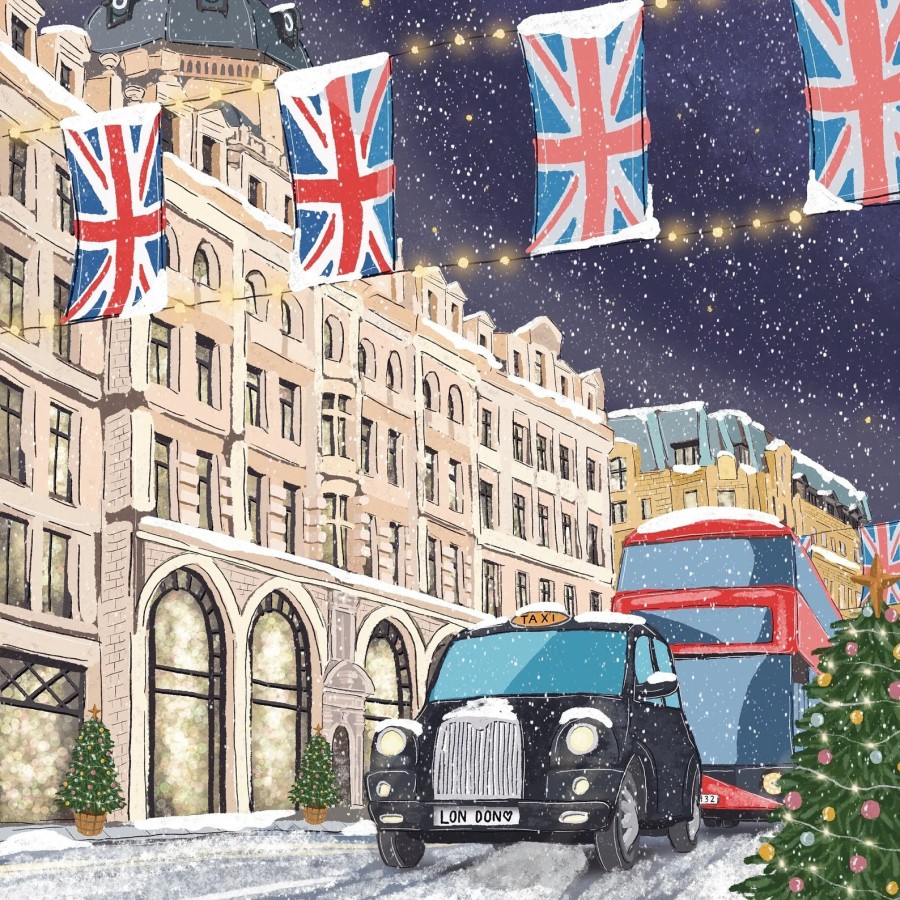
London’s double-decker buses are now all zero-emission, and carry around 6 million people daily across the city each day over the city.
It’s rumoured that Ian Fleming’s James Bond novels were inspired by the number of the bus (007) that used to pass by his favourite pub!
Make Use of Local Community Transport
With big companies like Stagecoach cancelling rural services due to ‘lack of profit’, find local community transport. In Yorkshire, the axing of two local bus services, resulted in a man with skin cancer having to book a taxi to hospital (and no longer able to tend his allotment 2 miles away, to help him relax during treatments).
One local campaigner says that big bus companies ‘decide where buses go, how much to charge and what timetables look like’. When of course, buses should run according to community needs. Bus services have reduced by around 80% in the last 15 years or so in small communities.
Children are entitled to free school transport if there is no safe walking route, children have special needs or the school is 2 to 3 miles away (laws differ for age).
The World’s Best Public Bus Service?
Another idea in Portland (Oregon) is Trimet, regarded as the best public transit system on earth. Resident gets one cheap ticket to ride the bus, tram and trains (veterans, seniors and disabled people often ride for free).
And volunteers take blind and other vulnerable passengers around the system, until they feel confident riding alone. All platforms have Braille timetables.
And at night, you can ask the bus operator to stop anywhere on the route, as long as it’s safe.
Each Feb 4, the company offers free travel, in memory of Rosa Parks (who refused to move from her seat, and began the civil rights movement).