Reasons to avoid animal rides (in England and abroad)
In England, the only ‘animal rides’ you need to avoid are horse-drawn carriages and donkey rides. But abroad, there are many other animal rides to avoid, for welfare issues.
In some areas, animals are physically restrained and beaten. And many animals are too thin and thirsty, to carry their human riders.
All these creatures also suffer from the stress of noise and crowds. And often don’t get the rest, shade, water or food they need to stay happy and healthy.
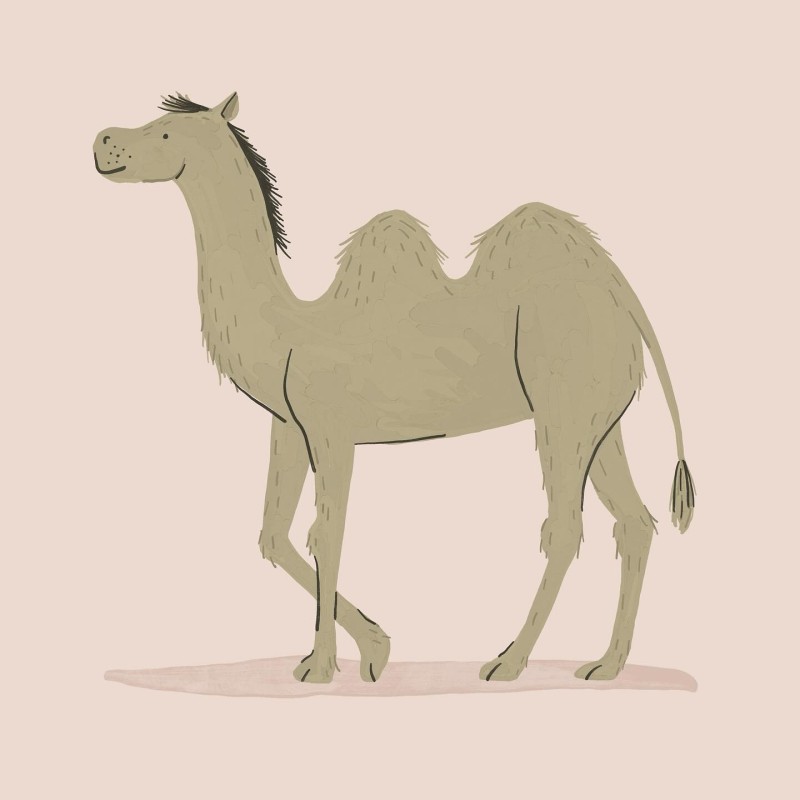
Avoid camel rides abroad
Camels are desert mammals that store fat in their humps for energy, and can survive a long time without water, drinking gallons in one sitting). They also have three eyelids, thick lips and closable nostrils, to endure harsh sandy environments.
Most have one hump (Dromedary camels) and the others are Bactrian (two humps). They eat cacti, thorns and dry salty plants and can run fast distances, again spitting at potential threats.
Today camels are also used for transport, milk, meat and wool, and there are big welfare issues.
Just like elephants, camels are not built to pound on pavements, they walk naturally on soft ground (sand), so hard ground can lead to foot injuries and joint degeneration.
Health risks of animal rides to humans
Humans who ride animals abroad are also at risk from zoonotic diseases (like TB in elephants and rabies in camels). Exposure is increased from dirty saddles, animal sweat and waste. Some stressed animals may also bite or charge, and some fall which also injures humans.
Be an ecotourist instead!
Explore the area on foot. Walking around to see the sights and sounds is far better, and you can save the money used for animal rides, to donate instead to a local animal shelter or wildlife sanctuary.
Responsible Travel don’t sell holidays that allow elephant rides, as again many of these gentle giants are exploited. This often happens in Asia, and are often promoted as ethical ways to learn how to be a mahout etc, but the truth is not so pretty.
The government’s Animals (Low-Welfare Activities Abroad) Bill, is clamping down on using animals abroad (from animal rides to dancing animals, and from zoos to aquariums). Along with chimps that have their teeth removed after being removed from parents, to have photos taken with children.
Report animal cruelty abroad to Born Free and PETA (also inform your local tour operator and the police).
Don’t accept donkey rides (in England or abroad)
Less popular in England these days, welfare checks are carried out on remaining donkey rides on beaches. Though no doubt it’s a boring life for donkeys who would prefer living in open fields, with their own kind.
All donkeys in England must have fresh water and shade ( a petition to ban all rides gained 100,000 signatures).
A British family recently used Born Free’s Red Alert to report emaciated donkeys (without access to water, standing in their own urine and falling down hills due to fatigue) giving rides on Costa del Sol. The charity is lobbying the mayor of Mijas, to let them go to a nearby sanctuary.
El Refugio del Burrito is the Spanish brand of The Donkey Charity, doing all it can to help. But it would be made a lot easier if tourists did not support the donkey ride industry. Report concerns to their site.
Make lives better for ‘draught animals’
Draught animals are used abroad for work (donkeys, horses and camels) again who work long hours with poor welfare in some cases. Some communities still believe that splitting a donkey’s nostrils helps easier breathing. Others are chained up, to turn around all day to bring water up from wells.
- SPANA offers free vet care and training on animal welfare (you can report concerns). It organises emergency response like helping animals during natural disasters like earthquakes.
- Worldwide Veterinary Services uses donations to fund volunteer vets.
- Animal Aid Abroad has a sanctuary in India where camels are treated for mange, infested wounds and saddle strap injuries.
- Brooke helps horses, donkeys and mules. Its clinics have helped 20,000 animals in Ethiopia. You can report concerns if on holiday. Its book Sharing the Load (in several languages) educates those who work with draught animals.