Herdwick sheep: guardians of the Cumbrian landscape
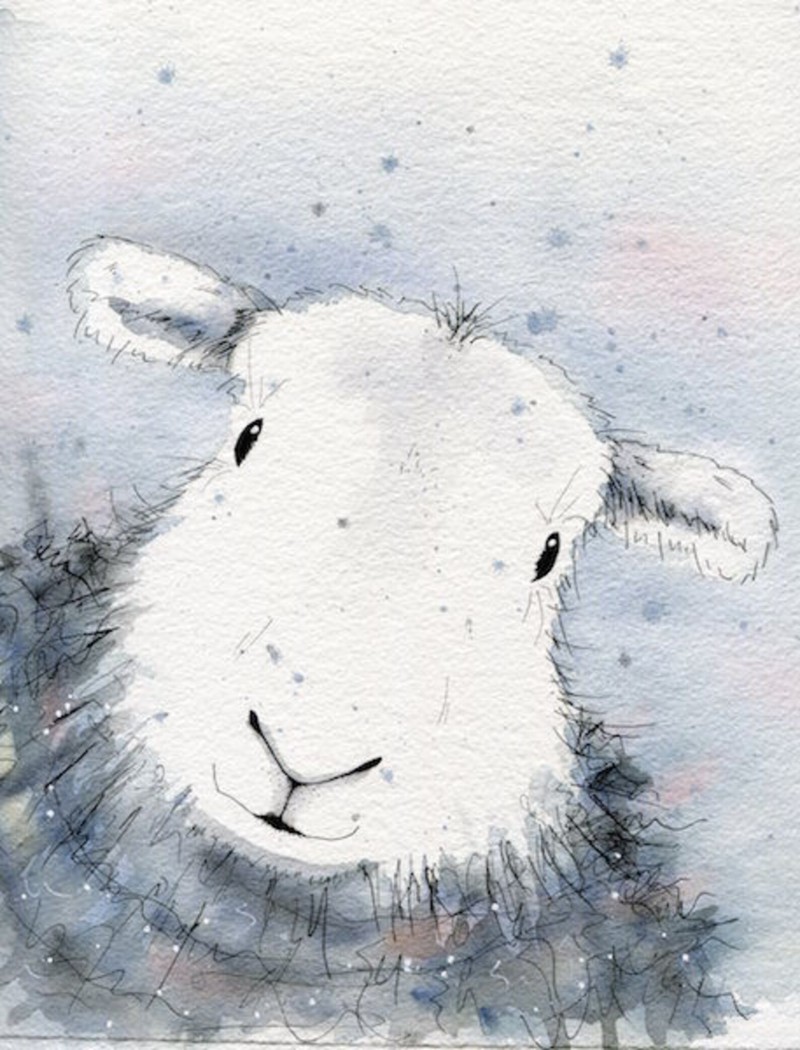
Herdwick sheep are one of the most recognisable animals of Cumbria and the Lake District. With their distinctive grey coats and white faces, these hardy creatures have lived among the region’s fells for centuries.
More than just a familiar sight on the hillsides, Herdwicks are an important part of Cumbria’s heritage, as they help to maintain the character of the landscape. Nearly all live near the lakeside village of Coniston (it’s easy to recognise females, as they don’t have big curly horns like the rams).
The breed is especially well suited to the challenging conditions of the Lake District. Herdwick sheep graze on open fell land, where the weather can change quickly and the terrain is often steep, rocky and exposed.
Herdwick lambs are usually born with dark wool, which gradually changes to shades of grey as they mature. Adult sheep have a tough, weather-resistant fleece and a distinctive appearance that makes them easy to recognise.
How Beatrix Potter helped secure their land
The history of Herdwick sheep is closely connected with the people and farms of the Cumbrian fells. Generations of farming families have carefully managed their flocks, passing down knowledge of breeding, grazing, and seasonal care.
The breed is also associated with the writer Beatrix Potter, who became a successful Herdwick sheep breeder at Hill Top, her home in the hamlet of Near Sawrey nearby. She took a great interest in preserving the breed, and on her death, left a huge portion of her land to the National Trust.
For this reason, their land is still safe, and was never allowed to be developed.
How Herdwick sheep help the fells
By grazing the fells, Herdwicks help prevent scrub and unwanted vegetation from taking over open areas. Their presence contributes to the patchwork of grassland, bracken, heather, and fell vegetation that gives the Lake District its distinctive appearance. This landscape supports many other species, including birds, insects, wildflowers, and small mammals.
However, the role of Herdwick farmers involves much more than simply allowing sheep to graze. Farmers work with the seasons, caring for animals in difficult conditions and managing land responsibly. They must cope with changing weather and rising costs.
How to not disturb Herdwick sheep
Visitors to Cumbria often encounter Herdwick sheep while walking through the fells. It is important to admire them from a respectful distance, keep dogs under control, and avoid disturbing sheep and their lambs.
Following the Countryside Code helps protect both the animals and the people who care for them.
Always give Herdwick sheep right-of-way on roads, just slow down and wait for them to pass.
How to upright an overturned sheep
Sheep sometimes fall over sometimes due to pregnancy but also due to rain-soaked wool (which happens a lot in Cumbria). They can’t right themselves (and could die of bloat). So if no farmer is nearby, it’s good to know how to upright an overturned sheep.
- Approach slowly from the side (keep dogs away) and check for signs of distress (if injured, call the farmer or RSPCA if no farmer is around).
- Grip firmly around shoulder and hip (not by legs, horn, tail or wool).
- Roll gently onto its side, then help into a sitting position on its chest. Keep legs underneath its body.
- Support the sheep while unsteady, but don’t force it to stand.
- Once upright, watch for several minutes to ensure it goes back to the flock. If due to rain-soaked wool, stay with the sheep until the rain has drained off, the stop the same happening again.