Need Bottled Water? Choose Better Brands

You grab bottled water on the way to a train, at a festival, or during a power cut. In those moments, you want something that tastes clean, feels trustworthy, and does less harm once you’re done with it.
Better bottled water isn’t about fancy slogans, it’s about clear information and sensible packaging.
What makes a bottled water brand “better”?
A better choice starts with what you can verify in the shop. First, look for clear source information. If the brand won’t say where the water comes from, treat that as a warning sign. Next, check the treatment method. Simple processes like filtration and UV are easy to understand and often enough.
After that, consider packaging. A “recyclable” badge means little if the pack is hard to recycle locally, or if it uses lots of new plastic. Finally, watch for vague claims. Some labels shout about purity while staying quiet on basics.
Start with the label: source, minerals, and treatment
Spring water usually comes from a named underground source and is bottled at that source. Mineral water tends to have a stable mineral profile, which can affect taste. Purified water often starts as tap or mixed sources, then goes through processes like reverse osmosis.
Look for a named source, any mineral info (if listed), and plain treatment terms like “filtered” or “UV treated”. Be wary of “pH” or “ionised” hype. For most people, those claims don’t change day-to-day hydration.
Packaging and impact: focus on what you can check
Choose packaging you can recognise and recycle. Aluminium cans often recycle well, although they still take energy to make. rPET (recycled plastic) can reduce new plastic use when recycled properly, so check for recycled content statements.
Three brands to consider for buying bottled water
These brands get attention for packaging choices or clearer purpose. If you need to buy bottled water, these brands are better than the rest.
Bottle Up – made from sugar-cane
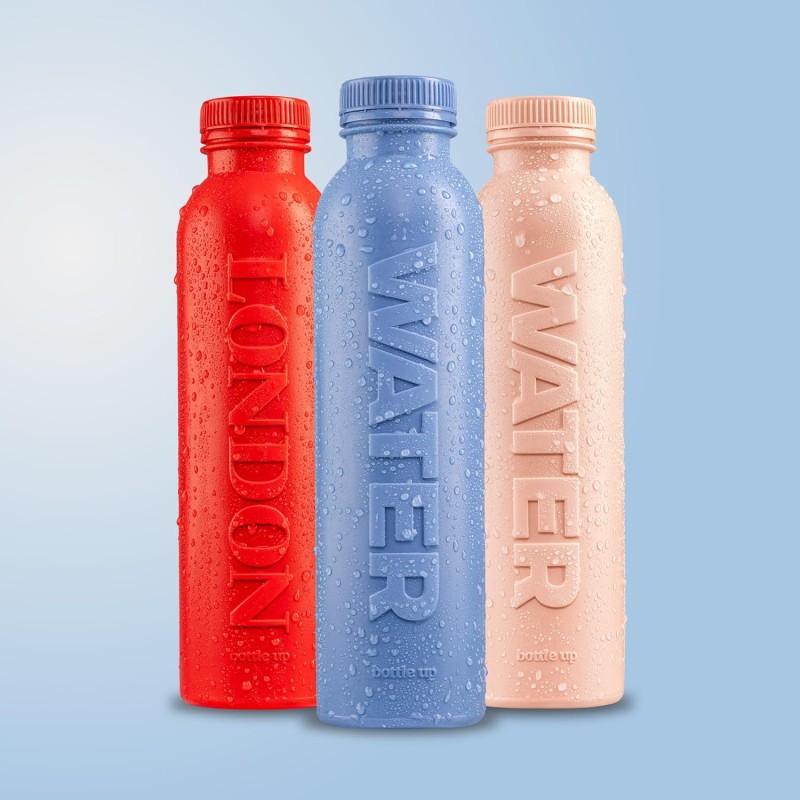
Bottle Up is a spring water (from Staffordshire) in ‘sugar-cane’ plastic that is grown away from the Amazon basin in Brazil (the first 5 presses make sugar, the 6th makes this material that is naturally irrigated by rainfall, makes its own fertiliser and can be recycled (rinse with hot water after use, and drain well).
re:water: sold in recycled aluminium bottles
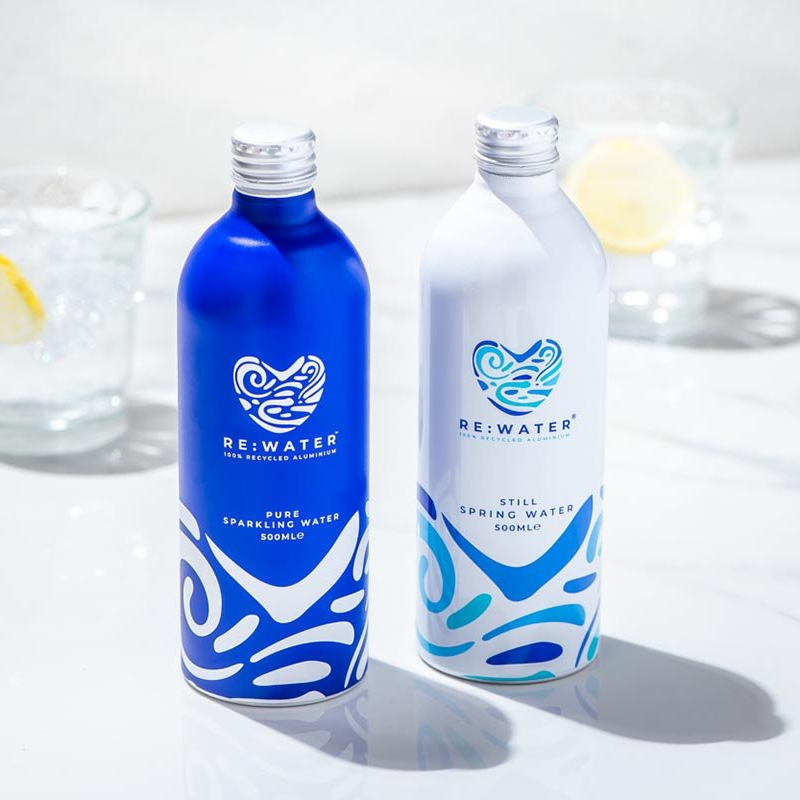
re:water sells water in beautiful bottles made from recycled aluminium. In still or sparkling, once you have finished the water, you can continue to use it as a reusable water bottle. Then recycle at end of use.
Only use with cold water, and hand-wash the bottle (not suitable for dishwashers or microwaves).
One (bottles or cans): profits fund clean water projects
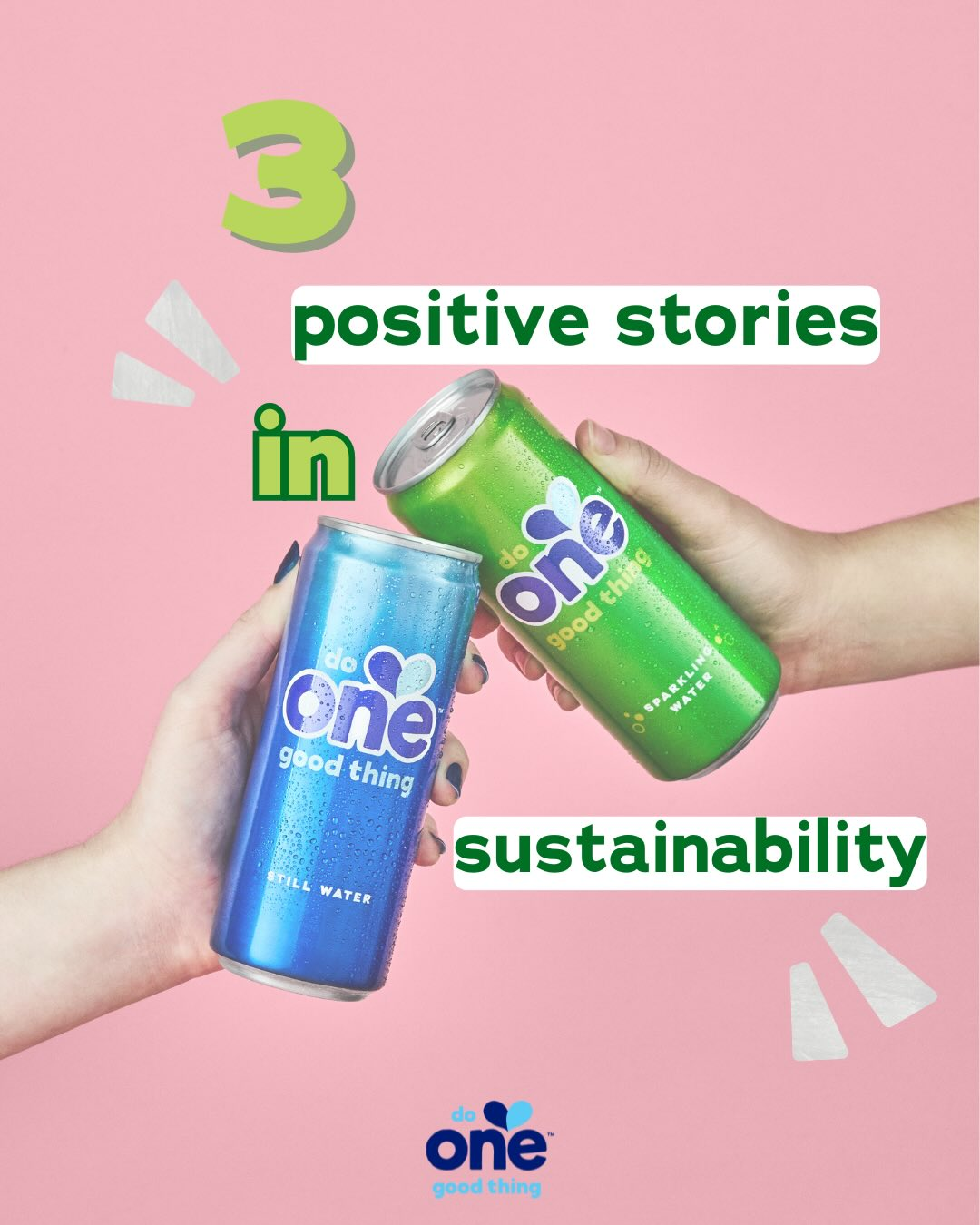
Sold in cans or bottles, One Water was founded by a man who contracted a disease while abroad, and made it a mission to sell a water brand, where profits help bring fresh clean water to those who need it.
The brand funds the building of wells and other projects, mostly in Malawi, Africa. Sold in still or sparkling in many stores, including Co-op.
Pop ring-pulls over holes before recycling cans, to stop wildlife getting trapped.
Quick buying checklist for bottled water
- Still vs sparkling: still is easier for kids, sparkling can upset stomachs. Never give sparkling water to pets, it could cause bloat.
- Match the size to the trip: small for a commute, bigger for a long drive.
- Avoid heat: don’t leave bottles in a hot car, especially in summer.
- Store smart: keep water at room temperature, away from sunlight.
- Taste test first: mineral content changes flavour, so try one bottle before buying a multipack.
How Much Water Should We Drink?
Water keeps us steady and sane. It cools the body, carries waste out, and cushions joints. It also supports the brain and the eyes. In other words, hydration is not a lifestyle extra, it’s basic upkeep. You can also get fresh water from raw foods, for example watermelon and bananas, but you still need to drink enough plain water.
Start with a clear target. Most people need about 1.2 litres of water each day. Some will need more, especially athletes, anyone in hot weather, people with certain health conditions, and anyone recovering after vomiting or diarrhoea.
Make it practical. 1.2 litres is roughly six 200 ml glasses. So set a simple routine and stick to it. Drink two glasses when you wake up. Then have two more before lunch. Next, drink the final two before dinner. Keep that pattern for a couple of weeks and your hydration will improve.
But be honest about what drains you. Tea, coffee, cola, and alcohol can increase fluid loss. So add one extra glass of water for each of those drinks. Better still, cut back on caffeine and alcohol, because you shouldn’t have to spend your day gulping water just to balance yesterday’s habits.
What Kind of Water Should Pets Drink?
Choose clean, plain water, because this small habit shapes your pet’s health. Spring water and filtered water are both good options, and many guardians notice a brighter coat and better overall condition.
Keep it sensible. Vets often advise against giving distilled water unless a vet has told you to, since distilling strips out minerals and electrolytes. Also skip fizzy water, as the gas can upset their stomach and may lead to bloat.
Don’t let pets drink from puddles. It might smell tempting, yet puddle water can carry bacteria and traces of oil or antifreeze. Protect them with the basics of clean fresh water (don’t let them guzzle water straight after running or car trips, again this could cause bloat).