Buckinghamshire (Chilterns, posh towns & Tiggywinkles!)

Buckinghamshire is an affluent county in the Home Counties (not far from London). Often called ‘Leafy Bucks’, it also has some of the London underground stations, one arriving at Aldgate East (a bit of a culture shock for some, who live in pretty villages!)
Need a break that feels rural, but won’t take all day to reach? Buckinghamshire (leafy Bucks) sits between London and Oxford, with the Chiltern Hills on one side and the Thames on the other. It’s a patchwork of market towns, beech woods, and calm riverside streets.
Buckinghamshire is a county in South East England, and it works brilliantly as a day trip from London. In between the towns, the county softens into Chiltern villages with flint churches, winding lanes, and pubs that look made for Sunday lunch.
Always follow the Countryside Code to keep all creatures safe. Keep dogs away from steep banks, mushrooms (and toxic plants/trees) and on leads near birds, barnyard friends and wild ponies.
The Chiltern Hills are a National Landscape, known for chalk paths and wide views. Wendover Woods has well-marked trails and facilities close by.
For a classic ridge walk, the Ridgeway near Ivinghoe Beacon offers open skylines . Buckinghamshire touches the River Thames, and it also has stretches of the Grand Union Canal.
Leafy Bucks (with an underground station?)
Chesham Underground Station – this historic market town boasts a 12th century church and is known for its ‘four Bs – boots, beer, brushes and baptists). It’s the furthest line on the Metropolitan line, and was home to Roger Crab, a 17th century herbal doctor whose eccentricity was thought to have inspired the Mad Hatter in Alice in Wonderland books.
One local boy who grew up here was Stephen Fry, who was a bit of a scallywag back in the day, but now is a good boy!
Aldgate East Underground Station – previously quite run down, this East end borough is now an up-and-coming place and far removed from its old Jack the Ripper tour routes. The station is built over a massive plague pit of over 1000 bodies from 1665’s Great Plague.
Buckingham has a timeless charm of cobbled streets and Georgian houses, alongside the River Ouse (it’s also home to England’s only privately-owned university). Markets run twice a week, and independent shops line the high street.
Set on the Grand Union Canal, offering peaceful towpath walks, along a stretch of water that runs from London to Birmingham. Read our post on protecting historic canals.
Denham (pretty parks, walks on Grand Union Canal and indie shops) means this village is home to many celebrities. Previous residents have been Sir John Mills, Sir Roger Moore, Cilla Black and Paul Daniels.
Although the outdoor and railway scenes for the iconic film Brief Encounter were filmed in the Cumbrian town of Carnforth, the studio scenes were filmed at Denham Film Studios (long gone, to be replaced by luxury homes).
Marlow: Riverside Walks and Old-Town Charm
If you like towns that feel calm but not dull, Marlow, Buckinghamshire sits on the River Thames, with waterside views that change by the hour. The Marlow Murder Club TV series has put the town on some people’s must-visit lists, and it’s easy to see why.
The River Thames forms one edge of the town, while the High Street runs close behind it. Between the two, you’ll find lanes, small greens, and plenty of places to pause. The bridge ties it all together. Marlow Bridge spans the Thames with a light, graceful shape. It gives the town a strong focal point, so you rarely feel lost.
For a simple route, begin on the High Street and drift towards the river. You’ll soon reach the open space near the water, where you can see Marlow Bridge clearly. Its suspension chains and stone towers have an elegance that can feel a bit like Budapest’s Chain Bridge, just on a smaller and quieter scale.
One of the most interesting stops is the Old Parsonage. It dates to the 14th century and is often described as Buckinghamshire’s oldest building. Even if you only spend a few minutes there, it adds weight to the day. Suddenly, the river crossing isn’t just scenic, it’s part of a long story of movement and settlement.
In Marlow, the annual regatta (often in summer) brings a bright, busy feel. You’ll see crews warming up, spectators lining the river, and a friendly festival atmosphere.
Stay sensible near the water, especially with children and dogs. River edges can be slippery, and currents can surprise you. If the weather’s been wet, keep an eye on paths and river levels.
High Wycombe: A Historic Market Town
High Wycombe, Buckinghamshire is a market town that sits west of London, close to the Chiltern Hills. You can come for the shops and cafés, yet the story goes deeper. This is the town linked to a chair-making boom that, at its peak, is often said to have produced almost 5,000 chairs a day. You’ll also spot the Pepper Pot Market House, a landmark that anchors the centre.
Add the River Wye running through town, a name tied to a wooded valley (a “coombe”), and even a tradition of weighing the mayor, and you’ve got plenty to talk about on the train home.
The River Wye runs through High Wycombe and gives the town a gentle thread to follow on foot. Meanwhile, “coombe” means a wooded valley, which fits the setting near the Chiltern slopes.
The mayor weighing tradition is the headline story most visitors remember. The basic idea was to weigh the mayor at the start and end of a term, to show he wasn’t getting rich on taxpayers’ money. Apparently in olden days if he got too big, he was pelted with rotten fruit and tomatoes!
Aylesbury: White Ducks, Countryside and History
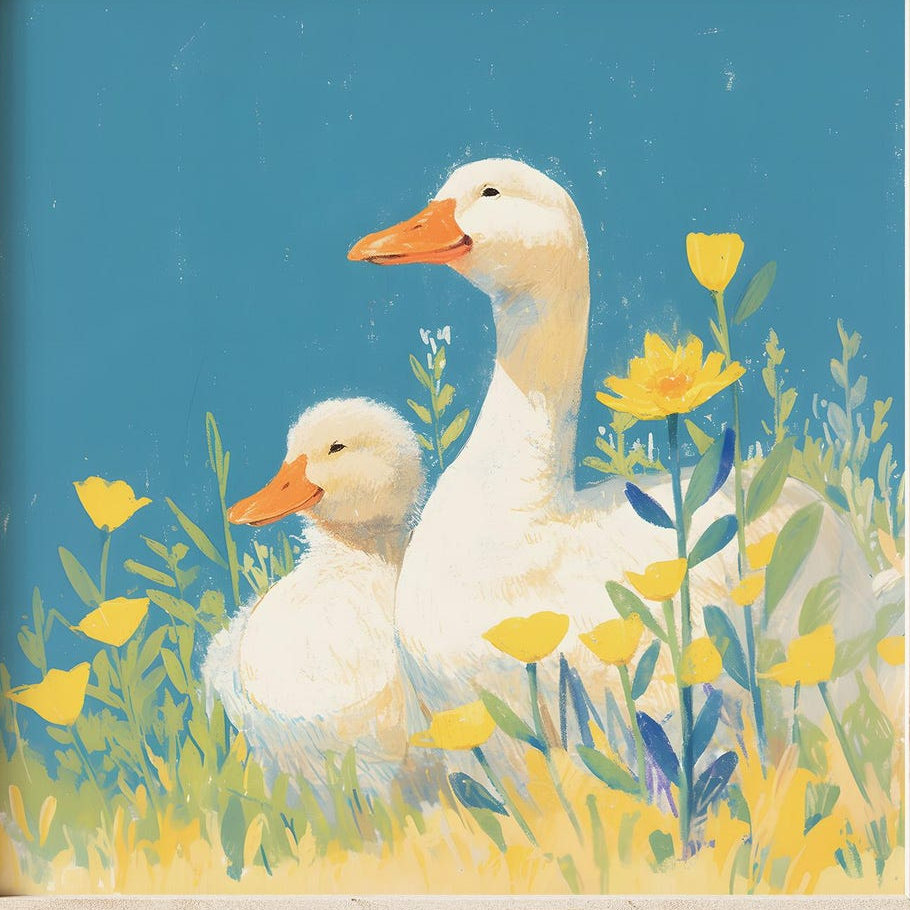
If you only know Aylesbury, Buckinghamshire as a place you pass on the way to somewhere else, you’re missing its best bits. The Aylesbury duck is part of local identity in a way that feels charming rather than touristy. For actual duck watching, choose calm places where birds can rest, such as parks and quieter waterside edges.
Don’t chase birds for photos, and keep dogs under close control near water. Also, don’t feed bread, as it can harm or choke. Local ducks get plenty of natural food nearby, and should not be enticed near people, dogs or roads.
Chalfont St Giles: A Chiltern Village in Leafy Bucks
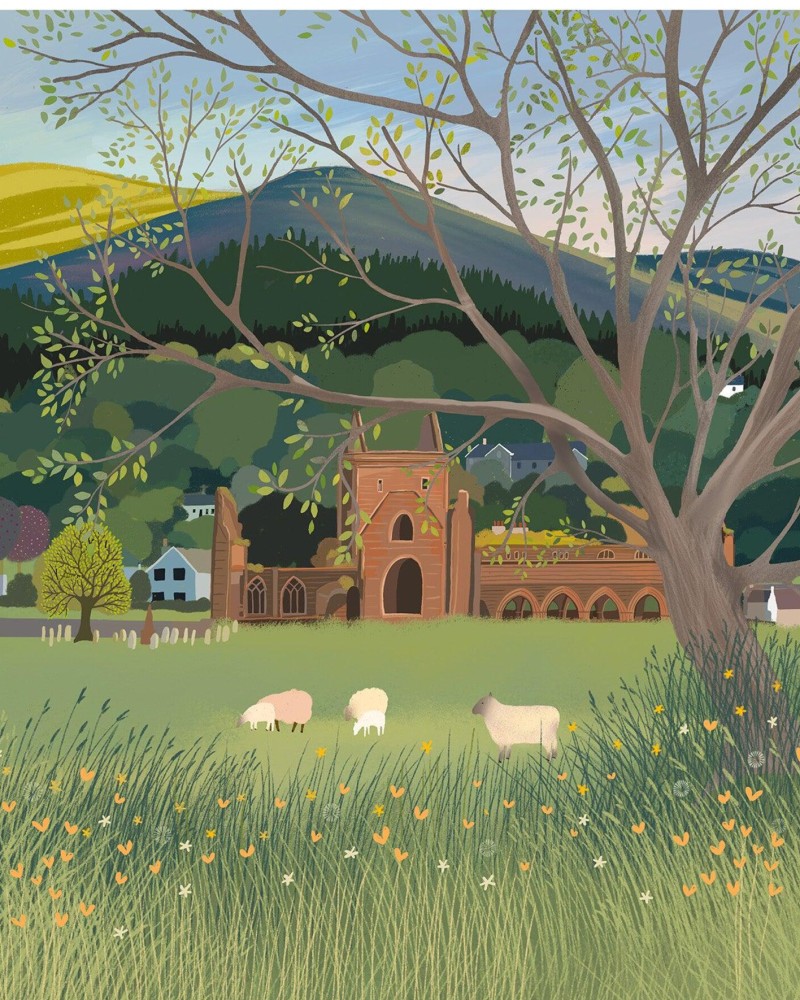
Chalfont St Giles sits in the Chilterns, where wooded slopes meet quiet lanes and open fields. People come for simple reasons: a pretty centre, good walks, and an easy day out from London.
John Milton came to Chalfont St Giles in 1665, during the Great Plague. London felt dangerous, so he moved out to the country for safety. By then he was already a major writer, and he was also blind, relying on others to read and write for him.
In this village setting, he worked on Paradise Lost. It’s easy to picture why the place helped. The lanes are still narrow, the trees still crowd the skyline, and the pace still feels unhurried. In the 1660s, it would have been quieter again, more fields, fewer passing cars, and darker nights.
Today, the Milton connection is easiest to follow at Milton’s Cottage, the small home where he lived. It’s a simple building, which makes the story land even more. A world-famous poem took shape in a modest cottage, not a grand house with a library and staff.
Chalfont St Giles also sits close to a key Quaker site linked to William Penn. Penn was a prominent Quaker, and he later became closely tied to the founding of Pennsylvania. His life connects big themes, religious freedom, dissent, and the push for fairer treatment of people who thought differently.
William spent a good part of his life imprisoned in the Tower of London for his beliefs. When he returned to England from the USA, he was cheated out of his wealth by an associate. He died penniless, but today is known as one of the founding fathers of the Quaker movement.
I expect to pass through life but once. If therefore, there be any kindness I can show, or any good thing I can do to any fellow being. Let me do it now. And not defer or neglect it. As I shall not pass this way again. William Penn
Far more interesting than that Sir Nick Clegg was born here, is that the village green was used in the popular TV comedy Dad’s Army, set in Walmington-on-Sea. The other comedy that was partly filmed here (alongside London’s Holland Park) was the gentle series As Time Goes By, with Judi Dench and Geoffrey Palmer.
Tiggywinkles (the world’s leading wildlife hospital)

Tiggywinkles in Haddenham (a large village with four ponds) is England’s best-known wildlife hospital that takes in local creatures, and runs a nationwide emergency phone helpline. It saves all creatures (not just hedgehogs).
Learn how to help your local wildlife rescues.
Founded by a couple with no medical knowledge, the co-founder eventually wrote a wildlife rescue manual, that is now used by vets. It also runs training courses for volunteers, plus diplomas for wildlife rescuers, vets and vet nurses.
Most creatures are returned to the wild. Those not able to (like blind hedgehogs or three-legged deer) live in near-natural conditions in the grounds, where they can live the rest of their lives in safety.
An easy way to raise funds is to sign up with easyfundraising (nominate Tiggywinkles, then anytime you buy things with shops or services, it donates a portion of profits, at no cost to you). Or donate anonymously via Charities Aid Foundation.
Buy a Virtual Gift for Tiggywinkles!
Rather than buy another tea towel or mug, you can buy a virtual gift to help Tiggywinkles. These include a link to videos to show your gift has helped:
- An x-ray for an injured hedgehog. Around two thirds of the 3000 hedgehogs at the centre need an x-ray to check for broken bones, abdominal trauma or bowel abnormalities, so vets know how to treat them.
- Treat a hedgehog with balloon syndrome (the cause is unknown but many hogs suffer from this, so they can’t curl up, making them vulnerable to predators). The treatment involves extracting air from the body, and a course of antibiotics, along with fluids and other treatments.
- Feed a fox cub – this covers the cost of feeding sick, injured and orphaned cubs, starting on milk and then proper food, to make them strong enough to be released to the wild.
- Mend a bird of prey’s injured wing (over 200 injured birds including owls, red kites and kestrels are treated yearly at Tiggywinkles, half with wing injuries. It’s really important to mend these properly, as they need perfect wings to fly silently at night, so prey can’t hear them.
- Raven enrichment – these are some of the world’s most intelligent birds, so while they are in the wildlife hospital, this gift pays for enrichment activities, to stop them getting bored.
- Dental treatment for hedgehogs (this pays for specialist treatment that can scale and polish hedgehog teeth, to prevent pain that can stop them from eating, if untreated).
- Lungworm treatment for hedgehogs and foxes (many creatures arrive with this, which can kill if not treated). This gift pays for a quick faecal sample to verify infestation, then treatment. You can also buy gapeworm treatment for owls (a throat parasite that can affect eating, drinking and breathing).
- Deer bandages (and for other creatures) to help those who arrive with limb injuries due to road collisions, fence entrapments or dog bites.
- You can even buy a bucket of maggots, to feed the 400 baby birds who cry out all day to be fed every 15 minutes from dawn to dust – they get through seven buckets a week!