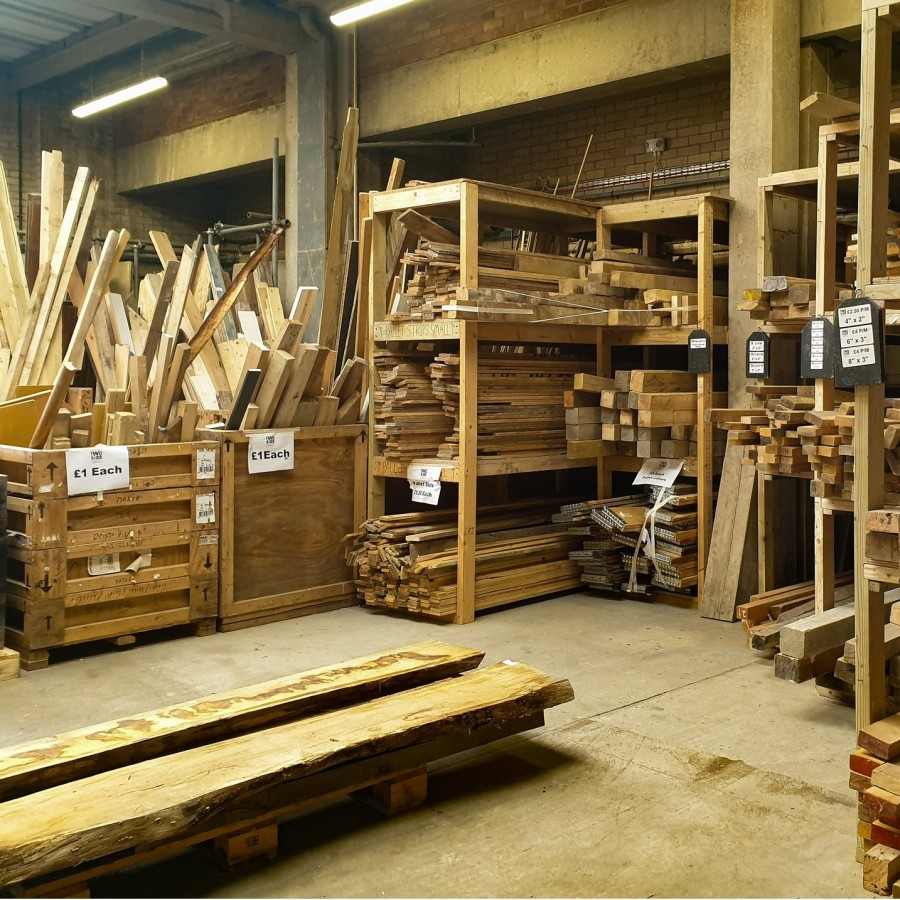
Build a Your Own Luxury Garden Shed
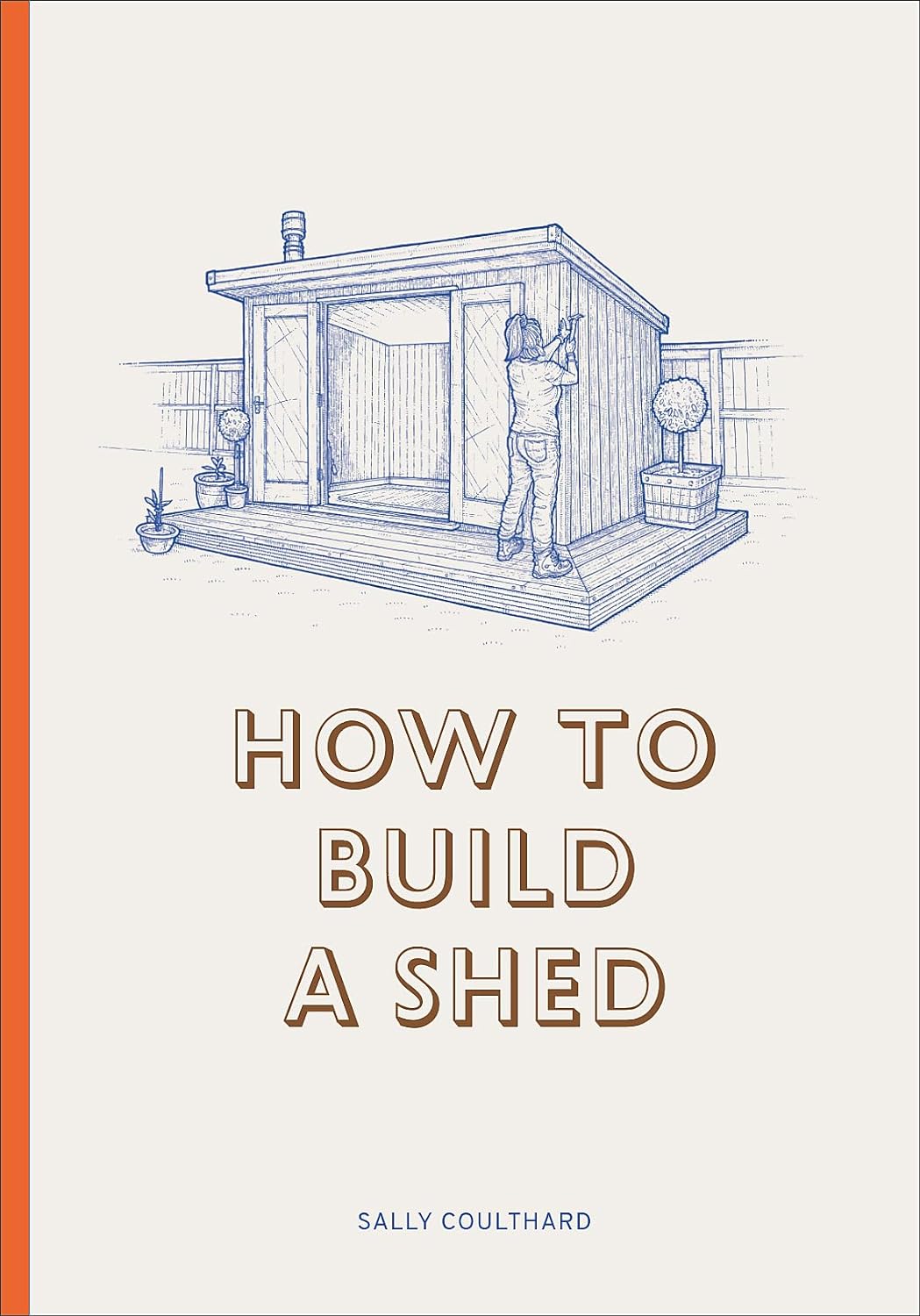
How to Build a Shed is a guide for DIY fans who would prefer to build their own shed, rather than buy one ready-made from B & Q.
The ultimate guide to creating a garden retreat, man-cave or she-shed, this book helps you create an off-the-shelf shed, rather than cheap ready-made ones that are often badly made, freezing cold and fall apart within a few years.
What if you could build your own shed from scratch? Obviously you need to be fairly good at DIY. But if you are, this book contains the plans for those with the skills to create a retreat that is as stylish and well-made as a posh shed, but for a fraction of the price.
With clear easy instructions, expert advice and specially commissioned illustrations, this book will help you source materials, choose the right tools and build your dream shed on a budget.
If knocking down old sheds, check for wildlife (foxes make dens underneath, bats and hedgehogs hibernate in winter).
Also check hoglets have left home (at least 8 weeks after giving birth which can be from spring to July).
Non-toxic Powder-Based Wood Stain
Lifetime Wood Treatment (also sold in UK) is a nontoxic alternative to creosote. Ideal for decks, fences, furniture, windows and doors. Made from natural plants and minerals, this is not a varnish but causes wood to develop different shades over time, depending on the wood to which it is applied. Made to a 60 year old recipe, it’s sold in powder form, just mix with water and apply.
Creosote is harmful to children, pets, wildlife and plants. It’s a by-product of incomplete combustion, so is also flammable, and linked to chimney fires and carbon monoxide poisoning.
Creosote is also harmful to aquatic life, once it rinses down drains and goes into our rivers and seas.
It’s now classed as hazardous waste. So ask your local council how to dispose of its safely, as you can’t just put wood treated with it in recycling bins, or drop it off at household recycling centres.
Choose the right spot, size, and layout for how you will use it
Place it where it works daily, not where it “fits”. For an office, aim for morning light from the side, not full sun blasting through a big window at 2 pm. If you’re recording music, pick the quietest corner, away from the road and neighbour seating.
Check drainage and ground level. Avoid low spots where water sits after heavy rain. Leave space to walk around the shed for maintenance, especially if you choose timber cladding.
For size, simple rules help. A 3 m x 4 m footprint suits a comfortable garden office with storage. A small gym often wants closer to 4 m x 5 m, because you need clear floor area, not just wall length. Inside, zone it like a studio flat: a desk wall, a storage wall, and a soft corner for seating. Finally, mark the door swing and window positions early, because they affect where furniture can go.
Check UK rules early (planning permission, permitted development, and neighbours)
Many garden sheds fall under permitted development in the UK, but details matter. In plain terms, outbuildings must usually sit behind the principal elevation of the house, and they can’t cover too much of the garden. Height rules are a common catch: within 2 m of a boundary, the maximum overall height is typically 2.5 m. Further away, it’s often up to 4 m for a dual-pitched roof (apex), or 3 m for other roof types (like a pent). Eaves height is usually limited too.
Rules can change for listed buildings and conservation areas, and some homes have planning conditions. If you’re unsure, check your local council guidance and get confirmation in writing.
Even when you don’t need permission, be a good neighbour. Avoid windows that overlook, keep outdoor lighting downwards and warm, and think about noise. If you plan foundations close to a boundary or near a neighbour’s structure, the Party Wall etc. Act 1996 may apply, so take advice before you dig.
Build the shell that feels premium: base, frame, roof, and weatherproofing
The shell is what separates a luxury garden shed from a tired summerhouse. A premium shed feels quiet in wind, stays dry in sideways rain, and doesn’t smell musty in October. That comes from doing fewer things, better, instead of adding fancy finishes to a weak structure.
Think in layers: a stable base, a stiff frame, a roof that sheds water fast, and weatherproofing details that don’t rely on hope. If your shed will be heated and insulated, you also need to control moisture, so the warm indoor air doesn’t condense inside the walls.
A solid base makes everything easier (and stops damp and stuck doors)
Choose a base that suits your ground and your patience. A concrete slab is strong and stable, but it’s messy and hard to change later. A paving slab base can work well for smaller sheds, as long as you compact the sub-base properly and get everything level. Ground screws are quicker and reduce digging, which helps on tricky sites, but they need accurate setting and aren’t ideal everywhere.
Whatever you pick, aim for dead level. A slight twist can make doors bind and windows rack. Add a damp proof membrane where needed, and plan airflow under a timber floor. A common floor build-up is joists, insulation between the joists, a moisture barrier on the warm side, then a sturdy subfloor (such as tongue-and-groove boards or quality sheet flooring). Keep timber away from standing water, and don’t block ventilation gaps with soil or gravel.
Frame and cladding choices that look high end and handle British weather
A simple timber stud frame can feel solid if you build it straight and brace it well. Regular stud spacing makes it easier to fit insulation tightly. Use proper fixings, add bracing where needed, and plan your membranes so moisture can’t get trapped.
Cladding affects the look, maintenance, and how long the shed stays smart. This quick comparison helps you choose:
| Cladding type | Look and feel | Upkeep | What to watch | |—|—|—| | Cedar | Warm, premium, natural grain | Low to medium | Will fade to silver if left untreated | | Larch | Similar to cedar, often slightly bolder grain | Medium | Can move and crack if boards dry unevenly | | Thermally modified timber | Stable, clean lines, modern | Low | Higher cost, check warranty and fixing guidance | | Composite | Consistent colour, very neat | Low | Can look flat up close, heat expansion needs care | | Fibre cement | Crisp, painted look, very stable | Low | Heavier, cutting needs dust control and care |
Luxury details are often small: consistent board spacing, sharp corners, tidy trims, and hidden fixings where possible. Those details make the shed look designed, not “nailed together”.
Roof design, drainage, and ventilation so it stays dry year round
Roof shape is part style, part function. A pent roof suits modern garden offices and can keep height down near boundaries. An apex roof gives a classic look and extra headroom. Either way, don’t push pitch too low, because slow-draining roofs age faster in UK weather.
For coverings, EPDM rubber is popular for flat and low-pitch roofs because it’s tough and simple when fitted correctly. High-quality felt can work, but cheap felt fails early, usually at joins. Metal roofing lasts well and sheds water fast, although rain noise can increase unless you insulate and line the roof properly.
Add gutters and downpipes, then decide where water goes: a water butt for the garden, or a soakaway if you have space and suitable ground. Also plan ventilation. Insulated, heated sheds need airflow to reduce condensation, so include vents, and don’t seal the building like a bottle.
Make it feel like a real room: insulation, electrics, lighting, and heating
The “luxury” feeling arrives when the shed stops behaving like a shed. A good garden room stays steady in temperature, feels bright without glare, and has power where you need it. Comfort also saves money, because efficient heating in a well-insulated space costs less than blasting a draughty box.
Keep this section safety-led. In the UK, electrics outdoors are not a DIY guessing game. Plan the routes, then use qualified help for the supply and certification.
Insulation and airtightness for warm winters and cooler summers
Insulate the floor, walls, and roof if you want year-round use. PIR boards offer strong insulation for their thickness, which helps in compact builds. Mineral wool can work well too, and it can improve sound control, although it needs careful fitting and protection from moisture.
Airtightness is just as important as insulation. Seal gaps around boards, corners, and service holes, because tiny leaks add up. Use the right vapour control layer placement so warm, moist air doesn’t reach cold surfaces inside the wall. If you’re unsure, follow a proven wall build-up for a garden room, or ask a professional before closing everything in.
Double-glazed windows and an insulated door make a big difference to comfort. For offices and studios, add simple sound upgrades, such as acoustic mineral wool and an extra layer of plasterboard, because fewer distractions is a form of luxury.
Power, lighting, and data without cutting corners
Plan sockets before you frame the walls. Count what you’ll plug in on a normal day, then add a few more. A desk area might need sockets for a laptop, monitor, printer, phone charger, and a lamp. Gyms often need fewer, but you may want power for speakers, a fan, or a treadmill.
Use a qualified electrician for the outdoor supply, RCD protection, and any consumer unit work. It’s safer, and it protects your home insurance position. Also plan lighting in layers: bright task lighting for work, softer ambient lighting for evenings, and practical outdoor lighting for the path.
For internet, you have three common options:
- Mesh Wi-Fi, quick to try, but depends on distance and wall thickness.
- Powerline adaptors, simple, but performance varies with wiring.
- Buried Ethernet, the most reliable, but needs trenching and protection.
Pick the one that fits your use. Video calls and large file uploads often justify the effort of a wired connection.
Heating and cooling that feels effortless to use
Electric heat is common in garden rooms, but comfort varies by system. Panel heaters warm quickly and suit occasional use. Oil-filled radiators give gentler heat, but they warm up slower. Electric underfloor heating mats feel great underfoot, although they cost more to install and you need to plan the floor build-up early.
If you want the most controllable year-round comfort, a small air-to-air heat pump can heat and cool efficiently. It’s not the cheapest upfront, but it can be cheaper to run than direct electric heating in a well-insulated shed.
Whatever you choose, keep ventilation in mind. Trickle vents and good airflow help in winter as well as summer. For hot spells, add simple shading, such as blinds, an awning, or planting that blocks afternoon sun.
Luxury finishes that add wow factor, storage, and value
Finishes are what you see and touch, so they should feel solid. Still, don’t spend on fancy flooring if the roof detail is weak. A luxury garden shed feels expensive when the whole build is calm and consistent, from the door handle to the light switches.
Keep maintenance honest too. If you love the look of natural timber, accept you’ll clean and oil or stain it. If you’d rather do nothing, choose materials that stay tidy with a quick wash.
Interior upgrades: walls, flooring, built-ins, and a tidy look
For walls, plasterboard and paint give a smooth “proper room” finish. Quality plywood panels can look modern and warm, especially with a clear coat, and they’re tough in gyms and workshops.
Flooring should match the use. Engineered wood suits offices and lounges. LVT handles muddy shoes and is easy to clean. Rubber flooring works well for gyms because it grips and softens noise. Add a decent underlay where appropriate, because cold floors ruin comfort fast.
Built-in storage is one of the easiest ways to make the space feel high end. A simple run of cupboards can hide routers, weights, files, and cleaning bits. Also plan a cable route so wires don’t drape across walls. Small details like skirting boards, architraves, and solid handles give that finished feel.
Exterior details that make it look designed, not thrown together
The outside sets expectations. A statement door, larger glazing, and matching window frames can make a shed look like a garden studio. Colour matters too. Dark shades can look sharp, but they can absorb heat, so balance style with summer comfort.
A small deck or patio creates a “threshold”, which makes the building feel like a destination. Add a step with drainage so water doesn’t sit against the frame. Path lighting also helps, because luxury is partly about arriving without fumbling for keys in the rain.
Landscaping finishes the scene: planters, screening, and climbing plants soften edges. Just keep plants and soil off the cladding, because timber needs airflow to dry after rain.
If the exterior looks calm and the path feels intentional, the whole shed reads as higher quality.