We Need a Cabinet Office for Animal Welfare
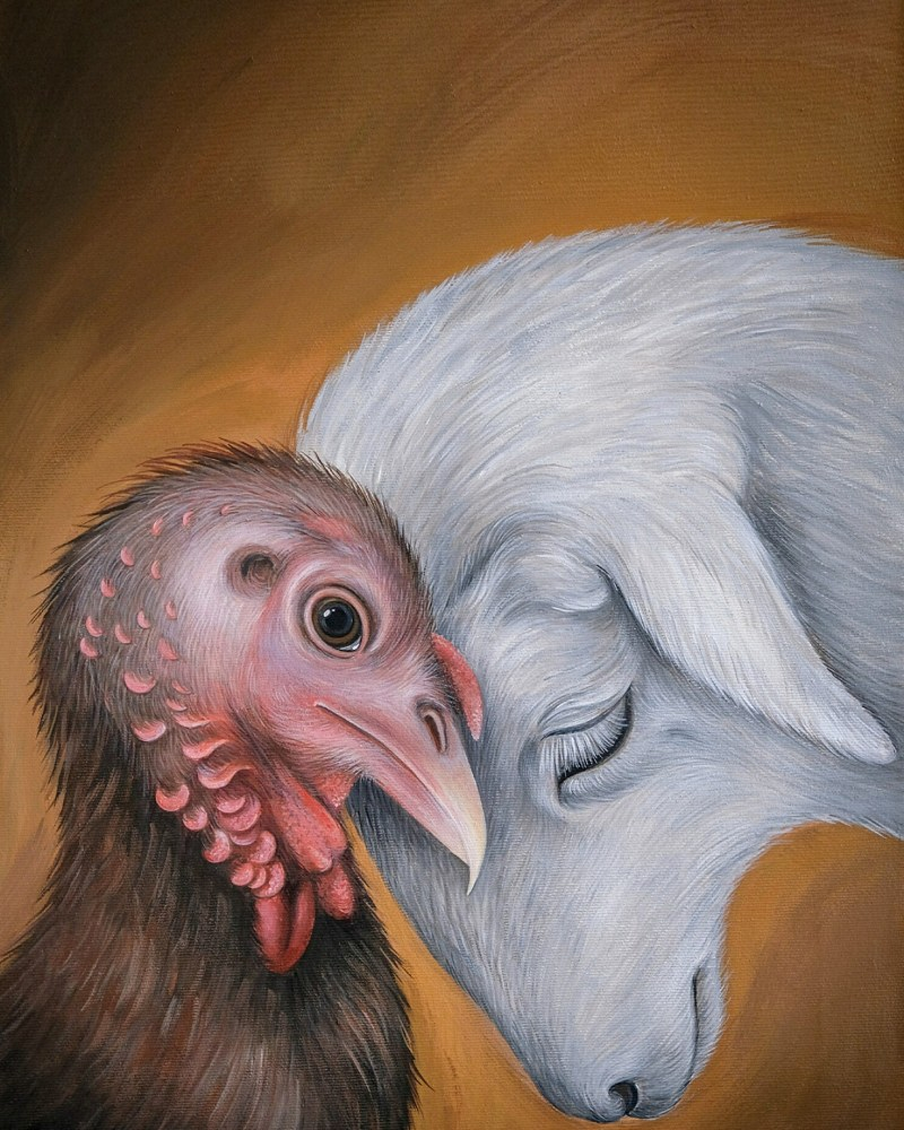
The Australian Greens (far more successful than here with many MPs and local councillors) is calling on the government to introduce an Independent Office for Animal Welfare. This would seem a no-brainer. If you think of all the abuse that animals suffer (pets, wildlife, birds, barnyard animals, horses, marine creatures, fish, reptiles, insects and endangered species abroad), it makes sense to have a cabinet office of its own.
We could call for something similar. They want such an office to push for:
- A ban on live animal exports (to the Middle East)
- A ban on greyhound racing (England has around 19 tracks left)
- Phasing-out battery cages and sow stalls
- An end to commercial shooting of kangaroos
- Protecting native wildlife from habitat destruction (our Labour government is killing wildlife by relaxing planning laws on house-building)
- Laws to recognise animals as sentient beings
A UK Animal Welfare Minister?
This would at least be a start. Green Party policy is to have one, but no other parties. At present, animal welfare falls under the massive title of the Department for Environment, Food and Rural Affairs (which means it mostly only covers farming and countryside, often lobbied by vested farming interests).
Animal welfare issues in England are handled by DEFRA (other countries are devolved) and considering DEFRA supported the ineffective and inhumane badger cull for years before conceding that there are better ways to prevent bovine TB, we have a long way to go.
At time of writing (2026), Baroness Hayman of Ullock is responsible for animal welfare (leading policies on zoo regulations and animal testing (rather than humane medical research).
And Dame Angela Eagle is responsible for farmed animal welfare and bovine TB.
The (cancelled) Animal Welfare Bill
No matter what you thought of him (and for most of us, that was not a lot), one of the few brilliant things that Boris Johnson did while Prime Minister, was create and try to pass through the Kept Animals Bill.
The name does not sound good, but it was the biggest package of animal welfare changes in modern history.
It would have banned puppy mills, imports of trophy hunting and made stronger penalties for those who abused animals.
It would have included new measures to tackle livestock worrying, banned import of ill dogs for breeding and banned keeping primates as pets. Even game birds (pheasants), llamas and ostriches would have been given greater protection.
Then Rishi Sunak got rid of it, before it even came into law. Now there is an Animal Sentience Committee instead (talking around a table).
Even Conservative MP Andrea Jenkyns launched an online petition, urging him to rethink dropping the bill, something that all the major animal welfare charities are appalled at.
The Bill was dropped with just 5 more hours to debate, before it would have gone to the House of Lords for approval.
These dropped animal welfare pledges could be pivotal, when assessing the UK government’s page in the history books.
From ending the live export of animals to dealing with pet theft and stopping the import of dogs with cropped ears, there’s so this government promised, which has sadly found its way onto the Whitehall scrapheap. Emma Slawinksi (director of policy RSPCA)
Yet the strange issue is that Rishi Sunak is a devout Hindu, a religion that is known for being kind to animals. He made history when using the Bhagavad Gita (over the Bible) to be sworn in, and has told journalists that his deep faith guided his every decision as Prime Minister.
If you’ve ever done yoga, you’ll know that the main doctrines of the faith are ahimsa (do no harm) and karma (all living beings should be treated with respect, as Hindus believe in reincarnation for their actions in this life).
The Animal Welfare (Livestock Exports) Bill was introduced in December 2023, following the colossal betrayal to animals with the scrapping of the Kept Animals Bill.
This new Bill solely focuses on a ban on live export of large animals for fattening and slaughter. But the Bill has holes as they will still be allowed to be live exported for breeding. Animal Justice Project
What About the Pending Animal Welfare Bill?
The Labour government is presently trying to secure a new kind of animal welfare Bill. But some critics say it has many flaws.
For instance, those who rescue dogs from abroad with docked tails, would not be able to do so. It needs a lot more work to make this a Bill to work for all creatures.
Right now, responsibility is scattered
Animal welfare touches more than one “animal” brief. It shows up in:
- farming and food production
- trade and border policy
- the environment and land management
- local council licensing and inspections
- policing and wildlife crime
- public health and disease control
- research rules for lab animals
- education and public guidance on responsible ownership
Set clear national goals and measure progress
If government wants better animal welfare, it needs goals that ordinary people can understand. It also needs to show progress without spin. A public dashboard and an annual report to Parliament would make a big difference, because promises become checkable.
Practical national goals could include:
- Better enforcement of breeding and licensing rules, with minimum inspection standards across councils
- Fewer illegal imports, backed by targeted checks and shared intelligence
- Higher welfare in public procurement, so public bodies buy from suppliers who meet clear standards
- More support for alternatives to animal testing, where science allows it and welfare improves
- A stronger response to wildlife crime, with consistent priorities and training
Australia’s Animal Justice Party (what to learn)

In England, we have our own Animal Welfare Party, a fringe party that is doing wonderful work to make the world a kinder place for creatures of all kinds. Alas, so far it has not made many inroads.
So let’s pop over the border (actually the other side of the world!) to discover how Australia’s Animal Justice Party is thriving, with three elected MPs and a party that has actually managed to change many laws for creatures over there. It’s obviously doing something that we are not doing here?
Fringe parties do make a difference. Neither party is obviously ever going to become a government. But just one or two MPs (or even more importantly perhaps, some local councillors) can make a real difference to regional, national and sometimes even international policies.
The first Party for the Animals (which gained two MPs in The Netherlands) did change some laws in that country, which spurred an international movement.
Australia’s Animal Justice Party currently has three MPs:
- Emma Hurst has a background in media campaigns for animal welfare. Her focus is on changing policies to prevent bushfires, and domestic abuse victims with pets find safe homes.
- Amanda Dorn MP is a businesswoman whose main focus is on the party’s Veticare Scheme, which would bring affordable vet care to all (due to concerns over rising vet bills and emergency care).
- Georgie Purcell is a former pole dancer (she says her past helps her deal with difficult people!) who took degrees in law and politics. She campaigns to ban puppy farming, duck shooting, greyhound racing and investing in climate-smart agriculture (to feed people in developing countries).
The party’s many policies include one that our own animal welfare party also wants: an Independent Office of Animal Protection. We have a department of environment, housing, safeguarding etc. So why not one for the millions of species, they need their own department, considering the abuse so many animals suffer?
This would ensure that their welfare was taken into account across all sectors: food, fashion, travel, pets, wildlife, marine creatures, racing industry etc.
If you feel upset at current politics, this is a more hopeful party to inspire. And if you feel that ‘fringe parties can’t make a difference’, just look at what this party has managed to achieve so far!
Achievements of Australia’s Animal Justice Party
- Introduced a Private Member’s Bill to create a Wildlife Rescue Authority in Victoria, and secured millions in funding to upgrade wildlife shelters.
- Passed a Family Violence and Animals motion, so pets in violent homes are removed from abusers to live in safe foster homes (funded by government).
- Banned recreational shooting of wombats (native creatures to Australia) and also locked in budget funding to treat mange (one of the biggest risks to wombats), by applying medical treatment to flaps on their burrows. It has also secured a wombat gate trial (fixing gates to fences to stop them burrowing onto properties where they could be harmed by landowners).
- Passed a motion after a national petition to ban ‘convenience killing’ of shelter animals (after a fostered greyhound was put to sleep by a large shelter, due to anxiety which could easily have been treated).
- Has been instrumental in educating the public on humane medical research benefits (over animal experiments) and protecting children from watching animal abuse footage (and bringing in stronger laws for animal abusers).
- Preventing the creation of a kangaroo slaughterhouse.
- Ended the use of dolphins and whales for ‘entertainment’.
- Obtained mandatory lifeline bans on ‘owning’ animals for serious abusers (who are no longer allowed to work with children).
- Worked with many councils, to ban the sale of fur.
Does this party not make you feel more hopeful? Just imagine if all voters asked whichever party they support to do more to help all species. It’s possible – it’s already been done, as you can read above!
New Zealand’s Animal Welfare Party
New Zealand has joined many other countries, in launching its own animal welfare party. Animal Justice Party has been launched to help create a more compassionate and just society for all animals, through promoting ethical treatment and better legal protection of all species.
From campaigning for humane research to banning animals being exploited for entertainment, the party also wants the government to create a Commissioner for animals, a simple initiative that could do huge amounts of good.
This law is also supported by organisations across New Zealand who work on the frontline of animal welfare, and are sometimes powerless to act, due to inadequacies in the law, in a country known for its higher animal welfare standards than most other countries.
An independent Commissioner for Animals would be able to propose legislative changes and enforcement, where basic requirements were being ignored or compromised.