Chalk Cliffs and Hills (a form of white limestone)
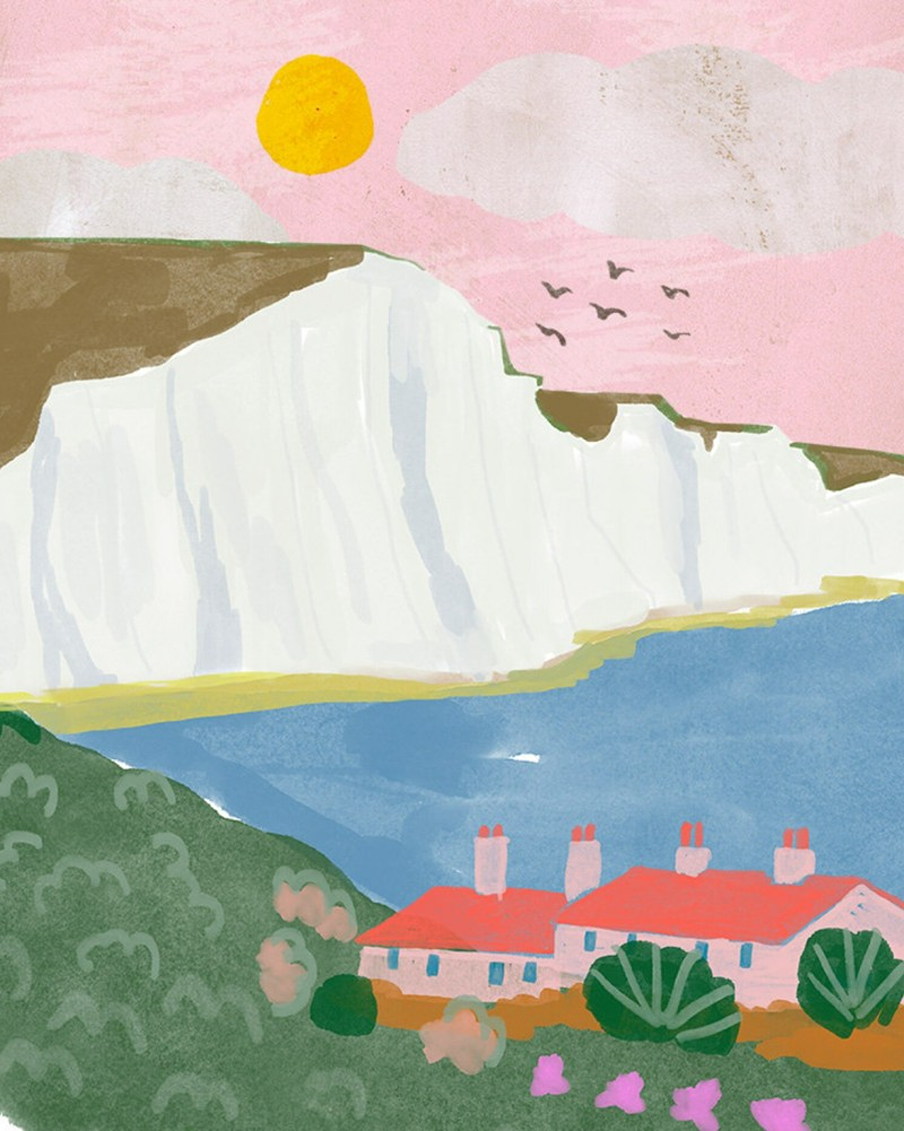
We often hear of chalk in England – the white cliffs of Dover, the chalk South Downs and the chalk carvings of horses on ancient hills. But what is it exactly, and how did it form?
Chalk is simply a porous form of white limestone composed of microscopic marine plankton skeletons that have settled over millions of years. It accumulates at roughly the rate of just 1cm every 1000 years, with some chalk forms over 30 million years old.
It’s not the same as classroom chalk (this is gypsum – calcium sulphate). Natural chalk acts as a massive aquifer to store rain and provide drinking water for many cities. Abroad, there are massive chalk deposits in Texas, Arkansas and Nebraska.
Chalk streams in England are unique and some of the world’s rarest habitats (we have around 85% of them worldwide). They have nutrient-rich water fed by chalk aquifers that provide vital ecosystems for brown trout, water voles and water crowfoot.
Most of the 300 or so chalk streams are in England, from the Dorset Downs to the Yorkshire Wolds. They start from springs in chalk aquifers, and are often called ‘England’s rainforests’. Yet many face threats from over-extraction of water, agricultural pollution and loss of habitat.
In history, they were used to power flour mills and used for watercress farming.
The Stunning White Colours of Nature
White is a colour steeped in beauty and meaning, especially in nature. It speaks to simplicity and peace (think of a white dove). From snow-capped mountains to delicate petals, it has a quiet power. Let’s explore this fascinating colour and its presence in nature.
From freshly fallen snow to fluffy clouds, white reminds us of nature’s calm moments. We have several white flowers like daisies, snowdrops and lilies. All are toxic to pets.
Even used sparingly, a little white is stunning – a rooftop covered with a blanket of snow softens sharp edges. Winter landscapes with frost feel like scenes from another world. Think of white sand beaches in destinations like the Seychelles or Maldives. The contrast against the blue is stunning.
Polar bears have white fur, so mothers can protect their cubs in the snow. The dazzling white of some butterflies can confuse predators, offering a split-second advantage for escape.Other white creatures in Arctic countries are snowy owls and Arctic hares (that change the colour of their fur in winter, to deter predators).
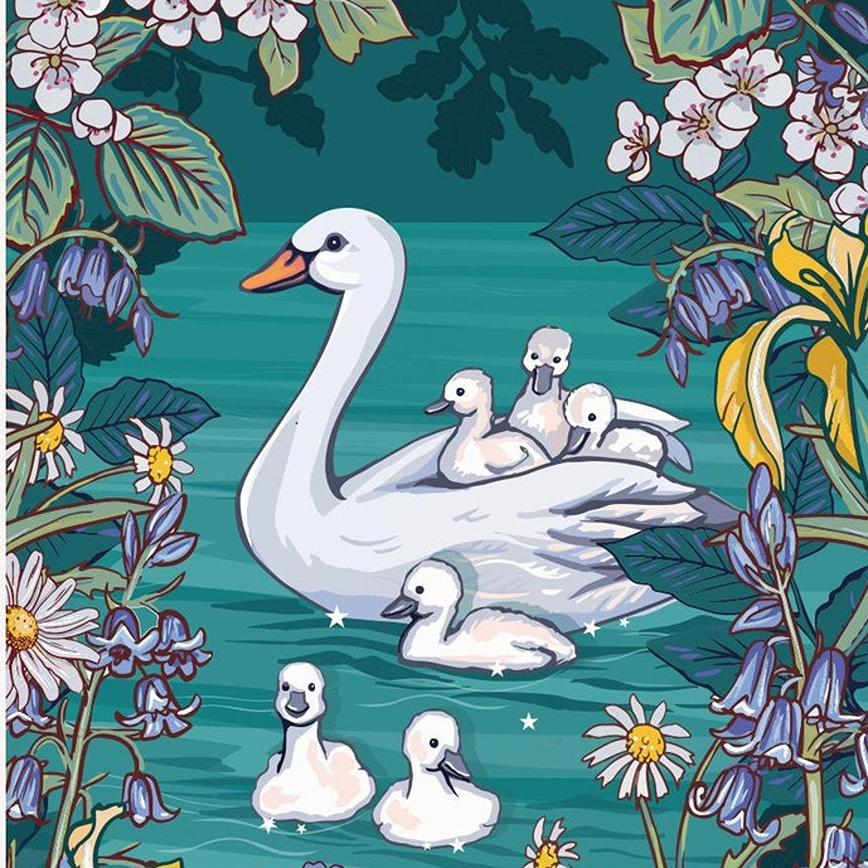
Birds like seagulls and swans showcase showcase feathers that glisten in the sun.