How Churches Can Help Bats and Owls
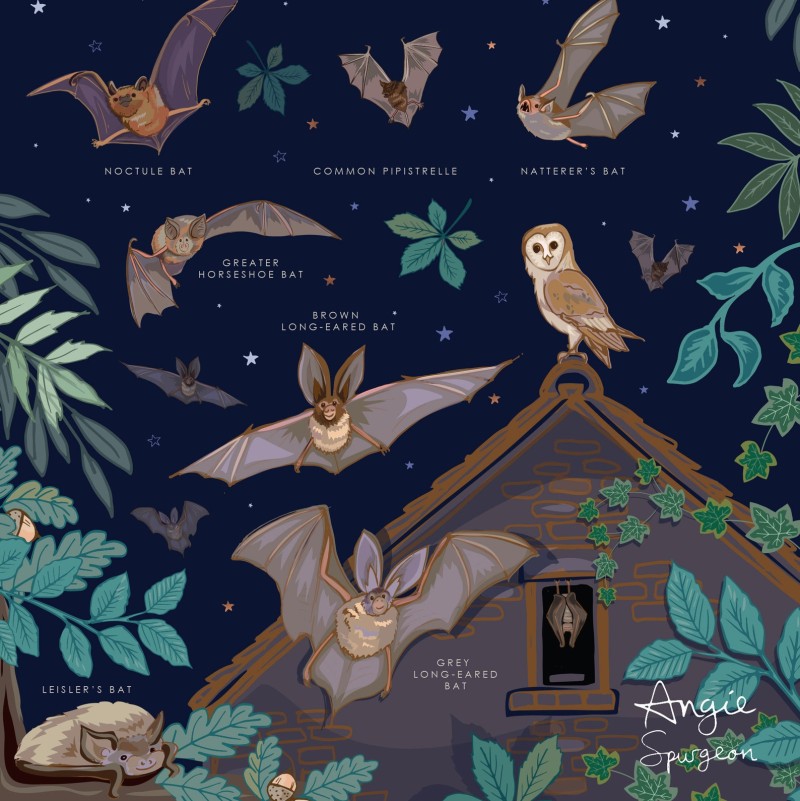
England has almost 40,000 churches, many of them ancient buildings with old eaves and barns, and thick-leaved trees with big branches. Although both species are at risk, there are millons of bats and possibly around 70,000 pairs of owls in England. All needing food, shelter and habitats to hide, breed and sleep (and in the case of bats, hibernate for the winter).
One bat can eat thousands of midges and mosquitoes each night, while owls naturally keep rodent populations under control.
The main risk to both species is habitat loss, due to ancient hedgerows and old barns disappearing. So old churches play a huge part in providing sanctuary to both species, as you often have exactly what these lovely creatures want! And then some!
From churchyards to belfries and from cemeteries filled with trees, places of worship provide ideal quiet sanctuaries for both nocturnal species. Churches are pretty quiet also during the week, and can act as proper wildlife corridors for both rural and urban areas.
How churches can help bats
- Mount wooden bat boxes high on exterior church walls or hidden within the belfry, for safe roosting sites. It’s important to keep access points open so bats can enter without letting rain or large birds inside.
- Use wildlife-safe brands and turn off lights so bats can fly and forage in peace.
- Bat Conservation Trust has heaps of advice (plus emergency help if you need it). Plus info on choosing, installing and cleaning bat boxes (it’s illegal to disturb them unless you are registered). The website Bats and Churches can also provide specialist help.
- Plant bat-friendly night-scented plants like evening primrose, honeysuckle and jasmine in churchyard borders to attract moths and midges, which provide food for bats. Also let church grass grow tall, which boosts insect populations to create food-rich habitats. If your church has resident dogs or cats, avoid pet-toxic plants (stick to safer ones like evening primose and herbs like basil).
How churches can help owls
- Avoid pruning or cutting down old hollow churchyard trees during spring nesting season (ideally don’t cut them down at all).
- Barn Owl Trust is the site to visit, to find out how to help owls, safely set up and clean owl boxes, and what to do if you find an injured owl or chick.
- Fix specialist nest boxes inside church towesl and belfries, or high up on mature trees. Leave areas of graveyards uncut, this creates a nature in balance where owls can hunt for mice, rats and voles. Never use rat poison.