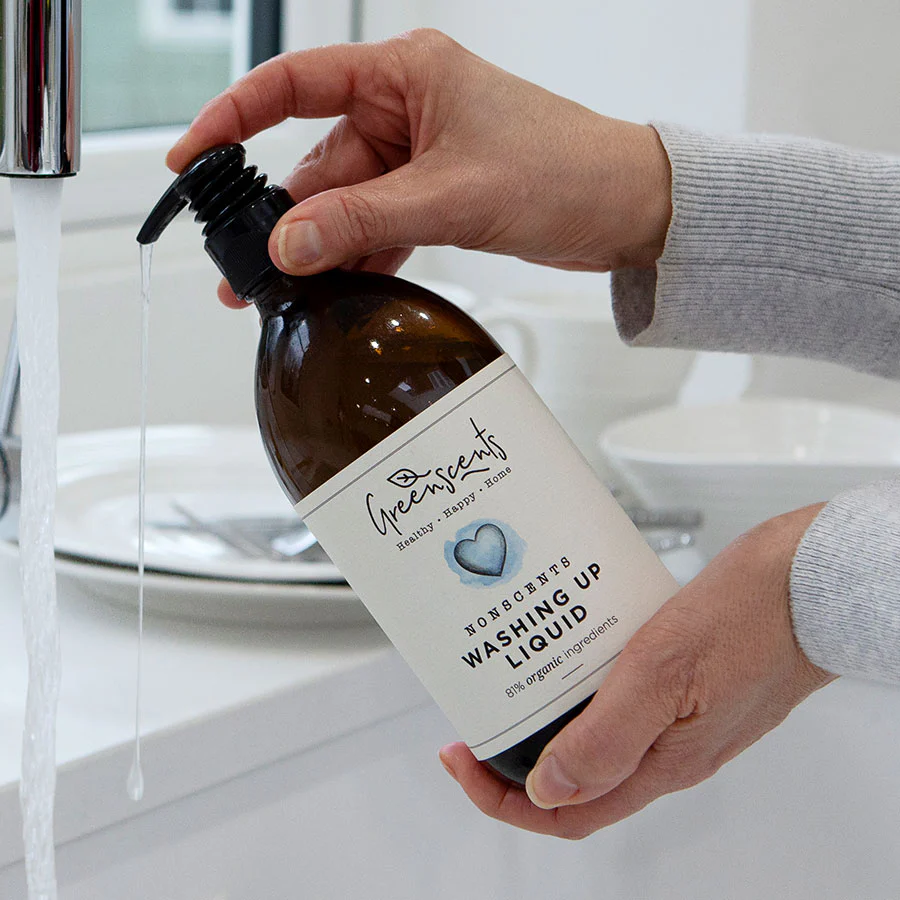
How to create a climate-friendly garden sanctuary
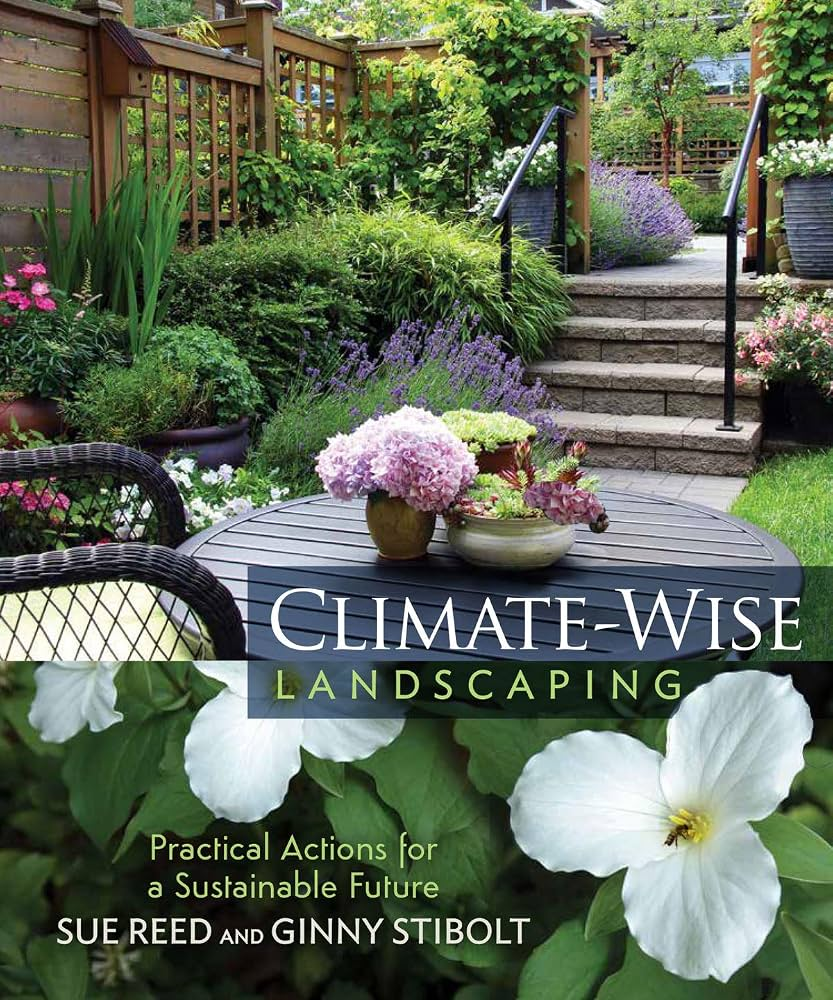
Climate-Wise Landscaping is a super book by expert landscapers, whether you are planting a new garden or giving an existing garden a green makeover.
Learn how to shrink your garden footprint through active landscaping, provide natural shade areas, create cleaner air and water, and provide homes for garden pollinators.
The volume of information here is impressive, each action accompanied by an explanation of why it’s important. Many suggestions (beyond stop using pesticides, reduce irrigation, replace non-native plants) aim to minimise damage from fire, flood and storm). Ann Heidemann
Read more on no-dig gardening and humane slug/snail deterrents. If you live with animal friends, read up on pet-friendly gardens (also read how to stop birds flying into windows).
Choose eco landscaping for life & beauty
Start with community in mind – plants, people, pets, birds and wildlife. Eco landscaping works with local soil and climate. Go for native wildflowers, shrubs, and trees. These thrive without much fuss.
Skip the chemicals. Think mulch from fallen leaves. Keep things wild at the edge. Nature loves gardens that are left a bit messy, for natural food, shelter and hibernation.
Ditch the netting, save wildlife
Netting seems tidy, but it’s a hazard for birds, hedgehogs and other creatures (football nets in particular are a hazard for curious foxes – use a football goal wall instead). Also fold away and store rotary clothes driers when not in use – safer to use a retractable clothes lies, that fits flush to the wall, when not in use.
Nearly all garden netting on sale is above the maximum recommended hole diameter to protect wildlife. Instead, use fruit tree protection bags (these are more like fleece, and protect crops, but the holes are too small for creatures to get trapped in them).
They protect fruits from cherry worms, aphids (ladybirds will also help!), wasps and birds, without need for chemicals, and also protect against frost, heavy rain and hail.
Use in early spring to protect blossom, and remove for pollination (use in summer and autumn to protect fruits). These are good for cherry, peach, nectarine, apricot, apple and pear trees.
Avoid netting on ponds, if trying to deter herons etc. Read our post on wildlife-friendly ponds.
Go all-in for organic gardening
As well as using no-dig gardening (to protect earthworms and stag beetles), feed your plants with good compost or seaweed fertiliser.
Keep fresh compost away from pets (contains fresh mould). Also always check before moving compost bins (or demolishing sheds) as often garden creatures like frogs and hedgehogs hide under them.
Keep lawns organic and wild
This depends on your needs. People with children or pets may wish to keep a plain organic lawn for play and rest. But if you don’t really use it, it’s worth turning your lawn into a wildflower meadow, as this supports many pollinators.
Read our post on organic lawns.
Manual mowers are best. But if you use an electric or motor mower, then always check beforehand for garden creatures (never use robotic mowers, as sleeping wildlife won’t wake up in time).
Use garden shears over strimmers (or at least sweep through with a broom beforehand, to let wildlife escape).
Save every drop (water-wise habits)
As as water-saving gardens being good for the planet, it saves you money if you are on a water meter. Never leave open barrels of water around (drowning hazards for children, pets and wildlife – stagnant water can also trap mosquitoes).
For wildlife, use shallow water bowls, and include a few little stones so bees and butterflies can safely exit, if they fall in.
Rainmaker watering can has a sloped lid to self-fill from rainwater. And it has a little ‘frog ladder’ inside, so creatures that fall in, are able to escape. Made in the UK from recycled plastic.
If you live in a dry and warm climate (on the south coast!), then consider drought-tolerant native plants, that require less watering.
Some drought-tolerant plants are toxic to pets. Read our post on pet-friendly plants.
You then don’t need to water as much:
If the ground’s still damp two inches down, save the water for another day.
RHS has a good post on drought-tolerant plants. Most have silver or grey-green leaves, as the light colour reflects the harsh rays of the sun. Some of these also have a coating of fine hairs on leaves and stems, which helps to trap moisture.
Grow your own natural shade
Plant trees! Many offer dappled light and welcome places to relax, just don’t plant too close to the house, or it could affect foundations
Keep conkers and oaks trees away from animals. If you house equines, know of trees to avoid near horses (including yew, oak and sycamore).
Cordon off trees affected by oak processionary moths (also from livestock) and contact a vet if in contact.
Vines can shelter sitting areas and fences, and provide natural shade that cools the air, and prevents soil from drying out.
Protect your garden from strong winds
Wind can flatten your veg patch and dry the soil. You can build a living screen from bamboo. Natural hedges can break gusts of wind, into soft breezes. And will be appreciated by birds (flying into hedges provides natural cover from predators).
Choose wildlife-friendly fencing
Whether you choose a secure fence or natural hedges, a sanctuary is a space that is private, where you can relax and snooze or read, or just listen to the birds sing.
Hedgehogs are endangered, due to their natural habitats being destroyed. So if you have a garden fence, read our post on saving hedgehogs to learn about building little ‘hedgehog highways (small holes in fences) so they can travel from garden-to-garden.
Hedgehogs are nocturnal. So if you have pets that roam gardens (rabbits to dogs), you can seal the holes up during the day, as hedgehogs will be fast asleep!
Clean patios the eco-friendly way
Skip harsh chemicals. If your patio needs a clean-up, first sweep moss and debris away with a stiff brush or broom. Then use hot water (don’t add vinegar, as the acid can kill tiny garden creatures).
For stubborn areas, you don’t need commercial products, most contain too many chemicals or scents. Instead, just use hot water with a few squirts of Bio-D unscented biodegradable dishwash liquid in a watering can, scrub the patio, rinse and leave to dry in the sun.
Simple Swaps for Plastic-Free Organic Gardens
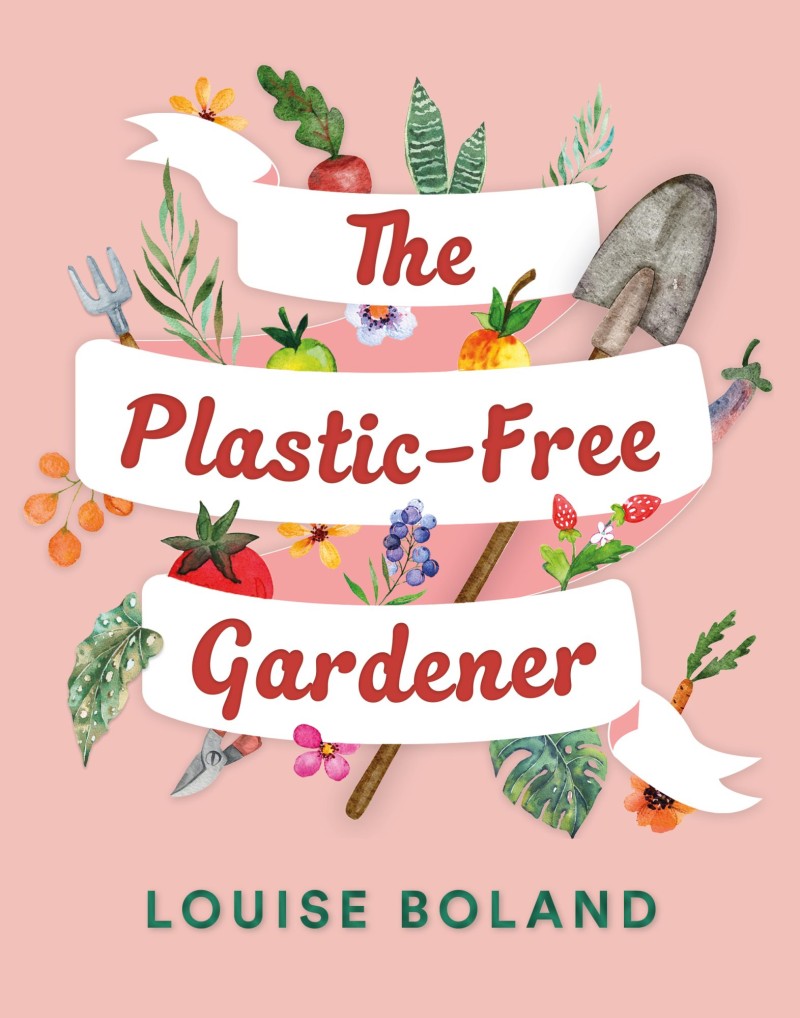
The Plastic-Free Gardener is a good book for anyone who wishes to grow organically, and without plastic. Working with natural materials where possible, this avoid microplastics in the natural environment.
Read more on no-dig gardening and humane slug/snail deterrents. If you live with animal friends, read up on pet-friendly gardens (also read how to stop birds flying into windows).
Plastic is everywhere in the typical garden, from hosepipes and seed trays to watering cans and plastic pots. Author Louise was inspired to write the book, after finding blown-in street plastic litter (sweet wrappers, plastic bags, shards of hard plastic from watering cans and string) to her own little Oxfordshire garden.
Knowing that sometimes it’s not possible to be 100% plastic-free (most lawnmowers have plastic parts), she’s also not a fan of plastic-encased garden wire that gets nibbled by wild creatures, or green plastic clips to tie plants.
She suggests natural twine (below) and recycled plastic plant pots.
Also growing from seed is better than buying plants in plastic, and use plastic-free plant pots. And ideally make your own compost.
This little watering can is made from recycled plastic, and even has a little ‘frog ladder’ built in, so small creatures can escape (it’s best to avoid leaving cans with water in, to help prevent drowning – store them upside down or somewhere safe, when not in use).
A Plastic-Free Paper Pot Maker
This paper pot maker lets you use recycled newspapers, to make your own plant pots. Just roll a strip of paper around a wooden cylinder, tuck under one end to form the base, then use another piece of kit to twist into place.
When the seedling has grown, you can plant direct in the ground, without removing from the pot, to avoid root disturbance. The kit makes three plastic-free pot sizes.
Switch to Natural Garden Twine
Garden twine is far better to support your runner beans that those plastic green ties, which can harm wildlife and birds, if they fly away.
Never leave any kind of twine, string or ribbon in gardens (biodegradable or not). Because birds may take it to make nests, and it can strangle or tangle chicks or other garden wildlife.
Nutscene offers twines made from flax, cotton, hemp and macrame (knotted). Ideal to support garden vines, this is ethically produced and wound on a factory in Scotland, in many colours.
Sold with dispensers with cutting blades included. The classic twine is wrapped in retro-styled paper labels.
This flax twine is made from the linen plant, so biodegradable after use. It’s sold in a recycled paper box with its own cutting blade, and you can buy refills. Made to quality standards in Switzerland.
Plastic-Free Gardening Products
Natural rubber seed trays, including ones for larger seeds like beans and squash. Unlike flimsy plastic versions, these are robust, flexible and designed to last. Also in 20 cell and 30 cell versions.
Bamboo seed labels, packed in organic cotton bags. And plastic-free rubber plant ties.
These gardening gloves. are made from organic cotton and fairly traded rubber.
The Wild & Free Garden (transform your outdoor space)
The Wild & Free Garden is a unique guide to creating a stunning outdoor space, using found materials, community connections and your own creativity. No more big expensive trips to the garden centre!
You can design a beautiful and inspiring garden at next-to-nothing with this book. The author shows how to tap into the sharing economy, where you can find free or low-cost materials of good quality and style, when you know where and how to look.
Create a garden that reflects your individual style and personality, and also spend and waste less. And uncover an abundance that money can’t buy. With each project, you’ll grow a deeper connection to your garden and community.
This is how gardens used to be built, when family and neighbours rallied round, and everyone was in tune with nature. With vibrant colour photos, learn how to:
- Develop a sharing economy mindset
- Find quality materials for free
- Create a sustainable yard that reduces waste
- Design the garden of your dreams
- Be inspire by other wild and free gardeners
- Source information from community partners
- Save seeds for your own use, or plant swaps
- Repurpose furniture and find architectural salvage gems
- Grow community projects with neighbours (with shared tools)
- Set up a community rainwater collection system
Projects to inspire include:
- Building a dry creek (a meandering trench filled with rocks to mimic a natural dried stream, that directs rainwater away from foundations to prevent erosion)
- Planting a wildflower lawn (this includes native pollinators to give food for local bees, butterflies and nocturnal moths and bats).
- Using a vintage trailer as a guesthouse (use this as your ‘happy hermit’ place for prayer, writing or art, or simply as a talking point for garden visitors!)
Stephanie invites us to slow down, release habitual consumption and refocus on what matters: resourcefulness, community and connection to the earth and one another. Kelly Smith Trimble
Stephanie Rose is a writer, who aims to encourage better living through plants! She is a long-time student of organic garden, permaculture design and natural skin care, and focuses on regenerative practices that are healthy and natural. She also volunteers to build children’s gardens in Vancouver, Canada.
The Ethical Gardener (ideas for greener living)
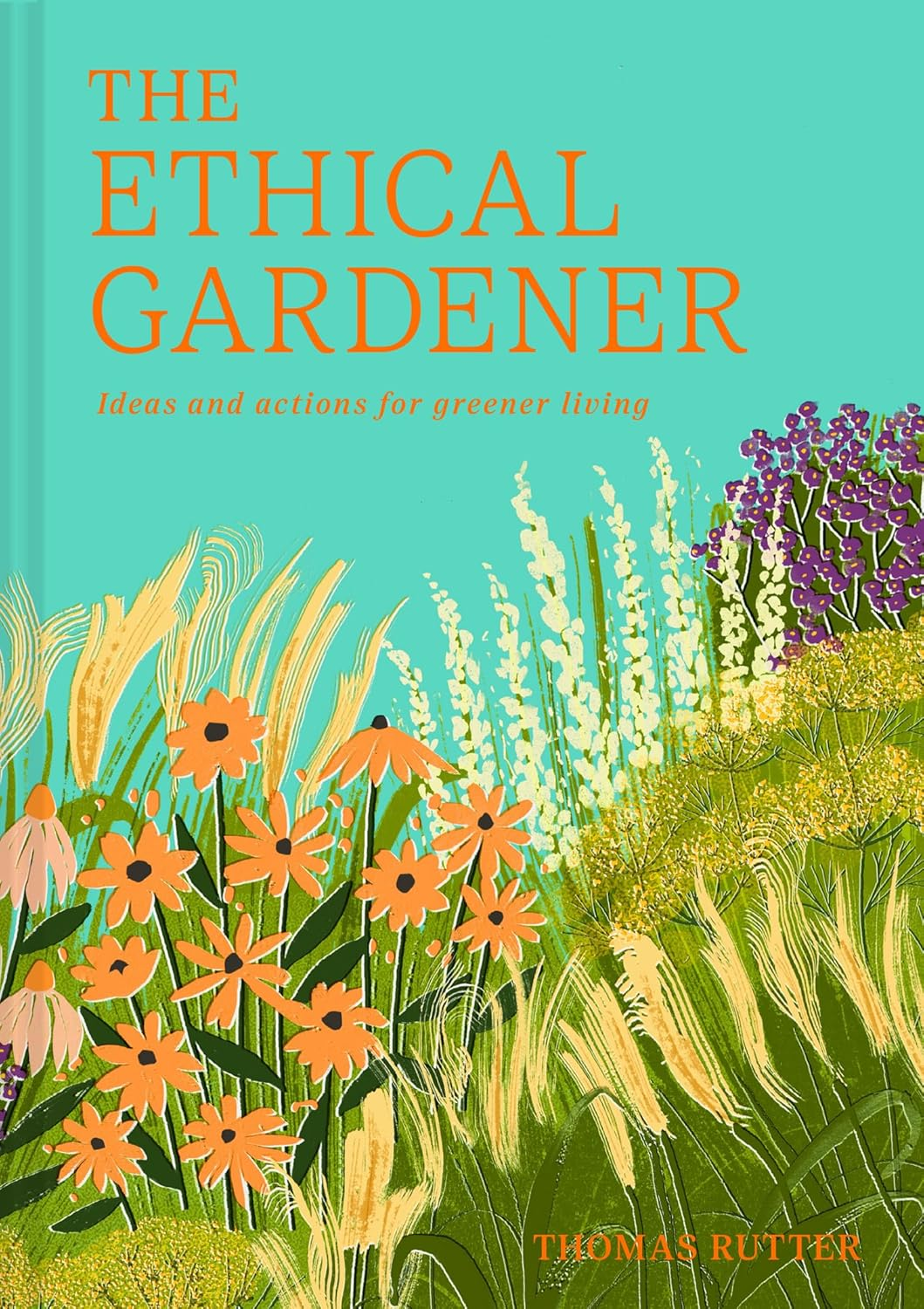
The Ethical Gardener is a nice little illustrated guide on gardening in harmony with nature, to protect local ecosystems, written by a man who trained at The Garden Museum in London. A single flower in your summer garden may be visited hundreds of times a day by a vast range of pollinators, drawn to nectar-rich blooms.
We can play a valuable role in making our planet and wildlife healthier and safe, by how we choose to grow plants. The book includes interesting stories like the High Line (a brownfield garden) in New York, and growing a food forest in Devon.
Good Tuesday Eco Garden Planner Journal
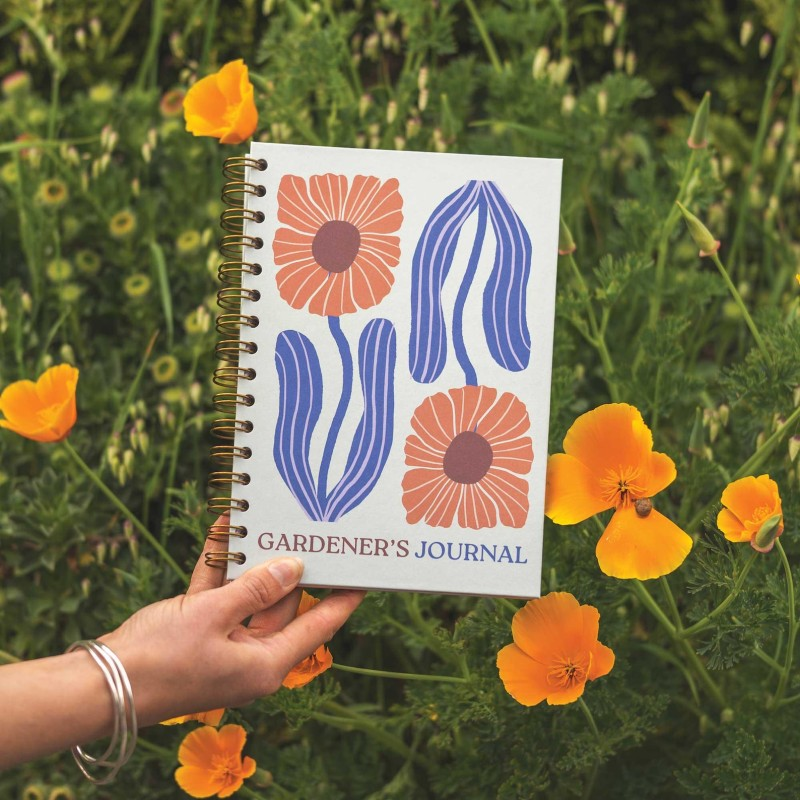
This garden journal planner is designed to lay flat for left-and-right handed people, and to cover all your sow ideas, progress and results, also a nice gift for anyone with green thumbs.
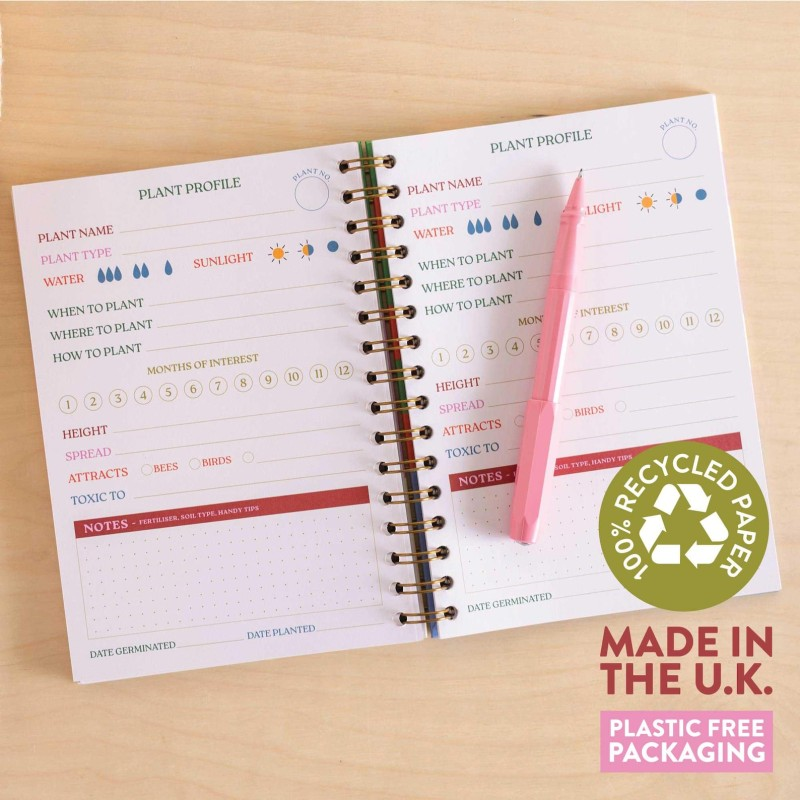
Organise planting plans, record seasonal changes and reflect on yearly successes. Plus there are sections for notes, sketches, plant profiles and a five-year review, ideal for experienced or beginner gardeners.
The modern floral cover opens out to track plants using double-page spreads for each year, a seasonal to-do list, a monthly garden plan (with three spacious spreads for each month) and space for plant profiles for 26 different plants (from growing conditions to seasonal care).
Use the planting planner to map out when veggie and flowers need planting, and there is also a plant wish list, to jot down up to 22 future seeds, dream plants and gardening goals.
Everything at Good Tuesday is printed on recycled paper, sent in plastic-free packaging, made in the UK and beautifully designed.
Choosing recycled paper is better than FSC-certified paper, as that still requires fast-growing trees with pesticides (instead these products ‘close the loop’ and use up unwanted waste that would otherwise end up at landfill, emitting methane gas).