More than a veg box: Bristol’s Community Farm
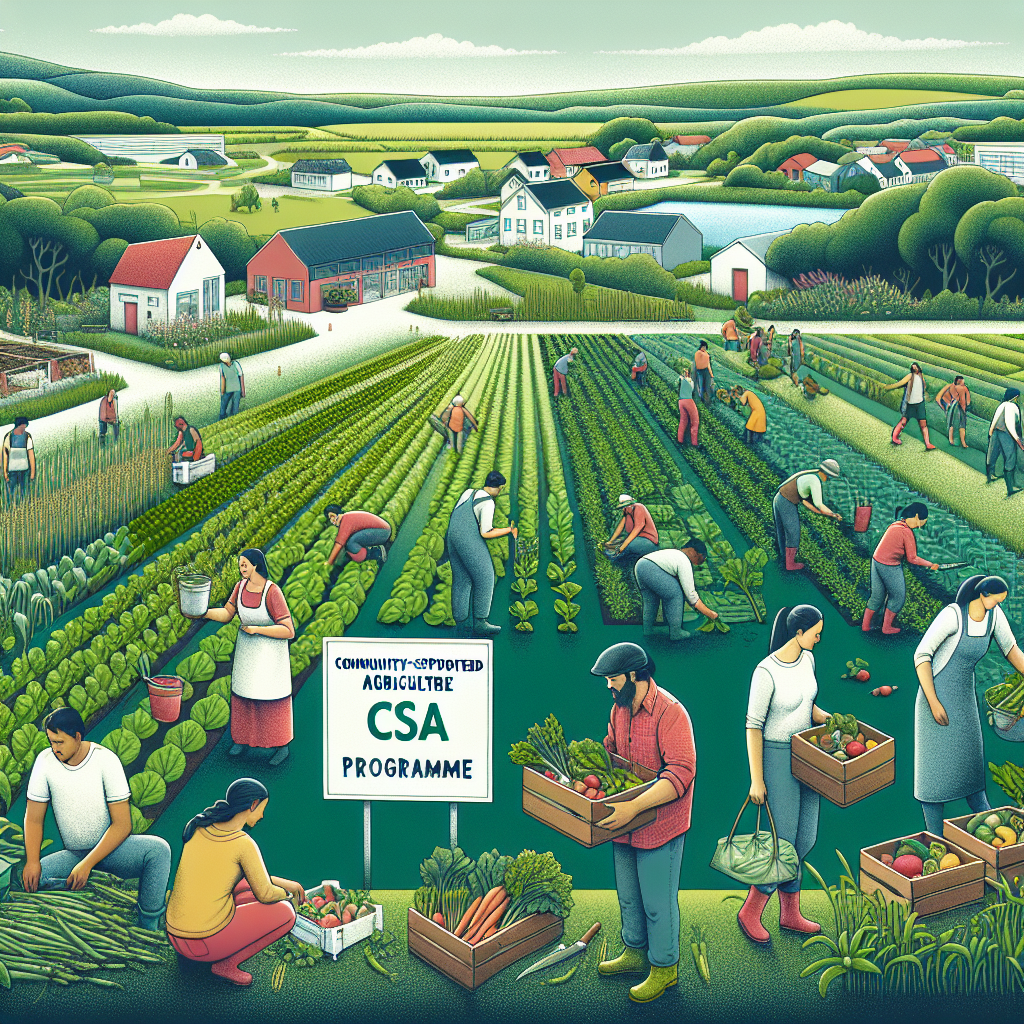
The Community Farm is one of the best examples in England of Community Supported Agriculture, where people support farmers in advance by signing up to receive a share of the harvest when it’s ready, rather than just paying farmers when the harvest appears.
There is a slight risk (shared if the harvest failed say to a major flood). But it has huge benefits. As farmers can get on with what they do best (growing organic food). Rather than selling out at a tiny profit to supermarkets. And it keeps money within local communities.
Members can also visit the farms to see where their food comes from. This is especially benefit for children (in a very worrying survey recently, some children thought that potatoes grew on trees!)
This farm not only grows organic veggies, but makes use of volunteers and community groups, and even includes people with mental health issues and Bristol-based refugees to get involved. To help them get out in nature and make a difference.
Most produce is sourced from around 25 southwest producers, keeping food miles low. This also helps to reduce the number of lorries on road, ferrying food from central distribution houses to big supermarkets (a huge portion of our national road traffic).
A wide range of organic veg boxes
Customers can choose from a wide range of organic veg boxes. Not just standard ones for organic veggies and fruits. But there are ones for one person only, British only and ones without greens (if you wish to avoid plastic for greens – though you can recycle packaging these days at kerbside or at supermarket bag bins).
Keep veg boxes away from pets (due to mushrooms, onion, garlic etc). Bin acidic scraps (peppers, onion/shallots, garlic, leeks, chives, tomato, citrus, rhubarb) to avoid harm to compost creatures.
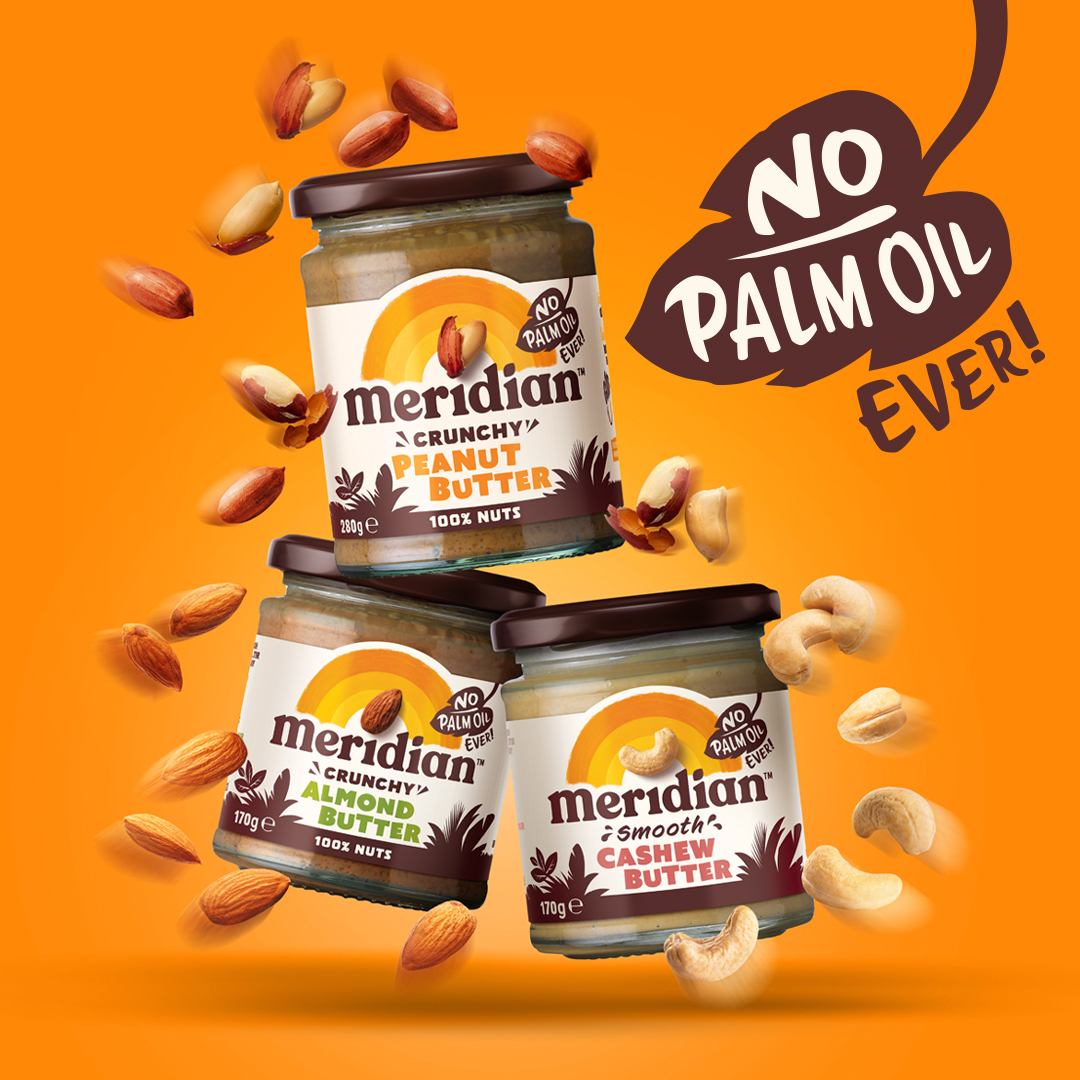
Some veg boxes also sell groceries. Before recycling tins, rinse/remove lids (pop ring-pulls back over holes). Step on upper cans to pinch rims together, so wildlife don’t get trapped at landfill.
Helping local wildlife
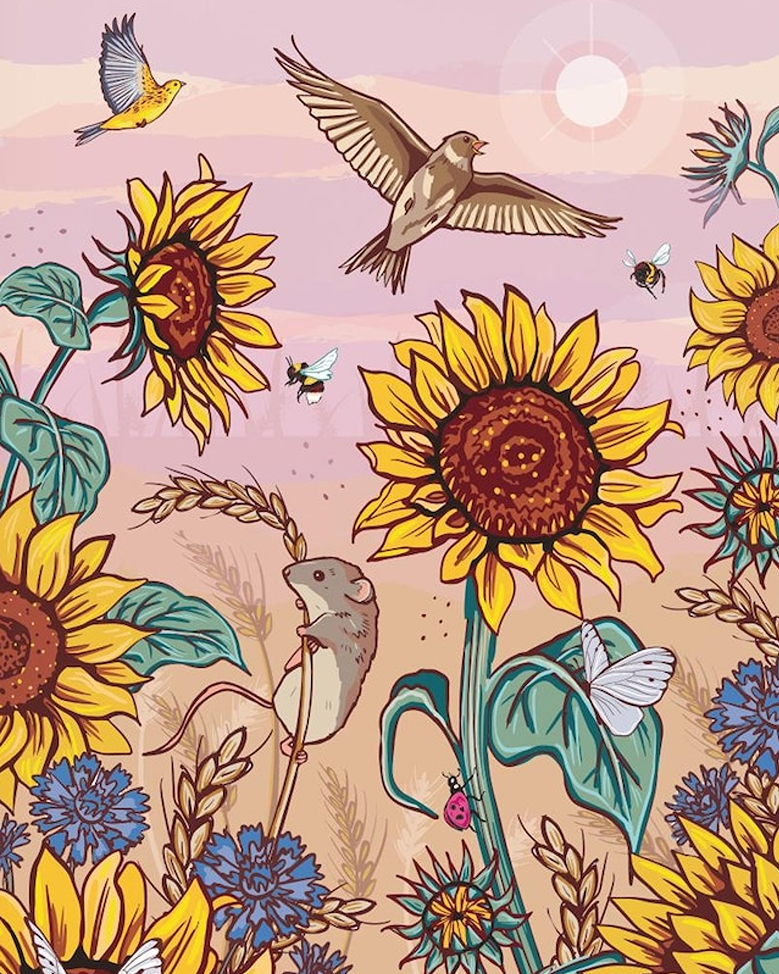
This organic farm also helps local wildlife (it has around like all organic farms around 50% more plant, insect and bird life). This farm in particular is home to towny owls, all kinds of wild birds (from skylarks to song thrushes to buzzards and even woodpeckers). Plus provides home for native hedgehogs, badgers and deer.