Which Bits of Your Body Can You Donate?

Giving a part of yourself is one of the most generous things you can do. If you’ve ever wondered just how much of your body you can put to good use, the answer is more than you might think.
From the tiniest cells in your blood to the hair on your head, each part can play a role in saving lives or helping others. Whether you’re interested in helping someone right now or after you’ve gone, there’s a way to make your body count for something truly special.
The Museum of Odd Body Leftovers looks at leftover body parts that still hang around like wisdom teeth, goosebumps and hiccups! This illustrated tour is the perfect book to engage children in science and evolution.
Blood
Every day, hospitals need blood for surgeries, emergencies, and chronic illnesses. Giving blood is quick and safe, and one donation can help up to three people.
You can donate whole blood, but sometimes doctors only need red cells, plasma, or platelets. Giving blood keeps supplies steady and helps save lives, especially for people with rare blood types or those facing serious illness.
Read more on donating blood, plasma and stem cells.
Bone Marrow
Bone marrow is spongy tissue found inside bones, and it makes blood cells. People fighting blood cancers or certain serious conditions might need a bone marrow transplant to survive.
Anyone healthy can join the bone marrow register, and if your tissue type matches a patient, you could be asked to donate. Collection is now a much simpler procedure than in the past, often done from blood rather than bone. Learn more on bone marrow donation.
Your Body for Medical Research
Body donation! is a great way to help reduce animal testing. Cadavers are needed to find cures for disease (healthy bodies too as you need a healthy brain to compare with one from someone who died of dementia).
Usually religious views are respected and some offer prosthetics for open caskets. Read of reasons only to give to humane medical research.
Organs: Kidneys, Liver, Heart, Lungs, Pancreas
Organ donation is a huge gift, either during life or after death. You can donate a kidney while alive, as we have two, and most people do well with just one. In just 2 minutes, you could save 9 lives!
Living liver donation is also possible, as the liver can grow back. After death, you can give your kidneys, heart, lungs, pancreas, and more, giving life to several people waiting for transplants.
Some of the body parts used in organ donation are:
- Doctors use donated skin to treat patients with burns or severe injuries. Skin donation helps cover wounds, prevent infection and ease pain while natural healing takes place.
- Orthopaedic surgeons use donor bone, tendons and cartilage for complex joint repairs or to replace bone lost to cancer or injury. These tissues help patients heal and regain movement.
- Donated blood vessels and heart valves help people (including children) with serious heart problems. This type of donation makes major heart and vascular surgery possible.
- Corneas are the clear layers at the front of your eyes that help you see. Donating your corneas restores sight for people with damaged or diseased eyes (people with glasses can still donate).
Comedian Paul Kerensa (who co-wrote comedy series Miranda) is the proud recipient of the cornea of a 65-year old woman, to whom he is very thankful. He says he wears his ‘hand-me-down cornea’ with pride.
Hair
Hair donation is a simple act with big results. Donated hair is used to make wigs for people (usually children) who have lost theirs through cancer treatment or illness, or have alopecia. Find out more at Little Princesses Trust.
Obviously grey hair and coloured hair (like pink!) is not accepted. But most other hair is. The charities have notes on how to send to them for processing.
This also helps to stop the trade in gangs abroad, who literally kidnap women with long hair, to cut it off and sell it abroad as ‘human hair’ for the wig industry.
Breast Milk
Breast milk. Usually produced on supply and demand (so you won’t run out for your own baby), this is (like blood) screened, then used to save the lives of preemies (premature babies who often have delicate guts).
If a mother is unable to breastfeed, the next best thing is the breastmilk of another woman. You can freeze it in silicone breast milk trays, until collection. Read more on breastfeeding benefits.
How Donated Toenails Can Save Rhinos!
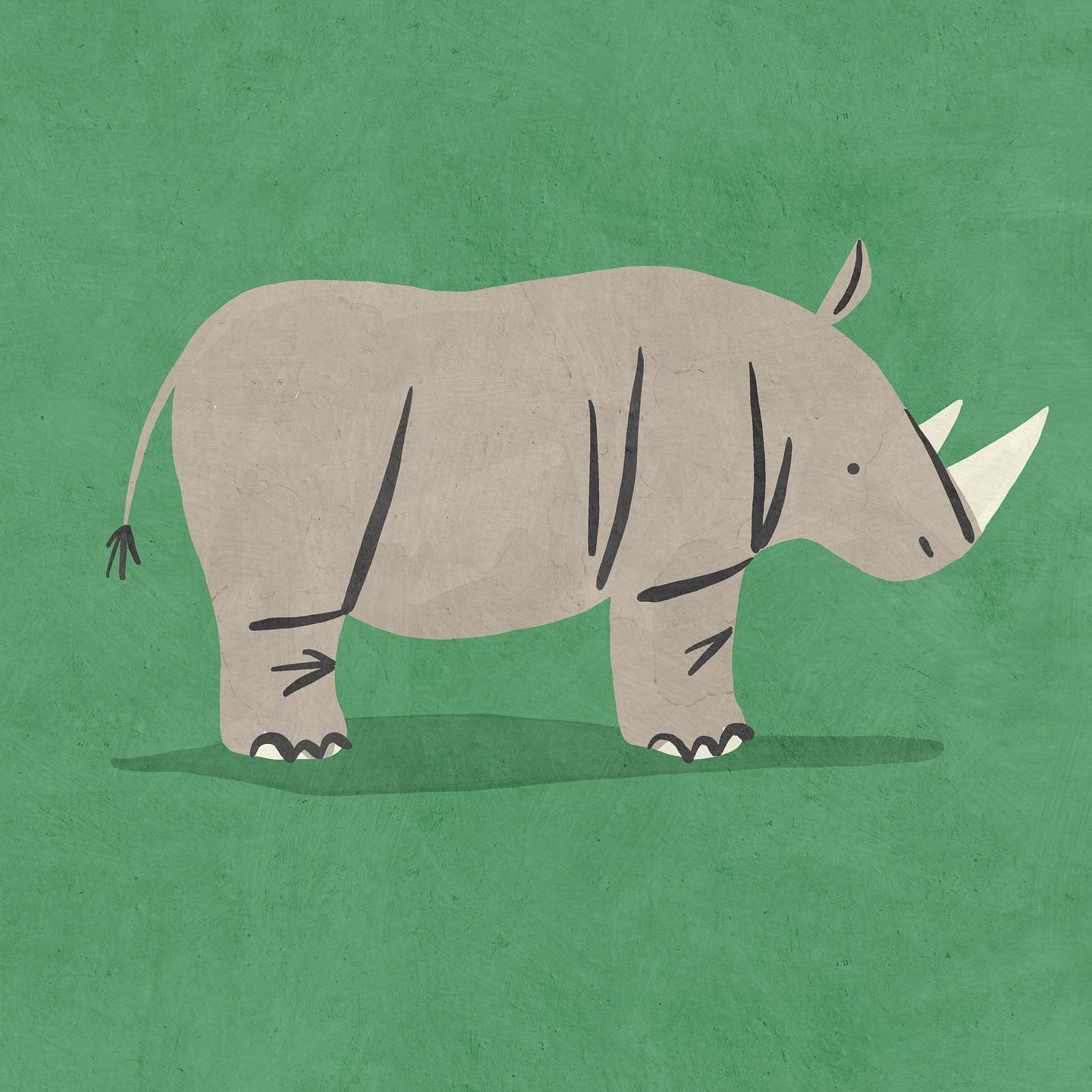
Did you know that boffins are now creating DNA-identical rhino horns made from donated human toenails?! This sounds daft, but it’s possibly going to stop rhinos going extinct.
Because idiots who pay thousands of dollars for horn are not going to do it, if the market is flooded with horns made from toenails!