Dorset: Jurassic Coast, Harbour Towns and Tiny Islands
Dorset is a large county on the south/south-west coast, and also reaches inland to find many pretty countryside villages.
If out walking, always follow the Countryside Code to keep all creatures safe. If at the coast, read about how to keep dogs safe by the seaside.
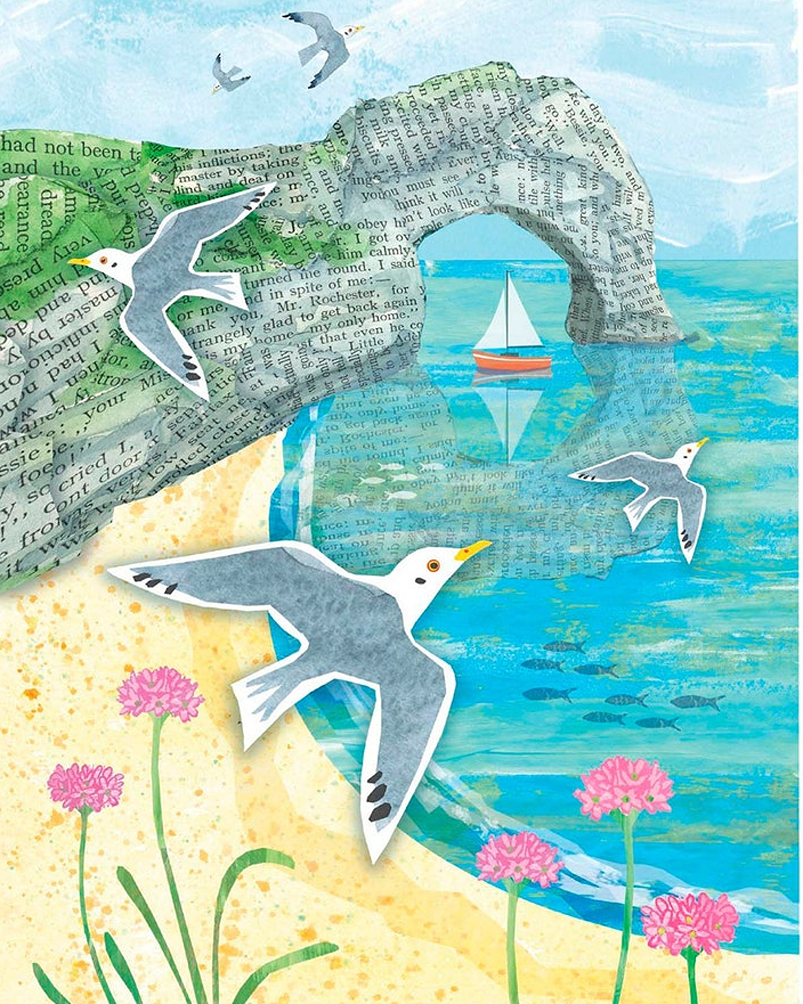
Durdle Door is a world-renowned limestone arch, which rises from the sea near Lulworth, on the Jurassic Coast, a World Heritage Site known for its geological wonders and dinosaur fossils. There are walking trails from here to nearby Lulworth Cove, where photographers often flock to see the sunrise.
Believed to be 140 million years old, the name is Olde English for ‘pierced hole’, and was formed by wave erosion of Portland limestone, (just like waterfalls). On a fold in the rocks created when African and European tectonic plates collided.
The walking path from Lulworth Cove to Durdle Door is one of the busiest footpaths in south west England (over 200,000 annual visitors). So if you don’t like crowds, visit out-of-season!
Durdle Door is home to five different types of rock, and considered a place to study geology at its finest. The local Lulworth Estate is home to various landscapes and rock types, which offer habitats to plants, insects and wildlife.
The entire estate (including Durdle Door) has been privately owned by one family for hundreds of years. Around 30% of the estate is given over to wildlife protection (for not profit) which means it homes 60% of British rare butterflies including the Lulworth Skipper. Other land is used for dairy farming, supplying M & S with fresh milk.
Litter Issues at Durdle Door
Local litter-picking groups have been appalled at the amount of litter dropped at Durdle Door in recent years. Volunteers report ‘horrendous’ amounts of plastic and glass bottles, cans and other items, along with people ‘wild toileting’ and illegally parking nearby.
One volunteer said ‘we can pick up 100g of litter off the beach at Durdle Door in a single summer’s day’.
Bournemouth, Dorset (a classic seaside resort)
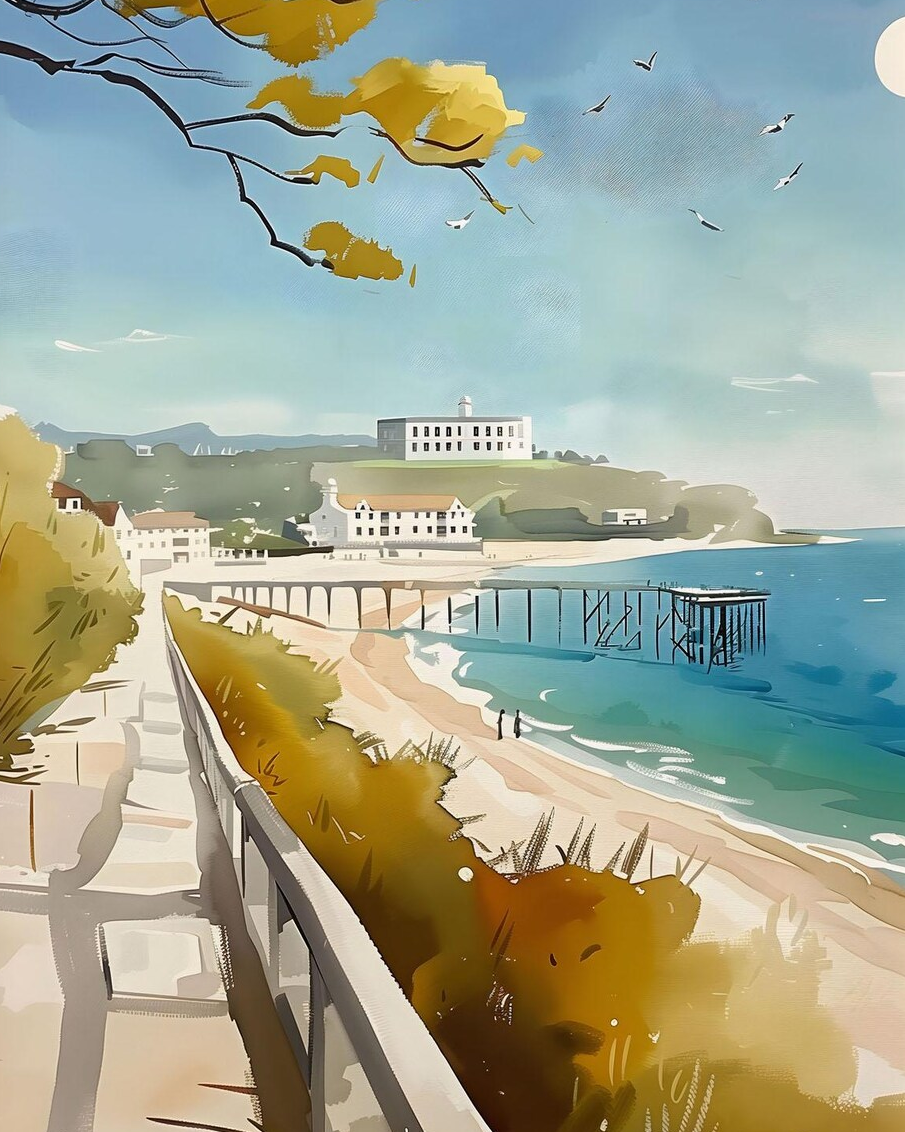
Bournemouth is a south coast holiday resort built around a long sandy beach, a classic pier, and leafy gardens that sit just behind the seafront. You can spend the morning barefoot on warm sand, then be back in town for lunch, cocktails, or a show without much effort.
Most visits begin and end at the seafront, because Bournemouth’s beach is the main event. The sand is broad and pale, the promenade is easy to follow, and the town centre sits close enough that you can mix beach time with shopping or a café stop. In summer, the atmosphere feels like a cheerful outdoor theatre, with buckets and spades, and the low hum of people enjoying themselves.
Bournemouth beach huts are small wooden cabins along the seafront. People hire them for shade, for changing, and for the simple pleasure of having a “base” for the day. Think of them like a tiny beach living room, great for picnics and keeping your bags out of the sand.
Alas the town is one of the few seaside resorts that still offers donkey rides for children. Unlike abroad, donkeys here are inspected for welfare, but most parents now are choosing to move on from donkey rides.
Bournemouth like many seaside towns, has a big problem with homelessness. Local shops can help by purchasing BillyChip, that people can buy and give to local people, to pay for a hot drink and food (and pet food), without giving cash. Also read how to help dogs of homeless people.
Other towns in Dorset are:
- Christchurch feels different even though it’s close by. Riverside paths, a traditional town centre, and a slower evening pace make it a restful base. It’s also handy for easy day trips along the coast when you do want more bustle.
- Poole gives you that harbour feel, with boats coming and going and plenty of places to pause by the water. It’s a strong choice if you want ferries and short cruises, or if you like ending the day with a sunset stroll by the quayside.
- Weymouth leans into classic seaside comfort. The beach is central, the town is easy to get around on foot, and you’re close to coastal walks when you want to stretch your legs.
- Lyme Regis suits a slower day by the sea. The seafront is made for a wander, and the harbour area around The Cobb is a classic place to watch boats and changing weather.
- Bridport has independent shops, galleries, and a strong market-town mood. It’s a good stop if you like browsing and picking up something small to take home.
- Dorchester suits a gentle start, especially if you like browsing local displays and picking a café for lunch.
- Shaftesbury gives you a change in altitude and atmosphere. The climb is the point, but there’s no prize for racing it. For a simple local treat, look out for a bakery stop, a cream tea, or a bottle of local cider!
Corfe Castle is one of those places that looks good from every angle. Walk the village first, then head up to the ruins for the bigger views. Because the ground can be uneven, take care in wet weather.
Brownsea Island, a wildlife haven near Poole
Brownsea is a charming little island near Poole is home to wildflowers and seabirds. And due to being an island with the right kind of trees, it’s a good spot for red squirrels. Learn how to protect both red and grey squirrels.
Arne Nature Reserve is great for birdwatching, with heathland, woodland and saltmarsh all in one place. Head out early or at sunset for your best chance to see wildlife.
Sandbanks (a very expensive nearby suburb)
Sandbanks is apparently the fourth most expensive place to live in the world (John Lennon bought a bungalow here for his Aunt Mimi in 1965). It used to be wild sand dunes, before turning into a mecca for millionaire shorefront homes.
There have been recent problems after a wooden fence was put up, which blocks off parts of the sandy beaches that run from some of the homes ‘back gardens’. Locals are saying ‘nobody owns the sand’ as they are having to walk different routes, sometimes with their dogs.
Back in Sandbanks, one resident (almost 80 years old) was walking her dog at night near the sand, then the security lights went on, CCTV started to film her, and a voice boomed out telling her to ‘go away’.
The best-known residents of Sandbanks for many years were Harry Redknapp and his wife, though they no longer live here (he is building a new mansion that will be more private, after becoming bothered by tourists).
The cheapest home on Right Move at Sandbanks is a 2-bedroom flat for £425,000. The most expensive property was is almost £6 million (a 5-bedroom house with 5 bathrooms, a pool, sauna, large lawn and a guest suite).
American writer Zoe Strimpel is mystified by the high prices in Sandbanks:
Sandbanks has none of what I would look for in a seaside home: no wildness, no seclusion, no sense of exposure to the full roar of the elements.
Its naturalness has been manicured out of it, in accordance with the architectural and landscaping tastes of the football and entertainment elite who have carved it up.
The New Forest (don’t disturb wild ponies)
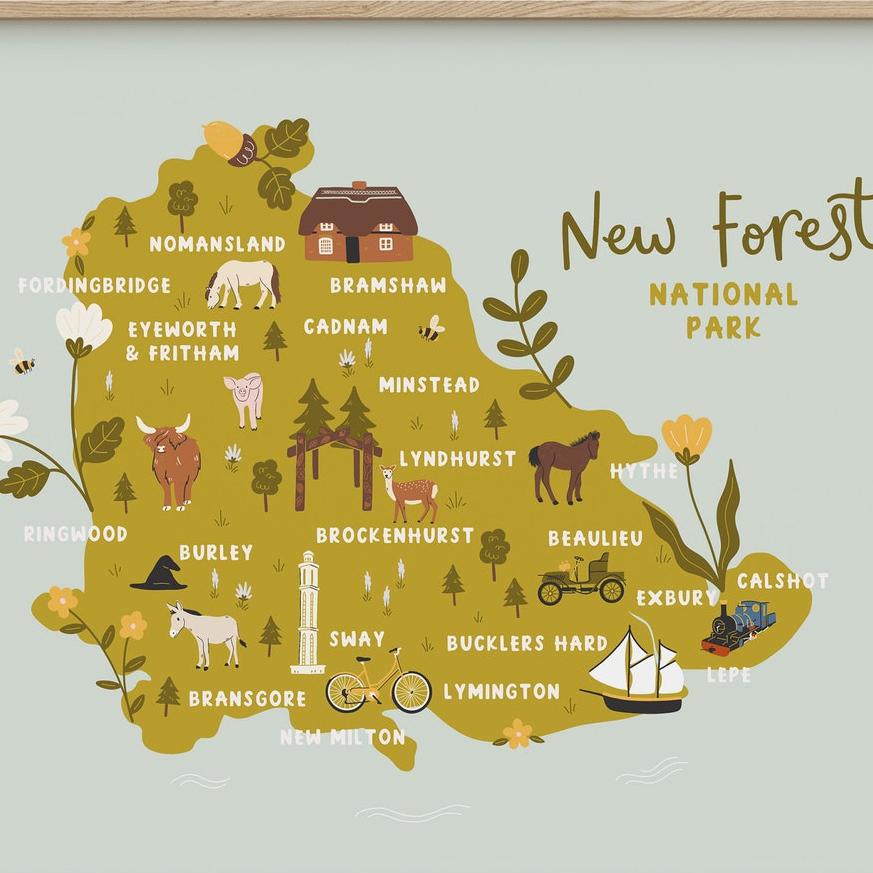
The New Forest is one of England’s National Parks, located in Hampshire and Dorset. It contains some of England’s oldest trees (some over 1000 years old) and large expanses of open heath, bog and grassland.
It’s one of the few places in England that’s home to all six native reptiles, and is also home to 75% of the world’s species of dragonflies.
Keep dogs away from mushrooms, conkers and spring bulbs). Don’t light fires, stoves or barbecues (wild camping is not allowed).
The New Forest Ponies are cared for by commoners (who benefit from right to graze animals). The New Forest Verderers employ five Agisters who ensure commoners abide byelaws, and oversee grazing ponies, livestock, cattle, donkeys, pigs and sheep (but not deer or other wild animals).
Do not touch or feed semi-wild New Forest ponies. Don’t let dogs approach or chase ponies or any other animals. Never use flash photography (use a zoom lens if taking photos).
Sick and injured animals can be reported to the Verderer and Agisters website. This page includes numbers to call and details of penalties, for failing to report incidents.
Ponies wander onto lanes and streets, so drivers must slow down and pay attention. Local signs warn visitors to watch out for ponies, especially at dawn and dusk, when they often cross busy roads.
Road Traffic Accidents involving ponies, cattle, donkeys, pigs and sheep must always be reported immediately to the Police on 999.