Epping Forest (ancient beech trees and wild deer)

Epping Forest is the largest open space in London, at just over 6000 acres. It stretches from Manor Park in East London to just north of the town of Epping in Essex. It’s a haven for walkers and wildlife, and trees!
Always follow the Countryside Code to keep all creatures safe. Keep dogs away from steep banks, mushrooms (and toxic plants/trees) and on leads near birds, barnyard friends and wild ponies.
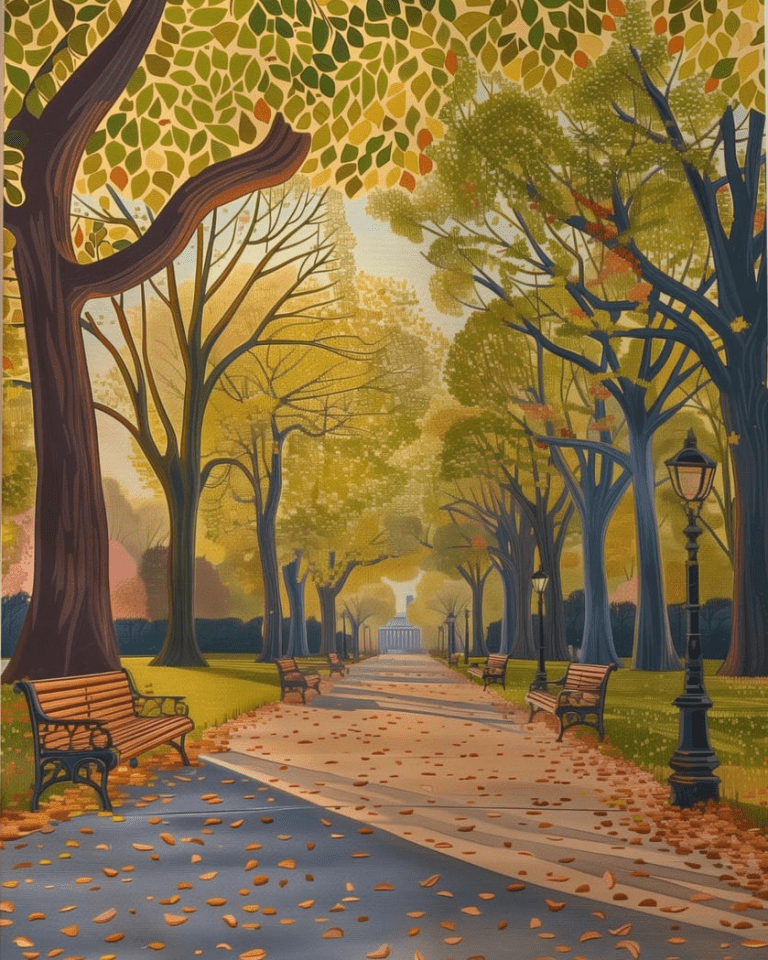
The forest has over 55,000 trees (some over 1000 years old) so you can imagine the birds and wildlife that live here. It was saved from development back in 1978, placed under the care of the City of London. Today it has more ancient trees than anywhere else in England (including over 80% of our veteran beech pollards).
Beech trees often live to 400 years or more, and have hollow trunks, which provide vital habitats for beetles, birds and bats. Due to their big shade-giving crowns, they are often called the ‘Queen of the Woods, while oaks are considered the kings.
Wild deer in Epping Forest
The forest has a lot of wild deer, especially as a sanctuary was created on part of the estate, enclosed on 90 acres of woodland and grassland. There is no public access (and that’s a good thing).
Wild deer can be seen throughout the forest, when near keep dogs on leads. One visitor here is the muntjac deer, so small you may incorrectly think it’s a fawn. Bred after some escaped in the 1920s from Woburn Abbey, it lives in thick woodland and is mostly solitary. It has a loud ‘hysterical bark’. Read more on how to help majestic wild deer.
Grazed by long-horned cattle
Long-horn cattle are used to graze the land, showing that cattle can ‘have a purpose’ without being killed for meat’. They help to maintain the landscape, a tradition that continues from original commoner rights.
Welcoming back the wild rabbits!
Wild rabbits form an important part of the ecosystem in Epping Forest, which was destroyed when the disease myxomatosis was introduced in the late 1950s. With less rabbits, seedling trees, shrubs and brambles began to invade grasslands, and the balance was disturbed.
Thankfully, wild rabbits are now returning in large number, which helping to recorrect the balance.