Stonehenge, Wiltshire (its mysterious history)
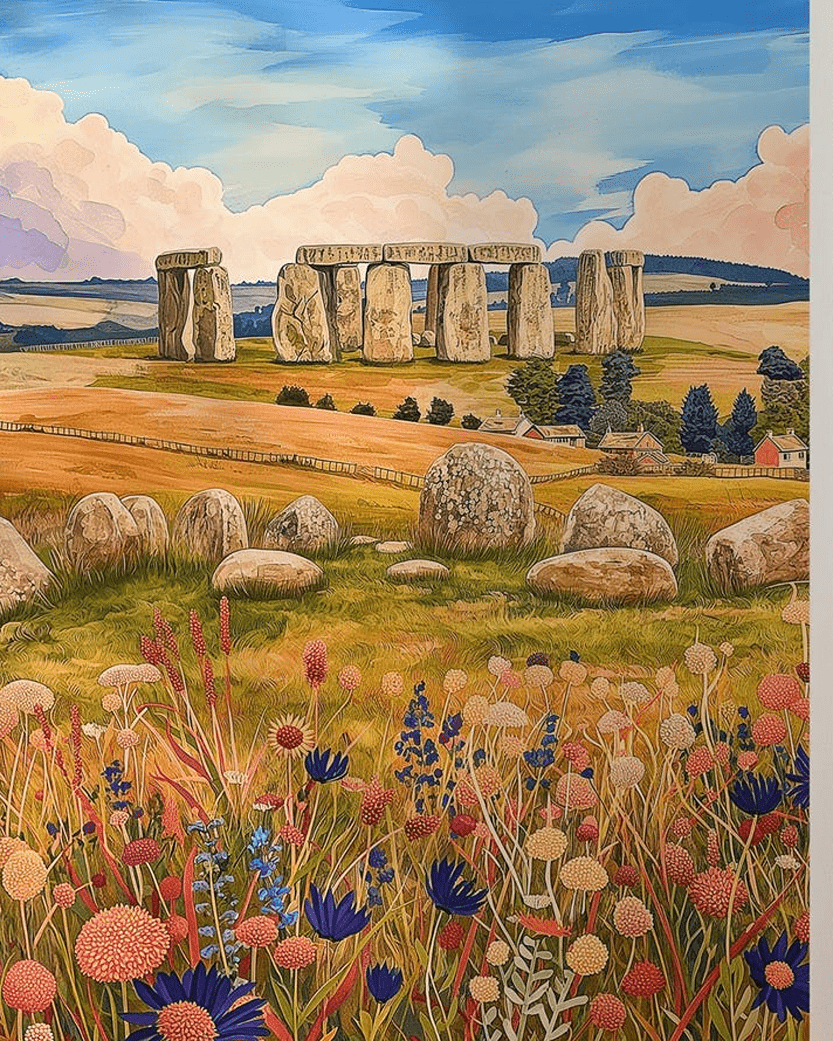
Standing on Salisbury Plain, Stonehenge is an ancient circle of stones, likely built over 4000 years ago. Nobody is quite sure why the stones are there, nor how they got there (possibly by water, back in the day).
It is said that the stones could be burial stones, or even that they were some kind of astronomy formation. Bath’s Royal Crescent is said to be influenced by the design.
There are two main types of stones at Stonehenge: sarsen stones and bluestones. The large sarsen stones weigh up to 25 tonnes and were probably dragged from Marlborough Downs, about 20 miles away.
The smaller bluestones came from the Preseli Hills in south-west Wales, more than 150 miles away. Moving these stones across rivers, hills, and fields without modern machines shows the builders’ planning and skill.
Although often celebrated at Summer Solstice, some of the ‘hippies’ that visit are not so earth-friendly. Many have been banned by the local council, for leaving too much litter.
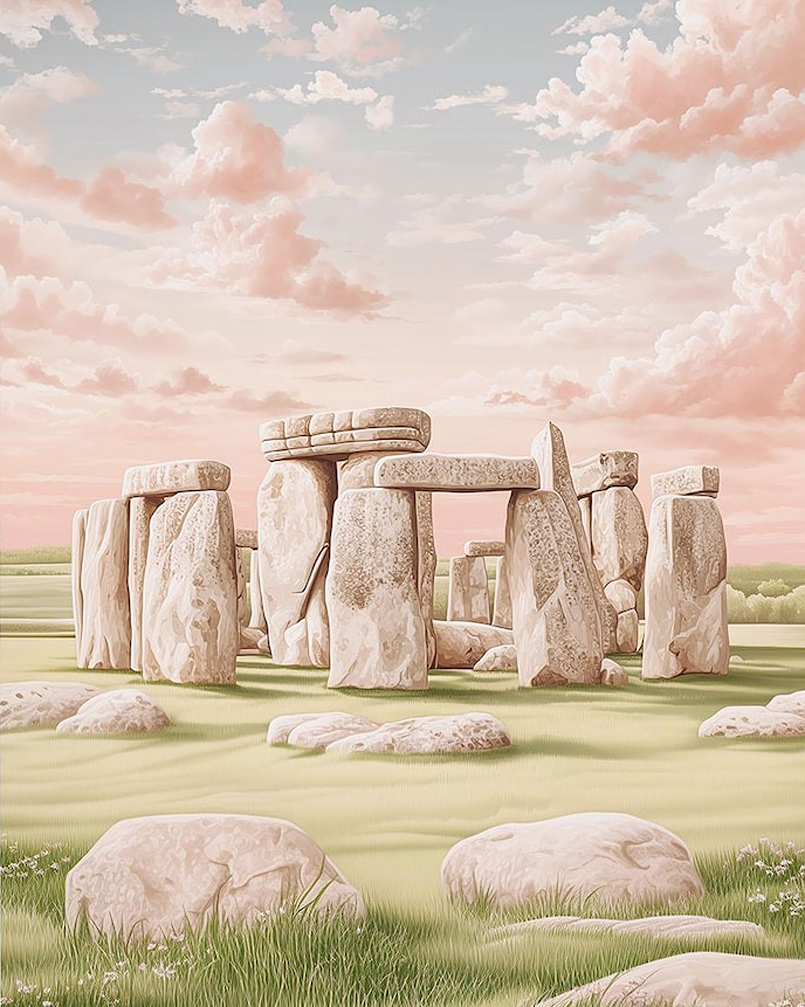
Stonehenge did not appear all at once. Instead, people changed the site over roughly 1,500 years. The earliest stage began around 3000 BCE. Later builders added timber, then stones, then more changes to the layout. So, when people picture the monument today, they’re really seeing the end result of a very long process.
Out walking? Follow the Countryside Code to keep all creatures safe. Keep dogs away from steep banks, mushrooms (and other toxic plants/trees) and on leads during nesting season (and near barnyard friends and wild ponies).
At the coast, keep away from nesting birds and never walk on sand dunes. Learn how to keep dogs safe by the seaside (check beach bans before travel).
Avebury Stone Circle nearby
Nearby, Avebury Stone Circle is not as well known, but this stone circle is just as remarkable. Dating back to around 2600BC, it sits around the village of the same name. And while Stonehenge is fenced, here you can walk up to the stones, and touch them to say hello!
Influenced Bath’s Royal Crescent
It’s said that Bath’s Royal Crescent’s design was influenced by Stonehenge. Only just over 30 miles away, architect John Wood apparently was an admirer of druids, and The Circus (with the same diameter as Stonehenge) is said to represent the sun, and the Royal Crescent the moon.
Ring of Stone Circles (neolithic Cumbria)
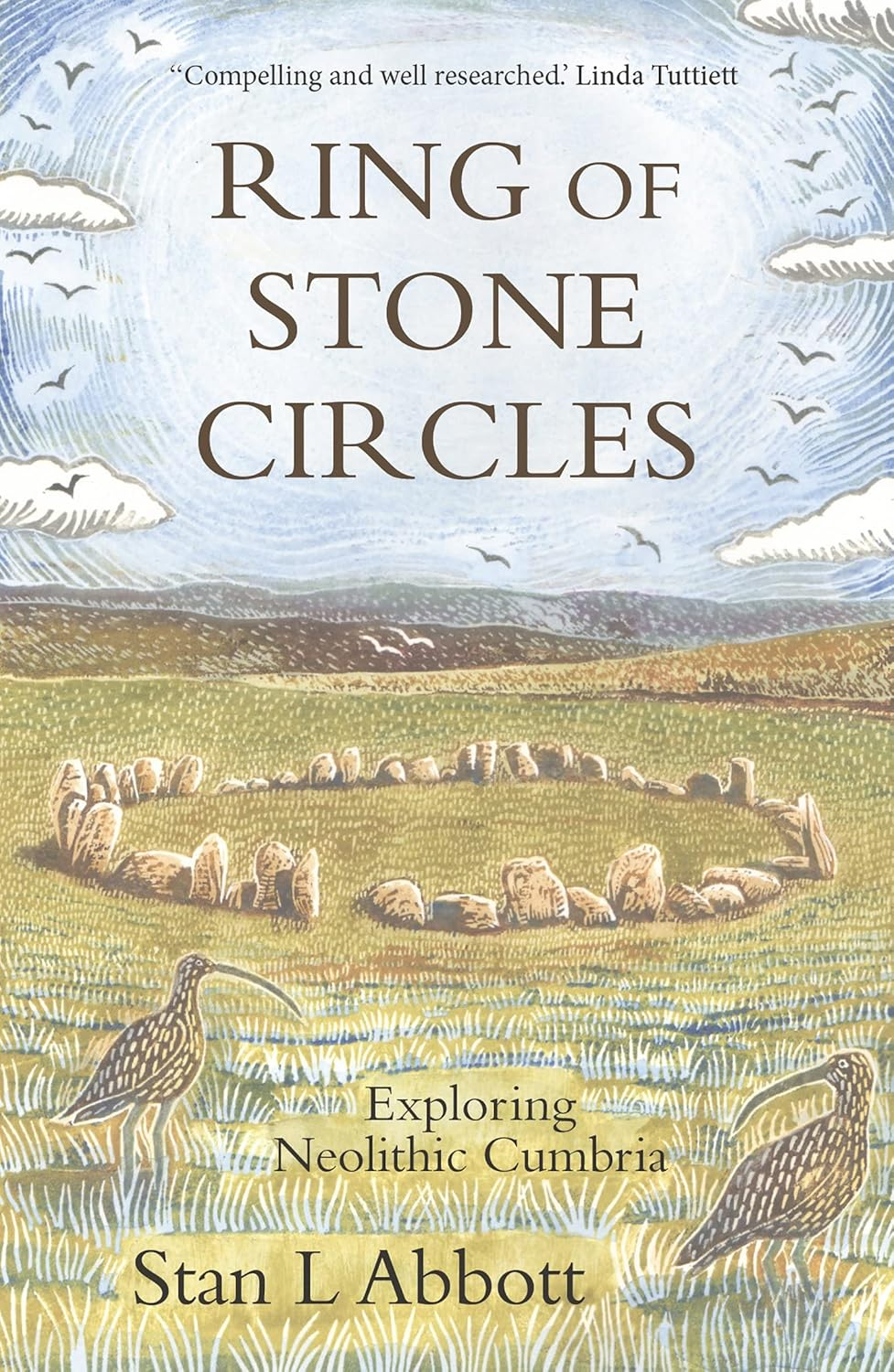
Near to Keswick is Cumbria’s own ‘Stonehenge’, neolithic remains set in stone by ancient ancestors. Ring of Stone Circles is a book exploring ancient relics: the beautiful birds on the cover are endangered curlews.
England’s tallest mountains are ringed by almost fifty circles and henges, many sited in foothills or outlying plateaux. But why were these built? Where they astronomical, burial sites or simply meeting places?
Join the author as he searches for hidden stories that these great monuments guard, or might reveal, if we get to know them.
Stan L Abbott is a writer on the outdoors and conservation. He has written many books on local history, travel and walking. He is a member of the Outdoor Writers & Photographers Guild, and led a rail restoration group in Yorkshire.
Uluru (an ancient sandstone rock in Australia)
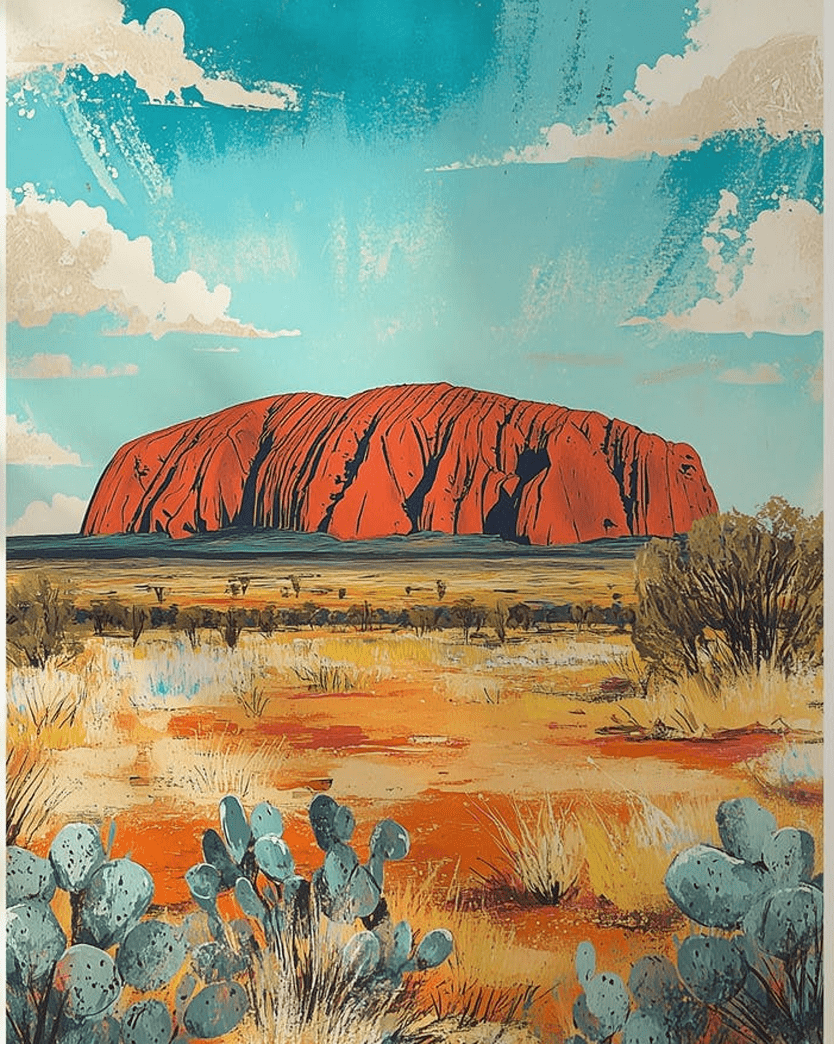
Uluru is a massive rock in Australia’s northern territory, taller than the Eiffel tower and made from sandstone , that’s over 550 million old. It’s sacred to the Anangu people, and features stunning colour changes, from red to purple.
Similar to an iceberg, you can only see a little of it, as most extends underground. The rock is red due to iron minerals and changes colour, due to the sun hitting it at different times, during the day. After heavy rain, it even has temporary waterfalls. And tiny tadpole-like crustaceans hatch in the rock pools on top, the eggs surviving for years.
Climbing has been banned since 2019 for both spiritual and safety reasons. Since the 50s, over 37 people died due to injury or dehydration.
England has a few monoliths, but none to compare on this scale! The tallest is The Rudston Monolith in East Riding of Yorkshire. One of the best-known of course is the standing stones at Stonehenge in Wiltshire.