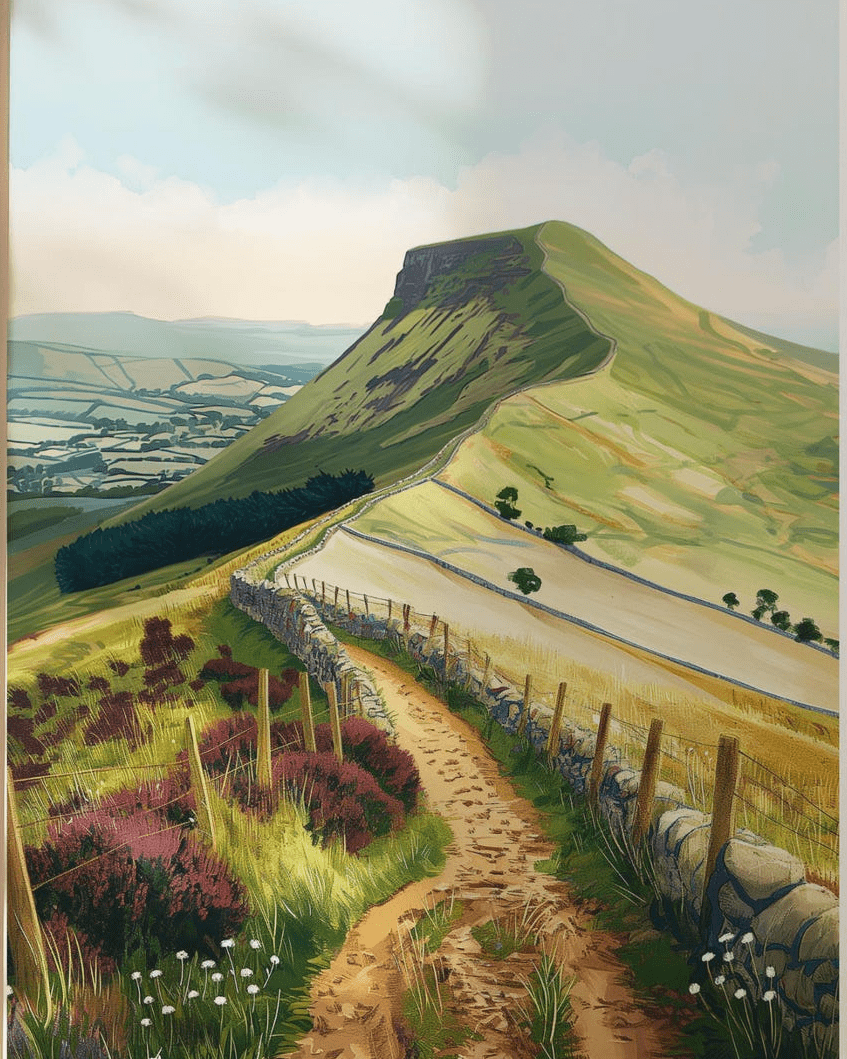
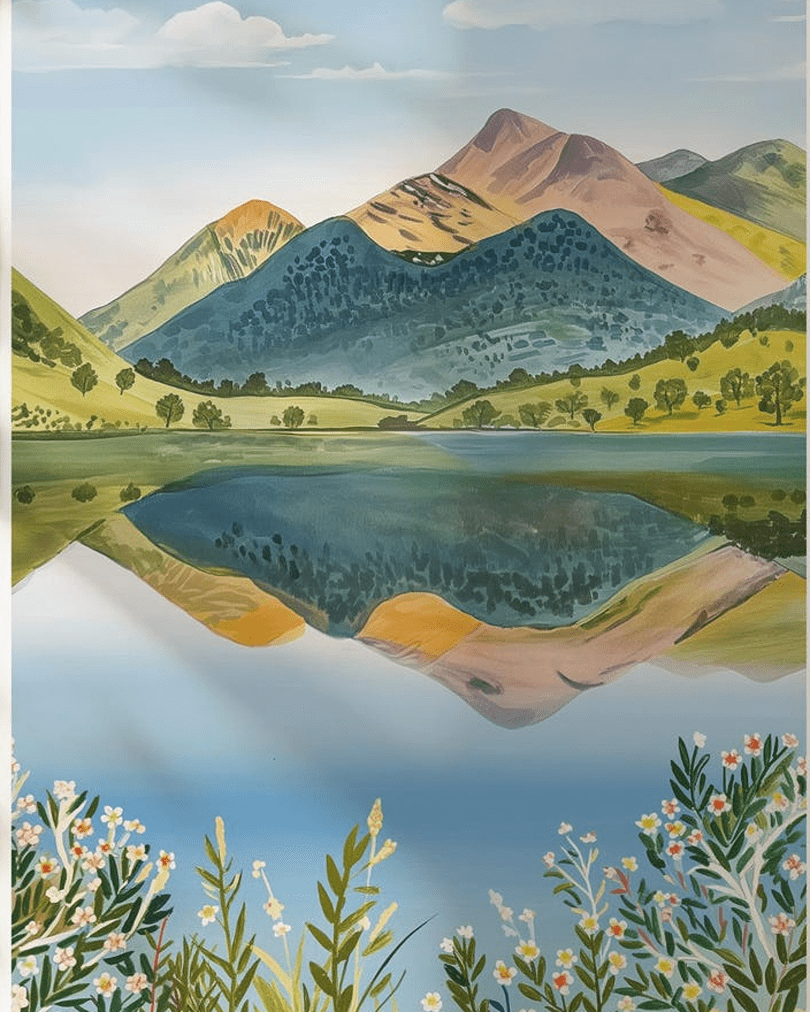
Coniston Old Man (a historic Lake District mountain)
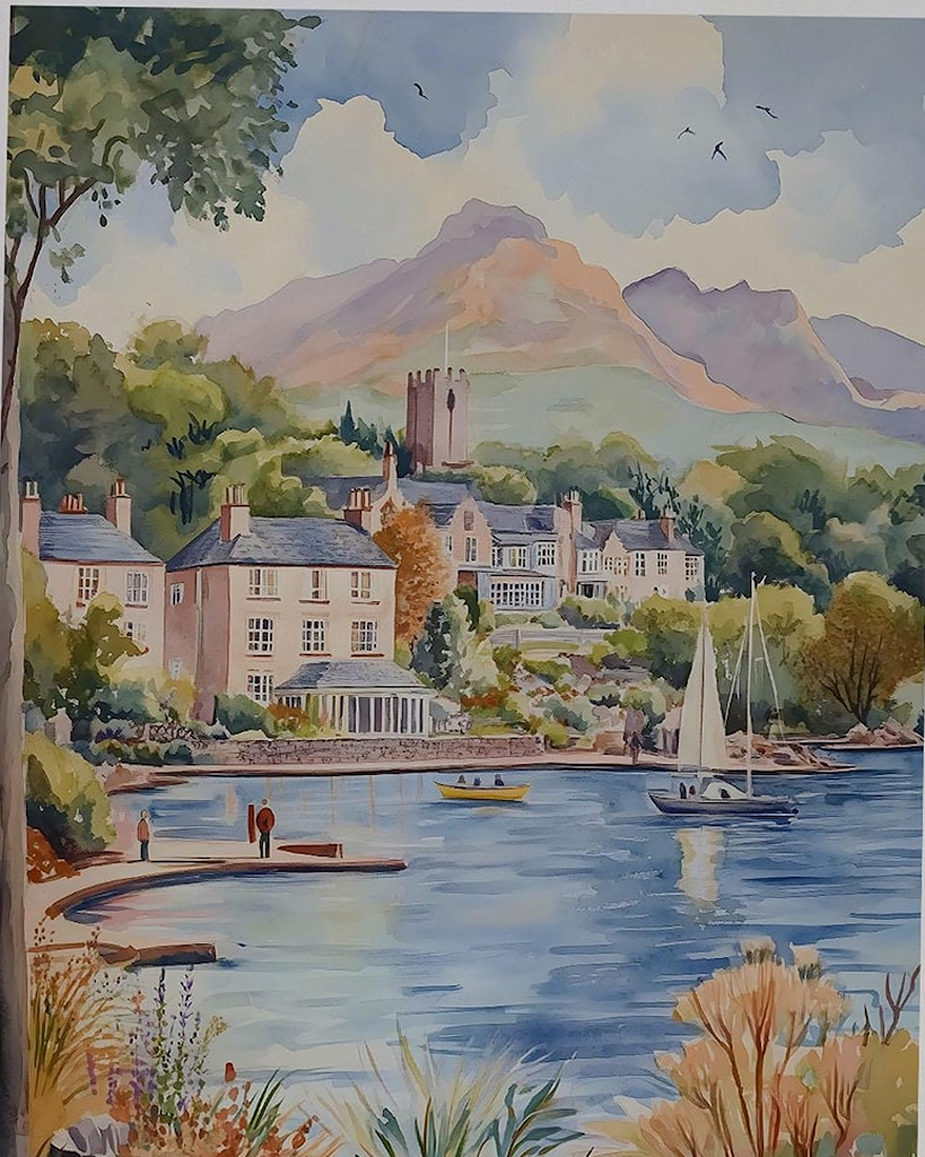
Old Man Coniston is one of the Lake District’s highest and most interesting mountains. As not do you enjoy fantastic scenery and stunning views from the summit – but you get a little history as you descend, past old copper mines and slate quarries.
Named after a mix of Old Norse for ‘high stone or old stone’, from the top you can even see Blackpool Tower on a clear day. But do take care, as on windy days the edges can be dicey (and the summit can be thick in fog). And it’s best to go from the car park, as the route from the village of Coniston is much steeper.
All mountains should be climbed with care, due to changeable weather (rain, wind, fog and slippery areas). Only climb mountains if you’re fit, and carry proper gear. Read more on zero waste mountain hiking.
Old Man Coniston is not a mountain to consider if you hike with dogs, due to steep rocky terrain and open mine shafts. For gentler fell walks, Nearly Uphill has an excellent post on dog safety.
Also avoid wild swimming in Low Water tarn, as it’s very cold and with no safety facilities nearby.
Also check Met Office mountain forecast, as wind on the ground can be treacherous at the summit. Let people know your plans, and when you expect to be back. In emergencies, call 999 and ask for Mountain Rescue.
The old mines of Coniston
The hidden mines are honeycombed with old tunnels. And if you look closely, you can even find derelict miners’ cottages in the Coppermines Valley.
The mines are up to 800 years old, with some underground workings extending to 2000 feet. Mining peaked here in the 19th century, although the local mountain rescue team advises caution around old mines and quarries, due to many open unsafe shafts.
The pretty village of Coniston
The village below is pretty as a picture. As well as being a destination for walkers, it has literary and artistic connections.
The artist John Ruskin lived here (he’s buried in the village churchyard). And Arthur Ransome (who wrote Swallows and Amazons) was inspired by Coniston Water and surrounding fells, when he wrote his famed children’s books).
Coniston Water (the third largest lake)
Coniston Water is the Lake District’s third largest (although like most bodies of water here, it’s not really a lake). It’s of course best known for being where Donald Campbell was killed while attempting a water speed record in 1967 (his body only retrieved a few years back). He also is buried in the local cemetery.
But it’s not all tragic history. This is a pretty lake with beautiful walks and scenery. 5 miles long and 0.5 miles wide, the natural lake is formed by glaciations.
It’s also home to the protected Arctic charr, as well as trout, pike and endangered eels.
There are also several islands including Peel Island, a small wooded island of protected habitats. With a small sandy beach that is looked after by local conservationists.