Discover the Essex Coast (all 350 miles of it!)
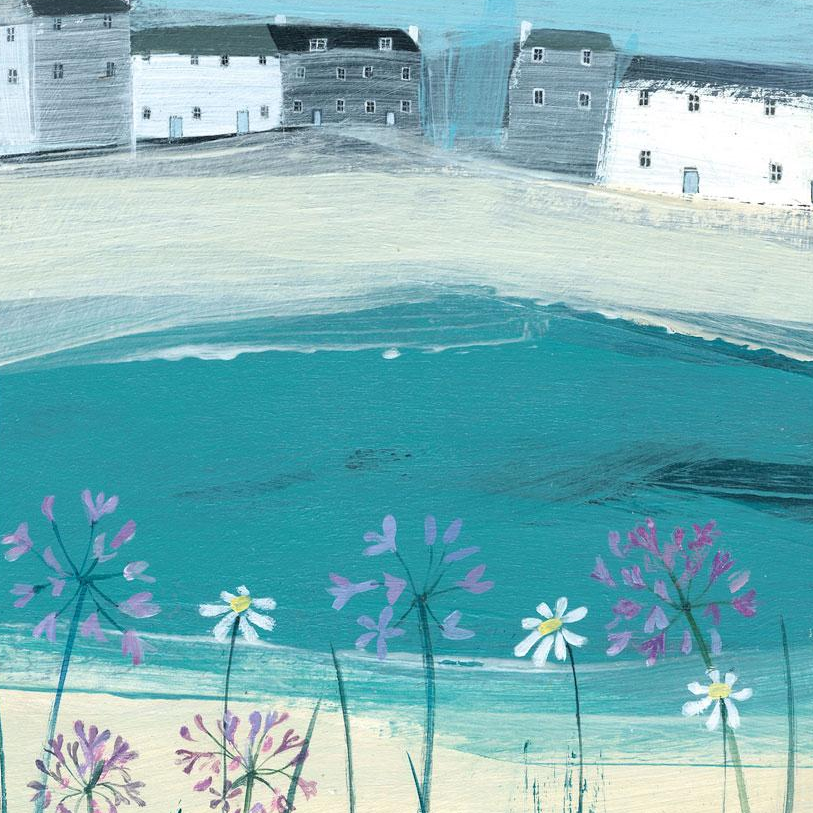
Essex has (after Cornwall), England’s longest coastline at over 350 miles, with a diverse mix of sandy beaches and even a few islands. The mudflats and saltmarshes are a haven for wading birds, who use their long beaks to dredge up tasty nibbles, before flying off with their extra long legs!
If at the coast, read about how to keep dogs safe by the seaside. Never walk on sand dunes, to protect nesting birds, seal pups and other wildlife. Also keep dogs away, especially in breeding season.
The Broomway is England’s most dangerous stretch of sinking mud on Maplin Sands. Many people have drowned in fast-rising tides and/or quicksand, so keep well away. The area also contains unexploded military debris, due being used by the Ministry of Defence.
Southend-on-Sea is a popular holiday resort, with the world’s longest pleasure pier (at over 1 mile, it even has its own train if you don’t want to walk it). There are seven miles of coast and a rich history as a ‘bathing town’ during the 18th century.
Clacton-on-Sea is another large seaside holiday resort, again with a large pleasure pier and sandy beaches. It’s known for its pretty seafront rose gardens. The town was only created in 1871, making it one of England’s newest towns.
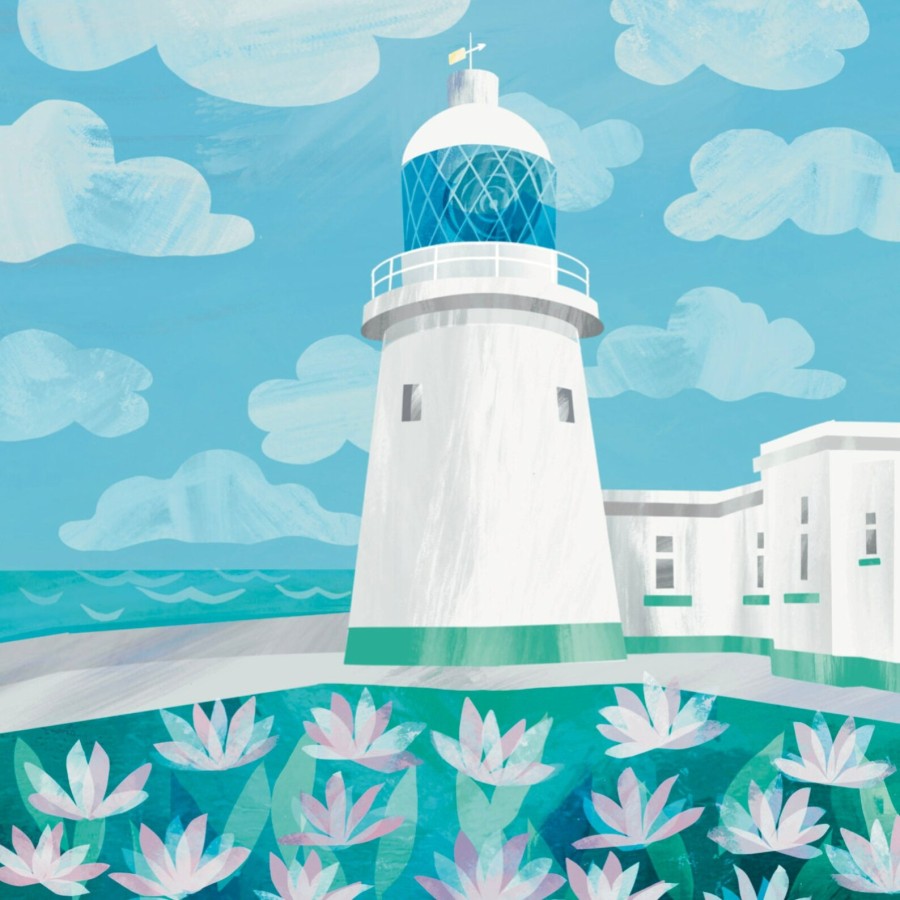
Harwich is an historic port town, located at the mouth of the Stour and Orwell estuaries, on the North Sea. It still features an 18th century lighthouse, a 17th century wheel crane, and a Napoleonic fort. The old buildings house a wealth of maritime history.
Brightlingsea is another town with a rich seafaring history, featuring a sandy beach, pretty beach huts and an outdoor swimming lido. Originally an island, today it’s a peninsula surrounded by the River Colne and Brightlingsea Creek.
Frinton-on-Sea is a quiet little seaside town, with sandy beaches and Victorian beach huts. Back in the day, it was known as the ‘Bond Street of East Anglia’, due to being a popular resort for wealthy aristocrats, which led to many fashionable high-end boutiques (it also housed a tennis tournament only second to Wimbledon).
And until recently, due to an old ‘dry law’ banning public houses, it had no pubs!
Walton-on-the-Naze is another quieter resort, home to unique cliffs and a nature reserve for birds and seals. Again populated with pretty beach huts, coastal erosion sometimes reveals everything from fossils to wartime pillboxes.