Find Lost Pets (useful tips and nose print scans)

Whether in England or elsewhere, here are useful tips and resources to help prevent and find lost pets.
Prevent Lost Pets
Experts say to ideally neuter male pets, as this prevents roaming to find a mate (and also reduces fights, road accidents and some cancers – spaying females also has health benefits and reduces the number of unplanned litters). Humane training helps dogs to return when called.
It’s UK law for pets to be microchipped (update details if you go on holiday or move, and keep recent photos and DNA profiles to hand). Get proper references from dog walkers/sitters, and never leave dogs outside shops.
Register (all species) at DogLost, Pets Reunited and Europetnet. These organisations then have info on your pet, in case it’s needed.
Ensure gardens have fixed locked gates (and a bell, if someone opens it). To avoid snagging, read about quick-release dog collars (secured on walks by linking lead through D-rings which break off in emergencies).
Puppies should only wear collars when going on walks (from 3 months or so – kittens from 6 months, both due to rapid growth that could make collars too tight). Blue Cross has tips on choosing a quick-release cat collar.
FlexiTags enable you to list information, without hanging tags.
Some people use GPS collars, but reviews are mixed (often the battery fails) and there are issues with weight/choking hazards and battery ingestion. Do your research, if you use one.
Who To Contact Once a Pet Goes Missing
- One RSPCA branch suggests leaving out unwashed clothing and the contents of your hoover bag (familiar smells may entice pets back home). Do lost pets find their way home?
- Some councils have dog wardens you can contact.
- Within the M25 area, contact Battersea’s Lost Dogs & Cats Line
- Enter the microchip number at Check a Chip to see if animals have been handed into vets, shelters or the police (who may put animals up for adoption, if not claimed after 7 days).
Lost Pet Co Love is a US site to inspire. It matches up lost/found pets by state, and has reunited hundreds of thousands of pets and their guardians nationwide. Read their articles:
A Pet ‘Nose Print’ Facial Recognition App
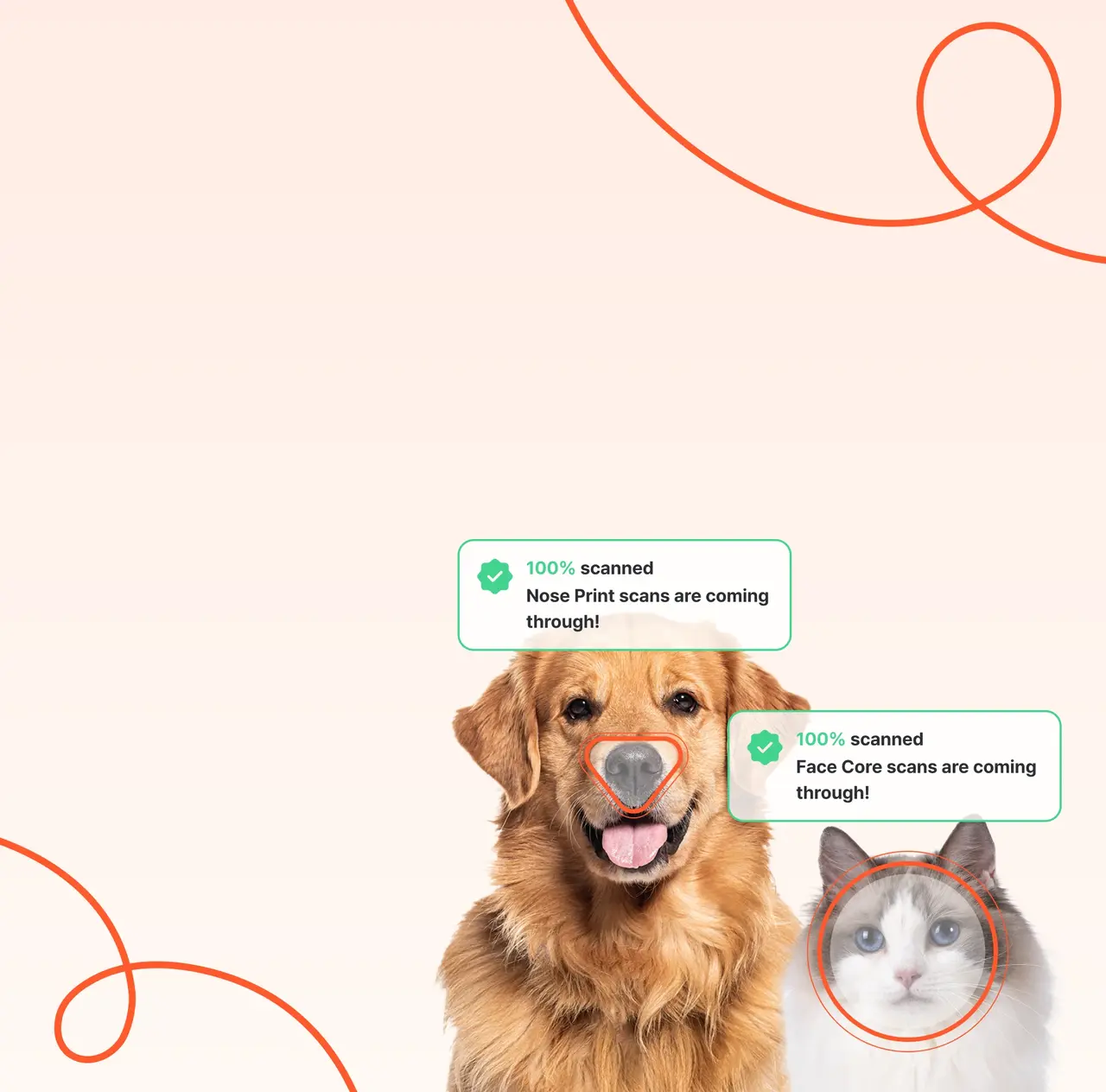
Many people are not fans of AI, and it’s true that it’s not to replace poets and actors. But for things like finding lost pets, it comes in mighty handy.
Petnow is an amazing app, where you take a ‘noseprint’ (or face print for cats) photo of your pet, then it registers it on the database, to help find them if needed. It’s also great to avoid custody disputes:
- Wipe off sand, dirt and debris, and ensure nose is brushed and dry
- Capture your pet’s face from the front, in a natural light setting.
- Keep the distance from your pet’s nose and the phone at 4 to 8 inches.
- Tilt your phone as your pet’s face moves.
Share Information on Social Media
Again, social media has its faults. But it’s great to help find lost pets. Local Facebook is one option, you can also create a Next Door account (just set your boundary). Use this to report lost/found pets and any other news.
PawBoost has reunited over 2 million pets worldwide. List lost/found pets, then it lets you print flyers, and volunteers on their Rescue Squad get to work. The service is free (paid for by premium users who buy more local focused Facebook campaigns).
Create Clear, Eye-Catching Posters
Missing Animal Response Network was founded by a former CSI detective, and her pet detectives use the same methods to track lost pets.
Read her advice (she says that finding missing dogs and cats is different – indoor cats may need to be humanely trapped, as they won’t just ‘turn up’ if they hear your voice).
Her unique pet posters (easy to design) are quite different, and often lead to recovery of pets, sometimes months afterwards, especially when placed according to her instructions. She says to leave off one identifying mark, to ensure callers are genuine.
Alert Local Vets, Shelters and Everyone Else
Call or visit nearby vets, shelters and council pounds immediately, as many pets are brought in by neighbours or dog wardens (especially when pets bolt on hearing fireworks).
Also place community notices in cafes, libraries, schools and churches. Many older people do not use the internet or social media.
Animal Search UK has an army of volunteers to search local areas. Founded by a former policeman, you can also pay to employ experts who are insured to go in sheds and up ladders.
Action to Take on Pet Theft
Create a neighbourhood watch (where people look out for each other), so know if someone strange is in the area, so they can alert others.
After years of campaigning, pet theft is now thankfully a criminal offence (before they were known as ‘chattles’ like mobile phones or TVs).
So call the police with photos, microchip numbers and vehicle registration, and log a crime reference number. Insurance companies also usually will help to pay for pet detectives.