Greener Burials and Cremations (simple swaps)
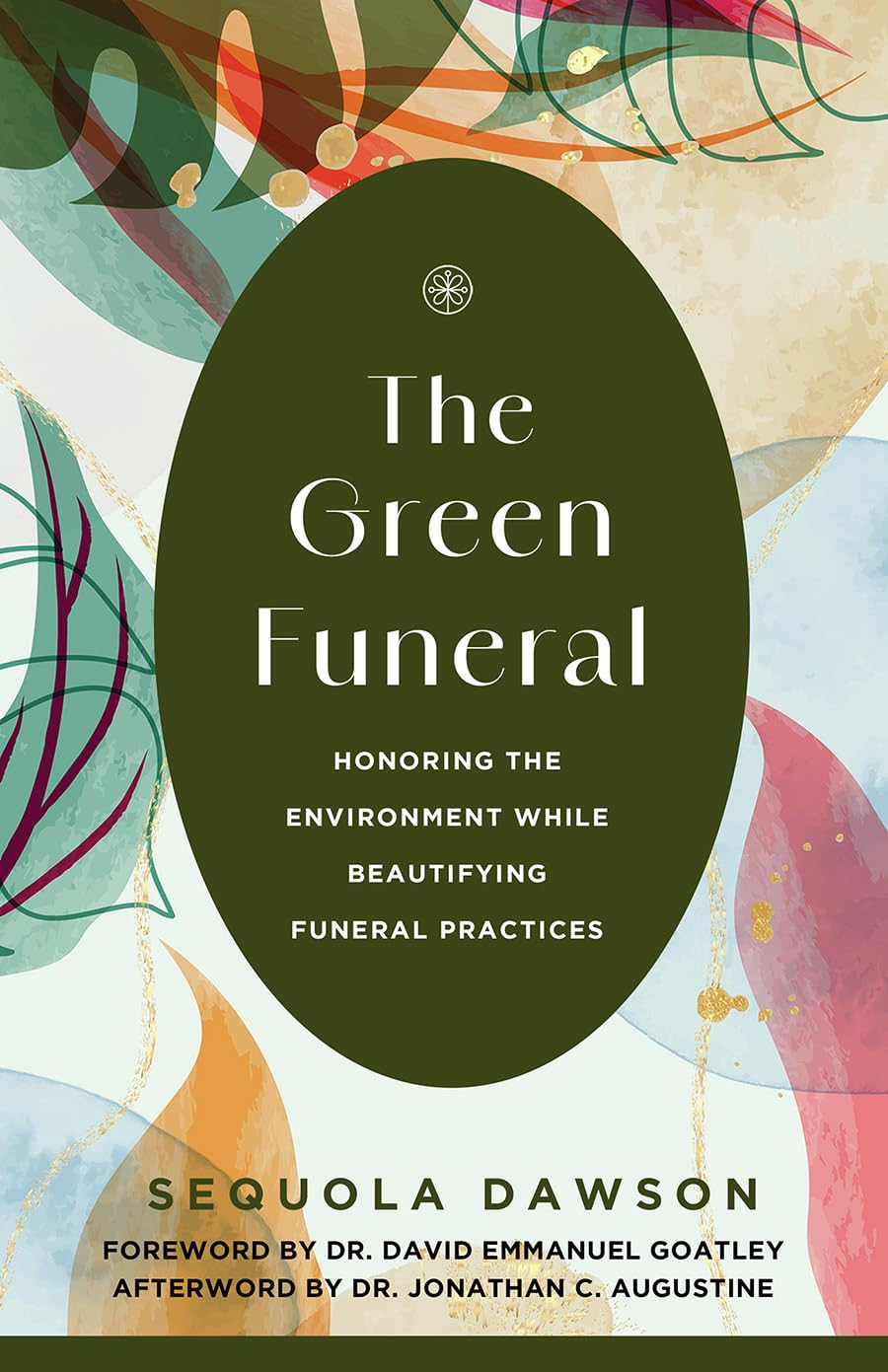
Honouring someone’s life can also care for the planet. Many people now look for greener ways to say goodbye, seeking simple choices that reduce harm to nature. Whether you prefer a green burial or cremation, small steps can make a real difference.
Direct burials and when bodies are buried within 24 hours (rather than chilling bodies for weeks, before the service). You don’t legally have to use a funeral director, though most people prefer one at a time of grief.
People on low incomes can sometimes get up to £1000 for funeral costs from the government.
The Natural Death Centre is a charity supported by a board of trustees, which runs an independent funeral service, alongside the Association of Natural Burial Grounds (there are 270 nationwide). Its Natural Death Handbook (found in libraries) lists burial grounds, funeral directors and suppliers of green coffins and urns.
Choose Biodegradable Coffins
Biodegradable coffins are made from cardboard, bamboo or waste materials like willow or banana leaf (these are beautiful, lined with cotton and rope handles). Or just choose a cotton shroud, that biodegrades along with you!
You don’t need to legally say yes to embalming, a toxic fluid (formaldehyde) that leaches chemicals into groundwater for decades. Reputable funeral directors should have a cold room (if not, ask why or choose another company).
Pick a Green Burial Ground
Natural burial grounds let you rest in a protected, wild space. These grounds avoid lawn mowing, pesticides and concrete vaults. Flower meadows or woodlands replace headstones. These places support wildlife and keep the area free from pollution.
Avoid plastic flowers and ‘windmills’, these could harm nocturnal wildlife, and takes years to break down. You are not allowed to place such items on green burial grounds, anyway.
Choose Local, Seasonal Flowers
Fresh flowers look beautiful, but many are flown in and wrapped in plastic. Choose flowers that are grown close to home and in season. Or plant a tree or a patch of wildflowers at the gravesite. These living tributes last and help bees and birds too.
Know that many memorial flowers (like lilies) are unsafe near animal friends. Also avoid sending ‘plantable memorial cards’ as many contain toxic wildflowers. Read more on pet-friendly gardens.
Also know memorial trees to avoid near horses (yew, oak, sycamore).
Considering Hiring a Funeral Celebrant
Funeral celebrants oversee uplifting ceremonies, based on the beliefs of the deceased (not the preacher or a particular religion).
Plant Trees in the Scottish Highlands

It’s important to avoid releasing balloons (they burst in the sky and fall to land or sea, harming cattle to sea turtles who think they are jellyfish).
For memorials, Trees for Life is a Scottish non-profit that lets you donate, to plant a tree in memory of a loved one (human or animal) in the Highlands.
This helps to reduce climate change, and provide essential homes for birds and native wildlife like red squirrels (planting pine trees helps far more than unkindly culling grey squirrels).
If planting trees yourself in memory of a loved one, read our post on pet-friendly gardens (many trees are unsafe near livestock – and some like yew, oak and sycamore are unsafe near horses).
The Environmental Impact of Cremation?
Cremating bodies produces nitrogen, sulphur dioxide and mercury (from amalgam fillings) emissions into the air, also never scatter ashes near waterways. The Natural Death Centre reports that 75% of the 500,000 people who die each year are now cremated, that’s a lot of air pollution.
The average simple cremation also costs £1000? British Medical Association says that it’s not legal for GPs to charge ‘ash cash’ to sign death certificates, so ask why, if you are being asked for money.
- Caledonia Cremation (Scotland) is a non-profit cremation service, which reinvests profits for grief counselling in vulnerable communities. s
- Capsula Mundi (Italy) replaces traditional urns, using a biodegradable egg, then plants a tree on top of you! The idea is to use our dead bodies to reforest the world. Sounds good!
- In Austin (Texas), solar crematoriums use mirrors and solar panels.
- Water cremation (alkaline hydrolysis) uses heat, water and an alkaline solution, to break down bodies.
- PawPods (USA) makes biodegradable urns for pets. These were invented by the founder, after he was upset and appalled, when his beloved dog’s ashes were delivered to him, in a plastic bag.
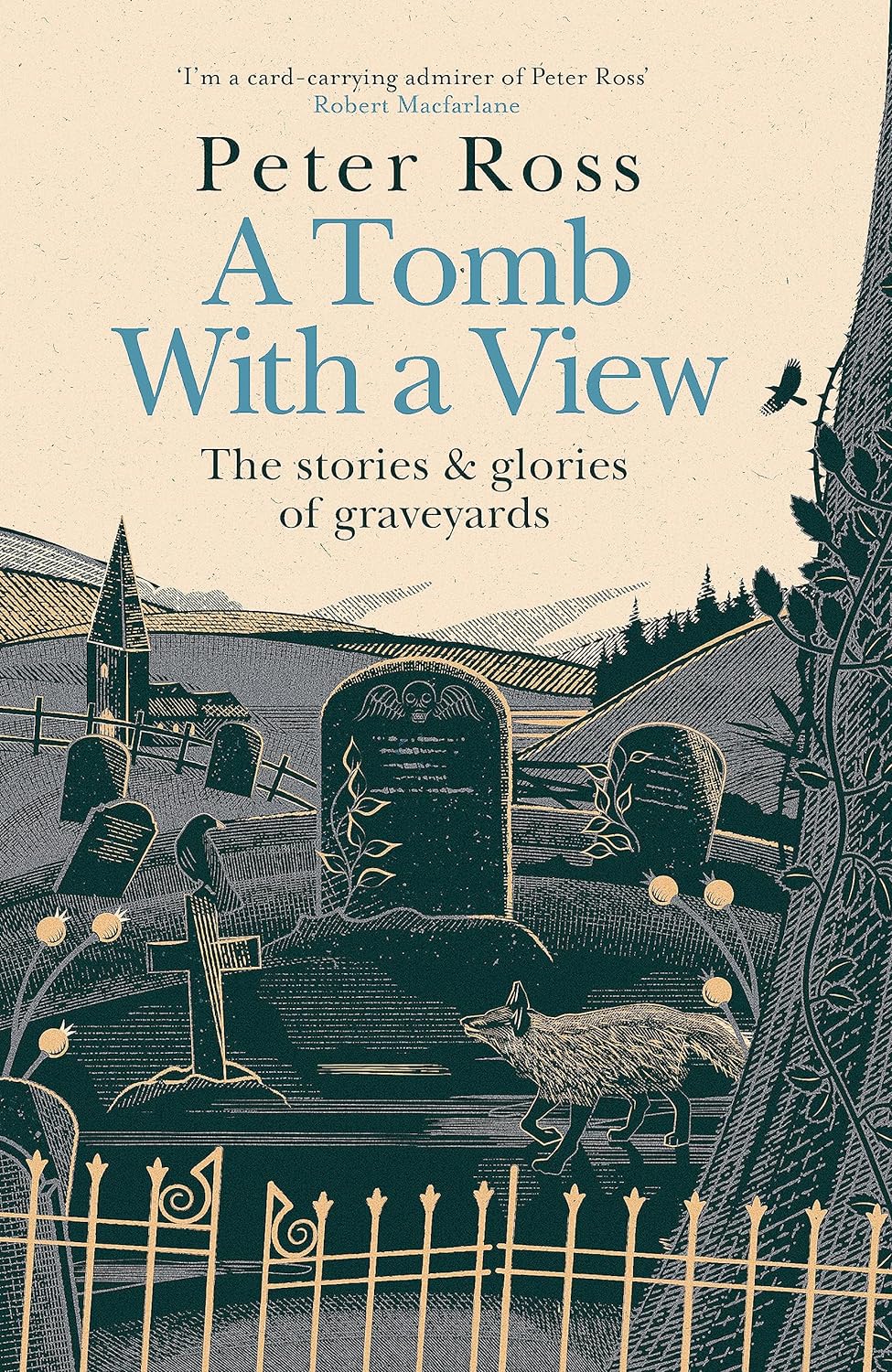
Walking through graveyards can feel peaceful, even hopeful, rather than only sad. In his book A Tomb with a View, Peter Ross explores these quiet places, sharing stories full of life, memory, and community. Ross’s gentle and curious voice brings graveyards to life in new ways, mixing history, personal stories, and gentle humour.