Let’s Meet England’s Gorgeous (noisy!) Geese

England’s wild geese are large, noisy and social birds that (like swans) mate for life, and call out to each other, during their long migrations.
They often fly in a V-line (if one gets sick, two more fly down to be with it, until it recovers or dies). Then they fly back to the original group, or find another one to join. How loyal!
Geese are comical birds who fixate on the first ‘being’ they see. And that (sometimes person) becomes their ‘mother’. Which is why they behave like guard dogs, if someone goes near your territory, if they think they should protect you!
Like most birds, geese love our wetlands, and return to England for breeding. So it’s really important to protect remaining wetlands, as we have lost most of them to industrial farming.
England’s Wild Geese Breeds

- Canada geese are common, with black necks and honking calls.
- Barnacle geese have black and white plumage, like they are wearing tuxedos! They migrate from Greenland to Scotland each autumn, and love coastal areas.
- Brent geese are also found along coasts and estuaries. These dark-bellied geese breed in Siberia (if light-bellied, they are from Canada). They love eating eelgrass and marine vegetation.
- Greylag geese are heavy birds that often graze on agricultural land. They often nest in grounded tufts of grass.
- Egyptian geese were originally from Africa, and have striking brown and beige plumage, with distinct facial markings. They like to live in parks and large estates, and often nest in trees.
Read The Meaning of Geese, the story of one conservationist, who watches wild geese fill the Norfolk landscape, as they fly in from Iceland and Siberia on epic journeys of over 1000 miles.
Keep Ponds and Rivers Clean

Never drop litter or pollute local rivers and ponds, as plastic bags, fishing line and discarded rubbish can choke or entangled geese, as can lead shot (there is only a voluntary ban at present).
Get involved in local litter clean-up campaigns, to clear rubbish that affects geese habitats. Anglers can use Monomaster to safely store tackle until they find fishing line recycling bins.
Protect Nests and Nesting Areas
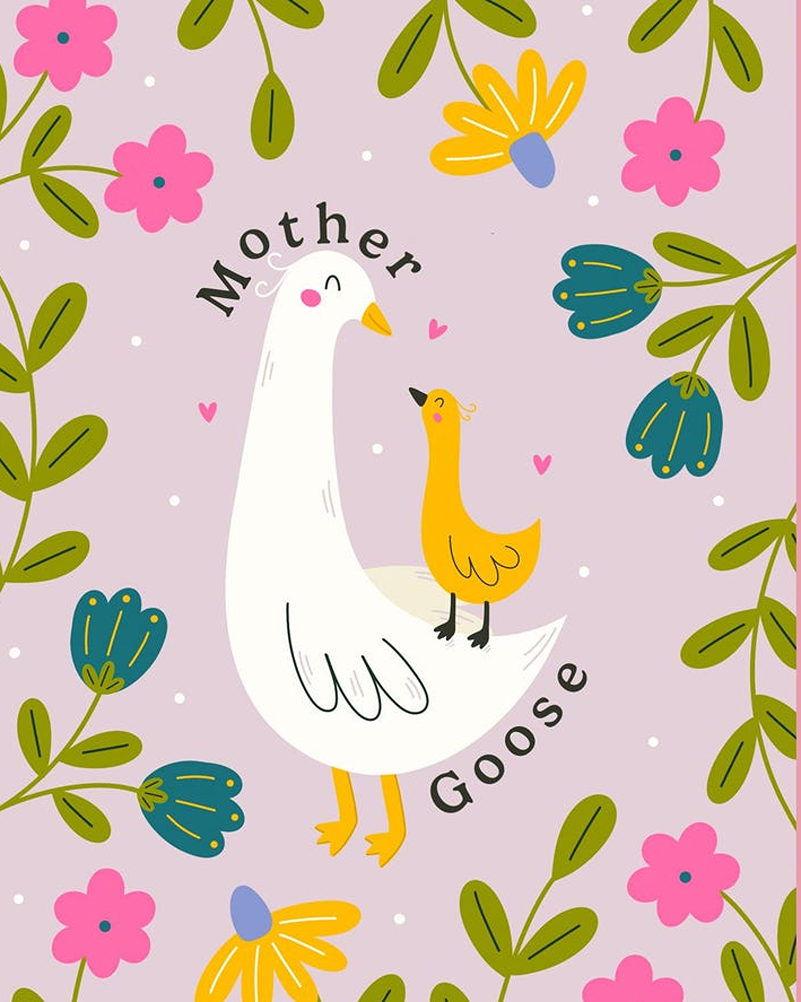
Geese need quiet, sheltered spaces along the water to build nests and raise goslings. So on walks, keep you and dogs away from nesting sites, and stick to marked paths.
Also stick to slow speeds on boats, and remind children not to chase or shout at geese.
Councils can help by planting reeds and grasses along riverbanks, to provide nesting sites and also this stops bank erosion and helps filter run-off before it reaches the water.
Ask Councils to Install Bird Diverters
Geese fly well but need a long run to take off, due to body weight. So they often fly into pylons or busy roundabouts. Experts say councils could install bird diverters (these can also help prevent owls and bats from being injured or electrocuted).
Use Rapeseed Oil (for roast potatoes)
Make roast potatoes with local rapeseed oil. You don’t need goose fat to make nice roast spuds, for Sunday lunch.
Don’t Buy or Order Foie Gras
Don’t buy pate de foie gras (nor support shops or restaurants that sell it). Illegal to produce in the UK due to cruelty.
Is It Okay to Feed Swans, Ducks and Geese?
These creatures naturally live on grass, insects and molluscs. They should in theory be able to find their own food easily, under the water.
If you do choose to feed extra food, Swan Sanctuary says to only feed (occasional torn) lettuce, spinach or fresh (torn) bread is best (throw it on the water, as geese have no teeth). This also discourages wildfowl from coming onto dry land, where they can be at risk from dogs and traffic.
Never feed mouldy/stale/crusty bread nor buttered bread (this smears on feathers, affecting waterproofing/insulation).
Never feed geese on nests, as it upsets brooding and encourages vermin. The Swan Food Project has good tips on what to (and what not to) feed wildfowl.
How to Help Injured or Orphaned Geese
Geese sometimes get caught in fishing lines, swallow hooks or suffer from dog attacks. If you see a goose in trouble, call a local wildlife rescue or the RSPCA. Quick action often means the difference between life and death.
It’s illegal to harm geese (or disturb nests). Report to wildlife crime unit (can be anonymous).
Keep rescue numbers handy if you visit water often, and never try to handle an injured goose yourself. These birds are strong and can be frightened easily; experts know how to help safely.
Support Good Works of Geese Sanctuaries

Support GoodHeart Animal Sanctuaries which gives loving homes to geese, who enjoy patrolling the yard and swimming in ponds. When night falls, the ‘tame flock’ are herded into a cosy ‘bedroom’, while the ‘wild flock’ heads to a secure island.
Find Help on Caring for Geese
If you care for geese, RSPCA has information on food, housing, disease and keeping them safe from predators.
One tip to humanely deter foxes, is to get the male member of the household to urinate in the garden!