The Victorian Founders of Humane Research Charities
Our site has heaps of posts to help you switch donations to humane research charities. These help to find cures for ‘incurable disease’, without using innocent animals. This is not just kinder and more effective, but also gets results quicker and cheaper. Switch from the big animal-testing charities (like British Heart Foundation, Cancer Research UK and the main charities for Parkinson’s and Alzheimer’s today!)
This post however focuses on the movement’s history. Many writers (including George Bernard-Shaw and James Allen campaigned back in the day against vivisection). But let’s also look at the history of the main humane research charities, that use donations to fund boffins today, without any government help or support.
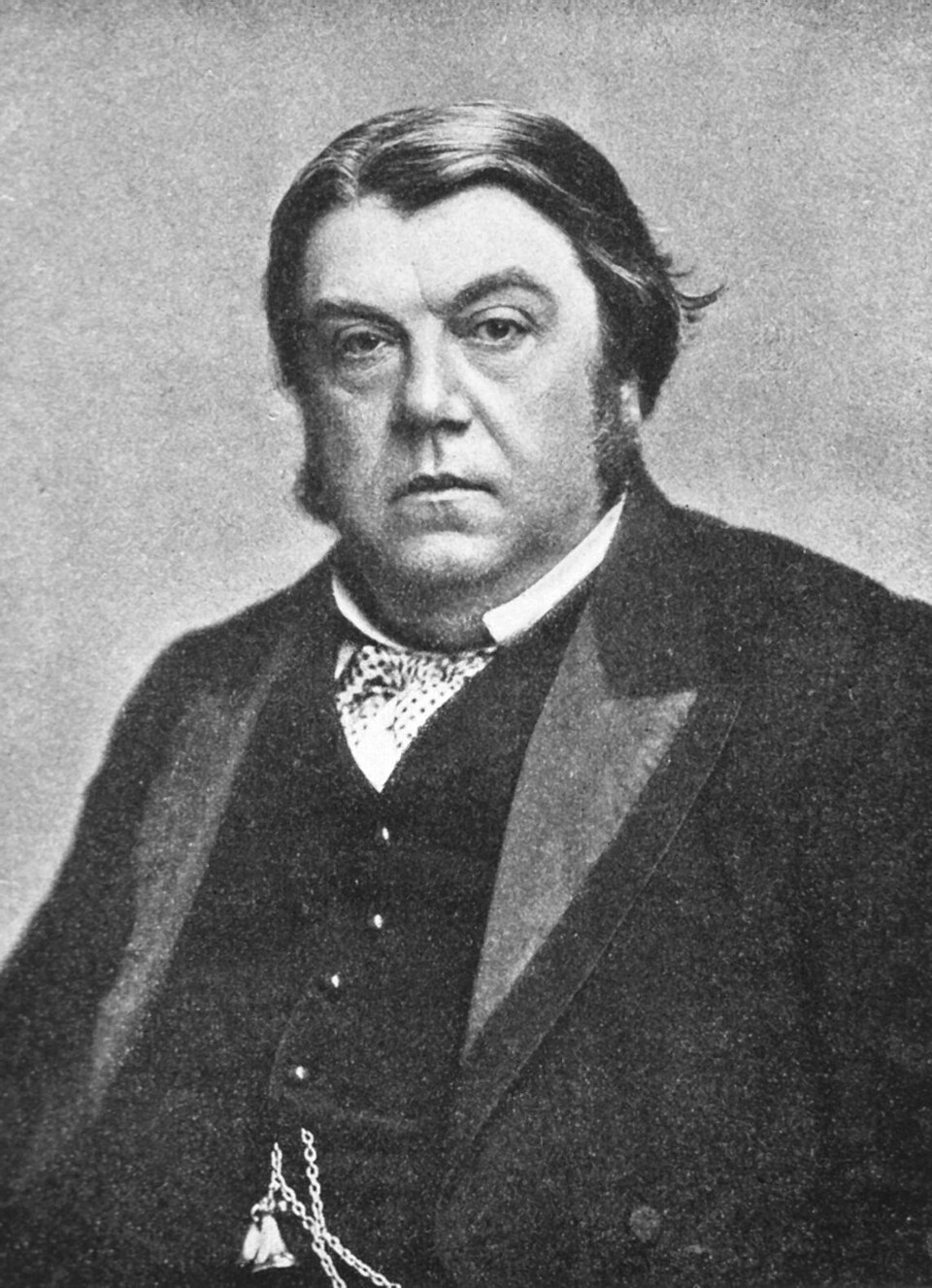
Robert Lawson Tait (a respected Scottish surgeon)
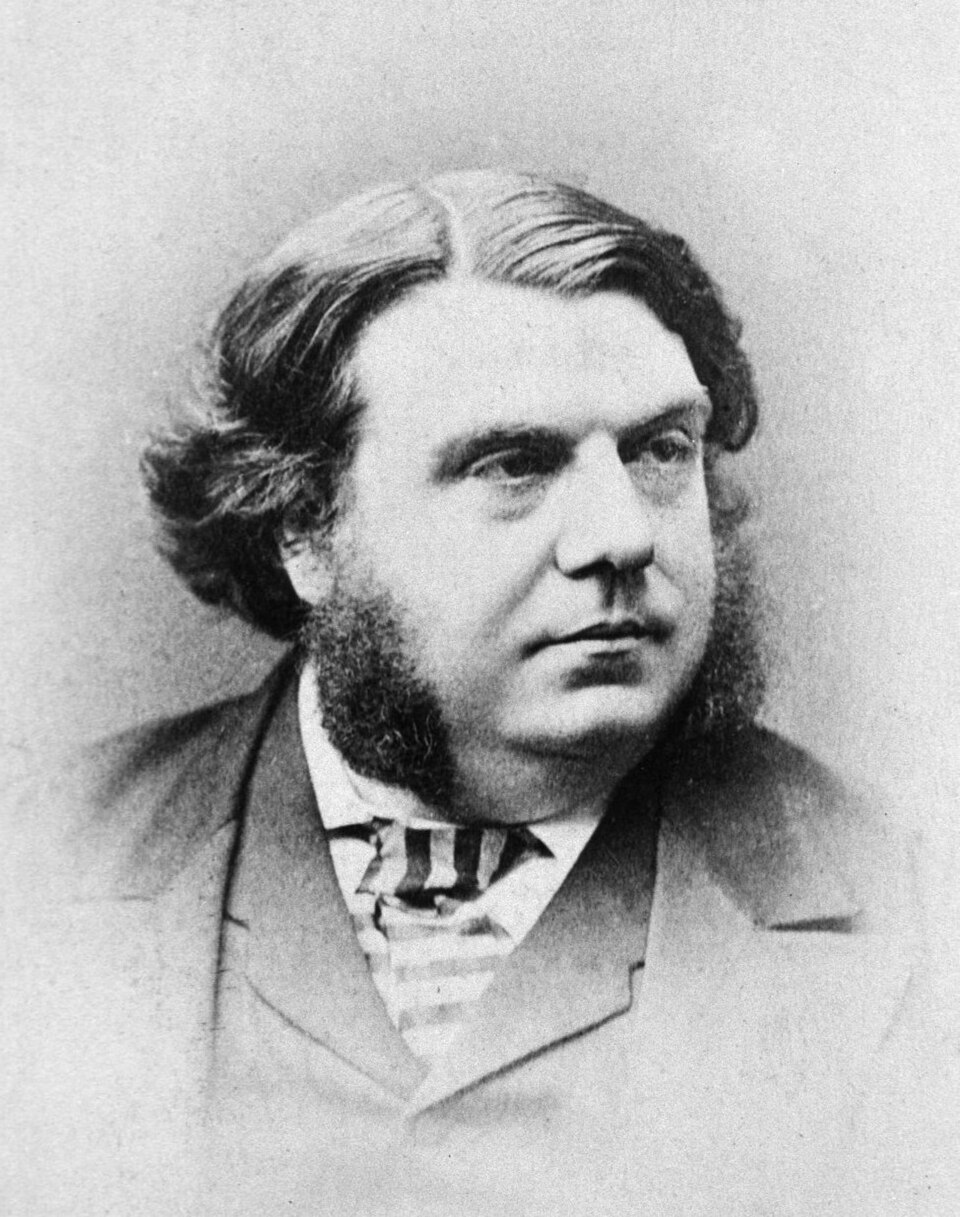
Robert Lawson Tait was a Scottish pioneer in pelvic and abdominal surgery, and a vocal opponent of vivisection. He was respondible for creating a treatment for ecotopic pregnancy that has saved countless lives since then. He also helped to open the Birmingham Hospital for Women, where he worked for 20 years.
He argued against vivisection not just on science, but on moral grounds, saying that ‘vivisection was a selfish act in which humans forced living animals to suffer, in order for their own benefit’. He wrote that the only thing he wanted on his tombstone was that he spent his life trying to persuade others not to torture animals in the name of science.
Frances Power Cobbe (the forgotten Victorian feminist)
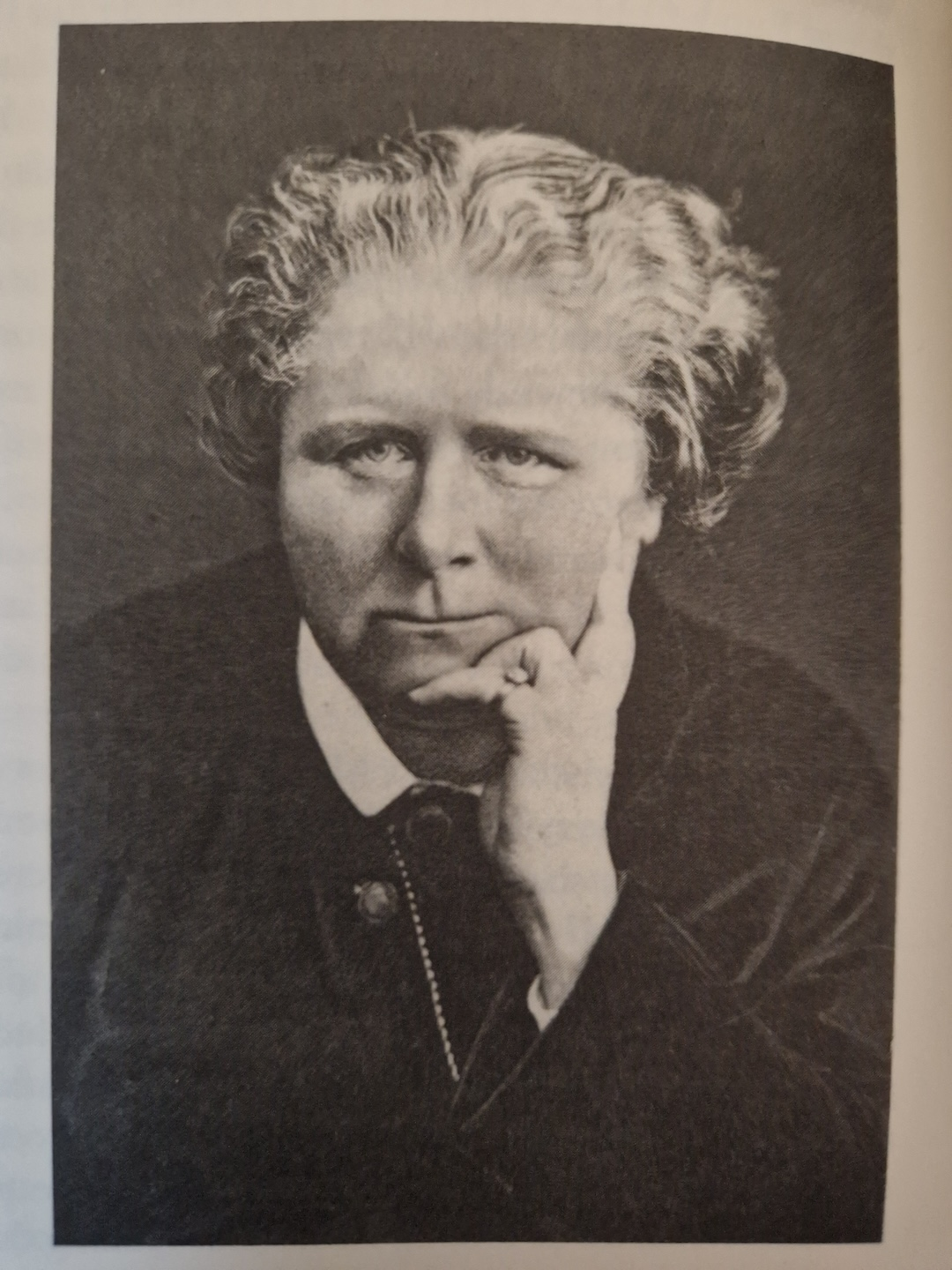
Frances Power Cobbe (the forgotten Victorian feminist) was the founder of NAVS (the national anti-vivisection society). Set up in London as teh Victoria Street Society, other notable members were physician George Hoggan, journalist Richard Holt Hutton, and clergyman Henry Edward Manning.
Born into a wealth Irish family, she used her success in commercial publishing to campaign for both animal welfare and women’s rights (her essay on domestic abuse led to legal reforms, and allowed abused women to seek legal separations from their husbands).
Frances also set up The British Union for the Abolition of Vivisecton, which today remains active in the beauty world as Cruelty Free International, with a ‘rabbit logo’ to show which brands don’t test on animals.
Dorothy Hegarty (a humble Wimbledon housewife)
Dorothy Hegarty set up Replacing Animal Research in 1969. Not a scientist, she did however see how public support could help fund a world where no animals suffer for science. A humble Wimbledon housewife, she believed that bitter arguments between both sides were not working, and the solution was to fund alternatives, so everyone was happy.
The Story of Battersea’s Little Brown Dog
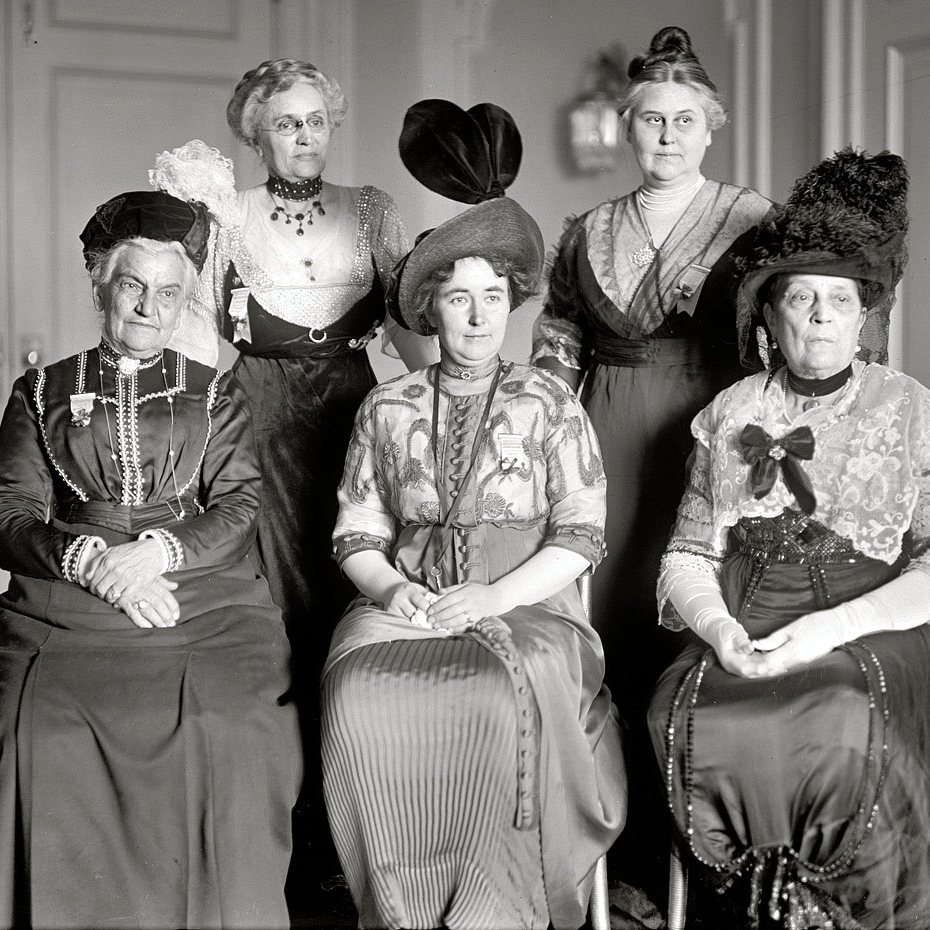
Heroines to remember at International Anti-Vivisection Congress, 1913
The topic of vivisection (using animals to find medical cures, was just as controversial over 100 years ago.
The case of the little brown dog (whose suffering caused riots between anti-vivisection campaigners and medical students) is now commemorated as a statue in London’s Battersea Park. Victorians led the way to found societies campaigning for alternatives.
The lady in the centre was Lizzy Lind of Hageby (above front centre), a Swedish-British woman who was one of our most noted anti-vivisectionists, back in the day (along with writers James Allen and George Bernard-Shaw). She and others even enrolled at medical school, so they could fight their argument using science.
Educated at Cheltenham Ladies College, while other graduates were learning to embroider things, she was out leading rallies for animal welfare.
When in 1914 one Daily Mail journalist at Glasgow Vegetarian Society expected to find a ‘square-jawed and severe woman’ he found a ‘pretty woman with twinkling brown eyes in a blue dress’, who was so logical in her arguments that he almost converted on the spot!
Vivisection is a social evil. Because if it advances human knowledge, it does so at the expense of human character. George Bernard Shaw
In later years, Lizzy set up veterinary hospitals for horses wounded in the war, protested against hunting pregnant hares, opposed the sale of old horses to slaughterhouses, and opened a sanatorium in France for wounded soldiers.
She left most of her estate to The Animal Defence Trust, which even today gives grants to small animal welfare causes. What a woman!