How ‘Community Medicine’ Restores Public Health
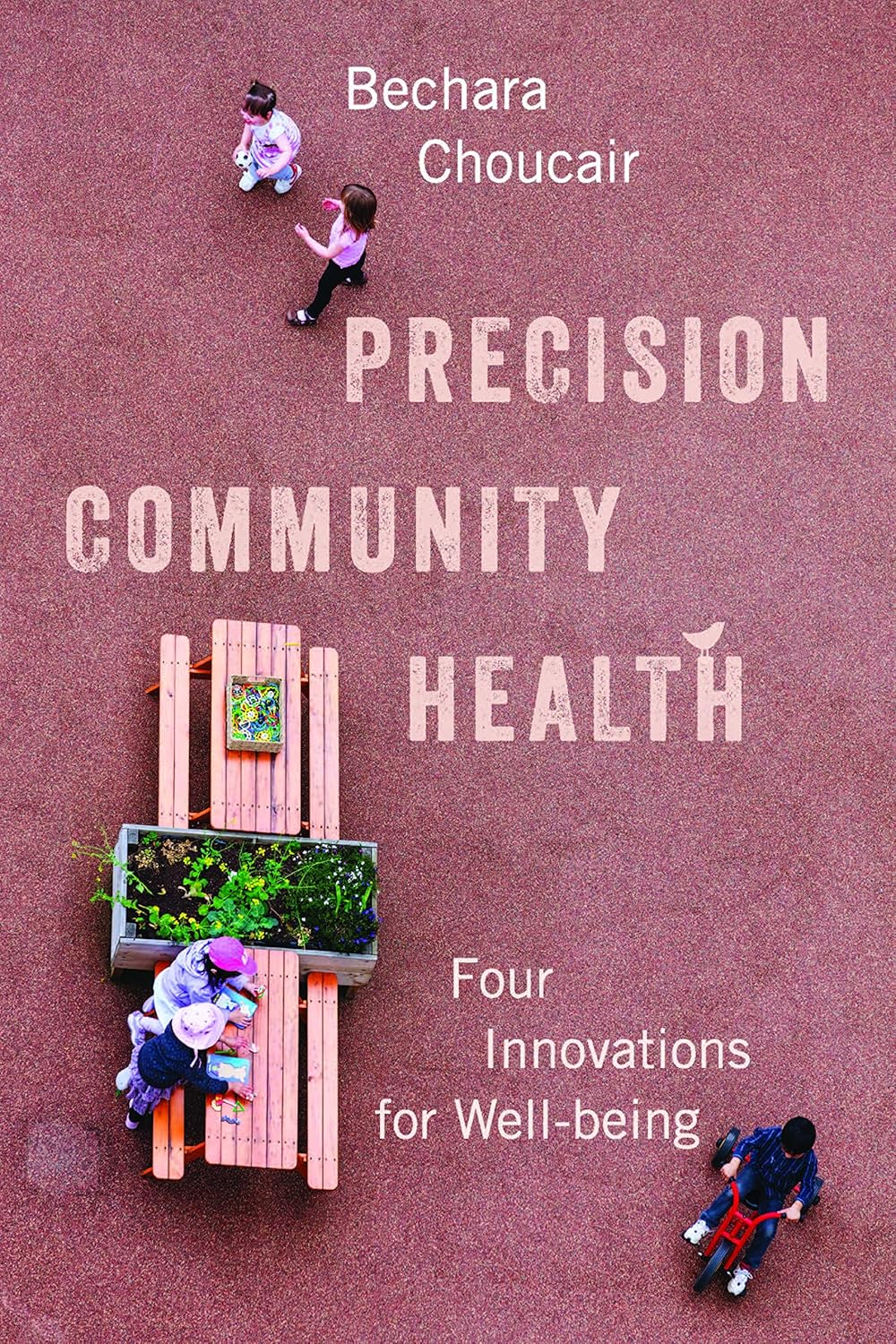
Precision Community Health is the story of a medical doctor in the USA, who whilst treating a hospital patient for hypothermia, realised he was doing little good – if the patient was going to spend the next night in the freezing cold, due to unaffordable bills or being homeless.
We can’t keep people healthy, if they don’t have a roof over their head, and food on the table. Bechara Choucair
Once Bechara Choicair became health commissioner for Chicago, he embarked on an ambitious experiment, addressing the societal causes of disease, rather than focusing on bed-blocking in hospitals. Instead of applauding the launch of new supermarkets and Amazon warehouses that send communities further apart, he focused on four simple areas of wellbeing.
The result? Far lower cases of smoking, teen pregnancies and even breast cancer mortality. His book is basically a manual, for any other community to do the same. ‘Being well’ is not just about access to a GP. It’s about forward-thinking GPs creating programs like this, so they are less overwhelmed by ill patients in the first place.
Real health is about decent housing (but not destroying green space and wildlife to build it), enjoyable jobs, better public parks, affordable organic food and social support.
No-one has worked harder to improve urban public health than Bechara Choucair. It’s gratifying to see the innovations he pioneered in Chicago, making a difference elsewhere. His book is a must-read for anyone who cares about effective health policy. Rahm Emanuel
Bechara Choucair (a family doctor by training) was commissioner of the Chicago Department of Public Health from 2009 to 2014. He is currently senior vice president and chief community health officer at Kaiser Permanente.
A Similar Happening in South West England
Something similar happened in a south western town, around the time of the pandemic. While MPs and some GPs obsessed about beds and medicines, volunteers took turns to ensure local people had company (after lockdown), took them on shopping trips, and created public places for people to meet up.
What happened was that while elsewhere illness rates soared, here they dived, and the effects were more profound than people even giving up smoking and drinking.
What community medicine matters for public health
Community medicine is healthcare that starts where people live, learn, work, and age. It still includes clinics and GP appointments, but it doesn’t stop at the consulting room door. It links healthcare with local authorities, schools, housing teams, charities, and community groups, because many health problems have roots outside the NHS.
You can think of it like mending a leaky roof. Hospital care often deals with the drip on the floor. Community medicine fixes the tiles, so the drip doesn’t keep coming back.
The idea has old roots in social medicine and primary care, where doctors and nurses noticed a pattern: illness clusters where life is harder. Damp homes worsen asthma. Limited access to fresh food raises diabetes risk. Mistrust and misinformation can reduce vaccine uptake. Loneliness can make pain, anxiety, and poor sleep harder to manage.
Community medicine doesn’t replace hospitals. It reduces the flow of preventable harm that ends up there. It also helps people recover at home with the right support, rather than bouncing back to A&E.
Improving health for whole neighbourhoods
Traditional medicine focuses on the person in front of you, which matters. Community medicine adds a wider lens. It asks, “What’s happening across this street, this estate, this school?”
Local teams use everyday signals to spot patterns early. That might include GP trends (more inhaler requests), school attendance (more stomach bugs), or pharmacy advice needs (a spike in cough medicines). When those signals line up, teams can act sooner, not months later.
This approach supports health equity, which simply means a fair chance to be healthy. It’s not about treating everyone the same. It’s about removing barriers, so people aren’t punished by postcode, income, language, or disability.
How community medicine restores public health
- First, community medicine improves early detection. High blood pressure, for example, rarely hurts until it causes serious damage. Catch it early and you can prevent strokes and heart attacks. The same applies to diabetes risk, COPD flare-ups, and some cancers.
- Next, it speeds up support and follow-up. Missed appointments often look like “non-attendance” on paper. In real life, they can mean anxiety, poor literacy, a broken phone, or the cost of a bus fare. Community teams can bridge that gap with reminders, flexible slots, and practical help.
- It also works on healthier environments. Cold homes, mould, poor air quality, and unsafe streets shape health as much as medicine does. A prescription can’t fix a bedroom wall that’s black with damp. Joined-up local work can.
- Finally, it improves joined-up services, so people don’t repeat their story five times. That matters most for long-term conditions, mental health needs, and older adults.
Consider a mini scenario. A GP practice notices more children coming in with wheeze. The school reports higher absence in the same area. A community nurse visits a few families and hears the same story, damp flats, condensation, and broken extractor fans.
The local housing team inspects, repairs are prioritised, and families get advice on ventilation and heating support. Over the next months, fewer children need urgent appointments, and fewer parents miss work due to sudden flare-ups. No miracle cure, just sensible steps in the right place.
Stopping problems early, screenings, vaccines
That includes blood pressure checks in pharmacies, cervical screening and bowel screening reminders, and seasonal vaccines such as flu. COVID-19 boosters remain relevant for some groups, depending on current guidance and risk.
Cold homes raise infection risk and worsen breathing problems. Mould can trigger asthma. Low income can push people towards cheaper, high-salt foods. Busy roads can worsen air quality, especially for children. Social isolation can increase depression and make self-care harder.
Community medicine doesn’t promise to solve poverty. It can still reduce harm by linking people to warm home schemes, benefits advice, community kitchens, walking groups, and local stop smoking support. These steps improve day-to-day wellbeing, and they lower risk over time.
What good community medicine looks like
- Higher vaccine and screening uptake, especially in groups that miss out
- Fewer emergency flare-ups (asthma, COPD, diabetes complications)
- Easier access to mental health support, with clearer routes in and out
- Smaller health gaps between areas over time
- Better patient feedback, because people feel heard and helped
- Shorter waits for the right service, not just any appointment